Elemis Dynamic Resurfacing Facial Pads for sensitive skin

 Lactic Acid
 Lactococcus Lysate Ferment
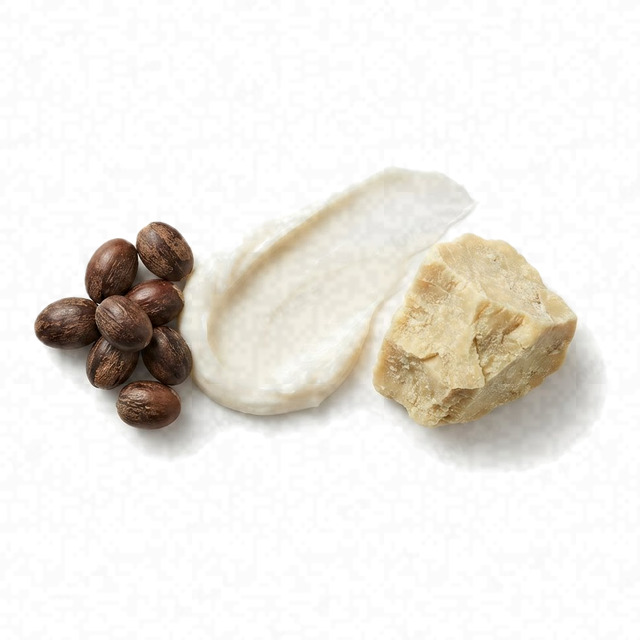 Butyrospermum Parkii Butter Shea Butter
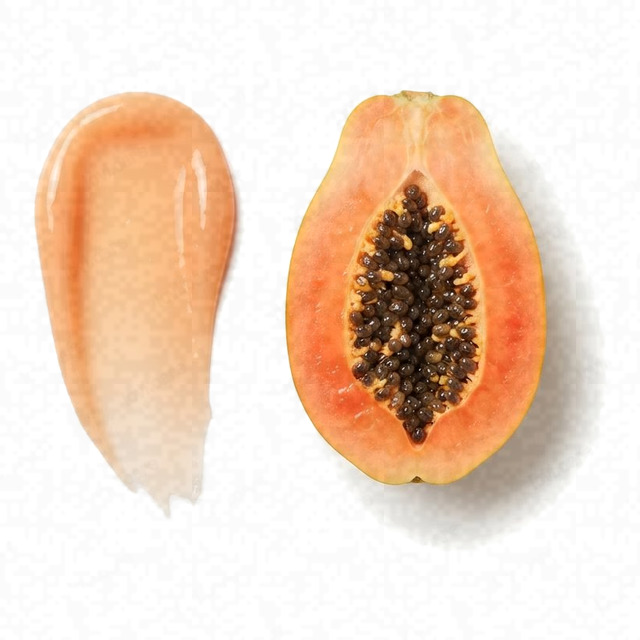 Papain
 Tocopheryl Acetate
Average
- HighNormal Skin Fit
- AverageEffectiveness
- HighSafety
Works for sensitive skin; other products fit it better.
This fit is calculated for the concerns frequently associated with sensitive skin: redness, stinging, and reactions to new products. For scores and recommendations based on your full skin profile, including your 12D face scan results and any goals or preferences you have, please use the Lovi app.
Page built Nov 8, 2026How the Fit score works
Lovi Assistant explains
- Offers moderate exfoliation for your normal skin due to lactic acid and papain, which help to gently resurface the skin and improve texture.
- Glycerin and shea butter provide hydration and soothing benefits, addressing your redness and irritation concerns to a limited extent.
- The formulation is safe for your sensitive skin, as it lacks harsh ingredients and has a low risk of irritation.
How to apply
- Use your exfoliant PM once a week to help with redness and irritation. Start slowly and only increase frequency if your skin feels happy and comfortable.
- Apply the exfoliant after cleansing and toner , but always before your moisturizer . This ensures the product absorbs properly into the skin.
- Gently press 2-3 drops of the exfoliant into your skin without rubbing . Let it absorb for a minute before moving on.
- Since your skin is sensitive , apply the exfoliant on completely dry skin for the best tolerance. This helps prevent any extra stinging or discomfort.
- Always do a patch test before your first use and avoid the delicate eye area .
People Say
★4.8Overall rating based on 8.0k+ reviewsBased on a very large amount of data, users consistently praise these pads for delivering "glass-like" skin by smoothing rough texture and brightening dull complexions without the irritation often associated with acid exfoliators. While highly effective for reducing dark spots and milia, a small minority of users experienced purging or breakouts, and some found the strong fragrance polarizing.
Highlights
Smoother skin texture Mostly Mentioned
- “baby soft”
- “glass skin”
- “rough patches”
Brightening and radiance Often Mentioned
- “healthy glow”
- “radiant complexion”
- “brighter skin tone”
Gentle exfoliation Often Mentioned
- “non-irritating”
- “gentle enough for daily use”
- “safe for sensitive skin”
High price point Often Mentioned
- “expensive”
- “pricey”
- “luxury splurge”
Convenient application Sometimes Noted
- “pre-soaked”
- “easy one-step”
- “pleasant spa-like scent”
Reduces imperfections Sometimes Noted
- “faded dark spots”
- “reduced milia”
- “smaller appearing pores”
Breakouts or purging Rarely Noted
- “terrible spots”
- “purging phases”
- “worsened acne”
Drying or irritating Rarely Noted
- “dryness”
- “slight stinging”
- “redness”
Strong fragrance Rarely Noted
- “overpowering”
- “too strong”
- “perfumey”
Sources: lovi.care, dermstore.com, sephora.co.uk, ulta.com, johnlewis.com, lovelyskin.com, and more
Questions and answers
How well does Elemis Dynamic Resurfacing Facial Pads work for sensitive skin?
Elemis Dynamic Resurfacing Facial Pads are an average fit for sensitive skin, gently smoothing texture with lactic acid and papain while offering limited soothing with glycerin and shea butter. This skin type needs products with powerful calming and hydrating ingredients, strong antioxidants, and skin-repairing agents that specifically target redness and irritation with no risk of irritation.
Which ingredients make this exfoliant a good fit for sensitive skin?
Glycerin and shea butter make this exfoliant a reasonable fit for sensitive skin by helping to soothe redness and irritation to a limited extent, while lactic acid and papain gently resurface texture. An exfoliant for sensitive skin needs ingredients that provide excellent soothing benefits for redness and irritation without any risk of irritation.
What does Lactic Acid do for sensitive skin?
Lactic acid may cause stinging and irritation on sensitive skin because sensitive skin often has a fragile barrier and enhanced facial blood flow. To care for sensitive skin, a product of this type needs soothing ingredients like ceramides to strengthen the skin barrier and calm discomfort.
Archives of Dermatological Research, 2018Clinical, Cosmetic and Investigational Dermatology, 2021
What does Lactococcus Ferment Lysate do for sensitive skin?
Lactococcus Ferment Lysate helps calm sensitive skin by strengthening the outer barrier, keeping moisture locked in, and reducing redness. Applying this ingredient regularly may make reactive skin feel more comfortable and less prone to irritation from daily environmental stress.
Journal of Cosmetic Dermatology, 2023Scientific Reports, 2023
Where does this exfoliant go in a skincare routine for sensitive skin?
This exfoliant goes in your evening routine once a week to gently resurface your skin while keeping the risk of irritation low. Sensitive skin needs products with gentle exfoliating acids, soothing ingredients like glycerin and shea butter, and hydrating helpers to smooth texture without causing redness.
Can I use this exfoliant with retinol, and in what order?
You can use this exfoliant with retinol by using them on alternate nights to avoid overwhelming your skin, as combining them directly may cause excessive dryness and redness. When caring for sensitive skin, an exfoliant of this type needs gentle resurfacing ingredients paired with soothing and hydrating extras like glycerin and shea butter.
How often should I use this exfoliant?
Start using this exfoliant just once a week in the evening, as this helps sensitive skin adjust safely. If your skin feels comfortable and shows good results, you may carefully use it a bit more often.
Can this exfoliant clog pores, cause breakouts or purging for sensitive skin?
This exfoliant is unlikely to clog pores or cause breakouts for sensitive skin, as reviewers rarely report purging and the formula has a low risk of irritation. However, sensitive skin needs a product with gentle exfoliants paired with calming plant extracts and rich hydrators to keep the skin smooth and comfortable.
Is this exfoliant fragrance-free and alcohol-free?
It has no drying alcohol and contains fragrance (parfum). Behenyl alcohol and stearyl alcohol are fatty alcohols, which soften the skin.
What the research says
A single application of a moisturizing fluid containing hyaluronic acid 1%, glycerin 5%, and Centella asiatica stem cells extract significantly increased skin hydration by 29% and reduced transepidermal water loss at 24 hours compared to baseline and an untreated control site in twenty healthy women.
Clinical, Cosmetic and Investigational Dermatology, 2017Application of a cream containing lactic acid 12% and pramoxine HCl 1% significantly improved skin dryness, hydration, and itch compared with a nontreated control in 24 women with a history of dry itchy skin.
Cutis, 2004Topical 12% ammonium lactate produced a significant sparing of epidermal and dermal atrophy induced by clobetasol propionate in human volunteers, without influencing the corticosteroid's bioavailability or antiinflammatory properties.
Journal of the American Academy of Dermatology, 1992A lactic acid/ceramide lotion significantly improved skin moisturization and desquamation compared to no treatment in women with dry, rough skin on the anterior shins.
The Journal of Clinical and Aesthetic Dermatology, 2020A combination cream of stimu-tex AS and saccharide isomerate reduced erythema, increased skin capacitance, and reduced transepidermal water loss compared to placebo in 20 subjects after fractional CO2 laser procedure without causing serious adverse events.
Lasers in Medical Science, 2025A skin barrier restoring cream with shea butter, silkflo, and vitamin E increased type I procollagen synthesis, enhanced antioxidant enzyme activity, decreased reactive oxygen species generation, and promoted hyaluronic acid production in H2O2-stimulated human keratinocyte cells compared to untreated cells.
International Journal of Cosmetic Science, 2025Topical papain treatment may slightly decrease pain within 30 minutes in humans stung by Chrysaora chinensis compared to placebo.
Wilderness & Environmental Medicine, 2016A fixed combination of hydroxypinacolone retinoate, retinol glycospheres, and papain glycospheres in aqueous gel applied once daily for 12 weeks achieved a 41% mean reduction in GAGS score and a 40.8% mean reduction in total lesions, with 15.3% of patients experiencing mild to moderate local side effects, in 94 evaluable patients with comedonal-papular, mild to moderate acne of the face.
Giornale Italiano Di Dermatologia E Venereologia, 2015Reflux extraction of Carica papaya leaves yielded higher antioxidant capacity and superior in vitro wound-healing activities including fibroblast proliferation, cell migration, and collagen synthesis in human skin fibroblasts compared to ultrasonic-assisted extraction and agitation.
Molecules, 2020Topical application of an antioxidant serum containing 15% ascorbic acid, 0.5% ferulic acid, and 1% tocopherol prevented particulate matter-induced degradation of extracellular matrix components, inflammation, and oxidative stress in the skin of 15 female volunteers compared to untreated controls.
Journal of Cosmetic Dermatology, 2025Dermatological products containing d-alpha tocopheryl acetate showed non-comedogenic potential with less than a 50% increase in microcomedones in 12 healthy male subjects compared to octyl palmitate.
Contemporary Clinical Trials Communications, 2021Topical application of an antioxidant mix containing 15% ascorbic acid, 0.5% ferulic acid, and 1% tocopherol prevented PM and UV-induced skin barrier perturbation, lipid peroxidation, inflammatory markers, MMP9 activation, and Type I collagen loss in 15 healthy females compared to untreated exposed skin.
Journal of Cosmetic Dermatology, 2024
Ingredients
Water, Butylene Glycol, Lactococcus Lysate Ferment, Polysorbate 20, Methyl Gluceth-20, Lactic Acid, Phenoxyethanol, Betaine, Propylene Glycol, Disodium Edta, Benzoic Acid, Sodium Hydroxide, Parfum, Dehydroacetic Acid, Tromethamine, Ethylhexylglycerin, Papain, Saponins, Sodium Benzoate, Sodium Chloride, Glycerin, Behenyl Alcohol, Butyrospermum Parkii Butter Shea Butter, Hydrogenated Castor Oil, Stearyl Alcohol, Poria Cocos Extract, Protease, Saponaria Officinalis Root Extract Leaf, Subtilisin, Tocopheryl Acetate
Behind this fit score
Lovi calculates every fit score from the full ingredient list with brand-independent rules our dermatologists and cosmetic chemists build and review, and personalizes every pick with AI trained on the real results of millions of users. Lovi trains its fit score models on a proprietary dataset built from more than 10,000 expert-labeled products and more than 100,000 simulated examples, following an internally consistent methodology presented at Cosmoprof, AMWC, and Skin of Color Update.
-

Co-founder, Medical Director
Cosmetic chemist, cosmetologist, aesthetic products developer
-

Co-founder, CEO and CTO
PhD in computer science, 3x US patent holder, ex-Google, ex-Yandex
-

Dr. Sofía Perea Pérez, MD, MSc
Medical Board
Aesthetic medicine practitioner, MSc in Longevity and Anti-Aging Medicine
-

Medical Board
Specialist dermatologist, MBBS, MD, IFAAD
-

Medical Board
Cosmetic chemist, SCS, IFSCC member
-

Medical Board, Medical Advisor
Dermatology MD
-

Elina Nazarenko, MD
Medical Board
Dermatology and diagnostic consultant
-

Victoria Derkova, MS
Medical Board
Cosmetic chemist, cosmetic development technologist


How does it fit your skin?
Scan your face, then any product: Lovi shows how well it fits you and what fits even better.