
SkinCeuticals H.A. Intensifier for oily acne-prone skin

 Sodium Hyaluronate
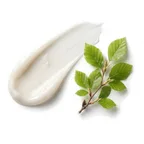 Proxylane
 Dipotassium Glycyrrhizate
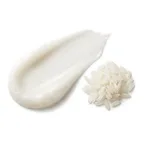 Purple Rice Extract
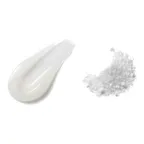 Adenosine
Average
- HighOily Skin Fit
- AverageEffectiveness
- HighSafety
Works for oily acne-prone skin; other moisturizers fit it better.
This fit is calculated for the concerns frequently associated with oily acne-prone skin: shine, breakouts, blemishes, and enlarged pores. For scores and recommendations based on your full skin profile, including your 12D face scan results and any goals or preferences you have, please use the Lovi app.
Updated How the Fit score works
Lovi Assistant explains
- Offers moderate benefits for your oily skin, as glycerin and sodium hyaluronate provide excellent hydration and plumping effects, while capryloyl salicylic acid offers mild exfoliation and pore-refining. This product is generally safe for your oily skin due to the absence of harsh ingredients, ensuring no irritation.
- While it provides good moisturizing, it lacks targeted ingredients like niacinamide or salicylic acid to effectively address your acne, blemishes, and breakouts.
- The safety profile is excellent, with no risks of irritation for your oily skin due to the absence of prohibited or harsh ingredients.
How to apply
- Use this AM and PM routine every day to help clear your skin. Always remember to finish with SPF in the morning.
- Apply the moisturizer after your cleanser and toner, right before your SPF during the day.
- Gently press a small amount into your skin and avoid rubbing to keep pores clear.
- Apply on clean, slightly damp skin to help the product absorb better and control oil.
- Avoid the sensitive eye area and do a simple patch test before your first use.
People Say
★4.5Overall rating based on 4.4k+ reviewsBased on a very large amount of data, users with dry, mature, or dehydrated skin frequently praise this serum for its ability to visibly plump facial contours and smooth fine lines, particularly around the eyes and mouth. While many report immediate hydration and improved skin texture, a minority of users with sensitive or acne-prone skin experienced irritation or breakouts.
Highlights
Intense hydration Mostly Mentioned
- “skin feels super hydrated”
- “dry patches vanished”
- “keeps skin dewy all day”
- “moisture lasts 24 hours”
Visible plumping Often Mentioned
- “cheeks look fuller”
- “smooths out crow's feet”
- “lips look plumper”
- “fills in fine lines”
High price point Often Mentioned
- “way too expensive”
- “not worth the money”
- “pricey for the amount”
- “found cheaper alternatives”
Fast absorption Sometimes Noted
- “absorbs instantly”
- “soaks right in”
- “not greasy at all”
- “layers well under cream”
Improves texture Sometimes Noted
- “skin feels like silk”
- “texture is much smoother”
- “makeup applies better”
- “softens rough areas”
Sticky texture Sometimes Noted
- “feels tacky”
- “sticky finish”
- “hair sticks to face”
- “takes forever to dry”
Poor packaging Rarely Noted
- “dropper doesn't work well”
- “hard to get product out”
- “messy bottle”
- “pipette struggles with thickness”
Skin irritation Rarely Noted
- “caused redness”
- “stung my face”
- “broke me out”
- “burning sensation”
Sources: lovi.care, dermstore.com, bluemercury.com, lovelyskin.com, and more
Questions and answers
How well does SkinCeuticals H.A. Intensifier work for oily acne-prone skin?
This product works moderately well for oily acne-prone skin, as it hydrates and gently refines pores without causing irritation, though other products fit this skin type better by including targeted ingredients like niacinamide or stronger acne-fighting acids.
Clinical, Cosmetic and Investigational Dermatology, 2017Journal of Drugs in Dermatology, 2013
Which ingredients make this serum a good fit for oily acne-prone skin?
Glycerin and sodium hyaluronate make this serum a good fit by providing hydration and plumping effects, while capryloyl salicylic acid offers mild exfoliation and pore-refining. Oily acne-prone skin of this type needs a moisturizing treatment with targeted ingredients like niacinamide and salicylic acid to effectively manage breakouts and balance oil.
Clinical, Cosmetic and Investigational Dermatology, 2017Journal of Drugs in Dermatology, 2013
What does Hyaluronic Acid do for oily acne-prone skin?
Hyaluronic acid helps oily acne-prone skin by lowering excess oil production and improving skin hydration without causing irritation. It may also enhance the effectiveness of acne treatments while keeping the skin barrier strong.
What does Proxylane do for oily acne-prone skin?
Pro-Xylane is generally not targeted for treating active oily or acne-prone skin, as its main benefits focus on firming and reducing signs of aging. To properly care for oily, acne-prone skin, products should instead include oil-balancing ingredients like salicylic acid or niacinamide to help keep pores clear and calm breakouts.
Where does this serum go in a skincare routine for oily acne-prone skin?
This treatment goes in the evening routine after cleansing and before moisturizing, as evening application provides extra safety around sun exposure. While it provides good hydration and mild pore-refining, an oily acne-prone skin needs a product of this type that also includes targeted ingredients like niacinamide or salicylic acid to effectively address blemishes and breakouts.
Can I use this serum with retinol, and in what order?
You can use this serum with retinol by applying the serum first to give your skin moisture, followed by retinol once it absorbs. This routine is unlikely to cause irritation because the serum has a very safe formula with no harsh ingredients.
How often should I use this serum?
You can use this treatment in the evening as part of your routine. It is unlikely to irritate your oily skin due to its safe ingredients, but it needs targeted ingredients like niacinamide or salicylic acid to effectively address breakouts.
Can this serum clog pores, cause breakouts or purging for oily acne-prone skin?
This moisturizing treatment is unlikely to clog pores or cause irritation on oily skin due to the absence of harsh ingredients, but it lacks targeted blemish-fighting ingredients like niacinamide or salicylic acid to actively manage acne and breakouts.
Can I use this serum around the eyes or on my body?
This moisturizing treatment is generally safe to use around the eyes and on the body, as it has an excellent safety profile without harsh ingredients that might cause irritation. However, because skin thickness varies significantly across different body regions, such as the thin skin of the eyelids compared to thicker areas, you should patch test first to ensure comfort.
What the research says
Daily treatment with a facial serum containing multiple acids reduced post-inflammatory hyperchromia lesion grade and number by 29.4% at 56 days, and decreased skin oiliness by 30.7% at 7 days in Brazilian patients with acne vulgaris.
Journal of Cosmetic Dermatology, 2021A single application of a moisturizing fluid containing hyaluronic acid 1%, glycerin 5%, and Centella asiatica stem cells extract significantly increased skin hydration by 29% and reduced transepidermal water loss at 24 hours compared to baseline and an untreated control site in twenty healthy women.
Clinical, Cosmetic and Investigational Dermatology, 2017A novel composition containing salicylic acid, capryloyl salicylic acid, HEPES, glycolic acid, citric acid, and dioic acid showed similar tolerance and efficacy compared with clindamycin 1% and benzoyl peroxide 5% gel in subjects with acne vulgaris.
Journal of Drugs in Dermatology, 2013Topical application of 0.1% hyaluronic acid formulations of different molecular weights led to significant improvements in skin hydration and elasticity, with low-molecular-weight formulations also significantly reducing wrinkle depth in seventy-six female subjects compared to a vehicle control.
Journal of Drugs in Dermatology, 2011Topical hyaluronic acid serum used twice daily by 40 females with facial photoaging produced an immediate 134% increase in skin hydration, a sustained 55% increase at week 6, and significant improvements in smoothness, plumping, fine lines, wrinkles, and global appearance without causing irritation.
Dermatology and Therapy, 2021A topical antioxidant serum significantly reduced air pollution-induced skin pigmentation and proinflammatory gene expression ex vivo, and improved skin aging signs in 40 healthy adult females after 90 days of daily use.
Journal of Cosmetic Dermatology, 2022Combining 755 nm alexandrite laser with topical licorice gel significantly reduces terminal hair counts compared to alexandrite laser with placebo in women with idiopathic hirsutism.
Evidence-based Complementary and Alternative Medicine, 2015Licochalcone A activated Nrf2 signaling, elevated cytoprotective enzymes, increased the reduced-to-oxidized glutathione ratio, and decreased reactive oxygen species in human fibroblasts and neutrophils, while a LicA-rich licorice extract lowered UVA-induced oxidative processes in vivo.
Experimental Dermatology, 2015Mesoporous silica nanoparticles entrapping licorice polysaccharide and coated with polydopamine showed 76% entrapment efficiency, 89% in vitro release at pH 5, increased sebocytes' cellular uptake, and mediated inflammatory response by inhibiting pro-inflammatory cytokines and regulating anti-inflammatory cytokines.
Carbohydrate Polymers, 2024Topical gel and cream formulations containing niosomes entrapped with rice bran bioactive compounds improved skin hydration, lightening, thickness, roughness, and elasticity in 30 human volunteers over 28 days compared to baseline.
Pharmaceutical Biology, 2012Daily application of a cream containing niosomes loaded with purple glutinous rice extract in 20 human volunteers for 28 days resulted in a significant decrease in melanin index and skin roughness by -14.05% and -9.95%, and increases in skin hydration and elastic recovery by +48.73% and +35.98% compared to initial values.
International Journal of Cosmetic Science, 2020Encapsulation of ferulic acid in phosphorylated rice starch enhanced its stability against heat and light and improved skin lightening, elasticity, smoothness, roughness, scaliness, and wrinkles compared to free ferulic acid in 16 volunteers over 1 month.
Molecules, 2022Topical application of a disodium adenosine monophosphate-based formulation reduced wrinkles and hyperpigmentation while improving hydration, barrier function, skin lifting, and epidermal turnover in female participants.
International Journal of Molecular Sciences, 2026Adenosine and cordycepin stimulate the Wnt/beta-catenin signaling pathway through adenosine receptor and PKA activation, promoting cell proliferation, migration, and growth factor secretion in cultured dermal fibroblasts.
International Journal of Molecular Sciences, 2021Topical application of the A2BAR agonist BAY60-6583 prevented TPA-induced inflammation, hyperproliferation, and acanthosis while normalizing epidermal barrier protein expression in a murine model of epidermal hyperplasia, effects that were reversed by the selective antagonist PSB-1115.
Biomedicine & Pharmacotherapy = Biomedecine & Pharmacotherapie, 2024
Why other moisturizers fit oily acne-prone skin better
A Tris/Arg-formulated cleanser significantly decreased noninflammatory and inflammatory acne and pore size with keratotic plugs compared to an AEC/AC cleanser in male Thai subjects with mild to moderate acne over 4 weeks.
Journal of Cosmetic Dermatology, 2020A panthenol-enriched mask improved skin hydration, regulated sebum, and reduced redness and TEWL across dry sensitive, oily sensitive, and oily acne skin subgroups with excellent tolerance and no adverse reactions.
Journal of Cosmetic Dermatology, 2024
Ingredients
Water, Cyclohexasiloxane, Glycerin, Alcohol Denat, Hydroxypropyl Tetrahydropyrantriol, Propylene Glycol, Dipotassium Glycyrrhizate, Polysilicone-11, Polymethylsilsesquioxane, Sodium Hyaluronate, Dimethicone, Tocopherol, Phenoxyethanol, Capryloyl Salicylic Acid, Octyldodecanol, Bis-Peg Ppg-16 16 Peg Ppg-16 16 Dimethicone, Peg-20 Methyl Glucose Sesquistearate, Ammonium Polyacryloyldimethyl Taurate, Caprylyl Glycol, Xanthan Gum, Dextrin, Oryza Sativa Rice Extract, Disodium Edta, Caprylic Capric Triglyceride, Sodium Hydroxide, Adenosine, Citrus Nobilis Mandarin Orange Peel Oil, Limonene, T-Butyl Alcohol, Cellulose Acetate Butyrate, Polyphosphorylcholine Glycol Acrylate, Polyvinyl Alcohol, Sodium Chloride, Butylene Glycol, Pentaerythrityl Tetra-Di-T-Butyl Hydroxyhydrocinnamate
Behind this fit score
Lovi calculates every fit score from the full ingredient list with brand-independent rules our dermatologists and cosmetic chemists build and review, and personalizes every pick with AI trained on the real results of millions of users. Lovi trains its fit score models on a proprietary dataset built from more than 10,000 expert-labeled products and more than 100,000 simulated examples, following an internally consistent methodology presented at Cosmoprof, AMWC, and Skin of Color Update.
-

Co-founder, Medical Director
Cosmetic chemist, cosmetologist, aesthetic products developer
-

Co-founder, CEO and CTO
PhD in computer science, 3x US patent holder, ex-Google, ex-Yandex
-

Dr. Sofía Perea Pérez, MD, MSc
Medical Board
Aesthetic medicine practitioner, MSc in Longevity and Anti-Aging Medicine
-

Medical Board
Specialist dermatologist, MBBS, MD, IFAAD
-

Medical Board
Cosmetic chemist, SCS, IFSCC member
-

Medical Board, Medical Advisor
Dermatology MD
-

Elina Nazarenko, MD
Medical Board
Dermatology and diagnostic consultant
-

Victoria Derkova, MS
Medical Board
Cosmetic chemist, cosmetic development technologist


How does it fit your skin?
Scan your face, then any product: Lovi shows how well it fits you and what fits even better.