
Palmer's Skin Success Anti-Dark Spot Fade Cream for dry sensitive skin

 Niacinamide
 Retinol
 Vitamin E
 Ascorbyl Glucoside
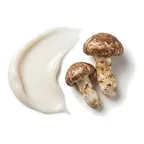 Tricholoma Matsutake Extract
Warning
- LowDry Skin Fit
- HighEffectiveness
- WarningSafety
A poor match for dry sensitive skin; the serums alongside fit it better.
This fit is calculated for the concerns frequently associated with dry sensitive skin: flakiness, tightness, redness, fine lines, and wrinkles. For scores and recommendations based on your full skin profile, including your 12D face scan results and any goals or preferences you have, please use the Lovi app.
Updated How the Fit score works
Buy online

Prices checked 20 Nov 2026
The Lovi Fit is the same in every country; only the stores and prices differ, and the ones here are for India.
How to apply
- Use this PM routine for your evening skincare. Start using the serum 3 times a week and increase to daily use if your skin feels comfortable.
- Apply the serum after cleansing and toner, but right before your moisturizer. This step locks in deep hydration for dry skin.
- Gently press 2-3 drops of the serum into your skin using your palms. Let it absorb completely for a minute ⏱ before applying your next product.
- Since your skin is sensitive, apply the serum on completely dry skin for better tolerance and less irritation.
- Avoid the sensitive eye area during application. Always do a patch test before your first use to ensure your skin reacts well.
People Say
★4.2Overall rating based on 4.6k+ reviewsBased on a very large amount of data, users report that this cream effectively fades post-acne scars, melasma, and sun spots with consistent use over several weeks, though results vary by skin type. Many praise its potent moisturizing properties and affordability, while others find the texture too heavy or greasy and the scent overpowering.
Highlights
Fades dark spots Mostly Mentioned
- “acne scars really fade away”
- “melasma is fading”
- “dark spots getting lighter”
- “spots gotten lighter brown”
Affordable price Often Mentioned
- “super cheap”
- “under 7 bucks”
- “good value”
- “money is worth it”
Deeply moisturizing Often Mentioned
- “keeps my sensitive skin moist”
- “skin feels hydrated and smooth”
- “richly moisturizing”
- “leaves skin soft”
Thick, greasy texture Often Mentioned
- “thick and hard to rub in”
- “greasy”
- “leaves a white cast”
- “heavy on my face”
Improves skin tone Sometimes Noted
- “brightens overall skin tone”
- “skin appeared fresher”
- “balances uneven skin tone”
- “unifying the color”
Slow results Sometimes Noted
- “no change after a month”
- “slow results”
- “didn't do anything”
- “takes time to work”
Unpleasant scent Sometimes Noted
- “distinctive lavender smell”
- “don't love the smell”
- “strong scent”
- “smell is not for everyone”
Skin irritation Rarely Noted
- “itching and burning”
- “causes breakouts”
- “dryness and irritation”
- “made me sweat”
Sources: lovi.care, iherb.com, walmart.com, target.com, and more
Questions and answers
Why does Lovi advise against Palmer's Anti-Dark Spot Fade Cream for dry sensitive skin?
This cream is a poor match for dry sensitive skin because it lacks the gentle, deeply hydrating ingredients and protective barrier support that this skin type needs to stay calm and smooth without irritation.
Which ingredients make this cream a poor fit for dry sensitive skin?
This cream is a poor fit for dry sensitive skin because it contains retinol and fragrance ingredients that may easily cause irritation and dryness. A treatment for this skin needs gentle moisturizing and nourishing ingredients that hydrate and support the skin barrier without any risk of irritation.
What does Niacinamide do for dry sensitive skin?
Niacinamide helps dry sensitive skin by calming irritation and keeping moisture locked in so your face feels soft and smooth. It works to build up your skin barrier and calm redness while being very gentle and unlikely to cause irritation.
Journal of Cosmetic Dermatology, 2004International Journal of Pharmaceutics, 2013
What does Retinol do for dry sensitive skin?
Retinol is a poor fit for dry sensitive skin because it easily causes scaling and stinging, so this skin type needs gentle plant-based alternatives like bakuchiol along with soothing moisture to stay soft and calm.
The British Journal of Dermatology, 2019Journal of Drugs in Dermatology, 2020
Where does this cream go in a skincare routine for dry sensitive skin?
This cream is a poor match for dry sensitive skin because it may cause irritation. Dry sensitive skin needs gentle, fragrance-free products packed with soothing ingredients and heavy hydrators to keep the skin calm and comfortable.
Can I use this cream with glycolic acid, and in what order?
It is best to avoid using this cream with glycolic acid on dry sensitive skin, because combining them may easily cause severe redness, flaking, and irritation. This type of skin needs gentle, fragrance-free hydrating ingredients like ceramides, hyaluronic acid, and soothing plant extracts instead.
How often should I use this cream?
This cream is a poor match for dry sensitive skin and may cause irritation, so it is best to avoid it. Skin of this type needs gentle hydrating ingredients and soothing moisturizers instead of strong active treatments.
Can this cream clog pores, cause breakouts or purging for dry sensitive skin?
This cream is a poor match and is likely to cause irritation on dry sensitive skin because it contains retinol and heavy mineral oil. Skin of this type needs lightweight, calming ingredients and gentle hydrators like glycerin and ceramides rather than thick, pore-clogging treatments.
What the research says
Topical nicotinamide prevented solar-simulated UV-induced immunosuppression in healthy volunteers, and men experienced immunosuppression at solar-simulated UV doses three times lower than those required for women.
The Journal of Investigative Dermatology, 2008Topical 5% niacinamide applied twice daily for 12 weeks reduced fine lines and wrinkles, hyperpigmented spots, red blotchiness, and skin sallowness, and improved skin elasticity compared to vehicle control in 50 female white subjects with facial photoaging.
Dermatologic Surgery, 2005Topical 2% niacinamide significantly decreased sebum excretion rate in Japanese individuals and casual sebum levels in Caucasian individuals compared to placebo or baseline.
Journal of Cosmetic and Laser Therapy, 2006Topical bakuchiol 0.5% applied twice daily compared with retinol 0.5% applied daily significantly decreased wrinkle surface area and hyperpigmentation with no statistical difference between the compounds in 44 patients over 12 weeks, while retinol users reported more facial skin scaling and stinging.
The British Journal of Dermatology, 2019Topical 0.3% and 1% retinol comparably improved biomarkers of cutaneous photoageing in photoaged volunteers, while 0.3% retinol demonstrated better tolerance with fewer and milder adverse events compared to 1% retinol in a daily escalation regimen.
International Journal of Cosmetic Science, 2022Daily application of 0.3% and 0.5% retinol serums in 37 volunteers over 12 weeks reduced skin hyperpigmentation, unevenness, and wrinkles on both sides of the face, with the 0.5% concentration causing more frequent and intense skin irritation.
Skin Pharmacology and Physiology, 2020Topical application of an antioxidant serum containing 15% ascorbic acid, 0.5% ferulic acid, and 1% tocopherol prevented particulate matter-induced degradation of extracellular matrix components, inflammation, and oxidative stress in the skin of 15 female volunteers compared to untreated controls.
Journal of Cosmetic Dermatology, 2025Dermatological products containing d-alpha tocopheryl acetate showed non-comedogenic potential with less than a 50% increase in microcomedones in 12 healthy male subjects compared to octyl palmitate.
Contemporary Clinical Trials Communications, 2021Topical application of an antioxidant mix containing 15% ascorbic acid, 0.5% ferulic acid, and 1% tocopherol prevented PM and UV-induced skin barrier perturbation, lipid peroxidation, inflammatory markers, MMP9 activation, and Type I collagen loss in 15 healthy females compared to untreated exposed skin.
Journal of Cosmetic Dermatology, 2024Topical application of 5% vitamin C cream significantly improved global clinical scores, increased skin microrelief density, and induced elastic tissue repair in photoaged skin compared to excipient control in healthy female volunteers.
Experimental Dermatology, 2003Topical application of VC-IP cream twice daily for 8 weeks reduces periorbital wrinkles in female subjects compared to a placebo cream.
Journal of Cosmetic Dermatology, 2022Topical treatment with 5% vitamin C and 0.1% madecassoside significantly improved clinical scores for wrinkles, suppleness, firmness, roughness, and skin hydration, along with functional and structural remodeling of the elastic fiber network in 20 female volunteers with photoaged skin after 6 months compared to baseline.
Experimental Dermatology, 2008A triple combination of ergothioneine, collagen peptides, and sodium hyaluronate attenuated UV-induced skin damage ex vivo and improved facial skin hydration, elasticity, barrier function, and wrinkles in Chinese women.
Frontiers in Nutrition, 2026Ergothioneine exhibits excellent antioxidant, anti-inflammatory, and anti-aging properties, targets damaged cells and tissues, inhibits melanin production, and promotes the reducing glutathione regeneration cycle.
Molecules, 2023Ergothioneine at nanomolar concentrations ameliorated UVA-induced skin damage, reactive oxygen species, and apoptosis in human keratinocyte-derived HaCaT cells by upregulating Nrf2/ARE-mediated antioxidant genes.
Free Radical Biology & Medicine, 2015
Ingredients
Water, Glyceryl Stearate, Paraffinum Liquidum Mineral Oil, Niacinamide, Propylene Glycol, Stearyl Stearate, Cetearyl Alcohol, Peg-75 Lanolin, Peg-100 Stearate, Dimethicone, Ceteareth-20, Isopropyl Myristate, Retinol, Tricholoma Matsutake Extract, Ascorbyl Glucoside, Tocopheryl Acetate, Ethylhexyl Salicylate, Leuconostoc Radish Root Ferment Filtrate, Citric Acid, Disodium Edta, Butylene Glycol, Magnesium Aluminum Silicate, Xanthan Gum, Caprylic Capric Triglyceride, Sodium Sulfite, Sodium Metabisulfite, Sodium Lauryl Sulfate, Sodium Sulfate, Bht, Ethylhexylglycerin, Phenoxyethanol, Parfum, Citronellol, Hydroxycitronellal, Butylphenyl Methylpropional, Linalool, Limonene, Alpha-Isomethyl Ionone
Behind this fit score
Lovi calculates every fit score from the full ingredient list with brand-independent rules our dermatologists and cosmetic chemists build and review, and personalizes every pick with AI trained on the real results of millions of users. Lovi trains its fit score models on a proprietary dataset built from more than 10,000 expert-labeled products and more than 100,000 simulated examples, following an internally consistent methodology presented at Cosmoprof, AMWC, and Skin of Color Update.
-

Co-founder, Medical Director
Cosmetic chemist, cosmetologist, aesthetic products developer
-

Co-founder, CEO and CTO
PhD in computer science, 3x US patent holder, ex-Google, ex-Yandex
-

Dr. Sofía Perea Pérez, MD, MSc
Medical Board
Aesthetic medicine practitioner, MSc in Longevity and Anti-Aging Medicine
-

Medical Board
Specialist dermatologist, MBBS, MD, IFAAD
-

Medical Board
Cosmetic chemist, SCS, IFSCC member
-

Medical Board, Medical Advisor
Dermatology MD
-

Elina Nazarenko, MD
Medical Board
Dermatology and diagnostic consultant
-

Victoria Derkova, MS
Medical Board
Cosmetic chemist, cosmetic development technologist


How does it fit your skin?
Scan your face, then any product: Lovi shows how well it fits you and what fits even better.