
Palmer's Skin Success Fade Milk for acne-prone skin

 Niacinamide
 Retinol
 Ascorbic Acid
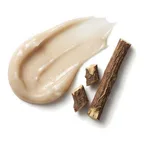 Licorice Root Extract
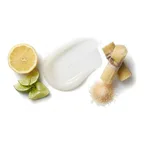 Alpha Hydroxy
Warning
- AverageCombination Skin Fit
- AverageEffectiveness
- WarningSafety
A poor match for acne-prone skin; the products alongside fit it better.
This fit is calculated for the concerns frequently associated with acne-prone skin: breakouts, blackheads, and post-acne marks. For scores and recommendations based on your full skin profile, including your 12D face scan results and any goals or preferences you have, please use the Lovi app.
Updated How the Fit score works
People Say
★4.3Overall rating based on 2.6k+ reviewsBased on a very large amount of data, users frequently praise this lotion for its ability to gradually fade dark spots on the body and even out skin tone while providing deep moisture. A significant number of reviewers note that the formula is very thick and requires effort to rub in, and results for hyperpigmentation often require consistent use over several weeks or months.
Highlights
Fades dark spots Mostly Mentioned
- “cleared my knees”
- “acne scars vanished”
- “elbows look lighter”
- “helped hyperpigmentation”
- “evened my complexion”
Deeply moisturizing Often Mentioned
- “skin feels soft”
- “great for dry skin”
- “very hydrating”
- “leaves skin smooth”
- “no more ashiness”
Thick consistency Often Mentioned
- “hard to rub in”
- “takes forever to absorb”
- “leaves white cast”
- “too thick”
- “heavy texture”
Good value Sometimes Noted
- “affordable price”
- “huge bottle”
- “worth the money”
- “great budget option”
- “lasts a long time”
Improves texture Sometimes Noted
- “skin looks radiant”
- “smoother texture”
- “glowy skin”
- “improves elasticity”
- “softer to touch”
Greasy residue Sometimes Noted
- “feels sticky”
- “makes me sweat”
- “oily film”
- “transfers to clothes”
- “too heavy for summer”
Slow results Sometimes Noted
- “took months to work”
- “no change yet”
- “requires patience”
- “slow progress”
- “didn't work for me”
Unpleasant scent Sometimes Noted
- “strong chemical smell”
- “scent is overpowering”
- “smells like medicine”
- “fragrance is too much”
- “lingering odor”
Sources: lovi.care, walmart.com, iherb.com, target.com, influenster.com, and more
Questions and answers
Why does Lovi advise against Skin Success Fade Milk for acne-prone skin?
Lovi advises against using this product on acne-prone skin because heavy oils and rich ingredients may clog pores and lead to breakouts. Body care for this skin type needs lightweight, oil-free hydrators and soothing ingredients that keep pores clear while maintaining moisture.
Which ingredients make this body lotion a poor fit for acne-prone skin?
This body lotion is a poor fit for acne-prone skin largely because it contains mineral oil and isopropyl myristate, which tend to clog pores and trigger breakouts. Acne-prone skin needs lightweight, non-clogging hydrators and gentle soothing ingredients instead of heavy oils.
What does Niacinamide do for acne-prone skin?
Niacinamide helps acne-prone skin by reducing both inflamed and uninflamed breakouts and calming redness. It is also very helpful for keeping oily skin balanced by cutting down on excess oil production, and it is well tolerated by most people.
What does Retinol do for acne-prone skin?
Retinol helps clear acne-prone skin by regulating cell growth and shedding to keep pores from clogging. It also helps calm redness and manage breakouts, though it may cause some dryness or scaling when you first start using it.
Giornale Italiano Di Dermatologia E Venereologia, 2020Journal of Drugs in Dermatology, 2022
Where does it go in a skincare routine for acne-prone skin?
This product is a poor match for acne-prone skin and is best avoided. A body lotion for this skin needs lightweight, non-clogging hydrators and gentle soothing ingredients that keep pores clear.
Can I use this body lotion with BHA, and in what order?
It is best to avoid using this body lotion on acne-prone skin, as it is a poor match and contains heavy ingredients that may clog pores and trigger breakouts. A product of this type needs lightweight, non-clogging hydrators and soothing ingredients to keep acne-prone skin clear and balanced.
How often should I use it?
This product is a poor match for acne-prone skin and is best avoided, as heavy oils and rich ingredients in this type of body care may clog pores and trigger breakouts.
Can this body lotion clog pores, cause breakouts or purging for acne-prone skin?
This body lotion is a poor match for acne-prone skin and may clog pores or trigger breakouts due to its thick consistency and heavy ingredients like mineral oil and isopropyl myristate. Acne-prone skin needs lightweight, non-greasy body products with ingredients that clear pores without leaving a heavy residue.
What the research says
Topical nicotinamide prevented solar-simulated UV-induced immunosuppression in healthy volunteers, and men experienced immunosuppression at solar-simulated UV doses three times lower than those required for women.
The Journal of Investigative Dermatology, 2008Topical 5% niacinamide applied twice daily for 12 weeks reduced fine lines and wrinkles, hyperpigmented spots, red blotchiness, and skin sallowness, and improved skin elasticity compared to vehicle control in 50 female white subjects with facial photoaging.
Dermatologic Surgery, 2005Topical 2% niacinamide significantly decreased sebum excretion rate in Japanese individuals and casual sebum levels in Caucasian individuals compared to placebo or baseline.
Journal of Cosmetic and Laser Therapy, 2006Topical bakuchiol 0.5% applied twice daily compared with retinol 0.5% applied daily significantly decreased wrinkle surface area and hyperpigmentation with no statistical difference between the compounds in 44 patients over 12 weeks, while retinol users reported more facial skin scaling and stinging.
The British Journal of Dermatology, 2019Topical 0.3% and 1% retinol comparably improved biomarkers of cutaneous photoageing in photoaged volunteers, while 0.3% retinol demonstrated better tolerance with fewer and milder adverse events compared to 1% retinol in a daily escalation regimen.
International Journal of Cosmetic Science, 2022Daily application of 0.3% and 0.5% retinol serums in 37 volunteers over 12 weeks reduced skin hyperpigmentation, unevenness, and wrinkles on both sides of the face, with the 0.5% concentration causing more frequent and intense skin irritation.
Skin Pharmacology and Physiology, 2020Topical application of 5% vitamin C cream significantly improved global clinical scores, increased skin microrelief density, and induced elastic tissue repair in photoaged skin compared to excipient control in healthy female volunteers.
Experimental Dermatology, 2003Topical application of VC-IP cream twice daily for 8 weeks reduces periorbital wrinkles in female subjects compared to a placebo cream.
Journal of Cosmetic Dermatology, 2022Topical treatment with 5% vitamin C and 0.1% madecassoside significantly improved clinical scores for wrinkles, suppleness, firmness, roughness, and skin hydration, along with functional and structural remodeling of the elastic fiber network in 20 female volunteers with photoaged skin after 6 months compared to baseline.
Experimental Dermatology, 2008Combining 755 nm alexandrite laser with topical licorice gel significantly reduces terminal hair counts compared to alexandrite laser with placebo in women with idiopathic hirsutism.
Evidence-based Complementary and Alternative Medicine, 2015Licochalcone A activated Nrf2 signaling, elevated cytoprotective enzymes, increased the reduced-to-oxidized glutathione ratio, and decreased reactive oxygen species in human fibroblasts and neutrophils, while a LicA-rich licorice extract lowered UVA-induced oxidative processes in vivo.
Experimental Dermatology, 2015Mesoporous silica nanoparticles entrapping licorice polysaccharide and coated with polydopamine showed 76% entrapment efficiency, 89% in vitro release at pH 5, increased sebocytes' cellular uptake, and mediated inflammatory response by inhibiting pro-inflammatory cytokines and regulating anti-inflammatory cytokines.
Carbohydrate Polymers, 2024Daily application of an antiaging cream containing 0.1% retinaldehyde, glycylglycine oleamide, and pre-tocopheryl is as effective as three sequential glycolic acid peels in reducing wrinkles and superior in refining skin texture in women with photoaging, with a 12-fold lower incidence of physical signs of adverse events.
Journal of Cosmetic Dermatology, 2018An antiaging skin care system containing alpha hydroxy acids and vitamins significantly improves wrinkle depth, skin roughness, and elasticity parameters in 52 volunteers compared to baseline over 21 days.
Clinical, Cosmetic and Investigational Dermatology, 2015Topical emulsions containing 2 and 10 wt% glycolic acid stabilized with long chain alkyl polyglucoside lowered skin surface pH to 5 and less in 24-hour and 7-day studies and inhibited Staphylococcus epidermidis growth without barrier impairment or irritation.
International Journal of Cosmetic Science, 2021
Ingredients
Water, Glycerin, Niacinamide, Paraffinum Liquidum Mineral Oil, Cetearyl Alcohol, Isopropyl Myristate, Stearyl Alcohol, Dimethicone, Glyceryl Stearate, Peg-100 Stearate, Ceteareth-20, Retinol, Tocopheryl Acetate, Ascorbyl Palmitate, Glycyrrhiza Glabra Root Extract Licorice Root Extract, Leuconostoc Radish Root Ferment Filtrate, Citric Acid, Phenoxyethanol, Butylene Glycol, Polysorbate 20, Hydroxypropyl Cyclodextrin, Caprylic Capric Triglyceride, Xanthan Gum, Lauryl Glucoside, Ethylhexylglycerin, Disodium Edta, Parfum, Hydroquinone, Padimate O, Vaccinium Myrtillus Leaf Extract Fruit, Citrus Aurantium Dulcis Fruit Extract, Lemon Fruit Extract, Sugar Maple Extract, Saccharum Officinarum Extract, Sodium Metabisulfite, Sodium Sulfite, Bht, Tbhq, Methylparaben, Propylparaben, Citronellol, Limonene, Linalool, Hydroxycitronellal, Butylphenyl Methylpropional, Alpha-Isomethyl Ionone
Behind this fit score
Lovi calculates every fit score from the full ingredient list with brand-independent rules our dermatologists and cosmetic chemists build and review, and personalizes every pick with AI trained on the real results of millions of users. Lovi trains its fit score models on a proprietary dataset built from more than 10,000 expert-labeled products and more than 100,000 simulated examples, following an internally consistent methodology presented at Cosmoprof, AMWC, and Skin of Color Update.
-

Co-founder, Medical Director
Cosmetic chemist, cosmetologist, aesthetic products developer
-

Co-founder, CEO and CTO
PhD in computer science, 3x US patent holder, ex-Google, ex-Yandex
-

Dr. Sofía Perea Pérez, MD, MSc
Medical Board
Aesthetic medicine practitioner, MSc in Longevity and Anti-Aging Medicine
-

Medical Board
Specialist dermatologist, MBBS, MD, IFAAD
-

Medical Board
Cosmetic chemist, SCS, IFSCC member
-

Medical Board, Medical Advisor
Dermatology MD
-

Elina Nazarenko, MD
Medical Board
Dermatology and diagnostic consultant
-

Victoria Derkova, MS
Medical Board
Cosmetic chemist, cosmetic development technologist


How does it fit your skin?
Scan your face, then any product: Lovi shows how well it fits you and what fits even better.