
Ole Henriksen Balancing Force Oil Control Toner for acne-prone skin

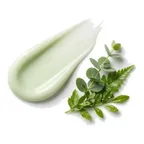 Green Fusion Complex
 Salicylic Acid
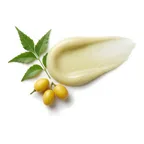 Neem Seed Oil
 Glycolic Acid
 Lactic Acid
Superior
- SuperiorCombination Skin Fit
- SuperiorEffectiveness
- ExcellentSafety
One of the best toners for acne-prone skin.
- Clinical, Cosmetic and Investigational Dermatology, 2019
- The Australasian Journal of Dermatology, 1992
This fit is calculated for the concerns frequently associated with acne-prone skin: breakouts, blackheads, and post-acne marks. For scores and recommendations based on your full skin profile, including your 12D face scan results and any goals or preferences you have, please use the Lovi app.
Updated How the Fit score works
Lovi Assistant explains
- Excellent suitability for your combination skin and acne concerns is provided by gluconolactone, glycolic acid, lactic acid, and salicylic acid, which effectively decongest pores, smooth texture, and control oil production.
- Glycerin and Camellia Sinensis Leaf Extract offer hydration and soothing benefits, complementing the exfoliating acids for balanced results.
- The formula is safe for your acne-prone skin, featuring Witch Hazel Water and Camellia Sinensis Leaf Extract to minimize irritation risks.
How to apply
- You can use this exfoliating toner in your PM routine. Start by using it 1 time per week and increase slowly if your skin is happy.
- Apply your exfoliating toner right after cleansing and before your moisturizing steps. This helps your skin stay clean and clear.
- Gently press 2-3 drops of the exfoliating toner into your skin with your hands. Avoid rubbing to keep your face calm.
- Apply the exfoliating toner on clean and dry skin for the best comfort. Let it dry for a minute ⏱ before moving on.
- Always do a patch test before your first use and avoid putting the product too close to your eyes.
People Say
★3.7Overall rating based on 100+ reviewsBased on limited data, this toner was a favorite for very oily and acne-prone skin, effectively controlling oil and clearing pores. However, it was often too harsh, drying, and heavily fragranced for sensitive or combination skin types.
Highlights
Excellent oil control Mostly Mentioned
- “keeps oils at bay”
- “instantly mattifies”
- “controls shine all day”
Pore & acne clearing Often Mentioned
- “cleared all blackheads”
- “refines pores”
- “helps clear up acne”
Overpowering scent Often Mentioned
- “smells like insecticide”
- “strong eucalyptus scent”
- “smells like DEET”
Strong sensation Often Mentioned
- “stings a little”
- “burns upon application”
- “unbearably irritating”
Deep cleaning Sometimes Noted
- “removes residual dirt”
- “skin feels squeaky clean”
- “purifies skin”
Refreshing sensation Sometimes Noted
- “feels refreshing”
- “cooling effect”
- “invigorated skin”
Drying/Stripping Sometimes Noted
- “stripped my skin”
- “made me more oily”
- “tight dry feeling”
Sticky residue Rarely Noted
- “weird residue”
- “sticky finish”
- “tacky feeling”
Sources: lovi.care, skinsort.com, influenster.com, reddit.com, totalbeauty.com, walmart.com, and more
Questions and answers
What makes Ole Henriksen Balancing Force Oil Control Toner one of the best fits for acne-prone skin?
This toner is a great fit for your acne-prone skin because its blend of glycolic acid, salicylic acid, lactic acid, and gluconolactone deeply clears out pores, smooths out rough texture, and keeps oil in check. Glycerin and green tea extract add soothing hydration to balance the strong exfoliating acids, while witch hazel helps keep irritation low.
Clinical, Cosmetic and Investigational Dermatology, 2019The Australasian Journal of Dermatology, 1992
Which ingredients make this toner a good fit for acne-prone skin?
Gluconolactone, glycolic acid, lactic acid, and salicylic acid make this toner a great fit because they effectively clear out pores, smooth rough texture, and control oil production. Glycerin and green tea extract also help by providing hydration and calming benefits to keep your skin balanced.
Clinical, Cosmetic and Investigational Dermatology, 2019The Australasian Journal of Dermatology, 1992
What does Green Fusion Complex do for acne-prone skin?
Green Fusion Complex helps calm acne-prone skin by targeting blemish-causing bacteria and reducing redness and swelling. Plant-based ingredients like green tea and other botanical extracts are shown to significantly decrease both red bumps and clogged pores over several weeks.
Phytotherapy Research, 2021The Journal of Dermatological Treatment, 2021
What does Salicylic Acid do for acne-prone skin?
Salicylic acid helps clear acne-prone skin by reducing pimples and calming redness. It works by diving deep into pores to clear out trapped oil and dead skin, making breakouts less likely to return.
Journal of Cosmetic Dermatology, 2024Journal of Drugs in Dermatology, 2023
Where does this toner go in a skincare routine for acne-prone skin?
This exfoliating toner fits into an acne-prone skin routine in the evening after cleansing, starting at once a week. People who tolerate it well and see good results may carefully use it more often.
Can I use this toner with retinol, and in what order?
You can use this exfoliating toner with retinol by using them on alternate nights to help prevent excessive dryness or irritation. When using them in the same routine, apply the toner first to clean skin, let it dry completely, and follow with your retinol product.
How often should I use this toner?
Start using this exfoliating toner just once a week, and if your skin tolerates it well and you see good results, you can carefully use it more often. This gentle approach helps prevent irritation while giving the acids time to clear pores and control oil.
Can this toner clog pores, cause breakouts or purging for acne-prone skin?
This toner is one of the best fits for acne-prone skin because its exfoliating acids deeply clean pores, smooth texture, and control oil without causing issues. While the formula is safe and helps calm skin, the strong acids may occasionally cause some initial purging as your skin clears out.
Clinical, Cosmetic and Investigational Dermatology, 2019The Australasian Journal of Dermatology, 1992
What the research says
Glycolic acid, salicylic acid, gluconolactone, and licochalcone A combined with 0.1% adapalene showed no hindrance compared to adapalene monotherapy and provided benefits in reducing complications in 25 subjects with mild-to-moderate acne vulgaris.
Clinical, Cosmetic and Investigational Dermatology, 2019Gluconolactone 14% solution significantly improved mild to moderate acne by reducing inflamed and non-inflamed lesions similarly to 5% benzoyl peroxide, but with fewer side-effects in 150 patients.
The Australasian Journal of Dermatology, 1992Combining 10% gluconolactone chemical peeling with oxybrasion or microneedle mesotherapy increased skin hydration and decreased sebum, pH, and TEWL in twenty-one Caucasian women, with no significant differences between the two methods.
Skin Research and Technology, 2023An anti-acne hydrogel containing Aloe barbadensis, Garcinia mangostana, and Camellia sinensis extracts showed superior antiacne and antiblotch activities compared to 1% clindamycin gel in sixty subjects with mild-moderate acne.
Clinical, Cosmetic and Investigational Dermatology, 2019Hamamelis bark proanthocyanidins strongly increased the proliferation of cultured human keratinocytes and reduced transepidermal water loss and erythema formation in SLS-irritated skin, whereas the polysaccharide fraction had no effect.
Phytochemistry, 2001A moisturizer containing licochalcone A, 1,2-decanediol, L-carnitine, and salicylic acid significantly reduced noninflammatory, inflammatory, and total acne lesion counts compared to a vehicle control in Thai patients during a 12-week maintenance phase.
BioMed Research International, 2020Treatment with 2% supramolecular salicylic acid hydrogel resulted in a regression and markedly improvement rate of 51.01% compared to 43.10% for Adapaline gel in patients with mild to moderate facial acne vulgaris, showing no significant difference in efficacy.
Journal of Cosmetic Dermatology, 2024Topical 5% benzoyl peroxide plus salicylic acid achieved the greatest lesion reduction at early 2 to 4 week time points compared to benzoyl peroxide, clindamycin, and combination benzoyl peroxide/clindamycin, while 5% benzoyl peroxide plus salicylic acid and combination benzoyl peroxide/clindamycin showed similar efficacy at 10 to 12 weeks in acne patients.
Journal of the American Academy of Dermatology, 2010Neem oil loaded phospholipid vesicles modified with argan oil protected keratinocytes and fibroblasts from hydrogen peroxide-induced oxidative stress and improved cell proliferation and migration to promote wound healing compared to untreated cells.
Antioxidants, 2021Serial glycolic acid peels combined with a modified Kligman formula significantly reduced facial PIH severity in Indian patients compared to the modified Kligman formula alone.
Dermatologic Surgery, 2017Short contact therapy with a tretinoin, clindamycin, and glycolic acid gel significantly improved skin tolerability and reduced acne severity scores compared to standard application therapy in patients with mild-to-moderate acne.
Dermatologic Therapy, 2021Application of a cream containing lactic acid 12% and pramoxine HCl 1% significantly improved skin dryness, hydration, and itch compared with a nontreated control in 24 women with a history of dry itchy skin.
Cutis, 2004A lactic acid/ceramide lotion significantly improved skin moisturization and desquamation compared to no treatment in women with dry, rough skin on the anterior shins.
The Journal of Clinical and Aesthetic Dermatology, 2020Treatment with 12% lactic acid increased epidermal and dermal firmness and thickness and improved skin smoothness and wrinkles compared to baseline, whereas 5% lactic acid induced clinical and epidermal changes without dermal changes.
Journal of the American Academy of Dermatology, 1996
Ingredients
Water, Polysorbate 20, Witch Hazel Water, Glycerin, Gluconolactone, Glycolic Acid, Lactic Acid, Oleth-20, Salicylic Acid, Sodium Hydroxide, Sodium Benzoate, Menthyl Lactate, Eucalyptus Globulus Oil Leaf, Peppermint Oil, Melia Azadirachta Seed Oil, Linoleic Acid, Macrocystis Pyrifera Extract Kelp Extract, Eucalyptus Globulus Leaf Extract, Chondrus Crispus Extract, Camellia Sinensis Leaf Extract, Linolenic Acid, Phenoxyethanol, Calcium Gluconate, Benzoic Acid, Tocopherol Vitamin E, Limonene
Behind this fit score
Lovi calculates every fit score from the full ingredient list with brand-independent rules our dermatologists and cosmetic chemists build and review, and personalizes every pick with AI trained on the real results of millions of users. Lovi trains its fit score models on a proprietary dataset built from more than 10,000 expert-labeled products and more than 100,000 simulated examples, following an internally consistent methodology presented at Cosmoprof, AMWC, and Skin of Color Update.
-

Co-founder, Medical Director
Cosmetic chemist, cosmetologist, aesthetic products developer
-

Co-founder, CEO and CTO
PhD in computer science, 3x US patent holder, ex-Google, ex-Yandex
-

Dr. Sofía Perea Pérez, MD, MSc
Medical Board
Aesthetic medicine practitioner, MSc in Longevity and Anti-Aging Medicine
-

Medical Board
Specialist dermatologist, MBBS, MD, IFAAD
-

Medical Board
Cosmetic chemist, SCS, IFSCC member
-

Medical Board, Medical Advisor
Dermatology MD
-

Elina Nazarenko, MD
Medical Board
Dermatology and diagnostic consultant
-

Victoria Derkova, MS
Medical Board
Cosmetic chemist, cosmetic development technologist


How does it fit your skin?
Scan your face, then any product: Lovi shows how well it fits you and what fits even better.