
Neutrogena Deep Clean Purifying Clay Cleanser/Mask for acne-prone skin

 Salicylic Acid
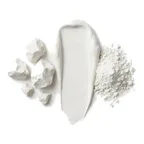 Kaolin
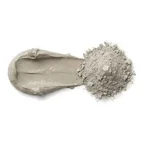 Bentonite
 Glycerin
 Glycolic Acid
Average
- HighCombination Skin Fit
- AverageEffectiveness
- ExcellentSafety
Works for acne-prone skin; other cleansing masks fit it better.
This fit is calculated for the concerns frequently associated with acne-prone skin: breakouts, blackheads, and post-acne marks. For scores and recommendations based on your full skin profile, including your 12D face scan results and any goals or preferences you have, please use the Lovi app.
Updated How the Fit score works
Lovi Assistant explains
- Offers moderate exfoliation and oil absorption for your combination skin, as salicylic acid and kaolin clay work to clear pores and manage excess sebum. Glycerin and panthenol provide some hydration and soothing, but the formula lacks specialized ingredients to directly target your acne, blemishes, and breakouts.
- The cleansing action is effective due to the presence of bentonite clay, which helps to purify the skin and absorb impurities.
- The product is safe for your acne-prone skin, with no harsh ingredients and the inclusion of soothing panthenol.
How to apply
- Use this cleansing mask during your PM weekly routine. Start 1x/week and increase if your skin tolerates it well.
- Apply this cleansing mask after using your pre-cleanser and cleanser , and before your hydrating toner.
- Spread an even layer of the cleansing mask over your face , avoiding any rubbing to protect your skin.
- Apply the cleansing mask to clean and dry skin to help clear up your blemishes effectively.
- Avoid the eye area and do a patch test before your first use.
People Say
★4.4Overall rating based on 1.3k+ reviewsBased on a very large amount of data, users with oily and acne-prone skin frequently praise this 2-in-1 cleanser and mask for its deep pore cleansing and breakout reduction capabilities. A moderate number of users appreciate the refreshing cooling sensation and acne-fighting properties, with some noting it softens skin texture. Conversely, a low to moderate number of users with sensitive skin report irritation, burning, and dryness, while a moderate number find the scent overpowering and a low number experience difficulty rinsing or report it caused breakouts.
Highlights
Effective deep cleaning Mostly Mentioned
- “removes oil”
- “unclogs pores”
- “feels fresh”
Versatile 2-in-1 Often Mentioned
- “convenient”
- “time-saving”
- “multi-use”
Helps with acne Sometimes Noted
- “reduces breakouts”
- “clears congestion”
- “treats body acne”
Refreshing cooling Sometimes Noted
- “tingly feel”
- “wakes up skin”
- “menthol effect”
Softens skin Sometimes Noted
- “smooth finish”
- “healthy look”
- “non-stripping”
Drying/Stripping Sometimes Noted
- “dry patches”
- “tight skin”
- “requires heavy moisturizer”
Skin irritation Sometimes Noted
- “chemical burns”
- “stinging”
- “redness”
- “sensitive skin reaction”
Strong scent Sometimes Noted
- “menthol smell”
- “overpowering fragrance”
- “chemical odor”
Caused breakouts Rarely Noted
- “purging”
- “cystic flare-ups”
- “bad reaction”
Difficult to rinse Rarely Noted
- “residue left”
- “requires scrubbing”
- “messy removal”
Sources: lovi.care, influenster.com, neutrogena.com, beautycrew.com.au, woolworths.com.au, reddit.com, and more
Questions and answers
How well does Neutrogena Deep Clean Purifying Clay Cleanser/Mask work for acne-prone skin?
Neutrogena Deep Clean Purifying Clay Cleanser/Mask works moderately well for acne-prone skin by clearing pores and absorbing excess oil with salicylic acid and clays, though it lacks specialized ingredients to directly target breakouts. A product of this type needs high-quality acne-fighting ingredients like zinc oxide or niacinamide along with soothing and hydrating agents to fully address blemishes without causing imbalance.
Journal of Cosmetic Dermatology, 2025American Journal of Clinical Dermatology, 2002
Which ingredients make this cleanser a good fit for acne-prone skin?
Salicylic acid, kaolin, and bentonite clay make this cleanser a good fit because they clear pores, manage excess oil, and purify the skin. To work best for acne-prone skin, this type of product also needs targeted acne-fighting ingredients like zinc oxide or niacinamide.
What does Salicylic Acid do for acne-prone skin?
Salicylic acid helps clear acne-prone skin by reducing pimples and calming redness. It works by diving deep into pores to clear out trapped oil and dead skin, making breakouts less likely to return.
Journal of Cosmetic Dermatology, 2024Journal of Drugs in Dermatology, 2023
What does Kaolin Clay do for acne-prone skin?
Kaolin clay helps absorb excess oil and calms redness in acne-prone skin with a strong safety profile. Using a clay mask twice a week may improve acne and skin evenness while keeping dryness under control.
Skin Research and Technology, 2023Archives of Dermatological Research, 2024
Where does it go in a skincare routine for acne-prone skin?
This cleansing mask is used once a week as part of a weekly routine after an enzyme powder and before a hydrating toner. A product of this type for acne-prone skin needs specialized blemish-targeting ingredients and soothing agents to effectively manage breakouts.
Journal of Cosmetic Dermatology, 2025American Journal of Clinical Dermatology, 2002
Can I use this cleanser with retinol, and in what order?
You can use this cleansing mask in your weekly routine alongside retinol, but avoid using them on the same night to prevent excessive irritation. Use this mask on your weekly masking day, and apply your retinol on designated treatment nights instead.
How often should I use it?
Use this cleansing mask once a week as part of your weekly routine. This frequency helps clear pores and absorb oil safely without overwhelming your skin, as a product of this type needs to balance exfoliating ingredients with soothing care.
Journal of Cosmetic Dermatology, 2025American Journal of Clinical Dermatology, 2002
Can this cleanser clog pores, cause breakouts or purging for acne-prone skin?
This cleansing mask is unlikely to clog pores and is generally safe for acne-prone skin because it contains oil-absorbing clays and exfoliating acids that help clear out impurities. However, because it lacks specialized ingredients to directly target breakouts and may cause moderate dryness or skin irritation for some users, acne-prone skin often does better with a product that also includes targeted blemish-fighting and deeply soothing ingredients.
Journal of Cosmetic Dermatology, 2025American Journal of Clinical Dermatology, 2002
Is it fragrance-free and alcohol-free?
Yes, it has no fragrance and no drying alcohol.
What the research says
Topical dexpanthenol acts as a moisturizer, improves stratum corneum hydration, accelerates wound healing and epidermal regeneration, reduces erythema, and improves symptoms of skin irritation compared to vehicle or no pretreatment.
American Journal of Clinical Dermatology, 2002A new topical panthenol-containing emollient significantly improved transepidermal water loss reduction, stratum corneum hydration, and intercellular lipid lamellae length compared with control in healthy subjects without negatively impacting bacterial viability.
The Journal of Dermatological Treatment, 2017A bentonite-based facial mask with Alcea sulphurea extract combined with oral azithromycin significantly reduced total lesion count and acne severity index while enhancing patient satisfaction in patients with moderate acne compared to placebo plus azithromycin over 8 weeks.
Journal of Cosmetic Dermatology, 2025A moisturizer containing licochalcone A, 1,2-decanediol, L-carnitine, and salicylic acid significantly reduced noninflammatory, inflammatory, and total acne lesion counts compared to a vehicle control in Thai patients during a 12-week maintenance phase.
BioMed Research International, 2020Treatment with 2% supramolecular salicylic acid hydrogel resulted in a regression and markedly improvement rate of 51.01% compared to 43.10% for Adapaline gel in patients with mild to moderate facial acne vulgaris, showing no significant difference in efficacy.
Journal of Cosmetic Dermatology, 2024Topical 5% benzoyl peroxide plus salicylic acid achieved the greatest lesion reduction at early 2 to 4 week time points compared to benzoyl peroxide, clindamycin, and combination benzoyl peroxide/clindamycin, while 5% benzoyl peroxide plus salicylic acid and combination benzoyl peroxide/clindamycin showed similar efficacy at 10 to 12 weeks in acne patients.
Journal of the American Academy of Dermatology, 2010Vectorization of high molecular weight hyaluronic acid with clay enabled its penetration into deeper skin layers and led to a significant clinical reduction in fine lines in the crow's feet area compared to placebo after 28 days.
Skin Research and Technology, 2024Twice-weekly use of a clay mask over 4 weeks in 75 adults with oily or combination skin improved acne-related outcomes, sebum content, skin evenness, hydration, and reduced dryness and irritation.
Skin Research and Technology, 2023Palygorskite clay as a nanocarrier for tea tree oil achieved efficient loading, reduced acute contact toxicity, targeted antimicrobial effects against dermal pathogens, and pronounced clinical efficacy in treating facial acne compared to unformulated oil.
International Journal of Pharmaceutics, 2022Clay jojoba oil facial masks reduced total skin lesions by a mean of 54% after 6 weeks in 133 participants with acne-prone, lesioned skin and mild acne compared to baseline.
Forschende Komplementarmedizin, 2012A novel water-in-oil emulsion with a lecithin-modified bentonite prevented epidermal degradation and inflammatory protein secretion induced by urban dust and cedar pollen more effectively than a conventional water-in-oil emulsion in a reconstructed human epidermis model.
International Journal of Cosmetic Science, 2020Topical clay application increased the number of collagen fibres in rat skin at 7 days compared with control skin (51.74% vs. 43.39%), but showed no further increase at 14 days.
Clinical and Experimental Dermatology, 2012A single application of a moisturizing fluid containing hyaluronic acid 1%, glycerin 5%, and Centella asiatica stem cells extract significantly increased skin hydration by 29% and reduced transepidermal water loss at 24 hours compared to baseline and an untreated control site in twenty healthy women.
Clinical, Cosmetic and Investigational Dermatology, 2017The emollient V0034CR significantly reduced TEWL compared to vehicle and vehicle plus glycerol, and significantly increased corneometry scores compared to vehicle and vehicle plus petrolatum in healthy volunteers with dry skin, demonstrating combined barrier function improvement from petrolatum and hydration improvement from glycerol.
Journal of Cosmetic Dermatology, 2020Ten days of treatment with a cream containing 20% glycerin significantly increased skin hydration measured by corneometer values in 17 healthy volunteers compared to a placebo cream, but showed no influence on transepidermal water loss or skin sensitivity to an irritating surfactant.
International Journal of Cosmetic Science, 2001Serial glycolic acid peels combined with a modified Kligman formula significantly reduced facial PIH severity in Indian patients compared to the modified Kligman formula alone.
Dermatologic Surgery, 2017Short contact therapy with a tretinoin, clindamycin, and glycolic acid gel significantly improved skin tolerability and reduced acne severity scores compared to standard application therapy in patients with mild-to-moderate acne.
Dermatologic Therapy, 2021
Why other cleansing masks fit acne-prone skin better
An anti-acne hydrogel containing Aloe barbadensis, Garcinia mangostana, and Camellia sinensis extracts showed superior antiacne and antiblotch activities compared to 1% clindamycin gel in sixty subjects with mild-moderate acne.
Clinical, Cosmetic and Investigational Dermatology, 2019Co-delivery of paeonol and madecassoside via nanoemulsions improved transdermal delivery, promoted barrier repair proteins, inhibited inflammatory cytokine secretion in cellular and 3D models, and reduced transepidermal water loss and acne in human facial skin compared to free components.
Molecules, 2023
Ingredients
Water, Glycerin, Kaolin, Bentonite, Sodium Methyl Cocoyl Taurate, Trideceth-9, Peg-5 Ethylhexanoate, Xanthan Gum, Glycolic Acid, Citric Acid, Menthyl Lactate, Panthenol, Salicylic Acid, Sodium Hydroxide, Sodium Citrate, Disodium Edta, Titanium Dioxide, Green 3
Behind this fit score
Lovi calculates every fit score from the full ingredient list with brand-independent rules our dermatologists and cosmetic chemists build and review, and personalizes every pick with AI trained on the real results of millions of users. Lovi trains its fit score models on a proprietary dataset built from more than 10,000 expert-labeled products and more than 100,000 simulated examples, following an internally consistent methodology presented at Cosmoprof, AMWC, and Skin of Color Update.
-

Co-founder, Medical Director
Cosmetic chemist, cosmetologist, aesthetic products developer
-

Co-founder, CEO and CTO
PhD in computer science, 3x US patent holder, ex-Google, ex-Yandex
-

Dr. Sofía Perea Pérez, MD, MSc
Medical Board
Aesthetic medicine practitioner, MSc in Longevity and Anti-Aging Medicine
-

Medical Board
Specialist dermatologist, MBBS, MD, IFAAD
-

Medical Board
Cosmetic chemist, SCS, IFSCC member
-

Medical Board, Medical Advisor
Dermatology MD
-

Elina Nazarenko, MD
Medical Board
Dermatology and diagnostic consultant
-

Victoria Derkova, MS
Medical Board
Cosmetic chemist, cosmetic development technologist


How does it fit your skin?
Scan your face, then any product: Lovi shows how well it fits you and what fits even better.