
Neogen Dermalogy A-Clear Toner for acne-prone skin

 Salicylic Acid
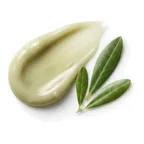 Oil Tree Leaf
 Glycolic Acid
 Centella Asiatica Extract
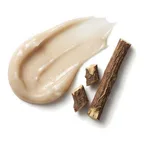 Licorice Root Extract
High
- HighCombination Skin Fit
- HighEffectiveness
- HighSafety
A great choice for acne-prone skin; a few toners fit it even better.
This fit is calculated for the concerns frequently associated with acne-prone skin: breakouts, blackheads, and post-acne marks. For scores and recommendations based on your full skin profile, including your 12D face scan results and any goals or preferences you have, please use the Lovi app.
Updated How the Fit score works
Lovi Assistant explains
- Highly suitable for your combination, acne-prone skin as salicylic acid and glycolic acid work synergistically to deeply exfoliate and decongest pores, while melaleuca alternifolia tree oil offers antimicrobial benefits.
- Capryloyl salicylic acid and guaiazulene further target blemishes and provide anti-inflammatory effects, complementing the primary exfoliating agents.
- The formula is safe for your skin, containing no harsh or irritating ingredients.
Buy online

Prices checked 20 Nov 2026
The Lovi Fit is the same in every country; only the stores and prices differ, and the ones here are for India.
How to apply
- You can use this exfoliating toner in your PM routine. Start by using it 1 time per week and increase slowly if your skin is happy.
- Apply your exfoliating toner right after cleansing and before your moisturizing steps. This helps your skin stay clean and clear.
- Gently press 2-3 drops of the exfoliating toner into your skin with your hands. Avoid rubbing to keep your face calm.
- Apply the exfoliating toner on clean and dry skin for the best comfort. Let it dry for a minute ⏱ before moving on.
- Always do a patch test before your first use and avoid putting the product too close to your eyes.
People Say
★4.0Overall rating based on 100+ reviewsBased on limited user data, this toner is described as a lightweight, non-sticky liquid that effectively balances sebum and hydrates without irritation. It is primarily recommended for sensitive and acne-prone skin, with users noting its ability to soothe redness and prep the skin, though opinions on its scent are mixed.
Highlights
Lightweight texture Often Mentioned
- “absorbs smoothly”
- “non-sticky”
- “light tonic water texture”
- “cairan bening seperti air”
Soothing and calming Often Mentioned
- “excellent for soothing sensitive skin”
- “calm irritated skin”
- “no stinging or itching”
- “leaves skin plumped”
Availability issues Often Mentioned
- “hard to find”
- “out of stock”
- “possibly discontinued”
Sebum control Sometimes Noted
- “regulate sebum production”
- “lift remaining dirt”
- “balances skin's sebum”
Medicinal scent Sometimes Noted
- “smells like tonic”
- “hesitant because of the smell”
- “herbal scent”
Mild effectiveness Rarely Noted
- “didn't feel benefits besides hydration”
- “doesn't recommend”
Sources: lovi.care, ipsy.com, reviews.femaledaily.com, neogenlab.us, yesstyle.com, and more
Questions and answers
What makes Neogen Dermalogy A-Clear Toner a great fit for acne-prone skin?
This toner is a great fit because salicylic acid and glycolic acid deeply exfoliate and clear out pores, while tree oil helps fight blemish-causing microbes. Additional ingredients like capryloyl salicylic acid and guaiazulene target breakouts and help calm redness.
Journal of Drugs in Dermatology, 2013BioMed Research International, 2020
Which ingredients make this toner a good fit for acne-prone skin?
Salicylic acid and glycolic acid make this toner a great fit because they deeply clean out pores, while tea tree oil helps fight blemishes and calm the skin. The formula is safe and unlikely to irritate acne-prone skin.
Journal of Drugs in Dermatology, 2013BioMed Research International, 2020
What does Salicylic Acid do for acne-prone skin?
Salicylic acid helps clear acne-prone skin by reducing pimples and calming redness. It works by diving deep into pores to clear out trapped oil and dead skin, making breakouts less likely to return.
Journal of Cosmetic Dermatology, 2024Journal of Drugs in Dermatology, 2023
What does Tea Tree Leaf Oil do for acne-prone skin?
Tea tree leaf oil helps clear up acne and reduces pimples by fighting bacteria and calming redness in acne-prone skin. It may work a bit slower than some harsh treatments, but it generally causes fewer side effects.
Indian Journal of Dermatology, Venereology and Leprology, 2007Clinical Microbiology Reviews, 2006
Where does this toner go in a skincare routine for acne-prone skin?
This exfoliating toner goes in the evening routine after cleansing. Lovi routines start exfoliating steps once a week, and people who tolerate them well and see good results may carefully use them more often.
Can I use this toner with retinol, and in what order?
You can use this toner with retinol, but it is best to apply them on alternate nights or separate times of day to help prevent irritation. Because both ingredients are strong, separating them is a safe way to keep your skin calm while clearing pores.
How often should I use this toner?
Start using this exfoliating toner once a week, and if your skin feels comfortable and you see good results, you can carefully use it more often. Salicylic acid and glycolic acid help deeply clear pores and target breakouts while keeping the skin safe from irritation.
Can this toner clog pores, cause breakouts or purging for acne-prone skin?
This toner is unlikely to clog pores or cause breakouts because it has a great fit for your skin, featuring salicylic acid and glycolic acid to clear out pores and tree oil for antimicrobial benefits. It has a safe formula with no harsh ingredients, making it well-suited to help manage acne-prone skin.
Journal of Drugs in Dermatology, 2013BioMed Research International, 2020
Is this toner fragrance-free and alcohol-free?
Yes, it has no fragrance and no drying alcohol.
What the research says
A moisturizer containing licochalcone A, 1,2-decanediol, L-carnitine, and salicylic acid significantly reduced noninflammatory, inflammatory, and total acne lesion counts compared to a vehicle control in Thai patients during a 12-week maintenance phase.
BioMed Research International, 2020Treatment with 45% mandelic acid peel showed nearly equal overall efficacy as 30% salicylic acid peel in patients with mild-to-moderate facial acne vulgaris, but with fewer adverse effects.
Journal of Cosmetic Dermatology, 2020Glycolic acid, salicylic acid, gluconolactone, and licochalcone A combined with 0.1% adapalene showed no hindrance compared to adapalene monotherapy and provided benefits in reducing complications in 25 subjects with mild-to-moderate acne vulgaris.
Clinical, Cosmetic and Investigational Dermatology, 2019A novel composition containing salicylic acid, capryloyl salicylic acid, HEPES, glycolic acid, citric acid, and dioic acid showed similar tolerance and efficacy compared with clindamycin 1% and benzoyl peroxide 5% gel in subjects with acne vulgaris.
Journal of Drugs in Dermatology, 2013Daily treatment with a facial serum containing multiple acids reduced post-inflammatory hyperchromia lesion grade and number by 29.4% at 56 days, and decreased skin oiliness by 30.7% at 7 days in Brazilian patients with acne vulgaris.
Journal of Cosmetic Dermatology, 2021Treatment with 2% supramolecular salicylic acid hydrogel resulted in a regression and markedly improvement rate of 51.01% compared to 43.10% for Adapaline gel in patients with mild to moderate facial acne vulgaris, showing no significant difference in efficacy.
Journal of Cosmetic Dermatology, 2024Topical 5% benzoyl peroxide plus salicylic acid achieved the greatest lesion reduction at early 2 to 4 week time points compared to benzoyl peroxide, clindamycin, and combination benzoyl peroxide/clindamycin, while 5% benzoyl peroxide plus salicylic acid and combination benzoyl peroxide/clindamycin showed similar efficacy at 10 to 12 weeks in acne patients.
Journal of the American Academy of Dermatology, 2010Post-peel application of either topical tretinoin (0.25%) or retinol (0.25%) after a 30% salicylic acid peel effectively improves signs of photodamage compared to baseline in female subjects, with tretinoin performing slightly better than retinol in texture, roughness, and overall appearance at week 4.
Journal of Drugs in Dermatology, 2016Topical oleuropein formulations reduced erythema, transepidermal water loss, and blood flow by approximately 22%, 35%, and 30% in healthy volunteers with UVB-induced erythema.
International Journal of Cosmetic Science, 2008An oil-in-serum formulation containing olive extract standardized in hydroxytyrosol improved skin barrier function and significantly reduced hyperpigmentation in participants with post-inflammatory hyperpigmentation after 45 days of application.
AAPS PharmSciTech, 2026Treatment with hydroxytyrosol extracted from olive fruits protects human keratinocytes and fibroblasts from LED-BL-induced damage compared to untreated controls.
Journal of Cellular Physiology, 2019Serial glycolic acid peels combined with a modified Kligman formula significantly reduced facial PIH severity in Indian patients compared to the modified Kligman formula alone.
Dermatologic Surgery, 2017Short contact therapy with a tretinoin, clindamycin, and glycolic acid gel significantly improved skin tolerability and reduced acne severity scores compared to standard application therapy in patients with mild-to-moderate acne.
Dermatologic Therapy, 2021A single application of a moisturizing fluid containing hyaluronic acid 1%, glycerin 5%, and Centella asiatica stem cells extract significantly increased skin hydration by 29% and reduced transepidermal water loss at 24 hours compared to baseline and an untreated control site in twenty healthy women.
Clinical, Cosmetic and Investigational Dermatology, 2017Topical treatment with 5% vitamin C and 0.1% madecassoside significantly improved clinical scores for wrinkles, suppleness, firmness, roughness, and skin hydration, along with functional and structural remodeling of the elastic fiber network in 20 female volunteers with photoaged skin after 6 months compared to baseline.
Experimental Dermatology, 2008Treatment with an asiaticoside-containing cream applied twice daily for 12 weeks significantly improved periorbital wrinkles in 65% of 27 female volunteers compared to a vehicle control cream.
International Journal of Cosmetic Science, 2008Combining 755 nm alexandrite laser with topical licorice gel significantly reduces terminal hair counts compared to alexandrite laser with placebo in women with idiopathic hirsutism.
Evidence-based Complementary and Alternative Medicine, 2015Licochalcone A activated Nrf2 signaling, elevated cytoprotective enzymes, increased the reduced-to-oxidized glutathione ratio, and decreased reactive oxygen species in human fibroblasts and neutrophils, while a LicA-rich licorice extract lowered UVA-induced oxidative processes in vivo.
Experimental Dermatology, 2015Mesoporous silica nanoparticles entrapping licorice polysaccharide and coated with polydopamine showed 76% entrapment efficiency, 89% in vitro release at pH 5, increased sebocytes' cellular uptake, and mediated inflammatory response by inhibiting pro-inflammatory cytokines and regulating anti-inflammatory cytokines.
Carbohydrate Polymers, 2024
Ingredients
Water, Lauryl Hydroxysultaine, Sodium Chloride, Acrylates Copolymer, Potassium Cocoyl Glycinate, Disodium Cocoamphodiacetate, Sodium Methyl Cocoyl Taurate, Potassium Cocoate, Salicylic Acid, Sodium Benzoate, Melaleuca Alternifolia Tree Oil Leaf, Hexylene Glycol, Disodium Edta, Citric Acid, Guaiazulene, Gluconolactone, Calamine, Panthenol, Capryloyl Salicylic Acid, Glycyrrhiza Glabra Root Extract Licorice Root Extract, Glycolic Acid, Butylene Glycol, 1,2-Hexanediol, Camellia Sinensis Leaf Extract, Centella Asiatica Extract, Madecassoside, Melaleuca Alternifolia Tree Leaf Extract
Behind this fit score
Lovi calculates every fit score from the full ingredient list with brand-independent rules our dermatologists and cosmetic chemists build and review, and personalizes every pick with AI trained on the real results of millions of users. Lovi trains its fit score models on a proprietary dataset built from more than 10,000 expert-labeled products and more than 100,000 simulated examples, following an internally consistent methodology presented at Cosmoprof, AMWC, and Skin of Color Update.
-

Co-founder, Medical Director
Cosmetic chemist, cosmetologist, aesthetic products developer
-

Co-founder, CEO and CTO
PhD in computer science, 3x US patent holder, ex-Google, ex-Yandex
-

Dr. Sofía Perea Pérez, MD, MSc
Medical Board
Aesthetic medicine practitioner, MSc in Longevity and Anti-Aging Medicine
-

Medical Board
Specialist dermatologist, MBBS, MD, IFAAD
-

Medical Board
Cosmetic chemist, SCS, IFSCC member
-

Medical Board, Medical Advisor
Dermatology MD
-

Elina Nazarenko, MD
Medical Board
Dermatology and diagnostic consultant
-

Victoria Derkova, MS
Medical Board
Cosmetic chemist, cosmetic development technologist


How does it fit your skin?
Scan your face, then any product: Lovi shows how well it fits you and what fits even better.