
Murad Multi-Vitamin Infusion Oil for skin with dark spots

 Tetrahexyldecyl Ascorbate
 Retinyl Propionate
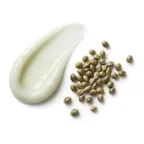 Cannabis Sativa Seed Oil
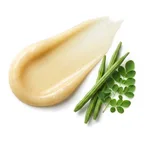 Moringa Oleifera Seed Oil
 Tocopherol
Average
- HighNormal Skin Fit
- AverageEffectiveness
- HighSafety
Works for skin with dark spots; other moisturizers fit it better.
This fit is calculated for the concerns frequently associated with dark spots: hyperpigmentation, sun spots, and uneven skin tone. For scores and recommendations based on your full skin profile, including your 12D face scan results and any goals or preferences you have, please use the Lovi app.
Updated How the Fit score works
Lovi Assistant explains
- Offers moderate benefits for your normal skin, as Jojoba Seed Oil and Moringa Oleifera Seed Oil provide excellent hydration and smoothing, though these ingredients are not targeted for your pigmentation concerns.
- The formula is highly suitable for normal skin due to the emollient and antioxidant properties of Jojoba Seed Oil and Moringa Oleifera Seed Oil, while Coconut Oil offers additional nourishment.
- The product is safe for your normal skin, with no risks of irritation due to the absence of prohibited or harsh ingredients.
How to apply
- Could be used as part of your AM and PM routine. Start using it 3 times a week and move to daily use if your skin likes it.
- Apply this moisturizer after your cleanser and toner, right before your morning SPF.
- Gently press a small amount of the moisturizer into your skin. Avoid rubbing it too hard so it absorbs nicely.
- For the best moisture, you can apply it when your skin is slightly damp. This helps your skin stay soft and happy.
- Remember to avoid the eye area when applying. Always do a patch test before your first use.
People Say
★4.3Overall rating based on 800+ reviewsUsers frequently praise the lightweight, fast-absorbing texture that provides an immediate healthy glow. Dry, dehydrated, and aging skin types often report significant improvements in softness, radiance, and hydration. However, some users with acne-prone skin mention potential pore-clogging concerns.
Highlights
Lightweight texture Mostly Mentioned
- “Feather-light formula”
- “not greasy”
- “absorbs quickly”
Deep hydration Often Mentioned
- “Added moisture”
- “soaks it in”
- “combats dry patches”
Instant radiance Often Mentioned
- “Lovely glow”
- “noticeably brighter”
- “luminous look”
Softens skin Sometimes Noted
- “Skin feels soft”
- “smoother texture”
- “velvety feel”
High price Sometimes Noted
- “Premium price”
- “expensive”
- “better oils for less”
Polarizing scent Sometimes Noted
- “Strong herbal scent”
- “fragrance is off-putting”
- “better without fragrance”
Potential breakouts Rarely Noted
- “Clogging my pores”
- “caution for acne-prone”
- “worried about breakouts”
Weak anti-aging Rarely Noted
- “Minimal effect on lines”
- “not retinol-level results”
Sources: lovi.care, lovelyskin.com, dermapproved.com, whatsinmyjar.com, youtube.com, makeupholicworld.com, and more
Questions and answers
How well does Murad Multi-Vitamin Infusion Oil work for skin with dark spots?
Murad Multi-Vitamin Infusion Oil works moderately well for skin with dark spots because while it keeps skin soft and smooth, its ingredients are not specifically targeted for pigmentation. A moisturizing treatment for dark spots needs dedicated brightening ingredients and vitamins that actively fade spots while keeping the skin nourished.
Frontiers in Pharmacology, 2024Journal of Cosmetic Dermatology, 2020
Which ingredients make this oil a good fit for skin with dark spots?
Tetrahexyldecyl Ascorbate, Retinyl Propionate, and Hexylresorcinol help this oil fit skin with dark spots by targeting pigmentation. To work best for this skin, a moisturizing treatment also needs dedicated brightening ingredients and proven dark spot reducers.
Journal of Cosmetic Dermatology, 2020The British Journal of Dermatology, 2010
What does Vitamin C do for skin with dark spots?
Vitamin C helps brighten dark spots and evens out skin tone by fading areas of hyperpigmentation. It also provides antioxidant protection and supports collagen synthesis to improve overall skin texture and appearance.
Photochemistry and Photobiology, 2021Journal of Cosmetic Dermatology, 2023
What does Retinyl Propionate do for skin with dark spots?
Retinyl propionate helps fade dark spots and uneven tone while smoothing out wrinkles. It improves the look of sun-damaged skin effectively and is unlikely to cause much irritation.
International Journal of Cosmetic Science, 2024International Journal of Cosmetic Science, 2017
Where does this oil go in a skincare routine for skin with dark spots?
This oil fits into your evening routine as a treatment step after cleansing and toning. Skin with dark spots needs a product of this type that also includes targeted brighteners and tone-evening ingredients to effectively fade discoloration.
Can I use this oil with niacinamide, and in what order?
You can use this moisturizing treatment with niacinamide, applying niacinamide first on clean skin and following with the oil to lock in hydration. This oil is safe for your skin with no risks of irritation, though skin with dark spots works best with a product that includes targeted brightening ingredients.
How often should I use this oil?
This oil works well in your evening routine as a treatment step. Twice-daily application may help improve hydration and texture for dry skin.
Journal of Cosmetic Dermatology, 2020Skin Pharmacology and Physiology, 2026
Can this oil clog pores, cause breakouts or purging for skin with dark spots?
This oil has a low likelihood of causing breakouts for skin with dark spots. It keeps skin soft and smooth with nourishing plant oils, though a product meant for this skin needs targeted brightening ingredients to help fade dark spots.
Can I use this oil around the eyes or on my body?
You can use this moisturizing treatment on your body and around the eyes, though skin with dark spots needs a product with brightening ingredients and antioxidants like vitamin C and hexylresorcinol to fade spots. This oil may help keep the thin skin around your eyes and your body soft and smooth.
Surgical and Radiologic Anatomy, 2002Journal of Cosmetic Dermatology, 2022
What the research says
Topical application of jojoba wax reduced LPS-induced secretion of IL-6, IL-8, and TNFα by approximately 30% and increased the synthesis of pro-collagen III and hyaluronic acid compared to untreated skin in an ex-vivo human skin organ culture model.
Frontiers in Pharmacology, 2024A topical serum containing vitamin C, vitamin E, and raspberry leaf cell culture extract improved skin color, elasticity, radiance, smoothness, scaliness, and wrinkles compared to the untreated contralateral side in fifty female volunteers.
Journal of Cosmetic Dermatology, 2020A nighttime topical antioxidant containing resveratrol, baicalin, and vitamin E significantly improved fine lines, wrinkles, firmness, elasticity, laxity, hyperpigmentation, radiance, roughness, and dermal thickness in subjects with mild to moderately photodamaged skin over 12 weeks.
Journal of Drugs in Dermatology, 2014A cosmetic niacinamide/peptide/retinyl propionate regimen significantly improved periorbital wrinkle appearance relative to a 0.02% tretinoin regimen at 8 weeks with comparable benefits at 24 weeks, while demonstrating significantly better tolerability in 196 women.
The British Journal of Dermatology, 2010Topical application of 5% vitamin C cream significantly improved global clinical scores, increased skin microrelief density, and induced elastic tissue repair in photoaged skin compared to excipient control in healthy female volunteers.
Experimental Dermatology, 2003Topical application of VC-IP cream twice daily for 8 weeks reduces periorbital wrinkles in female subjects compared to a placebo cream.
Journal of Cosmetic Dermatology, 2022Topical treatment with 5% vitamin C and 0.1% madecassoside significantly improved clinical scores for wrinkles, suppleness, firmness, roughness, and skin hydration, along with functional and structural remodeling of the elastic fiber network in 20 female volunteers with photoaged skin after 6 months compared to baseline.
Experimental Dermatology, 2008Topical bakuchiol 0.5% applied twice daily compared with retinol 0.5% applied daily significantly decreased wrinkle surface area and hyperpigmentation with no statistical difference between the compounds in 44 patients over 12 weeks, while retinol users reported more facial skin scaling and stinging.
The British Journal of Dermatology, 2019Topical 0.3% and 1% retinol comparably improved biomarkers of cutaneous photoageing in photoaged volunteers, while 0.3% retinol demonstrated better tolerance with fewer and milder adverse events compared to 1% retinol in a daily escalation regimen.
International Journal of Cosmetic Science, 2022Daily application of 0.3% and 0.5% retinol serums in 37 volunteers over 12 weeks reduced skin hyperpigmentation, unevenness, and wrinkles on both sides of the face, with the 0.5% concentration causing more frequent and intense skin irritation.
Skin Pharmacology and Physiology, 2020Emulgels containing Perilla frutescens seed oil, Moringa oleifera seed oil, and mixed seed oil microemulsions exhibit good stability, lack of cytotoxicity in PBMC, and no skin irritation or allergic reactions in human subjects.
Polymers, 2022Moringa seed oil stimulated sebaceous lipogenesis, reduced pro-inflammatory cytokine secretion, and exhibited a low n-6/n-3 index in cultured human SZ95 sebocytes compared to untreated cells.
International Journal of Molecular Sciences, 2023Topical Moringa oleifera seed oil and its main constituent oleic acid reduced acute and chronic skin inflammation and epidermal hypertrophy in mice through glucocorticoid receptor activation without dexamethasone-like adverse effects on organ weights.
Journal of Ethnopharmacology, 2020Topical application of an antioxidant serum containing 15% ascorbic acid, 0.5% ferulic acid, and 1% tocopherol prevented particulate matter-induced degradation of extracellular matrix components, inflammation, and oxidative stress in the skin of 15 female volunteers compared to untreated controls.
Journal of Cosmetic Dermatology, 2025Dermatological products containing d-alpha tocopheryl acetate showed non-comedogenic potential with less than a 50% increase in microcomedones in 12 healthy male subjects compared to octyl palmitate.
Contemporary Clinical Trials Communications, 2021Topical application of an antioxidant mix containing 15% ascorbic acid, 0.5% ferulic acid, and 1% tocopherol prevented PM and UV-induced skin barrier perturbation, lipid peroxidation, inflammatory markers, MMP9 activation, and Type I collagen loss in 15 healthy females compared to untreated exposed skin.
Journal of Cosmetic Dermatology, 2024
Why other moisturizers fit skin with dark spots better
Niacinamide significantly decreased hyperpigmentation and increased skin lightness compared with vehicle alone after 4 weeks of use in women by inhibiting melanosome transfer.
The British Journal of Dermatology, 2002Enzymatic alpha glucosylation of EGCG yielded EGCG-G1, which enhanced epidermal penetration, decreased melanogenesis through down-regulation of 13 genes including MITF, stimulated skin Lactobacillus growth, and decreased hyperpigmented spots while increasing skin brightness and homogeneity compared to EGCG and vitamin C across a large panel of phototypes.
Molecules, 2024
Ingredients
Coconut Alkanes, Jojoba Seed Oil, Coconut Oil, Moringa Oleifera Seed Oil, Coco-Caprylate Caprate, Ethylene Propylene Styrene Copolymer, Tocopheryl Acetate, Tetrahexyldecyl Ascorbate, Cannabis Sativa Seed Oil, Rosa Canina Seed Oil, Retinyl Propionate, Linoleic Acid, Linolenic Acid, Tocopherol, Panthenyl Triacetate, Hexylresorcinol, 7-Dehydrocholesterol, Salicylic Acid, Punica Granatum Sterols, Rosmarinus Officinalis Leaf Extract Rosemary Leaf Extract, Rice Bran Extract, Helianthus Annuus Extract Sunflower Extract, Zea Mays Oil, Butylene Ethylene Styrene Copolymer, Parfum, Citral, Linalool, Limonene
Behind this fit score
Lovi calculates every fit score from the full ingredient list with brand-independent rules our dermatologists and cosmetic chemists build and review, and personalizes every pick with AI trained on the real results of millions of users. Lovi trains its fit score models on a proprietary dataset built from more than 10,000 expert-labeled products and more than 100,000 simulated examples, following an internally consistent methodology presented at Cosmoprof, AMWC, and Skin of Color Update.
-

Co-founder, Medical Director
Cosmetic chemist, cosmetologist, aesthetic products developer
-

Co-founder, CEO and CTO
PhD in computer science, 3x US patent holder, ex-Google, ex-Yandex
-

Dr. Sofía Perea Pérez, MD, MSc
Medical Board
Aesthetic medicine practitioner, MSc in Longevity and Anti-Aging Medicine
-

Medical Board
Specialist dermatologist, MBBS, MD, IFAAD
-

Medical Board
Cosmetic chemist, SCS, IFSCC member
-

Medical Board, Medical Advisor
Dermatology MD
-

Elina Nazarenko, MD
Medical Board
Dermatology and diagnostic consultant
-

Victoria Derkova, MS
Medical Board
Cosmetic chemist, cosmetic development technologist


How does it fit your skin?
Scan your face, then any product: Lovi shows how well it fits you and what fits even better.