
Murad Multi-Vitamin Infusion Oil for acne-prone skin

 Tetrahexyldecyl Ascorbate
 Retinyl Propionate
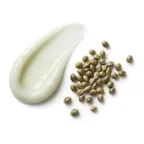 Cannabis Sativa Seed Oil
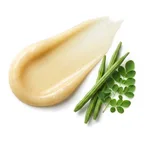 Moringa Oleifera Seed Oil
 Tocopherol
Average
- AverageCombination Skin Fit
- AverageEffectiveness
- HighSafety
Works for acne-prone skin; other moisturizers fit it better.
This fit is calculated for the concerns frequently associated with acne-prone skin: breakouts, blackheads, and post-acne marks. For scores and recommendations based on your full skin profile, including your 12D face scan results and any goals or preferences you have, please use the Lovi app.
Updated How the Fit score works
Lovi Assistant explains
- Offers moderate suitability for your combination skin, as salicylic acid and jojoba seed oil provide some exfoliation and emollient action, but it lacks sufficient oil-controlling ingredients for optimal results.
- While it provides general skincare benefits like hydration and smoothing with ingredients such as tocopheryl acetate and rosa canina seed oil, it does not directly target your acne, blemishes, and breakouts due to a lack of specialized acne-fighting ingredients.
- The safety profile is good, with no risks of irritation for your acne-prone skin due to the absence of harsh ingredients and the presence of soothing components like tocopherol and rosa canina seed oil.
How to apply
- Use your moisturizer twice a day in your AM and PM routines. Apply it daily to help keep breakouts under control.
- Apply after your cleanser and toner, and make sure to use your SPF right after in the morning.
- Gently spread a small amount of moisturizer over your face using soft motions. Let it absorb into the skin for a minute before getting dressed or applying makeup.
- Apply on slightly damp skin to help lock in extra moisture. This keeps your combination skin balanced without feeling heavy.
- Avoid the eye area and do a patch test before your first use. Stop using if you feel any irritation.
People Say
★4.3Overall rating based on 800+ reviewsUsers frequently praise the lightweight, fast-absorbing texture that provides an immediate healthy glow. Dry, dehydrated, and aging skin types often report significant improvements in softness, radiance, and hydration. However, some users with acne-prone skin mention potential pore-clogging concerns.
Highlights
Lightweight texture Mostly Mentioned
- “Feather-light formula”
- “not greasy”
- “absorbs quickly”
Deep hydration Often Mentioned
- “Added moisture”
- “soaks it in”
- “combats dry patches”
Instant radiance Often Mentioned
- “Lovely glow”
- “noticeably brighter”
- “luminous look”
Softens skin Sometimes Noted
- “Skin feels soft”
- “smoother texture”
- “velvety feel”
High price Sometimes Noted
- “Premium price”
- “expensive”
- “better oils for less”
Polarizing scent Sometimes Noted
- “Strong herbal scent”
- “fragrance is off-putting”
- “better without fragrance”
Potential breakouts Rarely Noted
- “Clogging my pores”
- “caution for acne-prone”
- “worried about breakouts”
Weak anti-aging Rarely Noted
- “Minimal effect on lines”
- “not retinol-level results”
Sources: lovi.care, lovelyskin.com, dermapproved.com, whatsinmyjar.com, youtube.com, makeupholicworld.com, and more
Questions and answers
How well does Murad Multi-Vitamin Infusion Oil work for acne-prone skin?
Murad Multi-Vitamin Infusion Oil works moderately well for acne-prone skin, as it brings gentle smoothing and soothing benefits without causing irritation, though it lacks strong oil-controlling ingredients. A product of this type needs specialized acne-fighting ingredients and targeted blemish control to truly fit acne-prone skin.
Which ingredients make this oil a good fit for acne-prone skin?
Salicylic acid and jojoba seed oil make this oil an average fit for your acne-prone skin by offering some gentle exfoliation and smoothing care. A product of this type needs specialized acne-fighting ingredients and oil-controlling components to truly suit acne-prone skin.
BioMed Research International, 2020Forschende Komplementarmedizin, 2012
What does Vitamin C do for acne-prone skin?
Vitamin C helps acne-prone skin by reducing dark marks and calming red, irritated areas. It also provides antioxidant support that helps soothe inflammation.
European Journal of Pharmaceutics and Biopharmaceutics, 2017Journal of Drugs in Dermatology, 2024
What does Retinyl Propionate do for acne-prone skin?
Retinyl propionate helps smooth out fine lines and tackle signs of aging with much less irritation than stronger retinoids. For acne-prone skin, a product of this type needs soothing ingredients and gentle hydrators to keep the face calm and clear without causing dryness or flaking.
The British Journal of Dermatology, 2010International Journal of Cosmetic Science, 2024
Where does this oil go in a skincare routine for acne-prone skin?
This oil fits into an evening routine as a treatment step, used after cleansing and toning and before moisturizing. It is unlikely to irritate your skin, but acne-prone skin needs a product with stronger oil-controlling and blemish-targeting ingredients to work best.
Can I use this oil with niacinamide, and in what order?
You can use this moisturizing treatment with niacinamide, applying the niacinamide first and following with the oil. This product is an average fit for your acne-prone skin because it lacks sufficient oil-controlling ingredients and targeted blemish fighters, meaning acne-prone skin needs products with oil-balancing ingredients and specialized blemish-fighting components.
How often should I use this oil?
This oil works as an evening treatment for your acne-prone skin, so you can apply it in your nighttime routine. While it offers moderate suitability, acne-prone skin needs a product with strong oil-controlling ingredients and targeted blemish-fighting actives to get the best results.
Can this oil clog pores, cause breakouts or purging for acne-prone skin?
This oil is unlikely to cause irritation or breakouts on acne-prone skin because it avoids harsh ingredients and includes soothing components like tocopherol and rose hip seed oil. However, because it lacks strong oil-controlling and targeted acne-fighting ingredients, acne-prone skin generally needs products formulated with dedicated blemish treatments and oil-balancing agents.
Can I use this oil around the eyes or on my body?
You can use this moisturizing treatment around your eyes and on your body, as it has a safe and gentle makeup with soothing components that are unlikely to cause irritation. Because the skin around the eyes is exceptionally thin, this oil may help keep it smooth and hydrated.
What the research says
A moisturizer containing licochalcone A, 1,2-decanediol, L-carnitine, and salicylic acid significantly reduced noninflammatory, inflammatory, and total acne lesion counts compared to a vehicle control in Thai patients during a 12-week maintenance phase.
BioMed Research International, 2020Clay jojoba oil facial masks reduced total skin lesions by a mean of 54% after 6 weeks in 133 participants with acne-prone, lesioned skin and mild acne compared to baseline.
Forschende Komplementarmedizin, 2012Twice daily application of a multitargeted dermocosmetic cream provided comparable efficacy to benzoyl peroxide 5% gel in reducing inflammatory, non-inflammatory, and total lesions in 150 Caucasian subjects with mild-to-moderate acne over 56 days, while demonstrating superior skin tolerability.
Journal of Cosmetic Dermatology, 2024Co-encapsulation of alpha-tocopherol and alpha-tocopheryl acetate in nanostructured lipid carrier gel formulations significantly enhanced moisture retention up to 68% and improved skin elasticity in human volunteers compared to a solution gel.
Scientific Reports, 2025Topical application of 5% vitamin C cream significantly improved global clinical scores, increased skin microrelief density, and induced elastic tissue repair in photoaged skin compared to excipient control in healthy female volunteers.
Experimental Dermatology, 2003Topical application of VC-IP cream twice daily for 8 weeks reduces periorbital wrinkles in female subjects compared to a placebo cream.
Journal of Cosmetic Dermatology, 2022Topical treatment with 5% vitamin C and 0.1% madecassoside significantly improved clinical scores for wrinkles, suppleness, firmness, roughness, and skin hydration, along with functional and structural remodeling of the elastic fiber network in 20 female volunteers with photoaged skin after 6 months compared to baseline.
Experimental Dermatology, 2008Topical bakuchiol 0.5% applied twice daily compared with retinol 0.5% applied daily significantly decreased wrinkle surface area and hyperpigmentation with no statistical difference between the compounds in 44 patients over 12 weeks, while retinol users reported more facial skin scaling and stinging.
The British Journal of Dermatology, 2019Topical 0.3% and 1% retinol comparably improved biomarkers of cutaneous photoageing in photoaged volunteers, while 0.3% retinol demonstrated better tolerance with fewer and milder adverse events compared to 1% retinol in a daily escalation regimen.
International Journal of Cosmetic Science, 2022Daily application of 0.3% and 0.5% retinol serums in 37 volunteers over 12 weeks reduced skin hyperpigmentation, unevenness, and wrinkles on both sides of the face, with the 0.5% concentration causing more frequent and intense skin irritation.
Skin Pharmacology and Physiology, 2020Emulgels containing Perilla frutescens seed oil, Moringa oleifera seed oil, and mixed seed oil microemulsions exhibit good stability, lack of cytotoxicity in PBMC, and no skin irritation or allergic reactions in human subjects.
Polymers, 2022Moringa seed oil stimulated sebaceous lipogenesis, reduced pro-inflammatory cytokine secretion, and exhibited a low n-6/n-3 index in cultured human SZ95 sebocytes compared to untreated cells.
International Journal of Molecular Sciences, 2023Topical Moringa oleifera seed oil and its main constituent oleic acid reduced acute and chronic skin inflammation and epidermal hypertrophy in mice through glucocorticoid receptor activation without dexamethasone-like adverse effects on organ weights.
Journal of Ethnopharmacology, 2020Topical application of an antioxidant serum containing 15% ascorbic acid, 0.5% ferulic acid, and 1% tocopherol prevented particulate matter-induced degradation of extracellular matrix components, inflammation, and oxidative stress in the skin of 15 female volunteers compared to untreated controls.
Journal of Cosmetic Dermatology, 2025Dermatological products containing d-alpha tocopheryl acetate showed non-comedogenic potential with less than a 50% increase in microcomedones in 12 healthy male subjects compared to octyl palmitate.
Contemporary Clinical Trials Communications, 2021Topical application of an antioxidant mix containing 15% ascorbic acid, 0.5% ferulic acid, and 1% tocopherol prevented PM and UV-induced skin barrier perturbation, lipid peroxidation, inflammatory markers, MMP9 activation, and Type I collagen loss in 15 healthy females compared to untreated exposed skin.
Journal of Cosmetic Dermatology, 2024
Why other moisturizers fit acne-prone skin better
A panthenol-enriched mask improved skin hydration, regulated sebum, and reduced redness and TEWL across dry sensitive, oily sensitive, and oily acne skin subgroups with excellent tolerance and no adverse reactions.
Journal of Cosmetic Dermatology, 2024A facial serum containing snail secretion filtrate, Calendula officinalis, and Glycyrrhiza glabra root extract significantly reduced inflammatory acne lesions compared to placebo in 66 participants with mild-to-moderate maskne over 12 weeks.
Journal of Cosmetic Dermatology, 2022
Ingredients
Coconut Alkanes, Jojoba Seed Oil, Coconut Oil, Moringa Oleifera Seed Oil, Coco-Caprylate Caprate, Ethylene Propylene Styrene Copolymer, Tocopheryl Acetate, Tetrahexyldecyl Ascorbate, Cannabis Sativa Seed Oil, Rosa Canina Seed Oil, Retinyl Propionate, Linoleic Acid, Linolenic Acid, Tocopherol, Panthenyl Triacetate, Hexylresorcinol, 7-Dehydrocholesterol, Salicylic Acid, Punica Granatum Sterols, Rosmarinus Officinalis Leaf Extract Rosemary Leaf Extract, Rice Bran Extract, Helianthus Annuus Extract Sunflower Extract, Zea Mays Oil, Butylene Ethylene Styrene Copolymer, Parfum, Citral, Linalool, Limonene
Behind this fit score
Lovi calculates every fit score from the full ingredient list with brand-independent rules our dermatologists and cosmetic chemists build and review, and personalizes every pick with AI trained on the real results of millions of users. Lovi trains its fit score models on a proprietary dataset built from more than 10,000 expert-labeled products and more than 100,000 simulated examples, following an internally consistent methodology presented at Cosmoprof, AMWC, and Skin of Color Update.
-

Co-founder, Medical Director
Cosmetic chemist, cosmetologist, aesthetic products developer
-

Co-founder, CEO and CTO
PhD in computer science, 3x US patent holder, ex-Google, ex-Yandex
-

Dr. Sofía Perea Pérez, MD, MSc
Medical Board
Aesthetic medicine practitioner, MSc in Longevity and Anti-Aging Medicine
-

Medical Board
Specialist dermatologist, MBBS, MD, IFAAD
-

Medical Board
Cosmetic chemist, SCS, IFSCC member
-

Medical Board, Medical Advisor
Dermatology MD
-

Elina Nazarenko, MD
Medical Board
Dermatology and diagnostic consultant
-

Victoria Derkova, MS
Medical Board
Cosmetic chemist, cosmetic development technologist


How does it fit your skin?
Scan your face, then any product: Lovi shows how well it fits you and what fits even better.