
Murad Cellular Hydration Repair Mask for oily acne-prone skin

 Butyrospermum Parkii Butter Shea Butter
 Glycerin
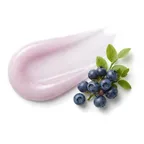 Vaccinium Myrtillus Seed Oil
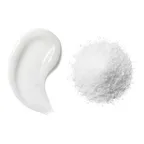 Urea
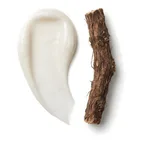 Allantoin
Average
- AverageOily Skin Fit
- AverageEffectiveness
- HighSafety
Works for oily acne-prone skin; other nourishing masks fit it better.
This fit is calculated for the concerns frequently associated with oily acne-prone skin: shine, breakouts, blemishes, and enlarged pores. For scores and recommendations based on your full skin profile, including your 12D face scan results and any goals or preferences you have, please use the Lovi app.
Updated How the Fit score works
Lovi Assistant explains
- Offers moderate suitability for your oily skin, as glycerin and urea provide essential hydration without exacerbating oiliness, though it lacks potent oil-controlling ingredients for your primary concern of breakouts.
- The inclusion of allantoin and shea butter offers soothing and nourishing benefits, which are generally supportive for your skin.
- The product is safe for your skin, with no risk of irritation due to the absence of harsh ingredients and the presence of soothing components.
How to apply
- Could be used as part of your AM or PM routine. Start using the creamy mask 3 times a week and slowly move to daily use.
- Apply the creamy mask after your cleanser and toner, but right before your moisturizer or SPF.
- Gently smooth a thin layer of the creamy mask over your face. Avoid any harsh rubbing motions.
- Apply the creamy mask evenly on clean and dry skin for the best results against blemishes. Let it sit comfortably without rushing the process.
- Always avoid the delicate eye area. Do a quick patch test before your very first application to check for safety.
People Say
★4.8Overall rating based on 200+ reviewsThis overnight mask is widely praised for its ability to rescue dry, sensitive, and sensitized skin by providing intense, barrier-strengthening hydration. Users consistently report visible improvements in skin plumpness, reduced redness, and a smoother complexion, making it a go-to treatment for skin stressed by active ingredients or environmental factors.
Highlights
Intense hydration Mostly Mentioned
- “Saved my dry skin.”
- “Provides excellent hydration.”
- “Quenched dry flaky skin.”
Non-greasy texture Often Mentioned
- “Not sticky or heavy.”
- “Does not feel greasy.”
- “Light, non-sticky texture.”
Reduces redness Often Mentioned
- “Immediately took away irritation.”
- “Helped calm and soothe.”
- “Redness is reduced dramatically.”
Plumping effect Sometimes Noted
- “Helped make skin plumper.”
- “Experienced actual plumping.”
- “Skin felt plumper next day.”
High price point Sometimes Noted
- “Quite a lot of money.”
- “Hefty downside is the cost.”
- “Investment for most people.”
Slow absorption Sometimes Noted
- “Takes a while to settle.”
- “Stops feeling tacky after hours.”
- “Slight tackiness when applied.”
Unusual scent Rarely Noted
- “Odd plastic scent.”
- “Funny smell, a bit clove-like.”
- “Opinions on scent are mixed.”
Sources: lovi.care, murad.com, sephora.com, spacenk.com, britishbeautyblogger.com, womanandhome.com, and more
Questions and answers
How well does Cellular Hydration Repair Mask work for oily acne-prone skin?
Murad Cellular Hydration Repair Mask works reasonably well for oily acne-prone skin, as glycerin and urea provide necessary hydration without adding extra oiliness, although it lacks strong oil-controlling ingredients for breakouts. It helps soothe and nourish the skin safely without irritation, but a product of this type needs balancing ingredients like niacinamide, centella asiatica, and oil-controlling properties to properly manage breakouts and excess shine.
Which ingredients make this mask a good fit for oily acne-prone skin?
Glycerin and urea help hydrate your oily skin without adding extra oil, while allantoin and shea butter calm and nourish it. However, because this mask does not control oil or target breakouts, oily skin of this type needs products with ingredients like niacinamide and centella asiatica to manage blemishes and keep shine in check.
What does Butyrospermum Parkii Butter do for oily acne-prone skin?
Butyrospermum Parkii Butter is often too heavy for oily acne-prone skin and may clog pores or trigger breakouts. This skin type needs lightweight, non-greasy ingredients that help keep pores clear while maintaining balanced hydration, such as niacinamide or salicylic acid.
What does Glycerin do for oily acne-prone skin?
Glycerin helps keep oily acne-prone skin hydrated without feeling heavy. It draws moisture into the skin while supporting the skin barrier so it stays soft and balanced.
The British Journal of Dermatology, 2008Clinical, Cosmetic and Investigational Dermatology, 2017
Where does this mask go in a skincare routine for oily acne-prone skin?
This mask works for your skin, though an oily acne-prone skin needs a product that also provides oil control and blemish-fighting ingredients.
Can I use this mask with retinol, and in what order?
You can use this mask with retinol, applying it after your retinol treatment to help soothe your skin and keep it calm. Oily acne-prone skin needs a product of this type to also feature oil-controlling ingredients that target breakouts.
How often should I use this mask?
This mask offers moderate suitability for your oily skin, as it hydrates without making you greasy, though an oily acne-prone skin needs a product with potent oil-controlling ingredients for breakouts.
Journal of Cosmetic Dermatology, 2020Health Science Reports, 2021
Can this mask clog pores, cause breakouts or purging for oily acne-prone skin?
This mask works for your oily acne-prone skin, but it lacks strong oil-controlling ingredients to manage breakouts. It is unlikely to cause irritation or clog pores since it contains soothing components and gentle hydrators like glycerin and urea, though an oily skin type needs lightweight, pore-clearing ingredients that target excess oil and blemishes.
Is this mask fragrance-free and alcohol-free?
Yes, it has no fragrance and no drying alcohol. Arachidyl alcohol, cetearyl alcohol, cetyl alcohol, stearyl alcohol, and behenyl alcohol are fatty alcohols, which soften the skin.
What the research says
A single application of a moisturizing fluid containing hyaluronic acid 1%, glycerin 5%, and Centella asiatica stem cells extract significantly increased skin hydration by 29% and reduced transepidermal water loss at 24 hours compared to baseline and an untreated control site in twenty healthy women.
Clinical, Cosmetic and Investigational Dermatology, 2017The ThriveCo Bumps Eraser Kit increased skin hydration by 131.75%, reduced redness by 69.30%, decreased pigmentation by 35.77%, dropped itchiness by 92.63%, improved smoothness by 55.00%, reduced roughness by 148.54%, and decreased scaliness by 87.09% without adverse effects.
Cureus, 2025A skin barrier restoring cream with shea butter, silkflo, and vitamin E increased type I procollagen synthesis, enhanced antioxidant enzyme activity, decreased reactive oxygen species generation, and promoted hyaluronic acid production in H2O2-stimulated human keratinocyte cells compared to untreated cells.
International Journal of Cosmetic Science, 2025The emollient V0034CR significantly reduced TEWL compared to vehicle and vehicle plus glycerol, and significantly increased corneometry scores compared to vehicle and vehicle plus petrolatum in healthy volunteers with dry skin, demonstrating combined barrier function improvement from petrolatum and hydration improvement from glycerol.
Journal of Cosmetic Dermatology, 2020Ten days of treatment with a cream containing 20% glycerin significantly increased skin hydration measured by corneometer values in 17 healthy volunteers compared to a placebo cream, but showed no influence on transepidermal water loss or skin sensitivity to an irritating surfactant.
International Journal of Cosmetic Science, 2001Niacinamide/glycerin body moisturizers provided better rapid and prolonged improvement of cosmetic xerosis through functional improvement of stratum corneum barrier function compared to no treatment and conventional moisturizers in female subjects.
Journal of Drugs in Dermatology, 2012Topical 0.025% tretinoin cream showed a significantly greater improvement in neck hyperpigmentation compared to 10% urea cream in patients with acanthosis nigricans.
The Journal of Dermatological Treatment, 2021Topical 40% urea cream achieved improvement in less time and showed superiority over 12% ammonium lactate lotion in skin roughness, fissure reduction, thickness, and dryness at day 14 in patients treated for moderate to severe xerosis.
American Journal of Clinical Dermatology, 2002Topical urea improves permeability barrier function and antimicrobial peptide expression in human volunteers and normal epidermis by acting as a small-molecule regulator after transporter uptake.
The Journal of Investigative Dermatology, 2012The combination of allantoin, bisabolol, D-panthenol and dipotassium glycyrrhizinate reduces UVB-induced PGE2, inflammatory cytokines, and mitochondrial superoxide in human epidermal keratinocytes.
International Journal of Cosmetic Science, 2024
Why other nourishing masks fit oily acne-prone skin better
Co-delivery of paeonol and madecassoside via nanoemulsions improved transdermal delivery, promoted barrier repair proteins, inhibited inflammatory cytokine secretion in cellular and 3D models, and reduced transepidermal water loss and acne in human facial skin compared to free components.
Molecules, 2023A panthenol-enriched mask improved skin hydration, regulated sebum, and reduced redness and TEWL across dry sensitive, oily sensitive, and oily acne skin subgroups with excellent tolerance and no adverse reactions.
Journal of Cosmetic Dermatology, 2024
Ingredients
Water, Glycerin, Pentylene Glycol, Caprylic Capric Triglyceride, Vaccinium Myrtillus Seed Oil, Butyrospermum Parkii Butter Shea Butter, Diisostearyl Malate, Glyceryl Behenate, 4-T-Butylcyclohexanol, Linoleic Acid, Phytosterols, Epilobium Angustifolium Stem Extract Flower Leaf, Hibiscus Sabdariffa Extract, Urea, Yeast Amino Acids, Trehalose, Inositol, Taurine, Betaine, Tocopherol, Jojoba Esters, Allantoin, Helianthus Annuus Wax Seed Sunflower Wax Seed, Erythritol, Ethylhexylglycerin, Butylene Glycol, Polyglycerin-3, Hydroxyphenyl Propamidobenzoic Acid, Arachidyl Alcohol, Hectorite, Glyceryl Stearates, Cetearyl Alcohol, Cetyl Alcohol, Stearyl Alcohol, Behenyl Alcohol, Coco-Glucoside, Sodium Stearoyl Glutamate, Acrylates C10-30 Alkyl Acrylate Crosspolymer, Arachidyl Glucoside, Xanthan Gum, Tetrasodium Glutamate Diacetate, Sodium Hydroxide, Citric Acid, Leuconostoc Radish Root Ferment Filtrate, Glucose, Ascorbyl Palmitate, Aspergillus Ferment, Chlorphenesin
Behind this fit score
Lovi calculates every fit score from the full ingredient list with brand-independent rules our dermatologists and cosmetic chemists build and review, and personalizes every pick with AI trained on the real results of millions of users. Lovi trains its fit score models on a proprietary dataset built from more than 10,000 expert-labeled products and more than 100,000 simulated examples, following an internally consistent methodology presented at Cosmoprof, AMWC, and Skin of Color Update.
-

Co-founder, Medical Director
Cosmetic chemist, cosmetologist, aesthetic products developer
-

Co-founder, CEO and CTO
PhD in computer science, 3x US patent holder, ex-Google, ex-Yandex
-

Dr. Sofía Perea Pérez, MD, MSc
Medical Board
Aesthetic medicine practitioner, MSc in Longevity and Anti-Aging Medicine
-

Medical Board
Specialist dermatologist, MBBS, MD, IFAAD
-

Medical Board
Cosmetic chemist, SCS, IFSCC member
-

Medical Board, Medical Advisor
Dermatology MD
-

Elina Nazarenko, MD
Medical Board
Dermatology and diagnostic consultant
-

Victoria Derkova, MS
Medical Board
Cosmetic chemist, cosmetic development technologist


How does it fit your skin?
Scan your face, then any product: Lovi shows how well it fits you and what fits even better.