
medicube Red Calming Clay Mask for combination skin

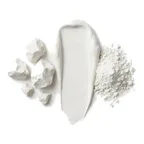 Kaolin
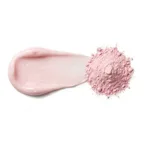 Calamine
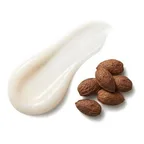 Mandelic Acid
 Centella Asiatica Extract
 Niacinamide
Average
- HighCombination Skin Fit
- AverageEffectiveness
- HighSafety
Works for combination skin; other cleansing masks fit it better.
This fit is calculated for the concerns frequently associated with combination skin: an oily T-zone, enlarged pores, and dry cheeks. For scores and recommendations based on your full skin profile, including your 12D face scan results and any goals or preferences you have, please use the Lovi app.
Updated How the Fit score works
Lovi Assistant explains
- Offers moderate pore cleansing for your combination skin, as kaolin and bentonite absorb excess sebum and impurities, while niacinamide helps regulate oil production in specific areas.
- The inclusion of saccharide hydrolysate and sodium hyaluronate provides general hydration, supporting overall skin health without specifically targeting your oily shine concerns.
- The product is safe for your combination skin, with no risks of irritation due to the absence of prohibited or harsh ingredients.
How to apply
- Use this cleansing mask during your PM routine once a week to control oil. Start slowly 3 times a week and increase if your skin feels comfortable.
- Apply the cleansing mask after the cleansing step and before using your hydrating toner. This ensures it works effectively on your skin.
- Spread an even layer over your face using gentle motions. Avoid any harsh rubbing to keep your skin calm.
- Apply the mask to clean and slightly damp skin for the best results. This helps the product target oily shine efficiently.
- Avoid the sensitive eye area during application. Do a simple patch test before your very first use.
People Say
★3.8Overall rating based on 100+ reviewsBased on limited data, users with sensitive and acne-prone skin find this mask's creamy texture to be non-drying and effective at soothing redness. A very high number of reviewers note difficulty in removing the mask, as it leaves a stubborn white residue. Moderate feedback indicates it does not deeply cleanse and is considered expensive.
Highlights
Difficult to remove Mostly Mentioned
- “left a white residue”
- “scrubbing didn't remove it”
- “didn't come off well with water”
Non-drying formula Often Mentioned
- “doesn't dry up to minimize irritation”
- “gentle on the skin”
- “ideal for dry/sensitive types”
Creamy texture Sometimes Noted
- “silky smooth application”
- “creamy mud formula”
- “spreads easily”
Soothing and calming Sometimes Noted
- “skin feels softer and more soothed”
- “calms redness effectively”
- “good for acne-prone skin”
High price point Sometimes Noted
- “price is quite steep”
- “expensive for the amount”
- “better to grab during a sale”
Lack of deep cleansing Sometimes Noted
- “doesn't remove impurities”
- “pores looked the same”
- “less absorbent than bentonite”
Sources: lovi.care, hwahae.co.kr, incidecoder.com, ebay.com, and more
Questions and answers
How well does the Red Calming Clay Mask work for combination skin?
This mask works moderately well for combination skin by soaking up excess oil and impurities with clays while niacinamide helps balance shine. However, a product for this skin needs potent oil-controlling ingredients like salicylic acid and zinc oxide alongside balanced hydration to properly care for both oily and dry areas.
Which ingredients make this mask a good fit for combination skin?
This mask works for combination skin because kaolin and bentonite absorb excess oil and impurities while niacinamide helps regulate oil in specific areas. It also includes saccharide hydrolysate and sodium hyaluronate to provide general hydration. To be a better fit for this skin type, a product of this kind needs potent oil-controlling ingredients like salicylic acid and zinc oxide alongside soothing and balancing agents.
What does Kaolin Clay do for combination skin?
Kaolin clay helps absorb excess oil in oily areas while keeping dry patches comfortable and calm. This gentle mineral ingredient is unlikely to irritate sensitive combination skin.
What does Calamine do for combination skin?
Calamine helps calm and soothe combination skin by addressing redness and irritation. It is unlikely to clog pores and works well to balance oily and dry areas.
Where does this mask go in a skincare routine for combination skin?
This cleansing mask fits into a weekly routine for combination skin after the makeup remover, cleanser, and enzyme powder, and before the hydrating toner and moisturizer. Combination skin needs a cleansing mask with kaolin or bentonite clay to absorb excess oil in shiny areas while keeping the rest of the face balanced.
Can I use this mask with retinol, and in what order?
You can use this cleansing mask in your weekly routine, but it is best to avoid using it on the exact same nights as your retinol to prevent dryness. Apply the mask first on your designated mask night, rinse thoroughly, and follow with gentle hydrating products and moisturizers. This product works for combination skin, though this skin type benefits most from targeted oil-control ingredients and lightweight hydration that specifically address shine.
How often should I use this mask?
This cleansing mask is meant to be used once a week as part of your weekly routine. To better target oily shine on combination skin, a product of this type needs ingredients like kaolin, bentonite, and niacinamide to absorb excess oil and help regulate shine.
Can this mask clog pores, cause breakouts or purging for combination skin?
This mask is unlikely to clog pores or cause breakouts for combination skin, as it contains gentle clay ingredients that absorb excess oil without harsh irritation. However, combination skin often needs targeted oil control and deep pore cleansing from ingredients like salicylic acid to prevent breakouts more effectively.
Is this mask fragrance-free and alcohol-free?
Yes, it has no fragrance and no drying alcohol.
What the research says
A bentonite-based facial mask with Alcea sulphurea extract combined with oral azithromycin significantly reduced total lesion count and acne severity index while enhancing patient satisfaction in patients with moderate acne compared to placebo plus azithromycin over 8 weeks.
Journal of Cosmetic Dermatology, 2025Hyaluronic acid-based formulations exhibit remarkable anti-wrinkle, anti-aging, and skin rejuvenating effects via soft tissue augmentation, improved skin hydration, and face volume restoration.
International Journal of Biological Macromolecules, 2018Topical hyaluronic acid filler serum combined with Botulinum toxin type A lengthened the duration of the toxin's effect in reducing wrinkles compared to Botulinum toxin type A alone.
Dermatologic Therapy, 2022Repeated application of zinc oxide nanoparticles to the skin of human volunteers accumulated on the surface and in skin furrows without penetrating into or causing cellular toxicity in the viable epidermis.
The Journal of Investigative Dermatology, 2019Quaternized carboxymethyl chitosan/organic montmorillonite nanocomposite demonstrated superior moisture-adsorption and retention compared to hyaluronic acid, good UV-protection ability, negligible dermal irritation, and prominent moisture-retention efficacy on human stratum corneum when formulated into a cosmetic cream.
Carbohydrate Polymers, 2017Vectorization of high molecular weight hyaluronic acid with clay enabled its penetration into deeper skin layers and led to a significant clinical reduction in fine lines in the crow's feet area compared to placebo after 28 days.
Skin Research and Technology, 2024Twice-weekly use of a clay mask over 4 weeks in 75 adults with oily or combination skin improved acne-related outcomes, sebum content, skin evenness, hydration, and reduced dryness and irritation.
Skin Research and Technology, 2023Palygorskite clay as a nanocarrier for tea tree oil achieved efficient loading, reduced acute contact toxicity, targeted antimicrobial effects against dermal pathogens, and pronounced clinical efficacy in treating facial acne compared to unformulated oil.
International Journal of Pharmaceutics, 2022Topical 0.5% hyaluronic-ZnO nanogel applied twice daily reduced inflammatory-lesion counts by 58% at week four in human subjects compared to baseline without causing erythema.
Biomedicines, 2025Topical zinc oxide nanogels formulated using Dendrobium anosmum showed greater effectiveness against Gram-positive acne-causing bacteria compared to chemogenic nanoparticles.
Molecules, 2023Treatment with 45% mandelic acid peel showed nearly equal overall efficacy as 30% salicylic acid peel in patients with mild-to-moderate facial acne vulgaris, but with fewer adverse effects.
Journal of Cosmetic Dermatology, 2020Commonly used chemical peels showed no significant differences in effectiveness for acne vulgaris in most comparisons, though combined salicylic and mandelic acid peeling was superior to glycolic acid and glycolic acid was superior to placebo, based on twelve randomized controlled trials.
BMJ Open, 2018Chemical peels using 35% glycolic acid, 20% salicylic-10% mandelic acid, and phytic acid reduce acne scores by 70.55%, 74.14%, and 69.7% respectively, and significantly decline the postacne hyperpigmentation index in Asian patients with mild to moderate acne.
Journal of Cutaneous and Aesthetic Surgery, 2019A single application of a moisturizing fluid containing hyaluronic acid 1%, glycerin 5%, and Centella asiatica stem cells extract significantly increased skin hydration by 29% and reduced transepidermal water loss at 24 hours compared to baseline and an untreated control site in twenty healthy women.
Clinical, Cosmetic and Investigational Dermatology, 2017Topical treatment with 5% vitamin C and 0.1% madecassoside significantly improved clinical scores for wrinkles, suppleness, firmness, roughness, and skin hydration, along with functional and structural remodeling of the elastic fiber network in 20 female volunteers with photoaged skin after 6 months compared to baseline.
Experimental Dermatology, 2008Treatment with an asiaticoside-containing cream applied twice daily for 12 weeks significantly improved periorbital wrinkles in 65% of 27 female volunteers compared to a vehicle control cream.
International Journal of Cosmetic Science, 2008Topical nicotinamide prevented solar-simulated UV-induced immunosuppression in healthy volunteers, and men experienced immunosuppression at solar-simulated UV doses three times lower than those required for women.
The Journal of Investigative Dermatology, 2008Topical 5% niacinamide applied twice daily for 12 weeks reduced fine lines and wrinkles, hyperpigmented spots, red blotchiness, and skin sallowness, and improved skin elasticity compared to vehicle control in 50 female white subjects with facial photoaging.
Dermatologic Surgery, 2005Topical 2% niacinamide significantly decreased sebum excretion rate in Japanese individuals and casual sebum levels in Caucasian individuals compared to placebo or baseline.
Journal of Cosmetic and Laser Therapy, 2006
Why other cleansing masks fit combination skin better
Chemical peels with 30% supramolecular salicylic acid effectively treated acne and reduced facial sebum secretion while improving skin hydration and barrier function in 25 patients.
Journal of Cosmetic Dermatology, 2022Daily treatment with a facial serum containing multiple acids reduced post-inflammatory hyperchromia lesion grade and number by 29.4% at 56 days, and decreased skin oiliness by 30.7% at 7 days in Brazilian patients with acne vulgaris.
Journal of Cosmetic Dermatology, 2021
Ingredients
Water, Kaolin, Glycerin, Calamine, Propanediol, Bentonite, Caprylic Capric Triglyceride, Zea Mays Starch, Saccharide Hydrolysate, Glyceryl Stearate, 1,2-Hexanediol, Xanthan Gum, Mandelic Acid, Dimethyl Sulfone, Betaine, Butylene Glycol, Polyhydroxystearic Acid, Stearic Acid, Ethylhexylglycerin, Portulaca Oleracea Extract, Disodium Edta, Panthenol, Indigofera Tinctoria Extract, Centella Asiatica Extract, Hemerocallis Fulva Flower Extract, Hydrogenated Lecithin, Myosotis Sylvatica Stem Extract Flower Leaf, Polyglyceryl-10 Stearate, Sodium Hyaluronate, Sodium Ascorbyl Phosphate, Sodium Hyaluronate Crosspolymer, Niacinamide, Hydrolyzed Sodium Hyaluronate, Hydrolyzed Hyaluronic Acid, Sodium Acetylated Hyaluronate, Pyridoxine, Hydroxypropyltrimonium Hyaluronate, Folic Acid, Biotin, Tocopherol, Cyanocobalamin, Thiamine Hcl, Riboflavin, Linoleic Acid, Beta-Carotene
Behind this fit score
Lovi calculates every fit score from the full ingredient list with brand-independent rules our dermatologists and cosmetic chemists build and review, and personalizes every pick with AI trained on the real results of millions of users. Lovi trains its fit score models on a proprietary dataset built from more than 10,000 expert-labeled products and more than 100,000 simulated examples, following an internally consistent methodology presented at Cosmoprof, AMWC, and Skin of Color Update.
-

Co-founder, Medical Director
Cosmetic chemist, cosmetologist, aesthetic products developer
-

Co-founder, CEO and CTO
PhD in computer science, 3x US patent holder, ex-Google, ex-Yandex
-

Dr. Sofía Perea Pérez, MD, MSc
Medical Board
Aesthetic medicine practitioner, MSc in Longevity and Anti-Aging Medicine
-

Medical Board
Specialist dermatologist, MBBS, MD, IFAAD
-

Medical Board
Cosmetic chemist, SCS, IFSCC member
-

Medical Board, Medical Advisor
Dermatology MD
-

Elina Nazarenko, MD
Medical Board
Dermatology and diagnostic consultant
-

Victoria Derkova, MS
Medical Board
Cosmetic chemist, cosmetic development technologist


How does it fit your skin?
Scan your face, then any product: Lovi shows how well it fits you and what fits even better.