
KraveBeauty Oil La La for acne-prone skin

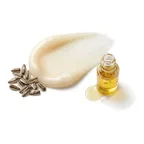 Linoleic Acid
 Glycerin
 Madecassoside
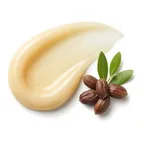 Jojoba Seed Oil
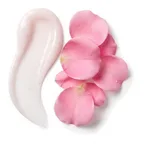 Rosa Damascena Flower Water
Superior
- HighCombination Skin Fit
- SuperiorEffectiveness
- ExcellentSafety
One of the best moisturizers for acne-prone skin.
This fit is calculated for the concerns frequently associated with acne-prone skin: breakouts, blackheads, and post-acne marks. For scores and recommendations based on your full skin profile, including your 12D face scan results and any goals or preferences you have, please use the Lovi app.
Updated How the Fit score works
Lovi Assistant explains
- Excellent for your combination skin, this product effectively targets acne, blemishes, and breakouts with Madecassoside, Asiaticoside, and Asiatic Acid, which provide potent anti-inflammatory and healing benefits.
- The formula offers superior hydration and smoothing for your skin type due to high concentrations of Helianthus Annuus Seed Oil and Rosa Canina Oil Fruit, which deliver emollient action without heaviness.
- This product is safe for your combination skin, featuring soothing ingredients like Rosa Damascena Flower Water and Camellia Sinensis Leaf Extract, and contains no harsh or prohibited substances.
How to apply
- Use your moisturizer twice a day in your AM and PM routines. Apply it daily to help keep breakouts under control.
- Apply after your cleanser and toner, and make sure to use your SPF right after in the morning.
- Gently spread a small amount of moisturizer over your face using soft motions. Let it absorb into the skin for a minute before getting dressed or applying makeup.
- Apply on slightly damp skin to help lock in extra moisture. This keeps your combination skin balanced without feeling heavy.
- Avoid the eye area and do a patch test before your first use. Stop using if you feel any irritation.
People Say
★3.4Overall rating based on 100+ reviewsThis oil serum is frequently praised for its lightweight, non-greasy hydration and its ability to reduce acne and calm the skin, leaving a healthy glow. However, a significant number of users report issues with formula instability, including separation and curdling, alongside a moderate frequency of complaints about an unpleasant scent and inconsistent product quality.
Highlights
Lightweight texture Often Mentioned
- “Watery, silky serum”
- “not a thick oil”
- “beautiful texture”
Non-greasy hydration Often Mentioned
- “Absorbs quickly”
- “not suffocating”
- “no grease factor”
Formula instability Often Mentioned
- “Product has curdled”
- “oil and water separated”
- “visible chunks”
Reduces acne Sometimes Noted
- “Helped clear zits”
- “less congestion”
- “breakout saviour”
Soothing/Calming Sometimes Noted
- “Tames inflammation”
- “soothed redness”
- “calms skin”
Inconsistent quality Sometimes Noted
- “Texture different each time”
- “murky white vs pale orange”
- “pump dispensed weird”
Unpleasant scent Sometimes Noted
- “Smells bad”
- “smelled like rancid oil”
- “gone off”
Caused breakouts Rarely Noted
- “Broke me out”
- “grew oil seed bumps”
- “clogged my pores”
Sources: lovi.care, kravebeauty.com, cultbeauty.com, sephora.sg, skinsort.com, youtube.com, and more
Questions and answers
What makes Kravebeauty Oil La La moisturizing treatment one of the best fits for acne-prone skin?
This moisturizing treatment is one of the best fits for acne-prone skin because it uses madecassoside, asiaticoside, and asiatic acid to provide anti-inflammatory and healing benefits that target blemishes without feeling heavy. It also delivers hydration and smoothing while keeping your skin calm and clear.
Which ingredients make this moisturizing treatment a good fit for acne-prone skin?
This moisturizing treatment is a great fit for acne-prone skin because it contains madecassoside, asiaticoside, and asiatic acid, which provide strong calming and healing benefits. It also includes sunflower seed oil and rosehip fruit oil to deliver lightweight hydration and smoothing, alongside soothing camellia sinensis leaf extract and rose flower water.
What does Linoleic Acid do for acne-prone skin?
Linoleic acid helps clear acne-prone skin by shrinking microcomedones and reducing overall follicular size. It is especially useful for managing breakouts because it addresses key factors in acne development.
Clinical and Experimental Dermatology, 1998Journal of the European Academy of Dermatology and Venereology, 2016
What does Glycerin do for acne-prone skin?
Glycerin helps keep acne-prone skin hydrated and calm without clogging pores or feeling heavy. It supports the skin barrier so it stays soft and smooth while handling everyday treatments.
The British Journal of Dermatology, 2008International Journal of Toxicology, 2019
Where does this moisturizing treatment go in a skincare routine for acne-prone skin?
This moisturizing treatment goes in your morning routine after a hydrating toner and before your sunscreen, and in your evening routine as the final step after your treatment. It helps hydrate and smooth your skin without feeling heavy while supporting acne-prone skin.
The Journal of Dermatological Treatment, 2022International Journal of Cosmetic Science, 2020
Can I use it with retinol, and in what order?
You can use this moisturizing treatment with retinol by applying it before your retinol to keep your skin calm and hydrated. Using a moisturizer with acne-prone skin helps reduce unwanted irritation and dryness while supporting your skin barrier during active treatments.
Journal of Drugs in Dermatology, 2023The Journal of Dermatological Treatment, 2016
How often should I use this moisturizing treatment?
You can use this moisturizing treatment twice daily to help hydrate and calm your acne-prone skin. Regular daily application is unlikely to cause irritation and may help improve skin comfort.
Journal of Cosmetic Dermatology, 2020Health Science Reports, 2021
Can it clog pores, cause breakouts or purging for acne-prone skin?
This treatment is one of the best fits for acne-prone skin and is unlikely to cause breakouts, as reviewers rarely report them and the formula provides healing and soothing benefits without heaviness.
Can I use this moisturizing treatment around the eyes or on my body?
Yes, you can safely use this moisturizing treatment on the thin skin around your eyes and on your body because its gentle, soothing formula provides lightweight hydration and calming benefits without irritation. Its ingredients help smooth delicate areas and support skin health across different body regions.
Surgical and Radiologic Anatomy, 2002Journal of Biomedical Research, 2017
Is it fragrance-free and alcohol-free?
Yes, it has no fragrance and no drying alcohol. Behenyl alcohol is a fatty alcohol, which soften the skin.
What the research says
Asiatic acid-loaded solid lipid microparticles stabilized with poloxamer-188 reduced porphyrin intensity, enhanced skin barriers, and improved skin hydration and brightness in fifteen participants with mild-to-moderate acne.
International Journal of Pharmaceutics, 2024Co-delivery of paeonol and madecassoside via nanoemulsions improved transdermal delivery, promoted barrier repair proteins, inhibited inflammatory cytokine secretion in cellular and 3D models, and reduced transepidermal water loss and acne in human facial skin compared to free components.
Molecules, 2023An anti-acne hydrogel containing Aloe barbadensis, Garcinia mangostana, and Camellia sinensis extracts showed superior antiacne and antiblotch activities compared to 1% clindamycin gel in sixty subjects with mild-moderate acne.
Clinical, Cosmetic and Investigational Dermatology, 2019Topical application of a 6% green tea extract formulation increased skin moisture, enhanced skin elasticity, and improved skin microrelief by reducing roughness in 24 volunteers compared to vehicle and control over 30 days.
Dermatologic Therapy, 2013Topical application of linoleic acid achieved an almost 25% reduction in the overall size of follicular casts and microcomedones over a 1-month treatment period in patients with mild acne compared to no change at placebo-treated sites.
Clinical and Experimental Dermatology, 1998A lotion containing triethyl citrate and ethyl linoleate reduced Leeds grading, total, inflammatory, and noninflammatory lesion counts, and sebum production compared with a placebo in patients with mild to moderate acne.
The British Journal of Dermatology, 2007Liposomal formulation of linoleic acid significantly enhances its skin whitening effect compared to non-liposomal forms in UV-stimulated guinea pig and human skin.
Biological & Pharmaceutical Bulletin, 2004A single application of a moisturizing fluid containing hyaluronic acid 1%, glycerin 5%, and Centella asiatica stem cells extract significantly increased skin hydration by 29% and reduced transepidermal water loss at 24 hours compared to baseline and an untreated control site in twenty healthy women.
Clinical, Cosmetic and Investigational Dermatology, 2017The emollient V0034CR significantly reduced TEWL compared to vehicle and vehicle plus glycerol, and significantly increased corneometry scores compared to vehicle and vehicle plus petrolatum in healthy volunteers with dry skin, demonstrating combined barrier function improvement from petrolatum and hydration improvement from glycerol.
Journal of Cosmetic Dermatology, 2020Ten days of treatment with a cream containing 20% glycerin significantly increased skin hydration measured by corneometer values in 17 healthy volunteers compared to a placebo cream, but showed no influence on transepidermal water loss or skin sensitivity to an irritating surfactant.
International Journal of Cosmetic Science, 2001Topical treatment with 5% vitamin C and 0.1% madecassoside significantly improved clinical scores for wrinkles, suppleness, firmness, roughness, and skin hydration, along with functional and structural remodeling of the elastic fiber network in 20 female volunteers with photoaged skin after 6 months compared to baseline.
Experimental Dermatology, 2008Treatment with an asiaticoside-containing cream applied twice daily for 12 weeks significantly improved periorbital wrinkles in 65% of 27 female volunteers compared to a vehicle control cream.
International Journal of Cosmetic Science, 2008A combination serum containing galactomyces ferment filtrate, dexpanthenol, and Centella asiatica effectively treated post-acne hyperpigmentation in subjects with colored skin by significantly increasing lightness scores in Fitzpatrick skin type V and reducing the melanin index in Fitzpatrick skin type IV compared to placebo.
Skinmed, 2021Topical formulations containing 3.75% glycerol and 1.25% hydrolyzed jojoba esters produced significantly lower evaporative TEWL values compared to glycerol alone at 8 and 24 hours posttreatment in human subjects.
Journal of Cosmetic Dermatology, 2008Topical application of 1.0% Lactobacillus ferment from jojoba cake significantly increased skin collagen fluorescence compared to baseline and placebo cream over 56 days in 46 individuals.
International Journal of Cosmetic Science, 2026Clay jojoba oil facial masks reduced total skin lesions by a mean of 54% after 6 weeks in 133 participants with acne-prone, lesioned skin and mild acne compared to baseline.
Forschende Komplementarmedizin, 2012
Ingredients
Water, Helianthus Annuus Seed Oil, Rosa Canina Oil Fruit, Vitis Vinifera Seed Oil, Butylene Glycol, Glycerin, Caprylic Capric Triglyceride, Ethylhexyl Pelargonate, Jojoba Seed Oil, Propanediol, Lauryl Dimethicone Polyglycerin-3 Crosspolymer, Stearic Acid, Glyceryl Stearate, Polymethylsilsesquioxane, Hydroxyethyl Acrylate Sodium Acryloyldimethyl Taurate Copolymer, Behenyl Alcohol, Glyceryl Caprylate, Pyrus Communis Fruit Extract, 1,2-Hexanediol, Ethylhexylglycerin, Lecithin, Sodium Polyacryloyldimethyl Taurate, Glyceryl Oleate, Rosa Damascena Flower Water, Olea Europaea Oil Fruit, Sodium Glutamate, Iris Florentina Root Extract, Hydrogenated Polydecene, Cucumis Melo Seed Extract, Citric Acid, Hedera Helix Stem Extract Leaf, Camellia Sinensis Leaf Extract, Disodium Edta, Polysorbate 60, Sorbitan Isostearate, Acetyl Glutamine, Lithospermum Erythrorhizon Root Extract, Bacillus Folic Acid Extract Ferment Filtrate, Caprylyl Capryl Glucoside, Caprylyl Glycol, Sodium Hyaluronate, Madecassoside, Asiaticoside, Asiatic Acid, Madecassic Acid, Sh-Oligopeptide-1, Sh-Oligopeptide-2, Sh-Polypeptide-1, Sh-Polypeptide-11, Sh-Polypeptide-9
Behind this fit score
Lovi calculates every fit score from the full ingredient list with brand-independent rules our dermatologists and cosmetic chemists build and review, and personalizes every pick with AI trained on the real results of millions of users. Lovi trains its fit score models on a proprietary dataset built from more than 10,000 expert-labeled products and more than 100,000 simulated examples, following an internally consistent methodology presented at Cosmoprof, AMWC, and Skin of Color Update.
-

Co-founder, Medical Director
Cosmetic chemist, cosmetologist, aesthetic products developer
-

Co-founder, CEO and CTO
PhD in computer science, 3x US patent holder, ex-Google, ex-Yandex
-

Dr. Sofía Perea Pérez, MD, MSc
Medical Board
Aesthetic medicine practitioner, MSc in Longevity and Anti-Aging Medicine
-

Medical Board
Specialist dermatologist, MBBS, MD, IFAAD
-

Medical Board
Cosmetic chemist, SCS, IFSCC member
-

Medical Board, Medical Advisor
Dermatology MD
-

Elina Nazarenko, MD
Medical Board
Dermatology and diagnostic consultant
-

Victoria Derkova, MS
Medical Board
Cosmetic chemist, cosmetic development technologist


How does it fit your skin?
Scan your face, then any product: Lovi shows how well it fits you and what fits even better.