
Kiehl's Vital Skin-Strengthening Super Serum for oily acne-prone skin

 11kda Hyaluronic Acid
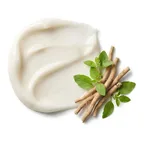 Adaptogenic Herbal Complex
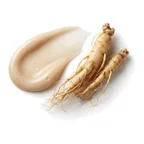 Panax Ginseng Root Extract
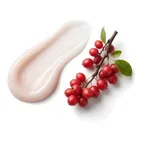 Schisandra Chinensis Fruit Extract
 Capryloyl Salicylic Acid
Average
- AverageOily Skin Fit
- AverageEffectiveness
- Low RiskSafety
Works for oily acne-prone skin; other serums fit it better.
This fit is calculated for the concerns frequently associated with oily acne-prone skin: shine, breakouts, blemishes, and enlarged pores. For scores and recommendations based on your full skin profile, including your 12D face scan results and any goals or preferences you have, please use the Lovi app.
Updated How the Fit score works
Lovi Assistant explains
- Offers moderate suitability for your oily skin as Panax Ginseng Root Extract and Schisandra Chinensis Fruit Extract work to enhance barrier resilience, while Capryloyl Salicylic Acid provides mild exfoliation to help with acne and breakouts.
- The presence of Alcohol Denat and Witch Hazel Water offers some oil control but may be drying for your oily skin, and additional seboregulating ingredients would provide more comprehensive oil management.
- The product is generally safe for your skin, with a low risk of irritation from Alcohol Denat and Capryloyl Salicylic Acid.
Buy online

Prices checked 20 Nov 2026
The Lovi Fit is the same in every country; only the stores and prices differ, and the ones here are for India.
How to apply
- Could be used as part of your PM routine. Start 3 times a week and build up to daily use if your skin tolerates it well.
- Apply your serum after cleansing and toning, but before putting on your moisturizer.
- Gently press 2 to 3 drops of the serum into your skin and let it absorb for a minute.
- Apply the serum on clean, dry skin to help manage your blemishes safely.
- Do a patch test before your first use and avoid the delicate eye area.
People Say
★4.3Overall rating based on 600+ reviewsUsers frequently praise this serum for its lightweight, milky texture that deeply hydrates and visibly plumps the skin, often noting a "glowy" and more resilient complexion after consistent use. The product is polarizing due to its strong herbal scent and high alcohol/essential oil content, which has caused irritation and breakouts for those with sensitive skin conditions.
Highlights
Deep hydration Mostly Mentioned
- “plumper skin”
- “softer feel”
- “bouncy texture”
- “instant moisture”
Lightweight texture Often Mentioned
- “fast-absorbing”
- “non-greasy”
- “milky consistency”
- “layers well”
Radiance boost Often Mentioned
- “healthy glow”
- “brighter complexion”
- “revitalized look”
- “less dullness”
Strong scent Often Mentioned
- “herbal smell”
- “medicinal odor”
- “earthy fragrance”
- “overpowering”
Skin strengthening Sometimes Noted
- “improved resilience”
- “smoother texture”
- “healthier barrier”
- “less fatigue”
High price Sometimes Noted
- “expensive”
- “pricey”
- “investment”
- “not budget-friendly”
Skin irritation Sometimes Noted
- “redness”
- “itchy bumps”
- “breakouts”
- “burning sensation”
Ingredient concerns Rarely Noted
- “high alcohol content”
- “essential oils”
- “potential sensitizers”
- “drying”
Sources: lovi.care, sephora.sg, lookfantastic.com, spacenk.com, tryandreview.com, skincare.com, and more
Questions and answers
How well does Kiehl's Super Serum work for oily acne-prone skin?
This serum works moderately well for oily acne-prone skin, as it helps strengthen the skin barrier and gently exfoliates to manage breakouts. However, ingredients like alcohol and witch hazel may be drying, and this skin type needs additional oil-controlling ingredients like niacinamide, propolis, or Vitamin C for better balance.
Journal of Cosmetic Dermatology, 2021Journal of Drugs in Dermatology, 2013
Which ingredients make this serum a good fit for oily acne-prone skin?
Panax ginseng root extract and schisandra chinensis fruit extract help strengthen your skin barrier, while capryloyl salicylic acid provides mild exfoliation to assist with breakouts.
What does Hyaluronic Acid do for oily acne-prone skin?
Hyaluronic acid helps calm oily acne-prone skin by decreasing oil production and reducing breakouts while keeping the skin hydrated. It may also improve skin barrier function and help deliver acne-fighting treatments gently without causing irritation.
What does Adaptogenic Herbal Complex do for oily acne-prone skin?
Adaptogenic Herbal Complex helps oily acne-prone skin by repairing the skin barrier and keeping things balanced. An average or poor fit for this skin type needs ingredients that regulate stress pathways and reduce oxidative stress without clogging pores.
Where does this serum go in a skincare routine for oily acne-prone skin?
This treatment goes in the evening routine, after cleansing and before moisturizing, though some serums can also be used in the morning or twice a day. This product works for your oily skin, but to give this skin type more comprehensive oil management, a product of this type needs additional seboregulating ingredients.
Can I use it with retinol, and in what order?
You can use this treatment with retinol by applying your retinol first at night, followed by this serum, though the alcohol and witch hazel may occasionally feel drying on oily skin. This product works well for your skin, but oily acne-prone skin needs additional oil-controlling ingredients and stronger pore-clearing acids for more comprehensive management.
How often should I use this serum?
You can use this treatment in the evening as part of your routine. This product offers moderate suitability for your oily skin, though an average fit of this type needs additional seboregulating ingredients for more comprehensive oil management.
Journal of Cosmetic Dermatology, 2021Journal of Drugs in Dermatology, 2013
Can it clog pores, cause breakouts or purging for oily acne-prone skin?
This treatment is unlikely to clog pores or cause breakouts on oily skin, as capryloyl salicylic acid helps with acne and mild exfoliation. However, alcohol denat and witch hazel water may sometimes be drying, so oily acne-prone skin needs additional oil-controlling ingredients for better balance.
Journal of Cosmetic Dermatology, 2021Journal of Drugs in Dermatology, 2013
Is this serum fragrance-free and alcohol-free?
It contains fragrance (limonene, eugenol, citral, citronellol, linalool, and geraniol) and drying alcohol (alcohol denat).
What the research says
Daily treatment with a facial serum containing multiple acids reduced post-inflammatory hyperchromia lesion grade and number by 29.4% at 56 days, and decreased skin oiliness by 30.7% at 7 days in Brazilian patients with acne vulgaris.
Journal of Cosmetic Dermatology, 2021A novel composition containing salicylic acid, capryloyl salicylic acid, HEPES, glycolic acid, citric acid, and dioic acid showed similar tolerance and efficacy compared with clindamycin 1% and benzoyl peroxide 5% gel in subjects with acne vulgaris.
Journal of Drugs in Dermatology, 2013Schisandrin A, B, and C inhibited Propionibacterium acnes-induced inflammatory cytokine release, decreased toll-like receptor 2 levels, and prevented NF-κB nuclear translocation in THP-1 human monocytic cells, with schisandrin B and C showing effects at lower concentrations than schisandrin A.
Inflammation, 2017Ethanol enhances skin lipid bilayer permeability through the dual actions of lipid extraction and increasing lipid chain mobility, driven by its superior ability to form hydrogen bonds with lipid headgroups.
RSC Advances, 2020Topical application of 0.1% hyaluronic acid formulations of different molecular weights led to significant improvements in skin hydration and elasticity, with low-molecular-weight formulations also significantly reducing wrinkle depth in seventy-six female subjects compared to a vehicle control.
Journal of Drugs in Dermatology, 2011Topical hyaluronic acid serum used twice daily by 40 females with facial photoaging produced an immediate 134% increase in skin hydration, a sustained 55% increase at week 6, and significant improvements in smoothness, plumping, fine lines, wrinkles, and global appearance without causing irritation.
Dermatology and Therapy, 2021A topical antioxidant serum significantly reduced air pollution-induced skin pigmentation and proinflammatory gene expression ex vivo, and improved skin aging signs in 40 healthy adult females after 90 days of daily use.
Journal of Cosmetic Dermatology, 2022Enzyme-modified ginseng extract cream significantly reduced the global photo-damage score and various roughness measures including total roughness, smoothness depth, and arithmetic roughness average compared to placebo in 23 human subjects.
Rejuvenation Research, 2015A red ginseng hydrogel formulation with 1,2-hexanediol promoted selective growth of Staphylococcus epidermidis and decreased Cutibacterium acnes in 20 female subjects.
Journal of Ginseng Research, 2022A cream containing 0.1% ginsenoside F1 demonstrated a skin-whitening effect on artificially tanned human skin after 8 weeks by enhancing interleukin-13 production from epidermal gamma-delta T cells, which subsequently suppressed tyrosinase and DCT expression and melanin synthesis in melanocytes.
Experimental Dermatology, 2014Exposure of epidermal full-thickness skin equivalents to a blend of betaine, pentylene glycol, Saccharomyces cerevisiae, and Rhodiola rosea root extract significantly increased antioxidant, skin barrier, and oxidative stress biomarkers while reducing the negative impact of hydrogen peroxide on MMP3, MMP12, FBN2, ANXA1, and HGF, whereas a blend of Narcissus tazetta bulb extract and Schisandra chinensis fruit extract significantly increased 8 growth factors, 7 signaling, 7 structural/barrier function, 7 oxidative stress biomarkers, and specific microRNAs over control levels.
International Journal of Molecular Sciences, 2018Aqueous Schisandra chinensis extracts promoted keratinocyte growth, demonstrated high antioxidant potential and strong tyrosinase inhibitory activity, and reduced skin irritation when added to body wash gel formulations.
Molecules, 2022Omija essential oil obtained by supercritical fluid extraction significantly reduced UV-B-induced ROS production in HaCaT keratinocytes and inhibited NO production in lipopolysaccharide-induced RAW 264.7 macrophages by suppressing iNOS expression and the NF-kappaB pathway.
Foods, 2021Combining a salicylic acid and lipohydroxy acid facial serum and mask improved closed comedones and acne severity significantly more than serum alone in adults with acne over 8 weeks, with no adverse reactions reported.
Journal of Cosmetic Dermatology, 2023Parity was demonstrated between an OTC BPO 5.5% formulation with lipohydroxy acid and tretinoin cream 0.025% versus prescription clindamycin 1%-BPO 5% gel and tretinoin cream 0.025% in participants with mild to moderate acne vulgaris at 12 weeks.
Cutis, 2012Daily use of a deep cleansing gel containing salicylic acid 2%, zinc gluconate 0.2% and lipohydroxy acid 0.05% significantly reduced total lesion count by 56.3% after 84 days in 35 subjects with mild to moderate truncal acne.
Clinical, Cosmetic and Investigational Dermatology, 2023
Why other serums fit oily acne-prone skin better
A cream combining propolis, tea tree oil, and Aloe vera reduced erythema scars, acne severity index, and total lesion count better than erythromycin cream in sixty patients with mild to moderate acne vulgaris compared to placebo.
Clinical Pharmacology, 2018Co-delivery of paeonol and madecassoside via nanoemulsions improved transdermal delivery, promoted barrier repair proteins, inhibited inflammatory cytokine secretion in cellular and 3D models, and reduced transepidermal water loss and acne in human facial skin compared to free components.
Molecules, 2023
Ingredients
Water, Dimethicone, Glycerin, Alcohol Denat, Hamamelis Virginiana Water Witch Hazel Water, Propanediol, Phenoxyethanol, Tocopherol, Ammonium Polyacryloyldimethyl Taurate, Schisandra Chinensis Fruit Extract, Capryloyl Salicylic Acid, Caprylyl Glycol, Xanthan Gum, Peg-60 Hydrogenated Castor Oil, Panax Ginseng Root Extract, Sodium Acetylated Hyaluronate, Peg-20 Methyl Glucose Sesquistearate, Disodium Edta, Ocimum Sanctum Leaf Extract, Citrus Aurantium Dulcis Orange Peel Oil, Limonene, Adenosine, Sodium Hydroxide, Methyldihydrojasmonate, Citric Acid, Eugenol, Sodium Benzoate, Pelargonium Graveolens Oil Flower, Citral, Potassium Sorbate, Lavandula Angustifolia Lavender Oil, Cymbopogon Schoenanthus Oil, Citronellol, Linalool, Geraniol, Rosmarinus Officinalis Rosemary Oil Leaf
Behind this fit score
Lovi calculates every fit score from the full ingredient list with brand-independent rules our dermatologists and cosmetic chemists build and review, and personalizes every pick with AI trained on the real results of millions of users. Lovi trains its fit score models on a proprietary dataset built from more than 10,000 expert-labeled products and more than 100,000 simulated examples, following an internally consistent methodology presented at Cosmoprof, AMWC, and Skin of Color Update.
-

Co-founder, Medical Director
Cosmetic chemist, cosmetologist, aesthetic products developer
-

Co-founder, CEO and CTO
PhD in computer science, 3x US patent holder, ex-Google, ex-Yandex
-

Dr. Sofía Perea Pérez, MD, MSc
Medical Board
Aesthetic medicine practitioner, MSc in Longevity and Anti-Aging Medicine
-

Medical Board
Specialist dermatologist, MBBS, MD, IFAAD
-

Medical Board
Cosmetic chemist, SCS, IFSCC member
-

Medical Board, Medical Advisor
Dermatology MD
-

Elina Nazarenko, MD
Medical Board
Dermatology and diagnostic consultant
-

Victoria Derkova, MS
Medical Board
Cosmetic chemist, cosmetic development technologist


How does it fit your skin?
Scan your face, then any product: Lovi shows how well it fits you and what fits even better.