
Dr. Dennis Gross Clarifying Colloidal Sulfur Mask for oily skin

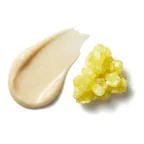 Colloidal Sulfur
 Zinc Oxide
 Licorice Root Extract
 Retinol
 Aloe Barbadensis Leaf Juice
High
- HighOily Skin Fit
- HighEffectiveness
- ExcellentSafety
A great choice for oily skin; a few cleansing masks fit it even better.
This fit is calculated for the concerns frequently associated with oily skin: shine, enlarged pores, blackheads, and blemishes. For scores and recommendations based on your full skin profile, including your 12D face scan results and any goals or preferences you have, please use the Lovi app.
Updated How the Fit score works
Lovi Assistant explains
- Highly suitable for your oily skin, this mask effectively controls shine with colloidal sulfur and zinc oxide, which decongest pores and reduce blemishes.
- Glycerin and aloe barbadensis leaf juice provide supportive hydration and soothing benefits, complementing the primary oil-control function.
- The formula is safe for your skin, featuring soothing ingredients like aloe barbadensis leaf juice and bisabolol with no harsh or prohibited substances.
How to apply
- Use this cleansing mask PM as part of your weekly routine, starting 1×/week and working up if tolerated.
- Apply this cleansing mask after your cleanser and enzyme powder, and before applying your hydrating toner.
- Smooth an even layer over your face using clean fingers, avoiding harsh rubbing.
- Apply this cleansing mask on clean, dry skin to help control excess oil effectively.
- Avoid the sensitive eye area and always do a patch test before your first use.
People Say
★4.4Overall rating based on 100+ reviewsBased on limited data, users frequently report that this mask effectively calms inflammation, reduces redness, and shrinks active breakouts, often with overnight improvements, making it particularly beneficial for acne-prone and oily skin. A notable drawback is the strong sulfur scent, and some users express frustration with the pump packaging.
Highlights
Rapid acne reduction Mostly Mentioned
- “pimples dramatically reduced”
- “stops spots in tracks”
- “calms aggravated acne”
- “zaps zits fast”
Soothes redness Often Mentioned
- “calmed the redness”
- “minimizes inflammation”
- “skin less angry”
- “takes away redness”
Unpleasant sulfur scent Often Mentioned
- “smells like rotten eggs”
- “stinks”
- “smell is strong”
- “scent lingers”
Non-drying formula Sometimes Noted
- “doesn't dry out skin”
- “skin feels soft”
- “not tight”
- “moisturizing for clay”
Pore and oil control Sometimes Noted
- “pores vanished”
- “absorbs excess oil”
- “blackheads minimized”
- “skin less oily”
Versatile use Sometimes Noted
- “overnight spot treatment”
- “great under makeup”
- “use as primer”
- “leave on overnight”
Faulty pump packaging Sometimes Noted
- “pump is terrible”
- “hard to get out”
- “had to unscrew top”
- “pump stopped working”
High price point Rarely Noted
- “pricey for size”
- “expensive”
- “wish it was cheaper”
- “costly investment”
Potential irritation Rarely Noted
- “broke me out”
- “caused peeling”
- “eyes watered”
- “too strong”
Texture issues Rarely Noted
- “pills up”
- “hard to spread”
- “thick consistency”
- “crumbles if rubbed”
Sources: lovi.care, dermstore.com, lookfantastic.com, lovelyskin.com, influenster.com, cultbeauty.co.uk, and more
Questions and answers
What makes Dr. Dennis Gross Clarifying Colloidal Sulfur Mask a great fit for oily skin?
This mask is a great fit because colloidal sulfur and zinc oxide help control shine, clear pores, and reduce blemishes. Glycerin and aloe leaf juice also add soothing hydration, keeping oily skin calm and comfortable.
Which ingredients make this mask a good fit for oily skin?
Colloidal sulfur and zinc oxide make this mask a great fit because they help control shine, clear out pores, and reduce blemishes. Glycerin and aloe barbadensis leaf juice add supportive hydration and help keep your skin calm.
Journal of Controlled Release, 2025Clinical, Cosmetic and Investigational Dermatology, 2017
What does Sulfur do for oily skin?
Sulfur helps calm oily and breakout-prone skin by reducing irritation and managing common skin concerns with a low chance of side effects. This ingredient works to clear up blemishes and is generally well tolerated when added to your routine.
Free Radical Biology & Medicine, 2022Journal of Drugs in Dermatology, 2004
What does Zinc Oxide do for oily skin?
Zinc oxide helps calm oily and breakout-prone skin by reducing redness and targeting blemish-causing bacteria. It also may help balance oil production while keeping your skin feeling comfortable.
Where does this mask go in a skincare routine for oily skin?
This cleansing mask is designed for your weekly routine, where it goes after your makeup remover, cleanser, and enzyme powder, and before your hydrating toner and treatment. Colloidal sulfur and zinc oxide help control shine and decongest pores, while glycerin and aloe leaf juice provide soothing hydration.
Can I use this mask with glycolic acid, and in what order?
It is best not to use this mask in the same routine as glycolic acid, because combining strong exfoliating ingredients may cause too much irritation and redness for your skin. Instead, you can use them on alternating days or keep glycolic acid for your morning routine and save this mask for your weekly treatments.
How often should I use this mask?
This mask is a great fit for your oily skin, so you can use it weekly as part of your routine. Colloidal sulfur and zinc oxide help control shine and clear pores, while glycerin and aloe leaf juice provide soothing hydration.
Can this mask clog pores, cause breakouts or purging for oily skin?
This mask is unlikely to clog pores or cause breakouts because it uses colloidal sulfur and zinc oxide to clear out pores and manage excess oil. The formula also includes soothing ingredients like aloe to help keep skin calm.
Is this mask fragrance-free and alcohol-free?
It has no drying alcohol and contains fragrance (farnesol). Cetearyl alcohol is a fatty alcohol, which soften the skin.
What the research says
Biomimetic hyaluronic acid-stabilized zinc oxide nanoparticles selectively inhibited C. acnes, outperformed erythromycin in preclinical acne models, and safely reduced acne lesions and redness in a clinical trial.
Journal of Controlled Release, 2025A single application of a moisturizing fluid containing hyaluronic acid 1%, glycerin 5%, and Centella asiatica stem cells extract significantly increased skin hydration by 29% and reduced transepidermal water loss at 24 hours compared to baseline and an untreated control site in twenty healthy women.
Clinical, Cosmetic and Investigational Dermatology, 2017Application of an alpha-bisabolol-containing cream produced a significant skin-lightening effect in pigmented skin compared to a vehicle control in the majority of female subjects after 8 weeks.
International Journal of Cosmetic Science, 2010Topical application of 5% permethrin, crotamiton, and 10% sulfur ointment achieved equal efficacy in 54 patients with scabies at 4-week follow up, but permethrin demonstrated faster improvement at the first and second-week follow ups.
Journal of Arthropod-borne Diseases, 2017Topical application of precipitated sulphur 2-8% petrolatum achieved a 95% clinical and ectoparasitological cure rate in 40 ambulatory scabies patients without relevant adverse effects.
Revista de Investigacion Clinica; Organo Del Hospital de Enfermedades de la Nutricion, 2004Topical 10% benzoyl peroxide and 2%-5% sulfur cream achieved "good" to "excellent" results with no undesirable side effects in 113 consecutive patients with acne.
Canadian Medical Association Journal, 1966Topical 0.5% hyaluronic-ZnO nanogel applied twice daily reduced inflammatory-lesion counts by 58% at week four in human subjects compared to baseline without causing erythema.
Biomedicines, 2025Daily use of a deep cleansing gel containing salicylic acid 2%, zinc gluconate 0.2% and lipohydroxy acid 0.05% significantly reduced total lesion count by 56.3% after 84 days in 35 subjects with mild to moderate truncal acne.
Clinical, Cosmetic and Investigational Dermatology, 2023Topical zinc oxide nanogels formulated using Dendrobium anosmum showed greater effectiveness against Gram-positive acne-causing bacteria compared to chemogenic nanoparticles.
Molecules, 2023Combining 755 nm alexandrite laser with topical licorice gel significantly reduces terminal hair counts compared to alexandrite laser with placebo in women with idiopathic hirsutism.
Evidence-based Complementary and Alternative Medicine, 2015Licochalcone A activated Nrf2 signaling, elevated cytoprotective enzymes, increased the reduced-to-oxidized glutathione ratio, and decreased reactive oxygen species in human fibroblasts and neutrophils, while a LicA-rich licorice extract lowered UVA-induced oxidative processes in vivo.
Experimental Dermatology, 2015Mesoporous silica nanoparticles entrapping licorice polysaccharide and coated with polydopamine showed 76% entrapment efficiency, 89% in vitro release at pH 5, increased sebocytes' cellular uptake, and mediated inflammatory response by inhibiting pro-inflammatory cytokines and regulating anti-inflammatory cytokines.
Carbohydrate Polymers, 2024Topical bakuchiol 0.5% applied twice daily compared with retinol 0.5% applied daily significantly decreased wrinkle surface area and hyperpigmentation with no statistical difference between the compounds in 44 patients over 12 weeks, while retinol users reported more facial skin scaling and stinging.
The British Journal of Dermatology, 2019Topical 0.3% and 1% retinol comparably improved biomarkers of cutaneous photoageing in photoaged volunteers, while 0.3% retinol demonstrated better tolerance with fewer and milder adverse events compared to 1% retinol in a daily escalation regimen.
International Journal of Cosmetic Science, 2022Daily application of 0.3% and 0.5% retinol serums in 37 volunteers over 12 weeks reduced skin hyperpigmentation, unevenness, and wrinkles on both sides of the face, with the 0.5% concentration causing more frequent and intense skin irritation.
Skin Pharmacology and Physiology, 2020A cream combining propolis, tea tree oil, and Aloe vera reduced erythema scars, acne severity index, and total lesion count better than erythromycin cream in sixty patients with mild to moderate acne vulgaris compared to placebo.
Clinical Pharmacology, 2018Formulations containing 0.10%, 0.25%, and 0.50% freeze-dried Aloe vera extract increased stratum corneum water content compared with the vehicle in 20 female subjects, while transepidermal water loss was not modified.
Skin Research and Technology, 2006Kombucha-mediated fermentation of aloe vera gel for 10 and 20 days enhanced its phenolic and flavonoid content, antioxidant capacity, cytoprotective effects, enzyme inhibition against collagenase, elastase, and hyaluronidase, and moisturizing properties compared to unfermented gel.
Molecules, 2025
Ingredients
Water, Kaolin, Colloidal Sulfur, Glyceryl Stearate, Glycerin, Peg-100 Stearate, Butylene Glycol, Cetearyl Alcohol, Acacia Senegal Gum, Aloe Barbadensis Leaf Juice, Zinc Oxide, Bentonite, Carthamus Tinctorius Seed Oil, Opuntia Vulgaris Extract, Willow Bark Extract, Bisabolol, Glycyrrhiza Glabra Root Extract Licorice Root Extract, Farnesol, Rosamarinus Officinalis Oil Leaf Rosemary Oil Leaf, Phenylethyl Resorcinol, Retinol, Tocopheryl Acetate Vitamin E, Sodium Pca, Ethylhexylglycerin, Allantoin, Bht, Phenoxyethanol
Behind this fit score
Lovi calculates every fit score from the full ingredient list with brand-independent rules our dermatologists and cosmetic chemists build and review, and personalizes every pick with AI trained on the real results of millions of users. Lovi trains its fit score models on a proprietary dataset built from more than 10,000 expert-labeled products and more than 100,000 simulated examples, following an internally consistent methodology presented at Cosmoprof, AMWC, and Skin of Color Update.
-

Co-founder, Medical Director
Cosmetic chemist, cosmetologist, aesthetic products developer
-

Co-founder, CEO and CTO
PhD in computer science, 3x US patent holder, ex-Google, ex-Yandex
-

Dr. Sofía Perea Pérez, MD, MSc
Medical Board
Aesthetic medicine practitioner, MSc in Longevity and Anti-Aging Medicine
-

Medical Board
Specialist dermatologist, MBBS, MD, IFAAD
-

Medical Board
Cosmetic chemist, SCS, IFSCC member
-

Medical Board, Medical Advisor
Dermatology MD
-

Elina Nazarenko, MD
Medical Board
Dermatology and diagnostic consultant
-

Victoria Derkova, MS
Medical Board
Cosmetic chemist, cosmetic development technologist


How does it fit your skin?
Scan your face, then any product: Lovi shows how well it fits you and what fits even better.