
cocokind Ceramide Barrier Serum for acne-prone skin

 Ceramides
 Aloe Barbadensis Leaf Juice
 Squalane
 Glycerin
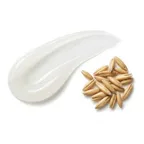 Beta-Glucan
Superior
- SuperiorCombination Skin Fit
- HighEffectiveness
- ExcellentSafety
One of the best moisturizers for acne-prone skin.
- The Australasian Journal of Dermatology, 1992
- Clinical, Cosmetic and Investigational Dermatology, 2019
This fit is calculated for the concerns frequently associated with acne-prone skin: breakouts, blackheads, and post-acne marks. For scores and recommendations based on your full skin profile, including your 12D face scan results and any goals or preferences you have, please use the Lovi app.
Updated How the Fit score works
Lovi Assistant explains
- Excellent suitability for your combination skin is provided by ceramides, squalane, and cholesterol, which repair and strengthen your skin barrier, while gluconolactone and lactic acid offer mild exfoliation to address acne and blemishes.
- The formula also contains aloe and beta-glucan, which soothe and hydrate, ensuring a comfortable experience for your non-sensitive skin.
- This product is safe for your skin, containing no harsh ingredients and featuring a blend of soothing agents.
How to apply
- Use your moisturizer twice a day in your AM and PM routines. Apply it daily to help keep breakouts under control.
- Apply after your cleanser and toner, and make sure to use your SPF right after in the morning.
- Gently spread a small amount of moisturizer over your face using soft motions. Let it absorb into the skin for a minute before getting dressed or applying makeup.
- Apply on slightly damp skin to help lock in extra moisture. This keeps your combination skin balanced without feeling heavy.
- Avoid the eye area and do a patch test before your first use. Stop using if you feel any irritation.
People Say
★4.8Overall rating based on 3.4k+ reviewsBased on a very large amount of data, users with dry, sensitive, and acne-prone skin frequently praise this serum for its ability to repair damaged skin barriers and provide deep, non-greasy hydration. The vast majority report softer, plumper, and calmer skin, while a small subset of users experienced adverse reactions like breakouts or burning sensations.
Highlights
Deep hydration Mostly Mentioned
- “noticeably hydrated”
- “no dry patches”
- “plump look”
Barrier repair Often Mentioned
- “strengthened skin barrier”
- “restored healthy structure”
- “calms irritation”
Lightweight texture Often Mentioned
- “absorbs quickly”
- “non-greasy”
- “milky texture”
- “non-sticky”
Gentle formulation Sometimes Noted
- “fragrance-free”
- “cruelty-free”
- “safe for sensitive skin”
Soothing effect Sometimes Noted
- “soothes irritation”
- “calms redness”
- “comforts skin”
Caused breakouts Rarely Noted
- “tiny skin-toned bumps”
- “whiteheads”
- “closed comedones”
- “cystic acne”
Irritating sensation Rarely Noted
- “burning sensation”
- “red splotches”
- “beet red face”
- “stinging”
Not effective Rarely Noted
- “did nothing”
- “not enough moisture”
- “just okay”
Packaging concerns Rarely Noted
- “dropper issues”
- “cap cannot be recycled”
Pilling issues Rarely Noted
- “made moisturizer pill”
- “didn't blend well”
- “pilling under makeup”
Sources: lovi.care, ulta.com, target.com, walmart.com, skinsort.com, reddit.com, and more
Questions and answers
What makes cocokind Ceramide Barrier Serum one of the best fits for acne-prone skin?
This serum is one of the best fits because ceramides, squalane, and cholesterol strengthen your skin barrier while gluconolactone and lactic acid gently exfoliate to help clear acne and blemishes. It also includes soothing aloe and beta-glucan to keep your skin calm and comfortable.
Which ingredients make this serum a good fit for acne-prone skin?
Ceramides, squalane, and cholesterol strengthen your skin barrier, while gluconolactone and lactic acid provide mild exfoliation to address acne and blemishes. These ingredients help improve breakouts safely without harsh side effects.
What do Ceramides do for acne-prone skin?
Ceramides help acne-prone skin by restoring a damaged water barrier, reducing dryness and redness from acne treatments, and lowering inflammation. Because acne-prone skin often lacks these key fats, products for this skin type need ceramides to soothe irritation and keep the barrier strong.
What does Aloe Vera Leaf Juice do for acne-prone skin?
Aloe Vera Leaf Juice helps calm acne-prone skin and may reduce redness, bumps, and spots when used consistently. Studies show it helps clear breakouts and keeps skin smooth by fighting blemish-causing factors.
Clinical Pharmacology, 2018The Journal of Dermatological Treatment, 2014
Where does this serum go in a skincare routine for acne-prone skin?
This treatment goes in the evening routine, after cleansing and before moisturizing, for simplicity and extra safety around sun exposure. Some serums can also be used in the morning or twice a day if your skin tolerates them well.
Can I use this serum with retinol, and in what order?
Yes, you can use this serum with retinol to help keep your skin calm and hydrated while addressing acne. Apply the serum before your retinol to help strengthen your skin barrier and reduce dryness or irritation.
How often should I use this serum?
You can use this treatment serum in the evening as part of your routine. Daily application helps improve hydration and skin texture while keeping your skin calm and smooth.
Journal of Cosmetic Dermatology, 2020Health Science Reports, 2021
Can this serum clog pores, cause breakouts or purging for acne-prone skin?
This serum is one of the best fits for acne-prone skin because ceramides, squalane, and cholesterol strengthen your skin barrier while mild exfoliants help address blemishes. Reviewers rarely mention breakouts, and the formula is unlikely to cause irritation since it contains no harsh ingredients.
Can I use this serum around the eyes or on my body?
You can use this serum around your eyes and on your body, but keep in mind that the skin there is very thin and requires products with high skin tolerance. The soothing agents and gentle ingredients in this formula help ensure a safe experience on delicate areas.
Is this serum fragrance-free and alcohol-free?
Yes, it has no fragrance and no drying alcohol. Cetyl alcohol is a fatty alcohol, which soften the skin.
What the research says
Gluconolactone 14% solution significantly improved mild to moderate acne by reducing inflamed and non-inflamed lesions similarly to 5% benzoyl peroxide, but with fewer side-effects in 150 patients.
The Australasian Journal of Dermatology, 1992Glycolic acid, salicylic acid, gluconolactone, and licochalcone A combined with 0.1% adapalene showed no hindrance compared to adapalene monotherapy and provided benefits in reducing complications in 25 subjects with mild-to-moderate acne vulgaris.
Clinical, Cosmetic and Investigational Dermatology, 2019A cream combining propolis, tea tree oil, and Aloe vera reduced erythema scars, acne severity index, and total lesion count better than erythromycin cream in sixty patients with mild to moderate acne vulgaris compared to placebo.
Clinical Pharmacology, 2018Ceramide and niacinamide-containing moisturizer combined with anti-acne treatment significantly improved non-inflammatory, inflammatory, and total acne lesions compared to hydrophilic cream in 40 patients with mild to moderate acne vulgaris after 8 weeks.
Journal of Cosmetic Dermatology, 2024Topical application of a pseudo-ceramide-containing spray improved stratum corneum water content, transepidermal water loss, cell area, and scaling score, and normalized the ceramide profile in patients with dry and sensitive skin compared to a control spray.
Journal of Cosmetic Dermatology, 2025Formulations containing 0.10%, 0.25%, and 0.50% freeze-dried Aloe vera extract increased stratum corneum water content compared with the vehicle in 20 female subjects, while transepidermal water loss was not modified.
Skin Research and Technology, 2006Kombucha-mediated fermentation of aloe vera gel for 10 and 20 days enhanced its phenolic and flavonoid content, antioxidant capacity, cytoprotective effects, enzyme inhibition against collagenase, elastase, and hyaluronidase, and moisturizing properties compared to unfermented gel.
Molecules, 2025Aloe vera gel phenolic and polysaccharide extracts demonstrated distinct wound-healing properties in vitro, with the phenolic extract exhibiting anti-inflammatory, antioxidant, and fibroblast-stimulating effects, and the polysaccharide extract showing enhanced collagen synthesis and antibacterial activity against Staphylococcus aureus.
Journal of Functional Biomaterials, 2024Application of fullerene-C60 dissolved in squalane cream twice daily for 8 weeks significantly enhanced skin moisture and reduced wrinkle formation compared to placebo in 23 Japanese women without severe side effects.
Journal of Nanoscience and Nanotechnology, 2010Squalane at 0.005-0.015% counteracts UVA-induced oxidative stress, inflammation, and collagen metabolism inhibition while stimulating fibroblast migration in human dermal fibroblasts.
Molecules, 2025Plant-derived squalane protected human dermal fibroblasts against UVA-induced damage by counteracting ROS formation, suppressing apoptosis-related proteins p53, caspase-3, caspase-9, and PARP, and restoring the pro-survival p-Akt/mTOR pathway.
Antioxidants, 2025A single application of a moisturizing fluid containing hyaluronic acid 1%, glycerin 5%, and Centella asiatica stem cells extract significantly increased skin hydration by 29% and reduced transepidermal water loss at 24 hours compared to baseline and an untreated control site in twenty healthy women.
Clinical, Cosmetic and Investigational Dermatology, 2017The emollient V0034CR significantly reduced TEWL compared to vehicle and vehicle plus glycerol, and significantly increased corneometry scores compared to vehicle and vehicle plus petrolatum in healthy volunteers with dry skin, demonstrating combined barrier function improvement from petrolatum and hydration improvement from glycerol.
Journal of Cosmetic Dermatology, 2020Ten days of treatment with a cream containing 20% glycerin significantly increased skin hydration measured by corneometer values in 17 healthy volunteers compared to a placebo cream, but showed no influence on transepidermal water loss or skin sensitivity to an irritating surfactant.
International Journal of Cosmetic Science, 2001Cereal- and microorganism-derived beta-glucans exhibit beneficial skin health promotion effects including antioxidant, anti-wrinkle, anti-ultraviolet, wound healing, and moisturizing activities.
Phytotherapy Research, 2014Colloidal oatmeal acts as a cleanser, moisturizer, buffer, and soothing anti-inflammatory agent due to its starches, beta-glucan, phenols, and saponins, relieving itch and irritation in xerotic dermatoses.
Journal of Drugs in Dermatology, 2007Topical application of oat beta-glucan ameliorates epidermal hyperplasia and accelerates epidermal barrier recovery by promoting keratinocyte differentiation through dectin-1-mediated ERK and p38 signaling pathways that upregulate CaSR expression.
International Journal of Biological Macromolecules, 2021
Ingredients
Aloe Barbadensis Leaf Juice, Propanediol, Squalane, Glycerin, Sodium Citrate, Gluconolactone, Arginine, Lactic Acid, Musa Sapientum Fruit Extract, Lysolecithin, Sclerotium Gum, Sodium Benzoate, Pullulan, Xanthan Gum, Ceteareth-25, Beta-Glucan, Tocopherol, Cetyl Alcohol, Caprylyl Glycol, Helianthus Annuus Seed Oil Sunflower Seed Oil, Silica, Behenic Acid, Cholesterol, Ceramide Np, Calcium Gluconate, Ceramide Ns, Ceramide Ap, Ceramide Eos, Ceramide Eop, Caprooyl Phytosphingosine, Caprooyl Sphingosine
Behind this fit score
Lovi calculates every fit score from the full ingredient list with brand-independent rules our dermatologists and cosmetic chemists build and review, and personalizes every pick with AI trained on the real results of millions of users. Lovi trains its fit score models on a proprietary dataset built from more than 10,000 expert-labeled products and more than 100,000 simulated examples, following an internally consistent methodology presented at Cosmoprof, AMWC, and Skin of Color Update.
-

Co-founder, Medical Director
Cosmetic chemist, cosmetologist, aesthetic products developer
-

Co-founder, CEO and CTO
PhD in computer science, 3x US patent holder, ex-Google, ex-Yandex
-

Dr. Sofía Perea Pérez, MD, MSc
Medical Board
Aesthetic medicine practitioner, MSc in Longevity and Anti-Aging Medicine
-

Medical Board
Specialist dermatologist, MBBS, MD, IFAAD
-

Medical Board
Cosmetic chemist, SCS, IFSCC member
-

Medical Board, Medical Advisor
Dermatology MD
-

Elina Nazarenko, MD
Medical Board
Dermatology and diagnostic consultant
-

Victoria Derkova, MS
Medical Board
Cosmetic chemist, cosmetic development technologist


How does it fit your skin?
Scan your face, then any product: Lovi shows how well it fits you and what fits even better.