
CeraVe Hydrating Cream-to-Foam Cleanser for dry sensitive skin

 3 Essential Ceramides
 Sodium Hyaluronate
 Glycerin
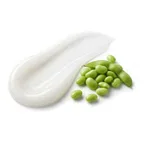 Amino Acids
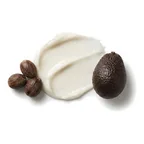 Coconut Acid
High
- HighDry Skin Fit
- HighEffectiveness
- HighSafety
A great choice for dry sensitive skin; a few cleansers fit it even better.
This fit is calculated for the concerns frequently associated with dry sensitive skin: flakiness, tightness, redness, fine lines, and wrinkles. For scores and recommendations based on your full skin profile, including your 12D face scan results and any goals or preferences you have, please use the Lovi app.
Updated How the Fit score works
Lovi Assistant explains
- Highly suitable for your dry and sensitive skin as ceramides and hyaluronic acid support skin hydration and barrier function, while sodium methyl cocoyl taurate and coco-betaine effectively cleanse without stripping. Glycerin and sodium hyaluronate provide humectant action, complementing the barrier repair from ceramides for optimal skin comfort.
- The formulation is safe for your dry and sensitive skin, containing no harsh or prohibited ingredients that could cause irritation.
How to apply
- Use your cleanser AM and PM every day to keep your face fresh. Start slowly once a day if your dry skin feels sensitive at first.
- Apply your cleanser first thing in your routine before any toner or moisturizer. Follow the usual steps for your AM or PM daily routine.
- Gently massage the cleanser onto your face using soft circular motions. Avoid harsh rubbing to protect your dry skin.
- Apply the cleanser to slightly damp skin to help it clean gently without stripping moisture. This method is very safe for sensitive and dry skin types.
- Rinse thoroughly with lukewarm water and avoid the delicate eye area. Always do a patch test before using the product for the first time.
People Say
★4.6Overall rating based on 2.0k+ reviewsBased on a very large amount of data, users with normal to dry skin frequently praise this cleanser for its effective makeup and sunscreen removal while maintaining skin hydration. A small number of users with sensitive or acne-prone skin reported experiencing burning sensations or breakouts.
Highlights
Effective makeup removal Mostly Mentioned
- “Melts makeup off”
- “Removes long-wear foundation”
- “No residue left”
- “Takes off sunscreen”
Non-stripping hydration Mostly Mentioned
- “Skin feels soft”
- “Not tight after washing”
- “Doesn't strip moisture”
- “Good for dry skin”
Pleasant texture Often Mentioned
- “Nice rich lather”
- “Creamy to foam”
- “Best of both worlds”
- “Luxurious feel”
Gentle formula Sometimes Noted
- “Fragrance-free”
- “Gentle daily wash”
- “Doesn't sting eyes”
- “Great for sensitive skin”
Burning sensation Rarely Noted
- “Eyes were swollen/burning”
- “Burning lips”
- “Stings sensitive areas”
- “Face felt on fire”
Caused breakouts Rarely Noted
- “Caused cystic acne”
- “Whiteheads appeared”
- “Broke me out”
- “Clogged my pores”
Drying for some Rarely Noted
- “Felt tight after use”
- “Dried out my skin”
- “Not hydrating enough”
- “Flaky patches appeared”
Unpleasant smell Rarely Noted
- “Plastic smell”
- “Chemical scent”
- “Smells like glue”
- “Odd odor”
Sources: lovi.care, cerave.com, influenster.com, ulta.com, target.com, reddit.com, and more
Questions and answers
What makes CeraVe Cream-to-Foam Cleanser a great fit for dry sensitive skin?
CeraVe Hydrating Cream-to-Foam Cleanser is a great fit because ceramides and hyaluronic acid help support skin hydration and barrier function, while gentle cleansers lift dirt without stripping. Glycerin and sodium hyaluronate provide moisture to keep your skin feeling soft and comfortable without irritation.
Which ingredients make this cleanser a good fit for dry sensitive skin?
This cleanser is a great fit because ceramides and hyaluronic acid help keep dry skin hydrated and protect its barrier. Glycerin and amino acids also support skin comfort, while gentle cleansers wash away dirt without stripping natural moisture.
What do Ceramides do for dry sensitive skin?
Ceramides help keep dry sensitive skin calm and soft by strengthening the outer skin barrier and locking in moisture. Using them regularly may significantly reduce water loss and improve overall skin comfort.
What does Hyaluronic Acid do for dry sensitive skin?
Hyaluronic Acid helps dry sensitive skin by bringing in moisture to make the skin feel soft and smooth while improving hydration without causing irritation.
Where does this cleanser go in a skincare routine for dry sensitive skin?
This cleanser goes as the first step in both your morning and evening routines. Using a mild cleanser like this helps remove impurities while keeping your skin calm and comfortable.
Can I use this cleanser with retinol, and in what order?
You can use this cleanser with retinol by applying the cleanser first, gently washing your skin before putting on your retinol. Using a gentle cleanser helps wash your face without stripping moisture, which supports your skin barrier when using strong treatments like retinol.
How often should I use this cleanser?
You can use this cleanser twice a day in your morning and evening routine, as it gently washes your face without drying out your skin. Using a mild cleanser like this regularly helps maintain moisture and keeps sensitive skin feeling soft and comfortable.
Can this cleanser clog pores, cause breakouts or purging for dry sensitive skin?
This cleanser is unlikely to clog pores or cause breakouts for dry sensitive skin, as it has a very low likelihood of causing these issues in reviews and avoids harsh ingredients. Glycerin and hyaluronic acid help keep skin comfortable and balanced while cleansing.
Can I use this cleanser around the eyes or on my body?
Yes, you can use this cleanser on your body and around the eyes because its gentle formulation cleanses effectively without stripping moisture. Its ceramides, glycerin, and hyaluronic acid help keep sensitive areas comfortable and hydrated.
Is this cleanser fragrance-free and alcohol-free?
Yes, it has no fragrance and no drying alcohol. Cetearyl alcohol is a fatty alcohol, which soften the skin.
What the research says
A single application of a moisturizing fluid containing hyaluronic acid 1%, glycerin 5%, and Centella asiatica stem cells extract significantly increased skin hydration by 29% and reduced transepidermal water loss at 24 hours compared to baseline and an untreated control site in twenty healthy women.
Clinical, Cosmetic and Investigational Dermatology, 2017Ceramide and niacinamide-containing moisturizer combined with anti-acne treatment significantly improved non-inflammatory, inflammatory, and total acne lesions compared to hydrophilic cream in 40 patients with mild to moderate acne vulgaris after 8 weeks.
Journal of Cosmetic Dermatology, 2024Topical application of a pseudo-ceramide-containing spray improved stratum corneum water content, transepidermal water loss, cell area, and scaling score, and normalized the ceramide profile in patients with dry and sensitive skin compared to a control spray.
Journal of Cosmetic Dermatology, 2025Topical application of 0.1% hyaluronic acid formulations of different molecular weights led to significant improvements in skin hydration and elasticity, with low-molecular-weight formulations also significantly reducing wrinkle depth in seventy-six female subjects compared to a vehicle control.
Journal of Drugs in Dermatology, 2011Topical hyaluronic acid serum used twice daily by 40 females with facial photoaging produced an immediate 134% increase in skin hydration, a sustained 55% increase at week 6, and significant improvements in smoothness, plumping, fine lines, wrinkles, and global appearance without causing irritation.
Dermatology and Therapy, 2021A topical antioxidant serum significantly reduced air pollution-induced skin pigmentation and proinflammatory gene expression ex vivo, and improved skin aging signs in 40 healthy adult females after 90 days of daily use.
Journal of Cosmetic Dermatology, 2022The emollient V0034CR significantly reduced TEWL compared to vehicle and vehicle plus glycerol, and significantly increased corneometry scores compared to vehicle and vehicle plus petrolatum in healthy volunteers with dry skin, demonstrating combined barrier function improvement from petrolatum and hydration improvement from glycerol.
Journal of Cosmetic Dermatology, 2020Ten days of treatment with a cream containing 20% glycerin significantly increased skin hydration measured by corneometer values in 17 healthy volunteers compared to a placebo cream, but showed no influence on transepidermal water loss or skin sensitivity to an irritating surfactant.
International Journal of Cosmetic Science, 2001Niacinamide/glycerin body moisturizers provided better rapid and prolonged improvement of cosmetic xerosis through functional improvement of stratum corneum barrier function compared to no treatment and conventional moisturizers in female subjects.
Journal of Drugs in Dermatology, 2012Topical preparations containing zinc(II) complexes with glycine and histidine effectively treat acne skin by providing high antibacterial activity against C. acnes and low cytotoxicity for skin cells, with no observed irritation or allergy in healthy volunteers.
International Journal of Molecular Sciences, 2021Mycosporine-like amino acids serve as promising multifunctional natural ingredients for sun care products, offering UV protection, anti-photoaging, and skin renewal benefits.
Marine Drugs, 2017An analysis of 14 patents filed between 2014 and 2024 revealed the increasing use of mycosporine-like amino acids in sunscreens, anti-aging creams, and antioxidant formulations, featuring enhanced water resistance, increased SPF, and defense against electromagnetic radiation.
Photochemical & Photobiological Sciences, 2025
Ingredients
Water, Glycerin, Sodium Methyl Cocoyl Taurate, Coco-Betaine, Sodium Cocoyl Isethionate, Sodium Chloride, Pca, Ppg-5-Ceteth-20, Peg-100 Stearate, Peg-150 Pentaerythrityl Tetrastearate, Peg-6 Caprylic Capric Glycerides, Peg-30 Dipolyhydroxystearate, Ci 77891 Titanium Dioxide, Aspartic Acid, Ceramide Np, Ceramide Ap, Ceramide Eop, Sorbitan Isostearate, Carbomer, Glycol Distearate, Glyceryl Stearate, Glyceryl Oleate, Glycine, Trideceth-6, Cetearyl Alcohol, Behentrimonium Methosulfate, Threonine, Sodium Hydroxide, Salicylic Acid, Sodium Pca, Sodium Lactate, Arginine, Sodium Lauroyl Lactylate, Serine, Sodium Benzoate, Valine, Sodium Hyaluronate, Proline, Isoleucine, Cholesterol, Phenoxyethanol, Alanine, Phenylalanine, Coconut Acid, Coco-Glucoside, Chlorphenesin, Disodium Edta, Hydroxyethyl Urea, Citric Acid, Hydroxyethyl Acrylate Sodium Acryloyldimethyl Taurate Copolymer, Caprylyl Glycol, Phytosphingosine, Xanthan Gum, Histidine, Acrylates C10-30 Alkyl Acrylate Crosspolymer, Polyquaternium-53, Polyquaternium-39, Polysorbate 60, Ethylhexylglycerin, Benzoic Acid
Behind this fit score
Lovi calculates every fit score from the full ingredient list with brand-independent rules our dermatologists and cosmetic chemists build and review, and personalizes every pick with AI trained on the real results of millions of users. Lovi trains its fit score models on a proprietary dataset built from more than 10,000 expert-labeled products and more than 100,000 simulated examples, following an internally consistent methodology presented at Cosmoprof, AMWC, and Skin of Color Update.
-

Co-founder, Medical Director
Cosmetic chemist, cosmetologist, aesthetic products developer
-

Co-founder, CEO and CTO
PhD in computer science, 3x US patent holder, ex-Google, ex-Yandex
-

Dr. Sofía Perea Pérez, MD, MSc
Medical Board
Aesthetic medicine practitioner, MSc in Longevity and Anti-Aging Medicine
-

Medical Board
Specialist dermatologist, MBBS, MD, IFAAD
-

Medical Board
Cosmetic chemist, SCS, IFSCC member
-

Medical Board, Medical Advisor
Dermatology MD
-

Elina Nazarenko, MD
Medical Board
Dermatology and diagnostic consultant
-

Victoria Derkova, MS
Medical Board
Cosmetic chemist, cosmetic development technologist


How does it fit your skin?
Scan your face, then any product: Lovi shows how well it fits you and what fits even better.