
Biossance Squalane + Probiotic Gel Moisturizer for acne-prone skin

 Squalane
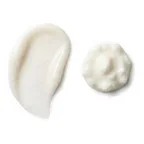 Probiotics
 Glycerin
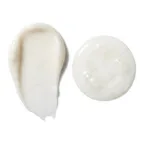 Lactococcus Lysate Ferment
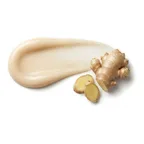 Zingiber Officinale Root Extract
High
- HighCombination Skin Fit
- HighEffectiveness
- HighSafety
A great choice for acne-prone skin; a few moisturizers fit it even better.
- Clinical, Cosmetic and Investigational Dermatology, 2017
- Journal of Nanoscience and Nanotechnology, 2010
This fit is calculated for the concerns frequently associated with acne-prone skin: breakouts, blackheads, and post-acne marks. For scores and recommendations based on your full skin profile, including your 12D face scan results and any goals or preferences you have, please use the Lovi app.
Updated How the Fit score works
Lovi Assistant explains
- Offers excellent moisturizing for your combination skin, as squalane and glycerin provide balanced hydration without overwhelming oily areas. Lactic acid and Lepidium Sativum Sprout Extract offer mild exfoliation and antioxidant support, providing moderate benefits for your acne, blemishes, and breakouts.
- The formulation is highly suitable for your combination skin, with squalane and glycerin offering emollient and humectant actions respectively.
- The safety profile is excellent, with no risks of irritation for your acne-prone skin due to the absence of prohibited or harsh ingredients.
How to apply
- Use your moisturizer twice a day in your AM and PM routines. Apply it daily to help keep breakouts under control.
- Apply after your cleanser and toner, and make sure to use your SPF right after in the morning.
- Gently spread a small amount of moisturizer over your face using soft motions. Let it absorb into the skin for a minute before getting dressed or applying makeup.
- Apply on slightly damp skin to help lock in extra moisture. This keeps your combination skin balanced without feeling heavy.
- Avoid the eye area and do a patch test before your first use. Stop using if you feel any irritation.
People Say
★4.5Overall rating based on 2.3k+ reviewsBased on a very large amount of data, this lightweight gel moisturizer is highly recommended for oily, combination, and sensitive skin types, effectively hydrating without pore clogging and visibly reducing redness. However, a significant number of recent reviews indicate dissatisfaction with a formula change, noting a stickier texture and less pleasant scent compared to the original. Dry skin types may find it insufficient for hydration, and some users express concerns about the price point. A small number of users have reported irritation or breakouts.
Highlights
Lightweight & fast absorbing Mostly Mentioned
- “absorbs instantly”
- “feels like water”
- “zero greasy residue”
- “perfect for humid weather”
Balances oily skin Often Mentioned
- “controls my oil”
- “perfect balance”
- “doesn't clog pores”
- “matte but hydrated”
Calms redness & irritation Often Mentioned
- “redness vanished overnight”
- “calms angry skin”
- “instant cooling effect”
Reformulation complaints Often Mentioned
- “new formula is sticky”
- “smells terrible now”
- “too thick”
- “ruined a perfect product”
Excellent makeup base Sometimes Noted
- “makeup glides on”
- “no pilling under sunscreen”
- “acts like a primer”
- “smooth finish”
Not hydrating enough Sometimes Noted
- “skin felt tight”
- “need a second layer”
- “too light for dry skin”
- “not enough moisture”
Price point Sometimes Noted
- “way too expensive”
- “pricey for a basic gel”
- “jar is small”
- “not worth the money”
Irritation and breakouts Rarely Noted
- “burned my face”
- “caused cystic acne”
- “stung upon application”
- “broke me out”
Sources: lovi.care, biossance.com, sephora.com, influenster.com, reddit.com, and more
Questions and answers
What makes Biossance Squalane + Probiotic Gel Moisturizer a great fit for acne-prone skin?
This moisturizer is a great fit because squalane and glycerin give your skin balanced hydration without feeling heavy on oily areas. It also helps calm blemishes and breakouts with mild exfoliation and antioxidants, and is unlikely to cause irritation.
Which ingredients make this moisturizer a good fit for acne-prone skin?
Squalane and glycerin make this moisturizer a great fit for acne-prone skin because they provide balanced hydration without overwhelming oily areas. Additionally, lactic acid and Lepidium Sativum Sprout Extract help by offering mild exfoliation and antioxidant support for breakouts.
What does Squalane do for acne-prone skin?
Squalane helps keep acne-prone skin soft and calm without feeling heavy or greasy, as it is very similar to the skin's natural oils and is unlikely to clog pores. However, pure squalene that is exposed to air can sometimes oxidize and trigger irritation, so acne-prone skin needs fresh, stable formulas combined with soothing antioxidants to stay clear and balanced.
The Journal of Investigative Dermatology, 2006Journal of Nanobiotechnology, 2025
What do Probiotics do for acne-prone skin?
Probiotics help acne-prone skin by balancing the skin microbiome, which reduces breakouts, redness, and inflammation. They may also improve skin barrier function and decrease the bacteria that cause acne without the harsh side effects of traditional treatments.
Journal of Experimental Pharmacology, 2025Journal of Cosmetic Dermatology, 2022
Where does this cream go in a skincare routine for acne-prone skin?
This moisturizing treatment fits into a morning routine after your toner and before your sunscreen, and as the final step in your evening routine. Daily use of a gentle moisturizer helps keep your skin balanced and hydrated while supporting your overall routine.
The Journal of Dermatological Treatment, 2022Clinical, Cosmetic and Investigational Dermatology, 2017
Can I use this moisturizer with retinol, and in what order?
You can use this moisturizer with retinol by applying your retinol treatment first and following it with this moisturizer. This helps keep your skin soft and comfortable while reducing the likelihood of dryness or irritation from the retinol.
How often should I use this cream?
This moisturizing treatment is a great fit for your acne-prone skin and can be used daily as part of your morning and evening routine. It provides balanced hydration without overwhelming oily areas and has an excellent safety profile with no harsh ingredients.
Journal of Cosmetic Dermatology, 2020Health Science Reports, 2021
Can this moisturizer clog pores, cause breakouts or purging for acne-prone skin?
This moisturizer is a great fit and is unlikely to cause breakouts or clogged pores on acne-prone skin because it avoids harsh ingredients and provides balanced hydration. Its formulation includes squalane and glycerin to hydrate without overwhelming the skin, alongside mild ingredients that help calm blemishes.
Can I use this cream around the eyes or on my body?
This moisturizing treatment is gentle enough for the thin skin around the eyes and dry areas on the body, thanks to a very safe formula with no harsh ingredients. Squalane and glycerin help keep skin soft and balanced without clogging pores.
Is this moisturizer fragrance-free and alcohol-free?
Yes, it has no fragrance and no drying alcohol.
What the research says
A single application of a moisturizing fluid containing hyaluronic acid 1%, glycerin 5%, and Centella asiatica stem cells extract significantly increased skin hydration by 29% and reduced transepidermal water loss at 24 hours compared to baseline and an untreated control site in twenty healthy women.
Clinical, Cosmetic and Investigational Dermatology, 2017Application of fullerene-C60 dissolved in squalane cream twice daily for 8 weeks significantly enhanced skin moisture and reduced wrinkle formation compared to placebo in 23 Japanese women without severe side effects.
Journal of Nanoscience and Nanotechnology, 2010Squalane at 0.005-0.015% counteracts UVA-induced oxidative stress, inflammation, and collagen metabolism inhibition while stimulating fibroblast migration in human dermal fibroblasts.
Molecules, 2025Plant-derived squalane protected human dermal fibroblasts against UVA-induced damage by counteracting ROS formation, suppressing apoptosis-related proteins p53, caspase-3, caspase-9, and PARP, and restoring the pro-survival p-Akt/mTOR pathway.
Antioxidants, 2025The emollient V0034CR significantly reduced TEWL compared to vehicle and vehicle plus glycerol, and significantly increased corneometry scores compared to vehicle and vehicle plus petrolatum in healthy volunteers with dry skin, demonstrating combined barrier function improvement from petrolatum and hydration improvement from glycerol.
Journal of Cosmetic Dermatology, 2020Ten days of treatment with a cream containing 20% glycerin significantly increased skin hydration measured by corneometer values in 17 healthy volunteers compared to a placebo cream, but showed no influence on transepidermal water loss or skin sensitivity to an irritating surfactant.
International Journal of Cosmetic Science, 2001Niacinamide/glycerin body moisturizers provided better rapid and prolonged improvement of cosmetic xerosis through functional improvement of stratum corneum barrier function compared to no treatment and conventional moisturizers in female subjects.
Journal of Drugs in Dermatology, 2012A 1-year clinical study on human facial skin demonstrated that Zingiber officinale (L.) Rose extract inhibits the UV-induced decrease in skin elasticity and prevents or improves wrinkle formation around the eye.
Archives of Dermatological Research, 2008Acetyl zingerone improves extracellular matrix integrity and exerts retinoid-like effects on differentiation and inflammation in reconstituted human epidermis compared to zingerone.
The Journal of Investigative Dermatology, 2020Treatment with 6-shogaol prevents UVB-mediated inflammation, oxidative stress, MAPK overexpression, and apoptosis in human epidermal keratinocytes compared to untreated cells exposed to UVB.
Journal of Photochemistry and Photobiology. B, Biology, 2019
Ingredients
Water, Squalane, Glycerin, Dimethicone, Pentylene Glycol, Ammonium Acryloyldimethyltaurate Vp Copolymer, Lactococcus Lysate Ferment, Caprylic Capric Triglyceride, Phenoxyethanol, Caprylyl Glycol, Dimethiconol, Chondrus Crispus Extract, Allantoin, Bisabolol, Glycine Soja Soybean Sterols, Linoleic Acid, Sodium Phytate, Lecithin, Sodium Hydroxide, Sodium Hyaluronate, Lactic Acid, Lepidium Sativum Extract Sprout, Sodium Chloride, Sodium Benzoate, Citric Acid, Zingiber Officinale Root Extract
Behind this fit score
Lovi calculates every fit score from the full ingredient list with brand-independent rules our dermatologists and cosmetic chemists build and review, and personalizes every pick with AI trained on the real results of millions of users. Lovi trains its fit score models on a proprietary dataset built from more than 10,000 expert-labeled products and more than 100,000 simulated examples, following an internally consistent methodology presented at Cosmoprof, AMWC, and Skin of Color Update.
-

Co-founder, Medical Director
Cosmetic chemist, cosmetologist, aesthetic products developer
-

Co-founder, CEO and CTO
PhD in computer science, 3x US patent holder, ex-Google, ex-Yandex
-

Dr. Sofía Perea Pérez, MD, MSc
Medical Board
Aesthetic medicine practitioner, MSc in Longevity and Anti-Aging Medicine
-

Medical Board
Specialist dermatologist, MBBS, MD, IFAAD
-

Medical Board
Cosmetic chemist, SCS, IFSCC member
-

Medical Board, Medical Advisor
Dermatology MD
-

Elina Nazarenko, MD
Medical Board
Dermatology and diagnostic consultant
-

Victoria Derkova, MS
Medical Board
Cosmetic chemist, cosmetic development technologist


How does it fit your skin?
Scan your face, then any product: Lovi shows how well it fits you and what fits even better.