
Bioderma Sensibio Micellar Cleansing Oil for acne-prone skin

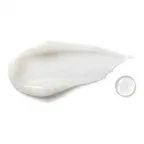 Ethylhexyl Palmitate
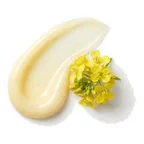 Brassica Campestris Seed Oil
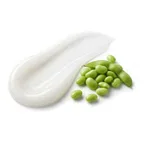 Amino Acids
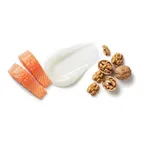 Omega 3
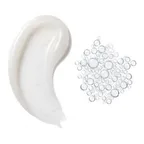 Micellar Technology
High
- HighCombination Skin Fit
- HighEffectiveness
- HighSafety
A great choice for acne-prone skin; a few pre-cleansers fit it even better.
This fit is calculated for the concerns frequently associated with acne-prone skin: breakouts, blackheads, and post-acne marks. For scores and recommendations based on your full skin profile, including your 12D face scan results and any goals or preferences you have, please use the Lovi app.
Updated How the Fit score works
Lovi Assistant explains
- Highly suitable for your combination skin and acne, blemishes, and breakouts due to Laminaria Ochroleuca Extract and Stearyl Glycyrrhetinate, which provide soothing, anti-inflammatory, and barrier repair benefits.
- The formulation effectively dissolves makeup and impurities with ethylhexyl palmitate and brassica campestris seed oil, aligning well with your skin's needs.
- The product is safe for your skin, with no risks of irritation due to the absence of prohibited or harsh ingredients.
How to apply
- Use this makeup remover PM as the first step of your evening routine to clear away dirt and oil. Start 3x/week and work up to daily use if your combination skin tolerates it well.
- Apply this makeup remover before cleansing and using the rest of your skin products. This ensures all makeup and impurities are fully washed away.
- Gently press a small amount of the makeup remover onto your face using a soft cotton pad. Avoid rubbing the skin too harshly to prevent irritation.
- Apply the makeup remover on dry skin to easily dissolve makeup and clear out blemishes. There is no need to dampen your face beforehand.
- Do a patch test before first use to ensure your skin reacts well. Avoid the delicate eye area while applying.
People Say
★4.6Overall rating based on 800+ reviewsThis cleansing oil is highly effective at gently dissolving waterproof makeup and SPF, leaving sensitive skin feeling soft and nourished. While most users find it suitable for reactive skin, a notable number of those with oily or combination skin report a lingering residue that requires a second cleanse, and some experience temporary blurry vision after use.
Highlights
Effective makeup removal Mostly Mentioned
- “melts every bit of make up and SPF off”
- “waterproof mascara disappeared easily”
- “removes persistent makeup especially waterproof”
Gentle on sensitive skin Mostly Mentioned
- “doesn't cause any irritation”
- “soothing and nourishing the skin”
- “respects my skin's natural pH”
Hydrating feel Often Mentioned
- “leaves skin feeling hydrated”
- “skin is left clean, soothed, and nourished”
- “never dries out my skin”
Oily residue Often Mentioned
- “requires a thorough follow-up”
- “feels slippery and that greasy feeling won't go away”
- “left a film on my skin”
Good emulsification Sometimes Noted
- “emulsifies well and washes off”
- “oil to milk texture”
- “rinses clean away”
Blurry vision Sometimes Noted
- “coat the eyes with a milky film”
- “made my vision a bit blurry”
- “cloudy effect in eyes”
Thick texture Rarely Noted
- “a little on the thick side”
- “dragged on my skin”
- “heavier texture”
Unpleasant scent Rarely Noted
- “scent a little off putting”
- “smells like cooking oil”
- “natural oil scent”
Sources: lovi.care, dermstore.com, target.com, bioderma.com, beautycrew.com.au, ulta.com, and more
Questions and answers
What makes Bioderma Sensibio Micellar Cleansing Oil a great fit for acne-prone skin?
Bioderma Sensibio Micellar Cleansing Oil is a great fit for acne-prone skin because it uses Laminaria Ochroleuca Extract and Stearyl Glycyrrhetinate to soothe your skin and calm redness while you clean. It also gently melts away makeup and impurities with oils that respect your skin and carry a very low risk of irritation.
Which ingredients make this cleanser a good fit for acne-prone skin?
This cleanser is a great fit for acne-prone skin because it contains Laminaria Ochroleuca Extract and Stearyl Glycyrrhetinate, which help soothe the skin and calm redness. It also uses ethylhexyl palmitate and brassica campestris seed oil to gently dissolve makeup and impurities without harshness.
What does Ethylhexyl Palmitate do for acne-prone skin?
Ethylhexyl Palmitate is an isopropyl ester that may clog pores and trigger breakouts in acne-prone skin. It tends to behave as a heavy offender for blemishes, so oily or blemish-prone skin often needs lighter ingredients that keep pores clear.
What does Canola Oil do for acne-prone skin?
Canola oil is a weak fit for acne-prone skin because heavy plant oils may clog pores and trigger breakouts. Acne-prone skin needs lightweight, non-clogging hydrators and gentle pore-clearing ingredients like salicylic acid instead.
Where does this cleanser go in a skincare routine for acne-prone skin?
This makeup remover is used in the evening as the first step before your regular cleanser. It helps dissolve makeup and impurities without irritation while soothing acne-prone skin.
Can I use it with retinol, and in what order?
You can use this makeup remover in the evening before your cleanser and retinol because its soothing ingredients help calm and protect acne-prone skin during treatment.
How often should I use it?
Bioderma Sensibio Micellar Cleansing Oil is a great fit for your acne-prone skin and can be used in your evening routine to remove makeup and impurities. It is safe for your skin with no risks of irritation, helping to soothe and calm while keeping your skin feeling soft and smooth.
Can it clog pores, cause breakouts or purging for acne-prone skin?
This cleansing oil is a great fit for acne-prone skin and is unlikely to cause breakouts or irritation. Its soothing ingredients and gentle formula help lift makeup and impurities without harshness, though some users may notice an oily residue afterwards.
Is it fragrance-free and alcohol-free?
Yes, it has no fragrance and no drying alcohol.
What the research says
A single application of a sterol-enriched fraction from canola oil significantly reduced visible signs of irritation and transepidermal water loss compared to water in SLS-irritated skin of 21 healthy subjects.
The British Journal of Dermatology, 1996Enzymatically obtained rapeseed press cake hydrolysates produced using Alcalase 2.4L FG and Protex 6L demonstrated biocompatibility with human skin fibroblasts alongside antioxidant, anti-inflammatory, and anti-wrinkle activities in vitro compared to non-hydrolysed extracts which induced cell toxicity.
International Journal of Cosmetic Science, 2015Topical preparations containing zinc(II) complexes with glycine and histidine effectively treat acne skin by providing high antibacterial activity against C. acnes and low cytotoxicity for skin cells, with no observed irritation or allergy in healthy volunteers.
International Journal of Molecular Sciences, 2021Mycosporine-like amino acids serve as promising multifunctional natural ingredients for sun care products, offering UV protection, anti-photoaging, and skin renewal benefits.
Marine Drugs, 2017An analysis of 14 patents filed between 2014 and 2024 revealed the increasing use of mycosporine-like amino acids in sunscreens, anti-aging creams, and antioxidant formulations, featuring enhanced water resistance, increased SPF, and defense against electromagnetic radiation.
Photochemical & Photobiological Sciences, 2025Topical application of eicosapentaenoic acid (EPA) reduced UV-induced epidermal thickening, collagen decrease, MMP expression, and COX-2 expression in human skin while increasing collagen and elastic fiber expression in aged human skin.
Journal of Lipid Research, 2006Topical n-3 PUFAs docosahexaenoic acid and eicosapentaenoic acid attenuate skin inflammatory responses induced by various stressors and maintain skin health.
International Journal of Cosmetic Science, 2025Topical application of linoleic acid or alpha-linolenic acid lightens ultraviolet-induced skin hyperpigmentation in brownish guinea pigs by suppressing melanin production and enhancing epidermal melanin desquamation.
Archives of Dermatological Research, 1998
Ingredients
Ethylhexyl Palmitate, Brassica Campestris Seed Oil, Polyglyceryl-4 Oleate, Water, Sodium Pca, Propanediol, Caprylic Capric Triglyceride, Benzotriazolyl Dodecyl P-Cresol, Tocopherol, Helianthus Annuus Seed Oil Sunflower Seed Oil, Laminaria Ochroleuca Extract, Stearyl Glycyrrhetinate
Behind this fit score
Lovi calculates every fit score from the full ingredient list with brand-independent rules our dermatologists and cosmetic chemists build and review, and personalizes every pick with AI trained on the real results of millions of users. Lovi trains its fit score models on a proprietary dataset built from more than 10,000 expert-labeled products and more than 100,000 simulated examples, following an internally consistent methodology presented at Cosmoprof, AMWC, and Skin of Color Update.
-

Co-founder, Medical Director
Cosmetic chemist, cosmetologist, aesthetic products developer
-

Co-founder, CEO and CTO
PhD in computer science, 3x US patent holder, ex-Google, ex-Yandex
-

Dr. Sofía Perea Pérez, MD, MSc
Medical Board
Aesthetic medicine practitioner, MSc in Longevity and Anti-Aging Medicine
-

Medical Board
Specialist dermatologist, MBBS, MD, IFAAD
-

Medical Board
Cosmetic chemist, SCS, IFSCC member
-

Medical Board, Medical Advisor
Dermatology MD
-

Elina Nazarenko, MD
Medical Board
Dermatology and diagnostic consultant
-

Victoria Derkova, MS
Medical Board
Cosmetic chemist, cosmetic development technologist


How does it fit your skin?
Scan your face, then any product: Lovi shows how well it fits you and what fits even better.