
Bioderma Atoderm Intensive Eye for acne-prone skin

 Glycerin
 Ceramide Np
 Sodium Hyaluronate
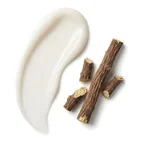 Glycyrrhetinic Acid
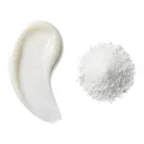 Phytosphingosine
High
- HighCombination Skin Fit
- HighEffectiveness
- HighSafety
A great choice for acne-prone skin; a few eye cares fit it even better.
This fit is calculated for the concerns frequently associated with acne-prone skin: breakouts, blackheads, and post-acne marks. For scores and recommendations based on your full skin profile, including your 12D face scan results and any goals or preferences you have, please use the Lovi app.
Updated How the Fit score works
Lovi Assistant explains
- Highly suitable for your combination skin, this product effectively moisturizes the eye area with sodium hyaluronate and ceramides, which also help strengthen your skin barrier.
- Glycyrrhetinic acid and ceramide NP offer anti-inflammatory benefits that provide moderate support for your acne, blemishes, and breakouts.
- The formula is safe for your combination skin, containing no harsh or prohibited ingredients that could cause irritation.
People Say
★4.7Overall rating based on 300+ reviewsIt excels at repairing the skin barrier and soothing irritation, though it is not designed for cosmetic concerns like dark circles or puffiness.
Highlights
Deeply hydrating Often Mentioned
- “Fixed my dry flaky eyelids”
- “Leaves skin velvety soft”
- “Hydration lasts all day”
Gentle and non-irritating Often Mentioned
- “Doesn't sting my raw skin”
- “Safe for my allergy-prone eyes”
- “Zero irritation unlike other creams”
Good makeup base Sometimes Noted
- “Sits beautifully under makeup”
- “Concealer applies smoothly over it”
- “Doesn't pill or roll”
Versatile use Sometimes Noted
- “I use it on my whole face”
- “Removes eye makeup gently”
- “Saved my dry hands too”
No cosmetic benefits Sometimes Noted
- “Did nothing for my dark circles”
- “Don't expect anti-aging results”
- “Just a moisturizer, not for bags”
Initial stinging sensation Rarely Noted
- “Burned slightly when applied”
- “Stung my eyes at first”
- “Caused a bit of heat on raw patches”
Perceived high price Rarely Noted
- “A bit pricey for the amount”
- “Wish it was cheaper”
- “Expensive but worth it”
Texture can be heavy Rarely Noted
- “Left a greasy film”
- “Too heavy for morning use”
- “Caused milia for me”
Sources: lovi.care, lookfantastic.com, influenster.com, reddit.com, skinsort.com, makeup.co.uk, and more
Questions and answers
What makes Bioderma Atoderm Intensive Eye a great fit for acne-prone skin?
This eye care is a great fit because ingredients like sodium hyaluronate and ceramides effectively moisturize your eye area while strengthening your skin barrier. Glycyrrhetinic acid and ceramide NP also offer anti-inflammatory benefits that provide moderate support for blemishes and breakouts.
Which ingredients make this cream a good fit for acne-prone skin?
Glycyrrhetinic acid and ceramide NP make this cream a good fit because they offer anti-inflammatory benefits that provide moderate support for your acne, blemishes, and breakouts. Sodium hyaluronate and ceramides also moisturize the eye area while helping strengthen your skin barrier safely.
What does Glycerin do for acne-prone skin?
Glycerin helps keep acne-prone skin hydrated and calm without clogging pores or feeling heavy. It supports the skin barrier so it stays soft and smooth while handling everyday treatments.
The British Journal of Dermatology, 2008International Journal of Toxicology, 2019
What do Ceramides do for acne-prone skin?
Ceramides help restore the skin barrier, which is often weakened in acne-prone skin, and reduce the dryness, redness, and irritation caused by acne treatments. Using them in your routine may also help lower breakouts and keep the skin calm and smooth.
Journal of Drugs in Dermatology, 2023Archives of Dermatological Research, 1995
Where does this cream go in a skincare routine for acne-prone skin?
This eye cream goes on after your moisturizer in the morning and evening, as the final step to hydrate the delicate eye area while remaining gentle on acne-prone skin.
Can I use this cream with retinol, and in what order?
How often should I use this cream?
You can use this eye cream daily as part of your morning and evening routine. Its gentle formula hydrates the eye area while providing soothing support that is unlikely to irritate acne-prone skin.
Can this cream clog pores, cause breakouts or purging for acne-prone skin?
This cream is unlikely to clog pores or cause breakouts on acne-prone skin because it contains no harsh or prohibited ingredients that could cause irritation. Ingredients like glycyrrhetinic acid and ceramide NP offer anti-inflammatory benefits that provide moderate support for your acne and blemishes.
Is this cream fragrance-free and alcohol-free?
Yes, it has no fragrance and no drying alcohol.
What the research says
A single application of a moisturizing fluid containing hyaluronic acid 1%, glycerin 5%, and Centella asiatica stem cells extract significantly increased skin hydration by 29% and reduced transepidermal water loss at 24 hours compared to baseline and an untreated control site in twenty healthy women.
Clinical, Cosmetic and Investigational Dermatology, 2017The emollient V0034CR significantly reduced TEWL compared to vehicle and vehicle plus glycerol, and significantly increased corneometry scores compared to vehicle and vehicle plus petrolatum in healthy volunteers with dry skin, demonstrating combined barrier function improvement from petrolatum and hydration improvement from glycerol.
Journal of Cosmetic Dermatology, 2020Ten days of treatment with a cream containing 20% glycerin significantly increased skin hydration measured by corneometer values in 17 healthy volunteers compared to a placebo cream, but showed no influence on transepidermal water loss or skin sensitivity to an irritating surfactant.
International Journal of Cosmetic Science, 2001Ceramide and niacinamide-containing moisturizer combined with anti-acne treatment significantly improved non-inflammatory, inflammatory, and total acne lesions compared to hydrophilic cream in 40 patients with mild to moderate acne vulgaris after 8 weeks.
Journal of Cosmetic Dermatology, 2024Topical application of a pseudo-ceramide-containing spray improved stratum corneum water content, transepidermal water loss, cell area, and scaling score, and normalized the ceramide profile in patients with dry and sensitive skin compared to a control spray.
Journal of Cosmetic Dermatology, 2025Topical application of 0.1% hyaluronic acid formulations of different molecular weights led to significant improvements in skin hydration and elasticity, with low-molecular-weight formulations also significantly reducing wrinkle depth in seventy-six female subjects compared to a vehicle control.
Journal of Drugs in Dermatology, 2011Topical hyaluronic acid serum used twice daily by 40 females with facial photoaging produced an immediate 134% increase in skin hydration, a sustained 55% increase at week 6, and significant improvements in smoothness, plumping, fine lines, wrinkles, and global appearance without causing irritation.
Dermatology and Therapy, 2021A topical antioxidant serum significantly reduced air pollution-induced skin pigmentation and proinflammatory gene expression ex vivo, and improved skin aging signs in 40 healthy adult females after 90 days of daily use.
Journal of Cosmetic Dermatology, 2022Topical application of B-Resorcinol and Glycyrrhetinic acid effectively lightens hand solar lentigines after 4 weeks of treatment both with and without prior fractional laser photothermolysis, showing no statistical difference between the two approaches.
Journal of Cosmetic Dermatology, 2016Hyaluronic acid-coated ethosomes improved the topical delivery, skin retention, keratinocyte uptake, anti-inflammatory activity, and barrier-restoring effects of glycyrrhetinic acid compared to free drug and unmodified ethosomes in cellular and 3D skin models.
Pharmaceutics, 2026Phytosphingosine increased filaggrin metabolism and skin hydration in human skin by stimulating filaggrin biosynthesis and degradation leading to natural moisturizing factor formation.
Archives of Dermatological Research, 2017Topical application of an emulsion containing a complete mixture of ceramides III, IIIB, VI, phytosphingosine, cholesterol, and linoleic acid significantly accelerated barrier recovery after SLS damage and improved skin hydration after acetone treatment in human volunteers compared to an emulsion containing only two types of ceramides.
Journal of the European Academy of Dermatology and Venereology, 2002Phytosphingosine inhibits melanin synthesis in cultured melan-a cells and a reconstructed human skin model by modulating MITF through suppression of gene expression and induction of protein degradation.
Journal of Dermatological Science, 2017
Ingredients
Water, Glycerin, Mineral Oil, Helianthus Annuus Seed Oil Sunflower Seed Oil, Dipropylene Glycol, Brassica Campestris Seed Oil, Hydroxyethyl Acrylate Sodium Acryloyldimethyl Taurate Copolymer, Sucrose Stearate, 1,2-Hexanediol, Glycyrrhetinic Acid, Sodium Citrate, Polysorbate 60, Sorbitan Isostearate, Mannitol, Sodium Lauroyl Lactylate, Xylitol, Citric Acid, Pentylene Glycol, Rhamnose, Tocopherol, Phytosphingosine, Ceramide Np, Sodium Hyaluronate, Ethylhexylglycerin, Ceramide Ap, Cholesterol, Carbomer, Xanthan Gum, Fructooligosaccharides, Caprylic Capric Triglyceride, Laminaria Ochroleuca Extract, Ceramide Eop
Behind this fit score
Lovi calculates every fit score from the full ingredient list with brand-independent rules our dermatologists and cosmetic chemists build and review, and personalizes every pick with AI trained on the real results of millions of users. Lovi trains its fit score models on a proprietary dataset built from more than 10,000 expert-labeled products and more than 100,000 simulated examples, following an internally consistent methodology presented at Cosmoprof, AMWC, and Skin of Color Update.
-

Co-founder, Medical Director
Cosmetic chemist, cosmetologist, aesthetic products developer
-

Co-founder, CEO and CTO
PhD in computer science, 3x US patent holder, ex-Google, ex-Yandex
-

Dr. Sofía Perea Pérez, MD, MSc
Medical Board
Aesthetic medicine practitioner, MSc in Longevity and Anti-Aging Medicine
-

Medical Board
Specialist dermatologist, MBBS, MD, IFAAD
-

Medical Board
Cosmetic chemist, SCS, IFSCC member
-

Medical Board, Medical Advisor
Dermatology MD
-

Elina Nazarenko, MD
Medical Board
Dermatology and diagnostic consultant
-

Victoria Derkova, MS
Medical Board
Cosmetic chemist, cosmetic development technologist


How does it fit your skin?
Scan your face, then any product: Lovi shows how well it fits you and what fits even better.