
Augustinus Bader The Exfoliating Toner for oily skin

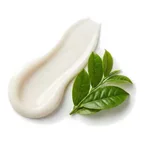 Tfc8 Trigger Factor Complex 8
 Salicylic Acid
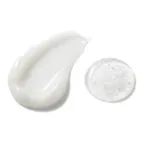 Gluconolactone
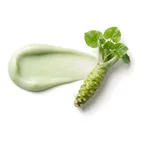 Lactobacillus Wasabia Japonica Extract Root Ferment
 Sodium Hyaluronate
High
- SuperiorOily Skin Fit
- HighEffectiveness
- HighSafety
A great choice for oily skin; a few toners fit it even better.
This fit is calculated for the concerns frequently associated with oily skin: shine, enlarged pores, blackheads, and blemishes. For scores and recommendations based on your full skin profile, including your 12D face scan results and any goals or preferences you have, please use the Lovi app.
Updated How the Fit score works
Lovi Assistant explains
- Excellent suitability for your oily skin is provided by salicylic acid and gluconolactone, which offer effective keratolytic action and seboregulation, complemented by sodium hyaluronate for humectant action.
- The formulation offers excellent exfoliation due to gluconolactone and salicylic acid concentrations that promote skin renewal and smoothing.
- This product is safe for your skin as it lacks prohibited or harsh ingredients, minimizing irritation risks for oily skin.
How to apply
- Use this exfoliating toner once a week at first, then increase frequency only if your skin feels fine.
- Apply the exfoliating toner after cleansing and before your moisturizer or SPF.
- Gently press a few drops of the exfoliating toner into your skin and let it dry.
- Apply the exfoliating toner on clean and dry skin for the best results.
- Avoid the eye area and always use sunscreen during the day.
People Say
★4.2Overall rating based on 200+ reviewsThis 3-in-1 toner is frequently described as a gentle yet effective treatment for achieving smoother, more radiant skin, often referred to as 'glass skin.' While many users with mature or dull complexions report a visible glow and refined pores, a portion of users with sensitive skin experienced irritation, and some found the results subtle for the high price.
Highlights
Smoother texture Mostly Mentioned
- “Made my skin incredibly soft and supple”
- “texture is noticeably smoother”
- “sweeps away dead surface cells”
Expensive product Mostly Mentioned
- “Not worth the price tag”
- “nice but overpriced”
- “can't justify the cost for a toner”
Boosts radiance Often Mentioned
- “Noticeable glow in the morning”
- “dull skin is left glowing”
- “gives a healthy radiance”
Gentle exfoliation Sometimes Noted
- “No issues with sensitivity”
- “gentle enough for daily use”
- “doesn't dry the skin out”
Refines pores Sometimes Noted
- “Really refines your pores”
- “clogged pores feel clarified”
- “gets rid of blackheads”
Caused irritation Sometimes Noted
- “Face turned very red and itchy”
- “broke me out bad”
- “caused severe reactions”
Subtle results Rarely Noted
- “Noticed no difference”
- “results were meh”
- “didn't do much for my skin”
Sources: lovi.care, bloomingdales.com, bluemercury.com, spacenk.com, sephora.my, cultbeauty.co.uk, and more
Questions and answers
What makes Augustinus Bader The Exfoliating Toner a great fit for oily skin?
This toner is a great fit for your oily skin because salicylic acid and gluconolactone clear away dead skin cells and help balance oil, while sodium hyaluronate keeps your skin comfortable and hydrated. It also avoids harsh ingredients, which helps keep irritation low for your skin type.
The Australasian Journal of Dermatology, 1992Journal of Cosmetic Dermatology, 2024
Which ingredients make this toner a good fit for oily skin?
Salicylic acid and gluconolactone make this toner a great fit for oily skin by helping clear away dead cells and manage excess oil, while sodium hyaluronate adds much-needed moisture. This blend smooths your skin and renews its surface while keeping irritation risks low.
The Australasian Journal of Dermatology, 1992Journal of Cosmetic Dermatology, 2024
What does Tfc8 do for oily skin?
Tfc8 is not a standard fit for oily skin because it is typically found in rich, heavy creams designed to nourish dry skin. Oily skin instead needs lightweight, oil-free hydration and ingredients that help balance excess shine without clogging pores.
What does Salicylic Acid do for oily skin?
Salicylic acid helps oily skin by clearing deep into pores to reduce extra oil and calm breakouts. Using it regularly is unlikely to dry out your skin, as studies show it can also boost skin hydration and keep the skin barrier balanced.
Where does this toner go in a skincare routine for oily skin?
This exfoliating toner goes in the evening routine after cleansing, and routines should start it once a week before slowly increasing frequency if your skin tolerates it well.
Can I use this toner with retinol, and in what order?
Yes, you can use this toner with retinol by applying the toner first and waiting for it to dry before adding your retinol. Since this product contains salicylic acid and gluconolactone, it helps clear oil and smooth the skin while keeping irritation risks low.
The Australasian Journal of Dermatology, 1992Journal of Cosmetic Dermatology, 2024
How often should I use this toner?
Start using this toner once a week as part of your routine, and if your skin tolerates it well and you see good results, you can carefully use it more often. This gentle approach helps you achieve smooth skin while minimizing irritation risks for oily skin.
Can this toner clog pores, cause breakouts or purging for oily skin?
This toner is unlikely to clog pores or cause breakouts for oily skin, as it contains salicylic acid and gluconolactone to clear away dead skin and balance oil. It is very safe for this skin type, though some shoppers may experience mild irritation.
The Australasian Journal of Dermatology, 1992Journal of Cosmetic Dermatology, 2024
Is this toner fragrance-free and alcohol-free?
Yes, it has no fragrance and no drying alcohol.
What the research says
Gluconolactone 14% solution significantly improved mild to moderate acne by reducing inflamed and non-inflamed lesions similarly to 5% benzoyl peroxide, but with fewer side-effects in 150 patients.
The Australasian Journal of Dermatology, 1992Twice daily application of a multitargeted dermocosmetic cream provided comparable efficacy to benzoyl peroxide 5% gel in reducing inflammatory, non-inflammatory, and total lesions in 150 Caucasian subjects with mild-to-moderate acne over 56 days, while demonstrating superior skin tolerability.
Journal of Cosmetic Dermatology, 2024Combining 10% gluconolactone chemical peeling with oxybrasion or microneedle mesotherapy increased skin hydration and decreased sebum, pH, and TEWL in twenty-one Caucasian women, with no significant differences between the two methods.
Skin Research and Technology, 2023A moisturizer containing licochalcone A, 1,2-decanediol, L-carnitine, and salicylic acid significantly reduced noninflammatory, inflammatory, and total acne lesion counts compared to a vehicle control in Thai patients during a 12-week maintenance phase.
BioMed Research International, 2020Treatment with 2% supramolecular salicylic acid hydrogel resulted in a regression and markedly improvement rate of 51.01% compared to 43.10% for Adapaline gel in patients with mild to moderate facial acne vulgaris, showing no significant difference in efficacy.
Journal of Cosmetic Dermatology, 2024Topical 5% benzoyl peroxide plus salicylic acid achieved the greatest lesion reduction at early 2 to 4 week time points compared to benzoyl peroxide, clindamycin, and combination benzoyl peroxide/clindamycin, while 5% benzoyl peroxide plus salicylic acid and combination benzoyl peroxide/clindamycin showed similar efficacy at 10 to 12 weeks in acne patients.
Journal of the American Academy of Dermatology, 2010Glycolic acid, salicylic acid, gluconolactone, and licochalcone A combined with 0.1% adapalene showed no hindrance compared to adapalene monotherapy and provided benefits in reducing complications in 25 subjects with mild-to-moderate acne vulgaris.
Clinical, Cosmetic and Investigational Dermatology, 2019Gluconolactone and tartaric acid significantly lower transepidermal water loss and erythema after sodium lauryl sulphate challenge compared to vehicle, untreated control, and glycolic acid in healthy subjects.
The British Journal of Dermatology, 1997Gluconolactone treatment significantly increased facial skin hydration in 16 healthy women, with no significant differences between 10% and 30% solutions.
Skin Research and Technology, 2021Isosaponarin isolated from wasabi leaf increased type I collagen production in human fibroblasts by up-regulating TbetaR-II and P4H expression.
Journal of Natural Medicines, 2010Topical application of 0.1% hyaluronic acid formulations of different molecular weights led to significant improvements in skin hydration and elasticity, with low-molecular-weight formulations also significantly reducing wrinkle depth in seventy-six female subjects compared to a vehicle control.
Journal of Drugs in Dermatology, 2011Topical hyaluronic acid serum used twice daily by 40 females with facial photoaging produced an immediate 134% increase in skin hydration, a sustained 55% increase at week 6, and significant improvements in smoothness, plumping, fine lines, wrinkles, and global appearance without causing irritation.
Dermatology and Therapy, 2021A topical antioxidant serum significantly reduced air pollution-induced skin pigmentation and proinflammatory gene expression ex vivo, and improved skin aging signs in 40 healthy adult females after 90 days of daily use.
Journal of Cosmetic Dermatology, 2022
Ingredients
Water, Glycerin, Gluconolactone, Lactobacillus Wasabia Japonica Extract Root Ferment, Phytic Acid, Sodium Hydroxide, Potassium Sorbate, Xanthan Gum, Sodium Benzoate, Salicylic Acid, Caesalpinia Spinosa Gum, Paeonia Albiflora Root Extract, Papain, Citric Acid, Sodium Hyaluronate, Hydrolyzed Rice Protein, Maltodextrin, 1,2-Hexanediol, Caprylyl Glycol, Carbomer, N-Hydroxysuccinimide, Camellia Sinensis Leaf Extract, Hydrogenated Lecithin, Tocopheryl Acetate, Algin, Alanyl Glutamine, Arginine, Oligopeptide-177, Phenylalanine, Sisymbrium Irio Seed Oil, Sodium Chloride
Behind this fit score
Lovi calculates every fit score from the full ingredient list with brand-independent rules our dermatologists and cosmetic chemists build and review, and personalizes every pick with AI trained on the real results of millions of users. Lovi trains its fit score models on a proprietary dataset built from more than 10,000 expert-labeled products and more than 100,000 simulated examples, following an internally consistent methodology presented at Cosmoprof, AMWC, and Skin of Color Update.
-

Co-founder, Medical Director
Cosmetic chemist, cosmetologist, aesthetic products developer
-

Co-founder, CEO and CTO
PhD in computer science, 3x US patent holder, ex-Google, ex-Yandex
-

Dr. Sofía Perea Pérez, MD, MSc
Medical Board
Aesthetic medicine practitioner, MSc in Longevity and Anti-Aging Medicine
-

Medical Board
Specialist dermatologist, MBBS, MD, IFAAD
-

Medical Board
Cosmetic chemist, SCS, IFSCC member
-

Medical Board, Medical Advisor
Dermatology MD
-

Elina Nazarenko, MD
Medical Board
Dermatology and diagnostic consultant
-

Victoria Derkova, MS
Medical Board
Cosmetic chemist, cosmetic development technologist


How does it fit your skin?
Scan your face, then any product: Lovi shows how well it fits you and what fits even better.