Good Molecules 5% Niacinamide Serum with Ectoin for acne-prone skin

 Niacinamide
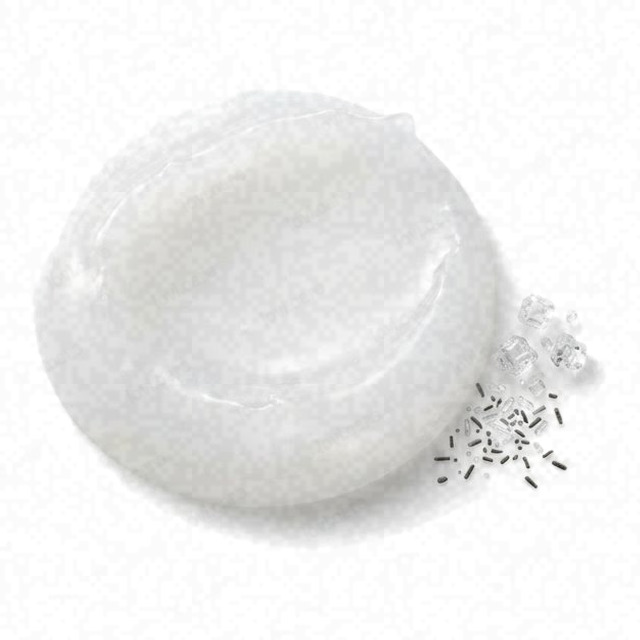 Ectoin
 Glycerin
Average
- HighCombination Skin Fit
- AverageEffectiveness
- HighSafety
Works for acne-prone skin; other serums fit it better.
This fit is calculated for the concerns frequently associated with acne-prone skin: breakouts, blackheads, and post-acne marks. For scores and recommendations based on your full skin profile, including your 12D face scan results and any goals or preferences you have, please use the Lovi app.
Page built Nov 8, 2026How the Fit score works
Lovi Assistant explains
- Offers moderate treatment for uneven skin tone and texture, as niacinamide helps to brighten and smooth your combination skin while ectoin supports barrier repair and balances oil production.
- Glycerin and propanediol provide essential hydration beneficial for acne-prone skin, though they do not directly target active breakouts.
- The formula is safe for your skin, containing no harsh ingredients and including soothing components like niacinamide and ectoin.
How to apply
- Use your serum as part of your PM routine and start 3x/week before working up to daily use.
- Apply this treatment after cleansing and toner, and before your moisturizer.
- Gently press 2-3 drops of the serum into your skin and let it absorb for a minute.
- Apply the product on clean, dry skin to help manage your breakouts safely.
- Avoid the eye area and do a patch test before your first use.
People Say
★4.7Overall rating based on 100+ reviewsBased on limited data, this serum is highly regarded as a gentle and hydrating option, particularly suitable for sensitive or reactive skin. Users frequently report improvements in skin texture, a reduction in redness, and minimized pores. The inclusion of Ectoin is noted for providing a plump and hydrated feel without the irritation sometimes associated with higher concentrations of niacinamide.
Highlights
Lightweight texture Mostly Mentioned
- “absorbs quickly”
- “super lightweight”
- “glides on like butter”
- “no greasy residue”
Gentle & non-irritating Often Mentioned
- “no stinging at all”
- “perfect for sensitive skin”
- “didn't cause redness like the 10% version”
- “calmed my reactive skin”
Hydrating & plumping Often Mentioned
- “skin feels plump”
- “adds an extra layer of hydration”
- “leaves skin baby soft”
- “hydrating without being heavy”
Improves texture & pores Sometimes Noted
- “pores look smaller”
- “smoother skin texture”
- “helped with oil control”
- “reduced forehead lines”
Slight stickiness Sometimes Noted
- “can be a little sticky”
- “barely tacky finish”
- “needs time to dry”
- “feels sticky if you use too much”
Breakouts Rarely Noted
- “broke me out”
- “caused small bumps”
- “clogged my pores”
- “worsened my acne”
Immediate irritation Rarely Noted
- “made my skin red and hot”
- “immediate burning sensation”
- “caused irritation”
- “skin turned red instantly”
Slow results Rarely Noted
- “didn't see much difference yet”
- “dark spots haven't faded”
- “takes time to work”
- “no overnight miracle”
Sources: lovi.care, ulta.com, beautylish.com, skinsort.com, youtube.com, and more
Questions and answers
How well does the Good Molecules 5% Niacinamide Serum work for acne-prone skin?
This serum works moderately well for acne-prone skin, as niacinamide and ectoin help smooth texture and balance oil while glycerin provides essential hydration. However, a product of this type needs targeted acne-fighting ingredients like propolis or zinc PCA to truly fit this skin type best.
The British Journal of Dermatology, 2002International Journal of Cosmetic Science, 2024
Which ingredients make this serum a good fit for acne-prone skin?
Niacinamide, ectoin, and glycerin make this serum a good fit by helping to brighten your skin, balance oil, and provide gentle hydration without harsh ingredients. Acne-prone skin needs products with effective ingredients like niacinamide and propolis or zinc PCA that target breakouts and control oiliness while keeping the skin balanced and calm without irritation.
The British Journal of Dermatology, 2002International Journal of Cosmetic Science, 2024
What does Niacinamide do for acne-prone skin?
Niacinamide helps acne-prone skin by reducing both inflamed and uninflamed breakouts and calming redness. It is also very helpful for keeping oily skin balanced by cutting down on excess oil production, and it is well tolerated by most people.
What does Ectoin do for acne-prone skin?
Ectoin helps acne-prone skin by acting as a protective agent that calms irritation and strengthens the skin barrier. It is unlikely to clog pores and may help keep skin smooth and comfortable while you manage breakouts. Acne-prone skin of this type needs lightweight hydrators and soothing ingredients to balance moisture without feeling heavy or greasy.
Clinics in Dermatology, 2008Arhiv Za Higijenu Rada I Toksikologiju, 2016
Where does this serum go in a skincare routine for acne-prone skin?
This serum goes in your evening routine after cleansing and toning, followed by your moisturizer. Putting treatments in the evening keeps things simple and adds safety around sun exposure, though some can be used twice a day.
Can I use this serum with retinol, and in what order?
You can use this serum with retinol by applying the serum first to keep your skin calm and hydrated, followed by the retinol. This pairing is unlikely to irritate your skin since the formula contains soothing ingredients like niacinamide and ectoin.
How often should I use this serum?
Apply this treatment in the evening as part of your routine for simplicity and extra safety around sun exposure, though some treatments may also be used in the morning or twice a day. To better fit acne-prone skin, a product of this type needs soothing and oil-balancing ingredients like niacinamide and ectoin along with hydration from glycerin.
Can this serum clog pores, cause breakouts or purging for acne-prone skin?
This serum is unlikely to cause breakouts for acne-prone skin, as it contains no harsh ingredients and includes soothing components like niacinamide and ectoin that are safe for your skin. However, since it offers only a moderate fit, acne-prone skin often does better with a product that targets active breakouts more directly and provides stronger oil control.
Is this serum fragrance-free and alcohol-free?
Yes, it has no fragrance and no drying alcohol.
What the research says
Niacinamide significantly decreased hyperpigmentation and increased skin lightness compared with vehicle alone after 4 weeks of use in women by inhibiting melanosome transfer.
The British Journal of Dermatology, 2002Topical post-laser application of human adipocyte-derived mesenchymal stem cell media combined with niacinamide significantly improved wrinkle index, melanin index, patient satisfaction, and investigator esthetic improvement scores compared to vehicle cream in patients with aging skin.
Journal of Cosmetic Dermatology, 2021Topical application of 1,3-propanediol at various concentrations, alone or combined with butylene glycol and/or glycerol, increased skin hydration and reduced trans epidermal water loss in 30 healthy female subjects over an 8-hour period, with the 15% concentration and the addition of glycerol providing greater benefits.
International Journal of Cosmetic Science, 2024Topical nicotinamide prevented solar-simulated UV-induced immunosuppression in healthy volunteers, and men experienced immunosuppression at solar-simulated UV doses three times lower than those required for women.
The Journal of Investigative Dermatology, 2008Topical 5% niacinamide applied twice daily for 12 weeks reduced fine lines and wrinkles, hyperpigmented spots, red blotchiness, and skin sallowness, and improved skin elasticity compared to vehicle control in 50 female white subjects with facial photoaging.
Dermatologic Surgery, 2005Topical 2% niacinamide significantly decreased sebum excretion rate in Japanese individuals and casual sebum levels in Caucasian individuals compared to placebo or baseline.
Journal of Cosmetic and Laser Therapy, 2006Combining ectoine and mannitol with UV filters significantly improved protection of squalene oxidation, catalase activity, and trans-UCA compared to UV filters alone in 10 subjects on irradiated areas.
Journal of Cosmetic Dermatology, 2024Topical 7% ectoine during serial 1064-nm Nd:YAG laser therapy produced a greater reduction in skin erythema, improved stratum corneum hydration, reduced transepidermal water loss, and decreased low-echogenic pixels in thirty participants compared to a vehicle control.
Biomedicines, 2026Regular application of a novel anti-ageing cream containing hyaluronic acid, ectoin, and botanical actives significantly reduced wrinkle depth and length in the periorbital area while demonstrating very good skin tolerance.
Polymers, 2023A single application of a moisturizing fluid containing hyaluronic acid 1%, glycerin 5%, and Centella asiatica stem cells extract significantly increased skin hydration by 29% and reduced transepidermal water loss at 24 hours compared to baseline and an untreated control site in twenty healthy women.
Clinical, Cosmetic and Investigational Dermatology, 2017The emollient V0034CR significantly reduced TEWL compared to vehicle and vehicle plus glycerol, and significantly increased corneometry scores compared to vehicle and vehicle plus petrolatum in healthy volunteers with dry skin, demonstrating combined barrier function improvement from petrolatum and hydration improvement from glycerol.
Journal of Cosmetic Dermatology, 2020Ten days of treatment with a cream containing 20% glycerin significantly increased skin hydration measured by corneometer values in 17 healthy volunteers compared to a placebo cream, but showed no influence on transepidermal water loss or skin sensitivity to an irritating surfactant.
International Journal of Cosmetic Science, 2001
Why other serums fit acne-prone skin better
Topical nicotinamide plus an antibacterial adhesive agent and zinc-pyrrolidone carboxylic acid combined with adapalene significantly reduced noninflammatory acne lesions by the second week of therapy compared to placebo with adapalene in patients with moderate acne vulgaris.
The Journal of Clinical and Aesthetic Dermatology, 2020A cream combining propolis, tea tree oil, and Aloe vera reduced erythema scars, acne severity index, and total lesion count better than erythromycin cream in sixty patients with mild to moderate acne vulgaris compared to placebo.
Clinical Pharmacology, 2018Niacinamide and ferulic acid incorporated in a stable multiple emulsion successfully reduced melanin, sebum, and skin erythema while improving skin elasticity and hydration in human skin compared to a placebo.
BioMed Research International, 2022
Ingredients
Water, Niacinamide, Glycerin, Propanediol, Ectoin, 1,2-Hexanediol, Caprylyl Glycol, Xanthan Gum, Ethylhexylglycerin
Behind this fit score
Lovi calculates every fit score from the full ingredient list with brand-independent rules our dermatologists and cosmetic chemists build and review, and personalizes every pick with AI trained on the real results of millions of users. Lovi trains its fit score models on a proprietary dataset built from more than 10,000 expert-labeled products and more than 100,000 simulated examples, following an internally consistent methodology presented at Cosmoprof, AMWC, and Skin of Color Update.
-

Co-founder, Medical Director
Cosmetic chemist, cosmetologist, aesthetic products developer
-

Co-founder, CEO and CTO
PhD in computer science, 3x US patent holder, ex-Google, ex-Yandex
-

Dr. Sofía Perea Pérez, MD, MSc
Medical Board
Aesthetic medicine practitioner, MSc in Longevity and Anti-Aging Medicine
-

Medical Board
Specialist dermatologist, MBBS, MD, IFAAD
-

Medical Board
Cosmetic chemist, SCS, IFSCC member
-

Medical Board, Medical Advisor
Dermatology MD
-

Elina Nazarenko, MD
Medical Board
Dermatology and diagnostic consultant
-

Victoria Derkova, MS
Medical Board
Cosmetic chemist, cosmetic development technologist


How does it fit your skin?
Scan your face, then any product: Lovi shows how well it fits you and what fits even better.