Tata Harper Retinoic Nutrient Face Oil for oily skin

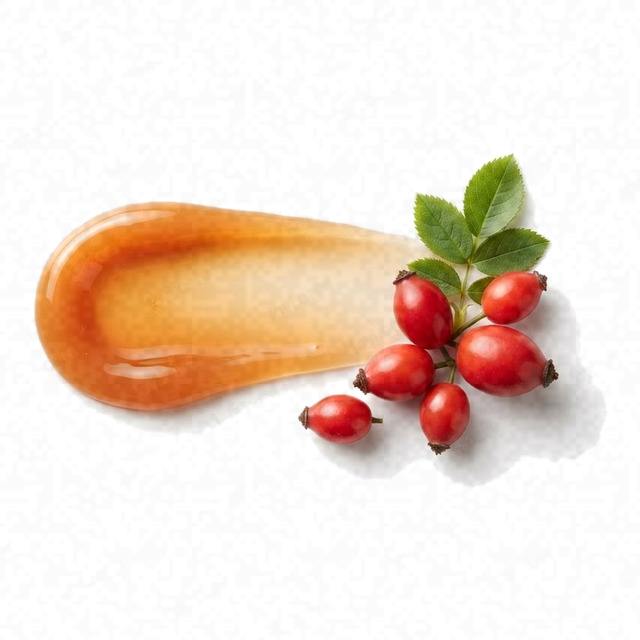 Rosa Rubiginosa Seed Oil
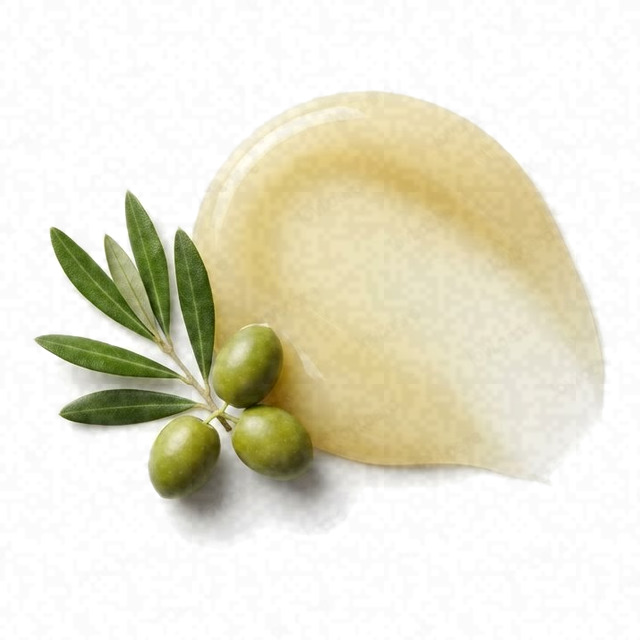 Olea Europaea Oil Olive Oil
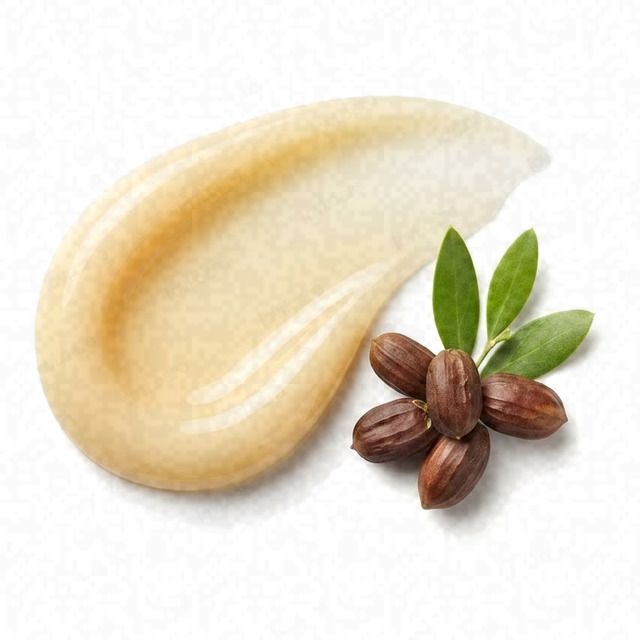 Jojoba Seed Oil
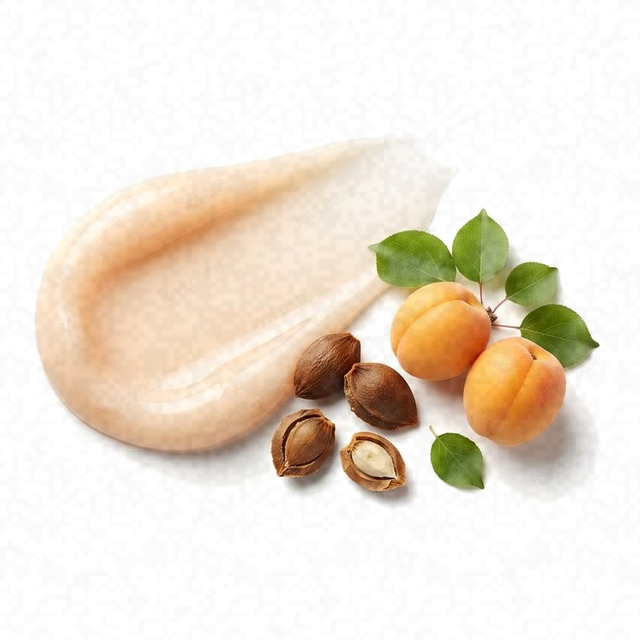 Prunus Armeniaca Kernel Oil Apricot Kernel Oil
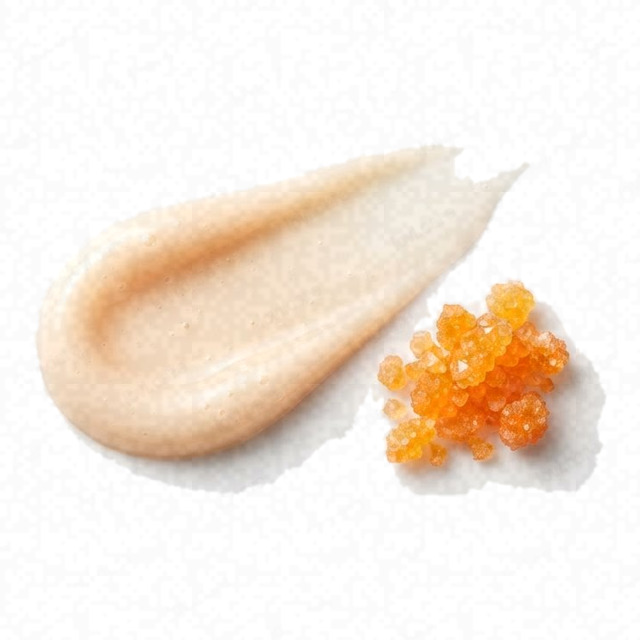 Retinoic Nutrient Complex
Low
- AverageOily Skin Fit
- HighEffectiveness
- ConcerningSafety
A weak match for oily skin; the moisturizers alongside fit it better.
This fit is calculated for the concerns frequently associated with oily skin: shine, enlarged pores, blackheads, and blemishes. For scores and recommendations based on your full skin profile, including your 12D face scan results and any goals or preferences you have, please use the Lovi app.
Page built Nov 8, 2026How the Fit score works
Lovi Assistant explains
- Offers moderate suitability for oily skin as Rosa Rubiginosa Seed Oil and Olea Europaea Oil provide emollient action, but they may not be ideal for seboregulation, which is your main goal for oily shine.
- While the product offers general skincare benefits like hydration and nourishment, these are mostly supportive and irrelevant for directly addressing your oily shine.
How to apply
- Could be used as part of your AM or PM routine every day to keep your face fresh.
- Apply this moisturizer after cleansing and toning, but right before your SPF in the morning.
- Gently press a small amount into your skin and let it absorb fully.
- Apply on clean, slightly dry skin to help control that oily shine.
- Avoid the eye area and do a quick patch test before your first use.
People Say
★4.8Overall rating based on 1.0k+ reviewsBased on a very large amount of data, users consistently praise this oil as a "holy grail" for achieving a "dewy" and "luminous" glow, noting it effectively hydrates dry patches and softens fine lines without feeling heavy. While the majority adore the botanical scent and lightweight texture, a small subset of users with sensitive skin experienced irritation from the essential oils or found the fragrance overpowering.
Highlights
Instant radiant glow Mostly Mentioned
- “luminous skin”
- “dewy finish”
- “healthy radiance”
- “glass skin”
Lightweight & absorbent Often Mentioned
- “sinks in fast”
- “non-greasy”
- “light texture”
- “silky feel”
Softens & hydrates Often Mentioned
- “velvety soft”
- “plumps skin”
- “heals dry patches”
- “deeply nourishing”
High price point Often Mentioned
- “very expensive”
- “luxury splurge”
- “pricey investment”
- “wish it was cheaper”
Spa-like scent Sometimes Noted
- “smells heavenly”
- “botanical aroma”
- “relaxing fragrance”
- “luxury experience”
Strong herbal scent Sometimes Noted
- “overpowering smell”
- “too floral”
- “scent lingers”
- “headache inducing”
Packaging issues Rarely Noted
- “pipette drips”
- “leaky bottle”
- “pump malfunction”
- “messy application”
Skin irritation Rarely Noted
- “caused redness”
- “breakouts”
- “essential oil reaction”
- “stinging sensation”
Sources: lovi.care, tataharperskincare.com, sephora.com, cultbeauty.co.uk, goop.com, bluemercury.com, and more
Questions and answers
Why is Tata Harper Retinoic Nutrient Face Oil a weak match for oily skin?
This oil is a weak match because it relies on heavy oils that do not help control oily shine. Oily skin needs ingredients like niacinamide to manage oil production, hyaluronic acid for lightweight hydration, and soothing components like allantoin.
Which ingredients make this facial oil a poor fit for oily skin?
Rosa Rubiginosa Seed Oil and Olea Europaea Oil make this facial oil a weak match because, while they soften the skin, they do not help control oily shine. An oily skin type needs lightweight products with ingredients like hyaluronic acid, Niacinamide, and Allantoin to manage oil production and keep pores clear without adding heavy oils.
What does Rosehip Seed Oil do for oily skin?
Rosehip seed oil helps balance oily skin by providing lightweight moisture that absorbs quickly without clogging pores. It leaves your face feeling smooth and soft while helping to calm redness and keep your skin looking clear.
What does Olive Oil do for oily skin?
Olive oil is generally a poor fit for oily skin because its higher oleic acid content may disrupt the skin barrier, which can clog pores and worsen breakouts. A product of this type needs lighter ingredients with a higher linoleic acid ratio to balance oil and help repair the skin.
Where does this facial oil go in a skincare routine for oily skin?
This facial oil is a treatment that goes in the evening routine after cleansing and before moisturizing. A product for oily skin like this needs lightweight hydrating ingredients and oil-balancing extracts that help control shine without feeling heavy.
Can I use it with retinol, and in what order?
You can use this moisturizing treatment with retinol by applying it after your retinol product to help keep your skin comfortable and smooth. A product of this type for oily skin needs ingredients that help balance oil and reduce shine.
How often should I use it?
This oil is a weak match for oily skin, but if you choose to use it, apply it in the evening as part of your routine. Oily skin needs lightweight, balancing ingredients that control shine rather than heavy oils.
Can it clog pores, cause breakouts or purging for oily skin?
This oil is a weak match for oily skin because it provides heavy nourishment instead of targeting oily shine, and a product of this type needs lightweight ingredients that help control oil and balance your skin. It may feel too heavy on your face, but it is unlikely to cause purging since it does not speed up skin cell renewal.
Can I use it around the eyes or on my body?
This oil is unlikely to be ideal for the very thin skin around the eyes because heavy plant oils may feel too rich there, though it can help soften drier body skin.
Surgical and Radiologic Anatomy, 2002Frontiers in Pharmacology, 2024
Is it fragrance-free and alcohol-free?
It has no drying alcohol and contains fragrance (benzyl alcohol, citral, citronellol, geraniol, limonene, linalool, benzyl salicylate, eugenol, farnesol, and isoeugenol).
What the research says
Topical treatments containing rosehip extract may reduce the size and erythema of postsurgical scars through macrophage polarization and inflammatory cytokine inhibition, though current clinical evidence remains insufficient to recommend its routine use.
Journal of Cosmetic Dermatology, 2024Sunflower and rosehip oil nanoemulsions prepared with a mix of phospholipids and synthetic emulsifiers permeated intact skin to the dermis and showed a more prominent healing effect in a human organotypic skin explant culture wound model compared to nanoemulsions prepared only with phospholipids.
Pharmaceutics, 2023A nanoemulsion containing 1 mg/mL kojic dipalmitate and 5% rosehip oil demonstrated high incorporation efficiency, suitable physicochemical stability, antioxidant and depigmenting efficacy close to 1 mM ascorbic acid, and no cytotoxicity at concentrations from 0.06% to 1% in vitro.
Pharmaceutics, 2023Clay jojoba oil facial masks reduced total skin lesions by a mean of 54% after 6 weeks in 133 participants with acne-prone, lesioned skin and mild acne compared to baseline.
Forschende Komplementarmedizin, 2012Topical application of jojoba wax reduced LPS-induced secretion of IL-6, IL-8, and TNFα by approximately 30% and increased the synthesis of pro-collagen III and hyaluronic acid compared to untreated skin in an ex-vivo human skin organ culture model.
Frontiers in Pharmacology, 2024Topical jojoba oil application in male mice decreased exercise-induced pro-inflammatory gene expression (Il-1b and Il-6 in soleus, Il-1b in gastrocnemius) compared to untreated exercised mice.
Biomolecules, 2025A galenic compound containing essential oils and tretinoin demonstrated anti-acne efficacy and anti-inflammatory activity, significantly reducing papular erythema and retinoid-induced rashes compared to clindamycin-tretinoin gel in sixty volunteers over 30 days.
Clinical, Cosmetic and Investigational Dermatology, 2020Topical tretinoin improves clinical appearance of photoaging in terms of wrinkling, mottled hyperpigmentation, sallowness, and lentigines and is safe and well tolerated.
International Journal of Women's Dermatology, 2022Topical tretinoin daily application for 10 to 12 months produced an 80 percent increase in collagen I formation in photodamaged human skin compared with a 14 percent decrease with vehicle alone.
The New England Journal of Medicine, 1993
Why other moisturizers fit oily skin better
A panthenol-enriched mask improved skin hydration, regulated sebum, and reduced redness and TEWL across dry sensitive, oily sensitive, and oily acne skin subgroups with excellent tolerance and no adverse reactions.
Journal of Cosmetic Dermatology, 2024A peel-off facial mask containing myoinositol and trehalose-loaded liposomes improved adult female acne by decreasing lesion counts, sebum production, GAGS scores, and local androgen levels while increasing beclin-1 levels.
Journal of Cosmetic Dermatology, 2017
Ingredients
Rosa Rubiginosa Seed Oil, Olea Europaea Oil Olive Oil, Jojoba Seed Oil, Prunus Armeniaca Kernel Oil Apricot Kernel Oil, Sambucus Nigra Fruit Extract, Calendula Officinalis Flower Extract, Borago Officinalis Leaf Extract, Medicago Sativa Extract, Arnica Montana Extract, Tilia Cordata Leaf, Flower Extract, Citrus Aurantium Amara Oil, Anthemis Nobilis Oil Flower Chamomile Oil Flower, Cananga Odorata Oil Flower Ylang Ylang Oil Flower, Citrus Aurantium Amara Peel Oil Bergamot Peel Oil, Lavandula Angustifolia Oil Lavender Oil, Pelargonium Graveolens Oil Geranium Oil, Rosa Damascena Oil Flower Rose Oil Flower, Benzyl Alcohol, Citral, Citronellol, Geraniol, Limonene, Linalool, Benzyl Benzoate, Benzyl Salicylate, Eugenol, Farnesol, Isoeugenol
Behind this fit score
Lovi calculates every fit score from the full ingredient list with brand-independent rules our dermatologists and cosmetic chemists build and review, and personalizes every pick with AI trained on the real results of millions of users. Lovi trains its fit score models on a proprietary dataset built from more than 10,000 expert-labeled products and more than 100,000 simulated examples, following an internally consistent methodology presented at Cosmoprof, AMWC, and Skin of Color Update.
-

Co-founder, Medical Director
Cosmetic chemist, cosmetologist, aesthetic products developer
-

Co-founder, CEO and CTO
PhD in computer science, 3x US patent holder, ex-Google, ex-Yandex
-

Dr. Sofía Perea Pérez, MD, MSc
Medical Board
Aesthetic medicine practitioner, MSc in Longevity and Anti-Aging Medicine
-

Medical Board
Specialist dermatologist, MBBS, MD, IFAAD
-

Medical Board
Cosmetic chemist, SCS, IFSCC member
-

Medical Board, Medical Advisor
Dermatology MD
-

Elina Nazarenko, MD
Medical Board
Dermatology and diagnostic consultant
-

Victoria Derkova, MS
Medical Board
Cosmetic chemist, cosmetic development technologist


How does it fit your skin?
Scan your face, then any product: Lovi shows how well it fits you and what fits even better.