
Skinbetter Science Trio Rebalancing Moisture Treatment

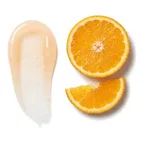 Aminopropyl Ascorbyl Phosphate
 Sodium Hyaluronate
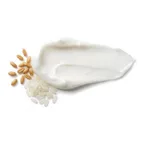 Ceramide Eop
 Glycerin
 Squalane
Glycerin, squalane, and hyaluronic acid draw in moisture and reinforce the skin barrier, so it suits dry skin best. For skin that needs oil control, moisturizers with niacinamide get higher fit scores.
Each fit is calculated for the concerns frequently associated with that skin type. For scores and recommendations based on your full skin profile, including your 12D face scan results and goals, use the Lovi app.
Updated How the Fit score works
Where it fits best and least
Best fit Superior
One of the best moisturizers for dry skin.
- Excellent suitability for your dry skin is provided by humectants like urea and sodium hyaluronate, which draw moisture into the skin, complemented by ceramides and cholesterol that reinforce your skin barrier.
Lowest fit High
Oily Skin, Combination Skin, Sensitive Skin, Acne-Prone Skin, Skin with Dark Spots, Mature Skin, Dry Sensitive Skin, Oily Acne-Prone Skin
A great choice for oily skin; a few moisturizers fit it even better.
- Offers excellent moisturizing treatment for your oily skin due to the presence of sodium hyaluronate and glycerin, which hydrate and plump the skin, while salicylic acid and lactic acid provide moderate exfoliation to help rebalance oil production.
How to apply
- Could be used as part of your AM and PM routine. Start using it 3 times a week and move to daily use if your skin likes it.
- Apply this moisturizer after your cleanser and toner, right before your morning SPF.
- Gently press a small amount of the moisturizer into your skin. Avoid rubbing it too hard so it absorbs nicely.
- For the best moisture, you can apply it when your skin is slightly damp. This helps your skin stay soft and happy.
- Remember to avoid the eye area when applying. Always do a patch test before your first use.
People Say
★4.8Overall rating based on 300+ reviewsUsers consistently praise this moisturizer for delivering intense hydration and barrier repair without feeling heavy or greasy, making it a favorite for those with dry, aging, or compromised skin. Reviews frequently highlight visible improvements in skin texture, radiance, and fine lines, with many noting it works well for sensitive and acne-prone skin types despite its richness.
Highlights
Lightweight hydration Mostly Mentioned
- “Heavy hydration without weight”
- “absorbs instantly”
- “not greasy at all”
Improves texture Often Mentioned
- “Skin feels like silk”
- “smoother and softer”
- “makeup applies beautifully”
High price point Often Mentioned
- “Very expensive”
- “steep price tag”
- “hard to justify cost”
Radiance and glow Sometimes Noted
- “Gives a healthy glow”
- “skin looks plump”
- “restores radiance”
Restores skin barrier Sometimes Noted
- “Calms my redness”
- “fixed my dry patches”
- “soothing for sensitive skin”
Not enough moisture Rarely Noted
- “Need more moisture”
- “skin still felt tight”
- “had to layer it”
Packaging malfunctions Rarely Noted
- “Pump stopped working”
- “hard to get product out”
- “defective dispenser”
Unpleasant smell Rarely Noted
- “Smells like fish”
- “weird earthy scent”
- “bad odor initially”
Sources: lovi.care, lazskincare.com, dermstreet.com, influenster.com, reddit.com, skinelite.com, and more
Questions and answers
What makes Skinbetter Science Trio Rebalancing Moisture Treatment one of the best fits for dry skin?
This treatment is one of the best fits for dry skin because it uses urea and sodium hyaluronate to draw in moisture, alongside ceramides and cholesterol to strengthen your skin barrier. Squalane and glycerin provide even more hydration, helping to keep your skin soft and smooth while preventing flakiness.
What makes Skinbetter Science Trio Rebalancing Moisture Treatment a great fit for oily skin?
This treatment is a great fit for your oily skin because sodium hyaluronate and glycerin hydrate and plump your skin, while salicylic acid and lactic acid gently exfoliate to help balance oil production. Urea and ceramides further support your skin barrier, and the formula is unlikely to cause irritation.
Clinical, Cosmetic and Investigational Dermatology, 2017BioMed Research International, 2020
What makes Skinbetter Trio Rebalancing Moisture Treatment a great fit for oily acne-prone skin?
This treatment is a great fit because it uses salicylic acid and lactic acid to clear pores and balance oil, while glycerin and sodium Hyaluronate keep your skin hydrated without feeling heavy. It is very safe for your skin, featuring soothing ingredients like urea and avoiding harsh substances.
BioMed Research International, 2020Journal of Cosmetic Dermatology, 2024
Can I use this treatment with retinol, and in what order?
You can use this treatment with retinol by applying it right before your retinol at night to help keep your skin comfortable and smooth. Using a barrier-supporting moisturizer alongside active ingredients like retinol is unlikely to cause irritation and helps maintain skin hydration.
Can I use this treatment around the eyes or on my body?
You can use this moisturizing treatment around your eyes and on your body, as its gentle, deeply hydrating formula is safe for delicate and thin skin. The humectants and ceramides in it help lock in moisture and soothe dryness across various areas without causing irritation.
Is this treatment fragrance-free and alcohol-free?
Yes, it has no fragrance and no drying alcohol. Cetearyl alcohol is a fatty alcohol, which soften the skin.
What makes Skinbetter Science Trio Rebalancing Moisture Treatment a great fit for combination skin?
This treatment is a great fit because it uses salicylic acid and lactic acid to gently exfoliate and balance oily areas, while sodium hyaluronate and urea provide deep hydration to keep skin smooth and comfortable. These ingredients work together to support a healthy skin barrier without using harsh irritants.
What makes Skinbetter Science Trio Rebalancing Moisture Treatment a great fit for sensitive skin?
This treatment is a great fit for sensitive skin because it uses ceramides, cholesterol, and linoleic acid to support your skin barrier and calm redness. Ingredients like urea and sodium hyaluronate also provide deep moisture, keeping your skin soft and comfortable.
What makes Skinbetter Science Trio Rebalancing Moisture Treatment a great fit for acne-prone skin?
This moisturizing treatment is a great fit because it uses salicylic acid and lactic acid to gently clear pores and calm redness, while glycerin and sodium hyaluronate keep your skin soft with comfortable hydration. It is safe and well-balanced for daily use on blemish-prone skin.
Journal of Cosmetic Dermatology, 2024Clinical, Cosmetic and Investigational Dermatology, 2017
What makes Skinbetter Science Trio Rebalancing Moisture Treatment a great fit for skin with dark spots?
This treatment is a great fit because it offers moderate benefits for dark spots with ingredients that gently brighten and exfoliate. It also keeps your skin soft and deeply moisturized while supporting your skin barrier with ceramides, and is very unlikely to cause irritation.
Journal of Cosmetic Dermatology, 2011Clinical, Cosmetic and Investigational Dermatology, 2017
What makes Skinbetter Science Trio Rebalancing Moisture Treatment a great fit for mature skin?
This treatment is a great fit because sodium hyaluronate and glycerin hydrate and plump your skin, while lactic acid and salicylic acid gently smooth out fine lines and wrinkles. Ceramides and cholesterol help support your skin barrier to keep it healthy and strong.
Clinical, Cosmetic and Investigational Dermatology, 2017Dermatologic Therapy, 2022
What makes Skinbetter Science Trio Rebalancing Moisture Treatment a great fit for dry sensitive skin?
This moisturizing treatment is a great fit because ingredients like urea, sodium hyaluronate, and glycerin draw in moisture to soothe dryness and flakiness. Ceramides and cholesterol also help strengthen your skin barrier for better hydration and resilience.
What the research says
A single application of a moisturizing fluid containing hyaluronic acid 1%, glycerin 5%, and Centella asiatica stem cells extract significantly increased skin hydration by 29% and reduced transepidermal water loss at 24 hours compared to baseline and an untreated control site in twenty healthy women.
Clinical, Cosmetic and Investigational Dermatology, 2017Topical application of 5% vitamin C cream significantly improved global clinical scores, increased skin microrelief density, and induced elastic tissue repair in photoaged skin compared to excipient control in healthy female volunteers.
Experimental Dermatology, 2003Topical application of VC-IP cream twice daily for 8 weeks reduces periorbital wrinkles in female subjects compared to a placebo cream.
Journal of Cosmetic Dermatology, 2022Topical treatment with 5% vitamin C and 0.1% madecassoside significantly improved clinical scores for wrinkles, suppleness, firmness, roughness, and skin hydration, along with functional and structural remodeling of the elastic fiber network in 20 female volunteers with photoaged skin after 6 months compared to baseline.
Experimental Dermatology, 2008Topical application of 0.1% hyaluronic acid formulations of different molecular weights led to significant improvements in skin hydration and elasticity, with low-molecular-weight formulations also significantly reducing wrinkle depth in seventy-six female subjects compared to a vehicle control.
Journal of Drugs in Dermatology, 2011Topical hyaluronic acid serum used twice daily by 40 females with facial photoaging produced an immediate 134% increase in skin hydration, a sustained 55% increase at week 6, and significant improvements in smoothness, plumping, fine lines, wrinkles, and global appearance without causing irritation.
Dermatology and Therapy, 2021A topical antioxidant serum significantly reduced air pollution-induced skin pigmentation and proinflammatory gene expression ex vivo, and improved skin aging signs in 40 healthy adult females after 90 days of daily use.
Journal of Cosmetic Dermatology, 2022Ceramide and niacinamide-containing moisturizer combined with anti-acne treatment significantly improved non-inflammatory, inflammatory, and total acne lesions compared to hydrophilic cream in 40 patients with mild to moderate acne vulgaris after 8 weeks.
Journal of Cosmetic Dermatology, 2024Topical application of a pseudo-ceramide-containing spray improved stratum corneum water content, transepidermal water loss, cell area, and scaling score, and normalized the ceramide profile in patients with dry and sensitive skin compared to a control spray.
Journal of Cosmetic Dermatology, 2025The emollient V0034CR significantly reduced TEWL compared to vehicle and vehicle plus glycerol, and significantly increased corneometry scores compared to vehicle and vehicle plus petrolatum in healthy volunteers with dry skin, demonstrating combined barrier function improvement from petrolatum and hydration improvement from glycerol.
Journal of Cosmetic Dermatology, 2020Ten days of treatment with a cream containing 20% glycerin significantly increased skin hydration measured by corneometer values in 17 healthy volunteers compared to a placebo cream, but showed no influence on transepidermal water loss or skin sensitivity to an irritating surfactant.
International Journal of Cosmetic Science, 2001Application of fullerene-C60 dissolved in squalane cream twice daily for 8 weeks significantly enhanced skin moisture and reduced wrinkle formation compared to placebo in 23 Japanese women without severe side effects.
Journal of Nanoscience and Nanotechnology, 2010Squalane at 0.005-0.015% counteracts UVA-induced oxidative stress, inflammation, and collagen metabolism inhibition while stimulating fibroblast migration in human dermal fibroblasts.
Molecules, 2025Plant-derived squalane protected human dermal fibroblasts against UVA-induced damage by counteracting ROS formation, suppressing apoptosis-related proteins p53, caspase-3, caspase-9, and PARP, and restoring the pro-survival p-Akt/mTOR pathway.
Antioxidants, 2025Niacinamide/glycerin body moisturizers provided better rapid and prolonged improvement of cosmetic xerosis through functional improvement of stratum corneum barrier function compared to no treatment and conventional moisturizers in female subjects.
Journal of Drugs in Dermatology, 2012A moisturizer containing licochalcone A, 1,2-decanediol, L-carnitine, and salicylic acid significantly reduced noninflammatory, inflammatory, and total acne lesion counts compared to a vehicle control in Thai patients during a 12-week maintenance phase.
BioMed Research International, 2020Twice daily application of a multitargeted dermocosmetic cream provided comparable efficacy to benzoyl peroxide 5% gel in reducing inflammatory, non-inflammatory, and total lesions in 150 Caucasian subjects with mild-to-moderate acne over 56 days, while demonstrating superior skin tolerability.
Journal of Cosmetic Dermatology, 2024The use of a salicylic acid-based dermocosmetic significantly reduces the needed quantity of benzoyl peroxide without impacting efficacy in mild to moderate acne, and as maintenance post-benzoyl peroxide allows a significant reduction of acne relapse compared to vehicle.
Journal of Drugs in Dermatology, 2023Topical hyaluronic acid filler serum combined with Botulinum toxin type A lengthened the duration of the toxin's effect in reducing wrinkles compared to Botulinum toxin type A alone.
Dermatologic Therapy, 2022Emulsions containing ceramides 1 and 3 improved skin hydration and reduced transepidermal water loss in sodium lauryl sulfate-irritated skin of fifteen healthy Asian women compared to a control emulsion.
International Journal of Dermatology, 2008Topical lovastatin treatment impairs the recovery of cutaneous permeability barrier function and stratum corneum cholesterol levels after acetone disruption in mice, an effect normalized by simultaneous treatment with mevalonate or cholesterol.
The Journal of Clinical Investigation, 1990Hyaluronic acid-based formulations exhibit remarkable anti-wrinkle, anti-aging, and skin rejuvenating effects via soft tissue augmentation, improved skin hydration, and face volume restoration.
International Journal of Biological Macromolecules, 2018Treatment with 45% mandelic acid peel showed nearly equal overall efficacy as 30% salicylic acid peel in patients with mild-to-moderate facial acne vulgaris, but with fewer adverse effects.
Journal of Cosmetic Dermatology, 2020L-ascorbic acid 10% plus phytic acid 2% serum significantly reduced the pigmentation index of solar lentigines compared to a vehicle control in 30 healthy subjects.
Journal of Cosmetic Dermatology, 2011A night cream containing melatonin, carnosine, and Helichrysum italicum extract reduced oxidative stress ex vivo and improved hydration, reduced transepidermal water loss, decreased wrinkles and spots, and lowered skin reactivity in 117 individuals over up to 12 weeks of nightly use.
Dermatology and Therapy, 2020Treatment with a Rhodiola rosea extract and L-carnosine-associated compound produced in vivo protective effects on skin barrier function and positive subjective responses in 124 volunteers with sensitive skin compared to placebo.
Journal of Cosmetic Dermatology, 2008
Ingredients
Aminopropyl Ascorbyl Phosphate, Water, Butylene Glycol, Caffeine, Caprylic Capric Triglyceride, Caprylyl Methicone, Carnitine, Carnosine, Ceramide Eop, Ceramide Np, Cetearyl Alcohol, Cholesterol, Dimethicone, Ethyl Macadamiate, Ethylhexylglycerin, Glycerin, Glyceryl Stearate, Hydroxyethyl Urea, Isocetyl Stearoyl Stearate, Jojoba Esters, Lactic Acid, Lecithin, Linoleic Acid, Linolenic Acid, N-Capryloyl Lysine, Pentaerythrityl Tetra-Di-T-Butyl Hydroxyhydrocinnamate, Phenoxyethanol, Phytic Acid, Polyglyceryl-6 Palmitate Succinate, Pullulan, Salicornia Herbacea Extract, Salicylic Acid, Sclerotium Gum, Silica, Sodium Hyaluronate, Sodium Hydroxide, Sodium Lactate, Sodium Pca, Squalane, Tocopherol, Triacetin, Triethyl Citrate, Urea, Xanthan Gum
Behind these fit scores
Lovi calculates every fit score from the full ingredient list with brand-independent rules our dermatologists and cosmetic chemists build and review, and personalizes every pick with AI trained on the real results of millions of users. Lovi trains its fit score models on a proprietary dataset built from more than 10,000 expert-labeled products and more than 100,000 simulated examples, following an internally consistent methodology presented at Cosmoprof, AMWC, and Skin of Color Update.
-

Co-founder, Medical Director
Cosmetic chemist, cosmetologist, aesthetic products developer
-

Co-founder, CEO and CTO
PhD in computer science, 3x US patent holder, ex-Google, ex-Yandex
-

Dr. Sofía Perea Pérez, MD, MSc
Medical Board
Aesthetic medicine practitioner, MSc in Longevity and Anti-Aging Medicine
-

Medical Board
Specialist dermatologist, MBBS, MD, IFAAD
-

Medical Board
Cosmetic chemist, SCS, IFSCC member
-

Medical Board, Medical Advisor
Dermatology MD
-

Elina Nazarenko, MD
Medical Board
Dermatology and diagnostic consultant
-

Victoria Derkova, MS
Medical Board
Cosmetic chemist, cosmetic development technologist


How does it fit your skin?
Scan your face, then any product: Lovi shows how well it fits you and what fits even better.