Perricone MD Essential Fx Acyl-Glutathione Intensive Overnight Moisturizer for sensitive skin

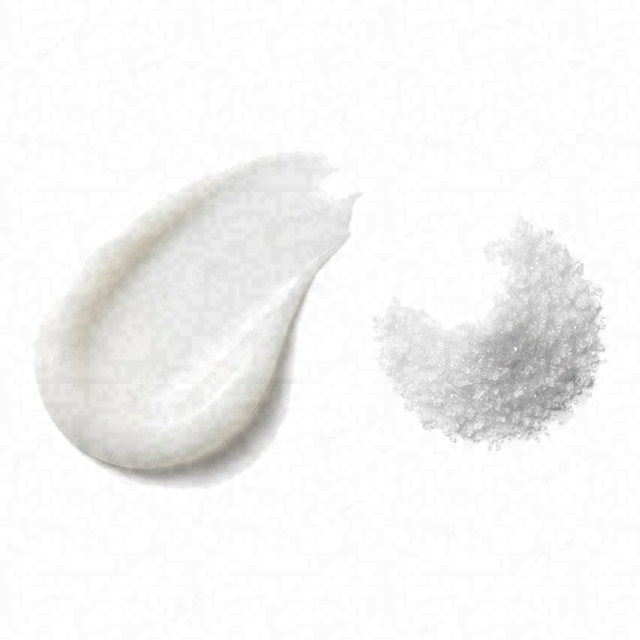 Acyl-Glutathione
 Niacinamide
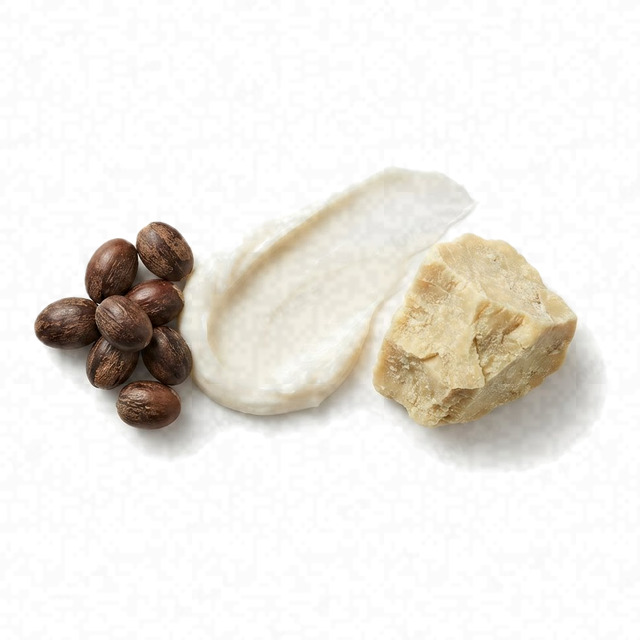 Shea Butter
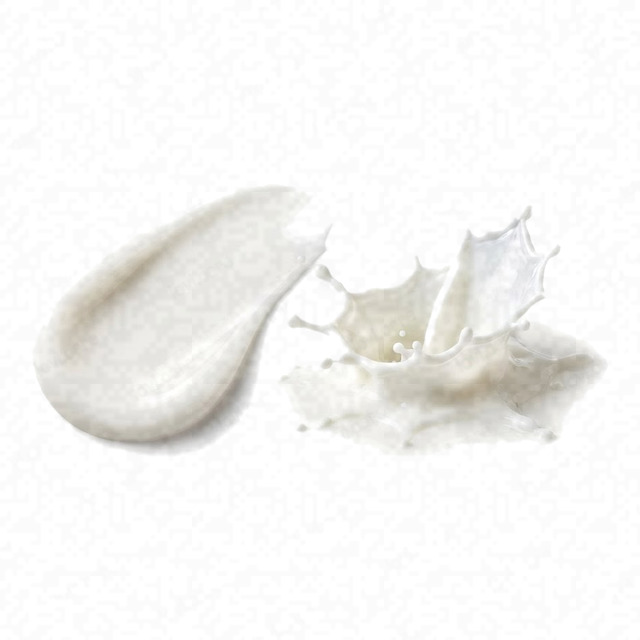 Lactic Acid
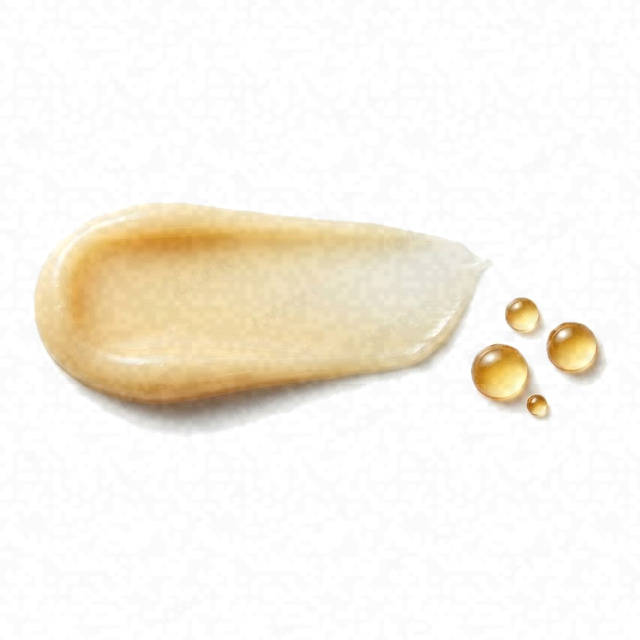 Vitamin F Blend
Average
- SuperiorNormal Skin Fit
- AverageEffectiveness
- HighSafety
Works for sensitive skin; other moisturizers fit it better.
This fit is calculated for the concerns frequently associated with sensitive skin: redness, stinging, and reactions to new products. For scores and recommendations based on your full skin profile, including your 12D face scan results and any goals or preferences you have, please use the Lovi app.
Page built Nov 8, 2026How the Fit score works
Lovi Assistant explains
- This moisturizer offers moderate benefits for your normal skin, with niacinamide and shea butter providing excellent hydration and barrier support. While these ingredients are beneficial for overall skin health, they offer only supportive care for your specific concerns of redness and irritation.
- The formula is well-suited for normal skin types due to the emollient properties of shea butter and the barrier-strengthening effects of niacinamide.
- The product is safe for sensitive skin as it lacks harsh ingredients and includes soothing components.
How to apply
- Use this soothing AM and PM routine every day to keep your normal skin calm. Always remember to apply SPF in the morning after your moisturizer.
- Apply your moisturizer after your toner in the morning, and after your serum in the evening. This step locks in hydration and protects your skin.
- Gently press a small amount of the moisturizer evenly across your face. Avoid rubbing to keep your sensitive skin happy and calm.
- You can apply this gentle formula on dry or slightly damp skin for the best comfort. It works wonderfully on clean skin to soothe redness and irritation.
- Do a patch test before your very first use to check your skin's reaction. Avoid getting the product directly into your eyes .
Questions and answers
How well does Perricone MD Essential Fx Acyl-Glutathione Intensive Overnight Moisturizer work for sensitive skin?
This moisturizer works reasonably well for sensitive skin, using shea butter and niacinamide to provide steady hydration and comfort. While it helps support overall skin health, it offers only basic care for redness and irritation. Sensitive skin of this type needs formulas with soothing ingredients like fermented Centella Asiatica, cica ceramide, and nourishing oils that actively target redness without causing imbalance.
Which ingredients make this moisturizer a good fit for sensitive skin?
This moisturizer is a good fit for sensitive skin because it includes shea butter and niacinamide, which help soothe skin and strengthen the moisture barrier. A product of this type needs soothing ingredients like fermented Centella Asiatica, cica ceramide, and nourishing oils to effectively target redness and irritation.
Journal of the European Academy of Dermatology and Venereology, 2024
What does Acyl-Glutathione do for sensitive skin?
Acyl-glutathione helps protect sensitive skin by reducing oxidative stress and fighting environmental damage, though a product for this skin type also needs soothing ingredients to calm irritation and strengthen the skin barrier.
Journal of the European Academy of Dermatology and Venereology, 2024Journal of Cosmetic Dermatology, 2026
What does Niacinamide do for sensitive skin?
Niacinamide helps calm sensitive skin by strengthening the skin barrier and reducing redness and irritation. It is very well tolerated and may improve overall comfort and resilience with regular use.
Where does it go in a skincare routine for sensitive skin?
This moisturizing treatment goes in your evening routine after your toner and before your regular moisturizer. Sensitive skin needs a product with gentle, calming ingredients and barrier support to keep it soft and comfortable while reducing redness and irritation.
Can I use this cream with retinol, and in what order?
You can use this cream with retinol by applying your retinol first and following with this moisturizer to help keep your skin calm and hydrated. A product of this type needs soothing ingredients and barrier support to keep sensitive skin comfortable while using strong treatments.
How often should I use it?
You can use this moisturizing treatment daily in your evening routine. Daily application helps improve skin moisture, barrier function, and texture.
Journal of Cosmetic Dermatology, 2020Health Science Reports, 2021
Can this moisturizer clog pores, cause breakouts or purging for sensitive skin?
This moisturizer is unlikely to clog pores or cause breakouts for sensitive skin because it is safe for sensitive skin as it lacks harsh ingredients and includes soothing components. However, to better address redness and irritation, a product of this type needs calming ingredients and barrier-strengthening components that specifically target redness and sensitive skin.
Can I use it around the eyes or on my body?
This moisturizer is generally safe to apply on the body and around the eyes, though sensitive skin may need a gentle formula packed with soothing ingredients and extra barrier support to properly target redness and irritation.
Is this cream fragrance-free and alcohol-free?
It has no drying alcohol and contains fragrance (citronellol, limonene, and linalool).
What the research says
A combination cream of stimu-tex AS and saccharide isomerate reduced erythema, increased skin capacitance, and reduced transepidermal water loss compared to placebo in 20 subjects after fractional CO2 laser procedure without causing serious adverse events.
Lasers in Medical Science, 2025Glutathione amino acid precursors effectively increase cellular glutathione levels, reducing oxidative stress, ATP depletion, and DNA damage in human keratinocytes, clinical subjects, and ex vivo skin compared to controls.
Journal of the European Academy of Dermatology and Venereology, 2024Topical oxidized glutathione significantly decreases the skin melanin index and improves moisture content, smoothness, wrinkle formation, and elasticity compared to placebo in healthy women.
Clinical, Cosmetic and Investigational Dermatology, 2014Topical glutathione improves hyperpigmentation, reduces ultraviolet-induced erythema and wrinkles, decreases transepidermal water loss, and enhances antioxidant capacity.
The Journal of Clinical and Aesthetic Dermatology, 2025RayGel reduced skin reaction severity with a lower average score of 93.7 compared to 123.3 for the placebo group in patients undergoing whole breast external-beam irradiation.
American Journal of Surgery, 2005Topical post-laser application of human adipocyte-derived mesenchymal stem cell media combined with niacinamide significantly improved wrinkle index, melanin index, patient satisfaction, and investigator esthetic improvement scores compared to vehicle cream in patients with aging skin.
Journal of Cosmetic Dermatology, 2021Topical nicotinamide prevented solar-simulated UV-induced immunosuppression in healthy volunteers, and men experienced immunosuppression at solar-simulated UV doses three times lower than those required for women.
The Journal of Investigative Dermatology, 2008Topical 5% niacinamide applied twice daily for 12 weeks reduced fine lines and wrinkles, hyperpigmented spots, red blotchiness, and skin sallowness, and improved skin elasticity compared to vehicle control in 50 female white subjects with facial photoaging.
Dermatologic Surgery, 2005A skin barrier restoring cream with shea butter, silkflo, and vitamin E increased type I procollagen synthesis, enhanced antioxidant enzyme activity, decreased reactive oxygen species generation, and promoted hyaluronic acid production in H2O2-stimulated human keratinocyte cells compared to untreated cells.
International Journal of Cosmetic Science, 2025Application of a cream containing lactic acid 12% and pramoxine HCl 1% significantly improved skin dryness, hydration, and itch compared with a nontreated control in 24 women with a history of dry itchy skin.
Cutis, 2004Topical 12% ammonium lactate produced a significant sparing of epidermal and dermal atrophy induced by clobetasol propionate in human volunteers, without influencing the corticosteroid's bioavailability or antiinflammatory properties.
Journal of the American Academy of Dermatology, 1992A lactic acid/ceramide lotion significantly improved skin moisturization and desquamation compared to no treatment in women with dry, rough skin on the anterior shins.
The Journal of Clinical and Aesthetic Dermatology, 2020Topical application of linoleic acid achieved an almost 25% reduction in the overall size of follicular casts and microcomedones over a 1-month treatment period in patients with mild acne compared to no change at placebo-treated sites.
Clinical and Experimental Dermatology, 1998Topical conjugated linolenic acid significantly reduced edema on post-procedure Day 3 and itching on Days 1 and 3, and improved wrinkling at Day 14 compared to 1% dimethicone ointment in 34 subjects undergoing fractionated CO2 laser resurfacing of the face.
The Journal of Clinical and Aesthetic Dermatology, 2017Liposomal formulation of linoleic acid significantly enhances its skin whitening effect compared to non-liposomal forms in UV-stimulated guinea pig and human skin.
Biological & Pharmaceutical Bulletin, 2004
Why other moisturizers fit sensitive skin better
A panthenol-enriched mask improved skin hydration, regulated sebum, and reduced redness and TEWL across dry sensitive, oily sensitive, and oily acne skin subgroups with excellent tolerance and no adverse reactions.
Journal of Cosmetic Dermatology, 2024Topical dexpanthenol acts as a moisturizer, improves stratum corneum hydration, accelerates wound healing and epidermal regeneration, reduces erythema, and improves symptoms of skin irritation compared to vehicle or no pretreatment.
American Journal of Clinical Dermatology, 2002A dexpanthenol-containing cream accelerated skin barrier repair, increased stratum corneum hydration, reduced skin roughness, and decreased skin redness compared to vehicle and untreated controls in sodium lauryl sulphate-irritated skin.
The Journal of Dermatological Treatment, 2002
Ingredients
Water, Butyrospermum Parkii Butter Shea Butter, Myristyl Myristate, Niacinamide, C12-15 Alkyl Benzoate, Stearic Acid, Dimethicone, Sodium Acrylates Copolymer, Palmitoyl Glycine, S-Palmitoylglutathione, Ethylhexylglycerin, Myristyl Laurate, Ribose, Lecithin, Lactic Acid, Linum Usitatissimum Seed Oil, Macadamia Ternifolia Seed Oil, Salvia Hispanica Seed Oil, Magnesium Aspartate, Zinc Gluconate, Copper Gluconate, Helianthus Annuus Seed Oil Sunflower Seed Oil, Rosmarinus Officinalis Leaf Extract Rosemary Leaf Extract, Tetrasodium Glutamate Diacetate, Sodium Hydroxide, Glyceryl Stearate, Peg-100 Stearate, Phenoxyethanol, Citronellol, Hydroxycitronellal, Limonene, Linalool
Behind this fit score
Lovi calculates every fit score from the full ingredient list with brand-independent rules our dermatologists and cosmetic chemists build and review, and personalizes every pick with AI trained on the real results of millions of users. Lovi trains its fit score models on a proprietary dataset built from more than 10,000 expert-labeled products and more than 100,000 simulated examples, following an internally consistent methodology presented at Cosmoprof, AMWC, and Skin of Color Update.
-

Co-founder, Medical Director
Cosmetic chemist, cosmetologist, aesthetic products developer
-

Co-founder, CEO and CTO
PhD in computer science, 3x US patent holder, ex-Google, ex-Yandex
-

Dr. Sofía Perea Pérez, MD, MSc
Medical Board
Aesthetic medicine practitioner, MSc in Longevity and Anti-Aging Medicine
-

Medical Board
Specialist dermatologist, MBBS, MD, IFAAD
-

Medical Board
Cosmetic chemist, SCS, IFSCC member
-

Medical Board, Medical Advisor
Dermatology MD
-

Elina Nazarenko, MD
Medical Board
Dermatology and diagnostic consultant
-

Victoria Derkova, MS
Medical Board
Cosmetic chemist, cosmetic development technologist


How does it fit your skin?
Scan your face, then any product: Lovi shows how well it fits you and what fits even better.