
Paula's Choice PRO Retinaldehyde Dual-Retinoid Treatment

 Retinaldehyde
 Retinol
 Niacinamide
 Hyaluronic Acid
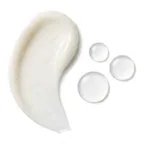 Squalane
Retinaldehyde, retinol, and niacinamide renew the skin and regulate oil, so it suits acne-prone skin best. For skin that needs soothing, serums with panthenol and madecassoside get higher fit scores. Where to buy in France: Amazon.fr, €75.00.
Each fit is calculated for the concerns frequently associated with that skin type. For scores and recommendations based on your full skin profile, including your 12D face scan results and goals, use the Lovi app.
Updated How the Fit score works
Where it fits best and least
Best fit Superior
One of the best serums for acne-prone skin.
- Excellent for your combination, acne-prone skin as retinaldehyde and retinol promote skin renewal and reduce inflammation, while niacinamide and humectants like glycerin and hyaluronic acid regulate oil and provide hydration.
Lowest fit Average
Works for dry sensitive skin; other serums fit it better.
- Offers moderate benefits for dry skin due to glycerin, hyaluronic acid, and shea butter providing hydration and emollient actions, though the inclusion of retinaldehyde and retinol may cause irritation for your sensitive skin.
Other skin types
Buy online

Prices checked 22 Nov 2026
The Lovi Fit is the same in every country; only the stores and prices differ, and the ones here are for France.
How to apply
- Apply this serum PM, starting 3×/week and working up to daily use as your skin adjusts.
- Place the serum after cleansing and toner, but right before your moisturizer.
- Gently press 2-3 drops of the serum into your skin and let it absorb for a minute.
- Apply the serum on slightly damp skin to help lock in extra moisture.
- Avoid the eye area and do a patch test before your first use.
People Say
★4.5Overall rating based on 300+ reviewsUsers with acne-prone and aging skin report significant improvements in skin clarity and texture, often describing the product as a "game changer" for stubborn breakouts and fine lines. While the dual-retinoid formula is praised for being surprisingly gentle and effective where other retinols failed, some users experienced an initial purging phase and noted the bright yellow formula can stain fabrics.
Highlights
Clears acne Mostly Mentioned
- “staves off hormonal breakouts”
- “cleared my dark spots”
- “pores are less enlarged”
- “cystic breakout linger on my chin gone”
Gentle formula Often Mentioned
- “zero irritation or flaking”
- “no irritation despite sensitive skin”
- “layers well”
- “never harsh”
Smoothes texture Often Mentioned
- “softened my 11 lines”
- “skin looks more radiant”
- “smooth texture”
- “plumped up my skin”
Pleasant texture Sometimes Noted
- “lightweight”
- “melted into skin”
- “sinks in fast”
- “pleasant feel”
Initial purging phase Sometimes Noted
- “rocky start”
- “tiny white head pimples”
- “purging period”
- “breakouts when I first began”
Stains fabric yellow Sometimes Noted
- “stains pillowcases yellow”
- “bright yellow color transfer”
- “stains don't come out easily”
High price point Rarely Noted
- “expensive”
- “pricey but worth it”
Slow to show results Rarely Noted
- “takes eight weeks”
- “too soon to tell”
- “minimal difference at first”
Sources: lovi.care, paulaschoice.com, sephora.co.uk, cultbeauty.co.uk, dermstore.com, spacenk.com, and more
Questions and answers
What makes Paula's Choice PRO Retinaldehyde Dual-Retinoid Treatment one of the best fits for acne-prone skin?
This product is one of the best fits for your acne-prone skin because retinaldehyde and retinol promote skin renewal and reduce inflammation, while niacinamide and ingredients like glycerin and hyaluronic acid regulate oil and provide hydration. Soothing components like bisabolol and licorice root extract further help calm blemishes and breakouts safely.
Journal of Cosmetic Dermatology, 2016The British Journal of Dermatology, 2019
What makes Paula's Choice PRO Retinaldehyde Dual-Retinoid Treatment a great fit for oily skin?
This treatment is a great fit because retinaldehyde and retinol boost cell turnover while niacinamide balances oiliness to keep your skin smooth. Soothing ingredients like panthenol and licorice root help calm your skin and minimize potential irritation. Its gentle formula is safe for your oily skin.
What makes PRO Retinaldehyde Dual-Retinoid Treatment a great fit for dry skin?
This treatment is a great fit because retinaldehyde and retinol encourage skin renewal while glycerin, squalane, and hyaluronic acid help keep dry skin feeling soft and deeply hydrated. Niacinamide and panthenol additionally strengthen the skin barrier and soothe dryness, supported by comforting ingredients like licorice root extract and chamomile. These components work together safely to smooth fine lines without causing irritation.
How well does Paula's Choice PRO Retinaldehyde Dual-Retinoid Treatment work for dry sensitive skin?
This treatment works moderately well for your dry sensitive skin because glycerin, hyaluronic acid, and shea butter provide good hydration, though the retinol and retinaldehyde may cause irritation. Bisabolol and chamomile extract help calm your skin, but a product of this type needs richer moisturizing and soothing ingredients without strong retinoids to fully suit this skin type.
Is this treatment fragrance-free and alcohol-free?
Yes, it has no fragrance and no drying alcohol. Cetearyl alcohol is a fatty alcohol, which soften the skin.
What makes Paula's Choice PRO Retinaldehyde Dual-Retinoid Treatment a great fit for combination skin?
This treatment is a great fit because retinaldehyde, retinol, and niacinamide help renew your skin and manage oily shine, while squalane and hyaluronic acid keep your skin balanced and hydrated. It is very safe for your skin, as it avoids harsh or prohibited ingredients that could cause irritation.
What makes Paula's Choice PRO Retinaldehyde Dual-Retinoid Treatment a great fit for sensitive skin?
This treatment is a great fit because it combines anti-aging retinoids with soothing ingredients like niacinamide and bisabolol that help calm redness and irritation. It leaves out harsh ingredients and includes extra calming agents to keep sensitive skin safe and comfortable.
What makes Paula's Choice PRO Retinaldehyde Dual-Retinoid Treatment a great fit for skin with dark spots?
This treatment is a great fit because it uses retinaldehyde and retinol to promote skin renewal and address pigmentation concerns. Niacinamide helps reduce dark spots by preventing pigment transfer while soothing your skin.
The British Journal of Dermatology, 2019The British Journal of Dermatology, 2002
What makes Paula's Choice PRO Retinaldehyde Dual-Retinoid Treatment a great fit for mature skin?
This treatment is a great fit because it uses retinaldehyde and retinol to promote skin renewal and smooth out fine lines, while niacinamide helps repair your skin barrier. Soothing ingredients like bisabolol and licorice root extract further enhance its compatibility by minimizing irritation risk.
What makes Paula's Choice PRO Retinaldehyde Dual-Retinoid Treatment a great fit for oily acne-prone skin?
This treatment is a great fit because it helps renew your skin and manage oil with retinaldehyde and retinol, while niacinamide helps balance your skin further. Hyaluronic acid and panthenol also add lightweight moisture and keep your skin calm and comfortable.
What the research says
Topical bakuchiol 0.5% applied twice daily compared with retinol 0.5% applied daily significantly decreased wrinkle surface area and hyperpigmentation with no statistical difference between the compounds in 44 patients over 12 weeks, while retinol users reported more facial skin scaling and stinging.
The British Journal of Dermatology, 2019Twice daily application of retinaldehyde 0.1% and 0.05% creams for 3 months improved skin texture and hydration and reduced transepidermal water loss in 40 female Korean volunteers, with only the 0.1% cream significantly improving the melanin index.
Journal of Cosmetic Dermatology, 2018Topical 0.05% retinaldehyde applied over 1 year significantly increased epidermal thickness of the temple and cutaneous elasticity compared to an emollient control group in 40 aging skin patients.
Dermatology, 1999Topical 0.05% retinaldehyde cream reduced wrinkle and roughness features similarly to 0.05% retinoic acid cream in patients with photodamaged facial skin, while demonstrating superior local tolerance and better patient compliance.
Journal of the American Academy of Dermatology, 1998Topical 0.3% and 1% retinol comparably improved biomarkers of cutaneous photoageing in photoaged volunteers, while 0.3% retinol demonstrated better tolerance with fewer and milder adverse events compared to 1% retinol in a daily escalation regimen.
International Journal of Cosmetic Science, 2022Daily application of 0.3% and 0.5% retinol serums in 37 volunteers over 12 weeks reduced skin hyperpigmentation, unevenness, and wrinkles on both sides of the face, with the 0.5% concentration causing more frequent and intense skin irritation.
Skin Pharmacology and Physiology, 2020Topical nicotinamide prevented solar-simulated UV-induced immunosuppression in healthy volunteers, and men experienced immunosuppression at solar-simulated UV doses three times lower than those required for women.
The Journal of Investigative Dermatology, 2008Topical 5% niacinamide applied twice daily for 12 weeks reduced fine lines and wrinkles, hyperpigmented spots, red blotchiness, and skin sallowness, and improved skin elasticity compared to vehicle control in 50 female white subjects with facial photoaging.
Dermatologic Surgery, 2005Topical 2% niacinamide significantly decreased sebum excretion rate in Japanese individuals and casual sebum levels in Caucasian individuals compared to placebo or baseline.
Journal of Cosmetic and Laser Therapy, 2006Topical application of 0.1% hyaluronic acid formulations of different molecular weights led to significant improvements in skin hydration and elasticity, with low-molecular-weight formulations also significantly reducing wrinkle depth in seventy-six female subjects compared to a vehicle control.
Journal of Drugs in Dermatology, 2011Topical hyaluronic acid serum used twice daily by 40 females with facial photoaging produced an immediate 134% increase in skin hydration, a sustained 55% increase at week 6, and significant improvements in smoothness, plumping, fine lines, wrinkles, and global appearance without causing irritation.
Dermatology and Therapy, 2021A topical antioxidant serum significantly reduced air pollution-induced skin pigmentation and proinflammatory gene expression ex vivo, and improved skin aging signs in 40 healthy adult females after 90 days of daily use.
Journal of Cosmetic Dermatology, 2022Application of fullerene-C60 dissolved in squalane cream twice daily for 8 weeks significantly enhanced skin moisture and reduced wrinkle formation compared to placebo in 23 Japanese women without severe side effects.
Journal of Nanoscience and Nanotechnology, 2010Squalane at 0.005-0.015% counteracts UVA-induced oxidative stress, inflammation, and collagen metabolism inhibition while stimulating fibroblast migration in human dermal fibroblasts.
Molecules, 2025Plant-derived squalane protected human dermal fibroblasts against UVA-induced damage by counteracting ROS formation, suppressing apoptosis-related proteins p53, caspase-3, caspase-9, and PARP, and restoring the pro-survival p-Akt/mTOR pathway.
Antioxidants, 2025Topical application of 0.1% retinol induced CRABP2 and HBEGF gene expression, increased keratinocyte proliferation and epidermal thickness ex vivo, and improved major skin aging signs without significant adverse reactions in 48 volunteers compared to placebo.
Skin Pharmacology and Physiology, 2009Topical application of retinol and retinoic acid both increased epidermal thickness and upregulated collagen genes and proteins in human skin, with retinol producing similar histological and molecular changes to retinoic acid alongside a significant reduction in facial wrinkles after 12 weeks.
Journal of Cosmetic Dermatology, 2016Topical dexpanthenol acts as a moisturizer, improves stratum corneum hydration, accelerates wound healing and epidermal regeneration, reduces erythema, and improves symptoms of skin irritation compared to vehicle or no pretreatment.
American Journal of Clinical Dermatology, 2002A single application of a moisturizing fluid containing hyaluronic acid 1%, glycerin 5%, and Centella asiatica stem cells extract significantly increased skin hydration by 29% and reduced transepidermal water loss at 24 hours compared to baseline and an untreated control site in twenty healthy women.
Clinical, Cosmetic and Investigational Dermatology, 2017Application of squalene/phosphotungstate calcium nanowires (Sql/PWC) oleogel on UVB-irradiated skin decreased epidermal thickness, increased dermal thickness, and promoted the expression of elastin, collagen, and skin barrier markers through antioxidant and anti-inflammatory activities.
Journal of Nanobiotechnology, 2025Topical treatment of nicotinamide, alone or in combination with other active ingredients, reduces the progression of skin aging and hyperpigmentation in clinical trials while being well tolerated.
Antioxidants, 2021A new topical panthenol-containing emollient significantly improved transepidermal water loss reduction, stratum corneum hydration, and intercellular lipid lamellae length compared with control in healthy subjects without negatively impacting bacterial viability.
The Journal of Dermatological Treatment, 2017Optimized transfersomes loaded with epigallocatechin-3-gallate and hyaluronic acid increased cell viability while reducing lipid peroxidation, intracellular ROS, and MMP expression in HaCaT cells, and exhibited higher skin permeation and deposition compared to plain EGCG.
Drug Delivery, 2017Niacinamide significantly decreased hyperpigmentation and increased skin lightness compared with vehicle alone after 4 weeks of use in women by inhibiting melanosome transfer.
The British Journal of Dermatology, 2002
Ingredients
Water, Glycerin, Cetearyl Alcohol, Retinaldehyde, Retinol, Caprylic Capric Triglyceride, Squalane, Butyrospermum Parkii Butter Shea Butter, Niacinamide, Tocopherol Vitamin E, Panthenol, Hyaluronic Acid, Allantoin, Bisabolol, Glycyrrhiza Glabra Root Extract Licorice Root Extract, Camellia Sinensis Leaf Extract, Chamomilla Recutita Flower Extract Matricaria Flower Extract, Aloe Barbadensis Leaf Juice, Xanthan Gum, Phenoxyethanol, Ethylhexylglycerin
Behind these fit scores
Lovi calculates every fit score from the full ingredient list with brand-independent rules our dermatologists and cosmetic chemists build and review, and personalizes every pick with AI trained on the real results of millions of users. Lovi trains its fit score models on a proprietary dataset built from more than 10,000 expert-labeled products and more than 100,000 simulated examples, following an internally consistent methodology presented at Cosmoprof, AMWC, and Skin of Color Update.
-

Co-founder, Medical Director
Cosmetic chemist, cosmetologist, aesthetic products developer
-

Co-founder, CEO and CTO
PhD in computer science, 3x US patent holder, ex-Google, ex-Yandex
-

Dr. Sofía Perea Pérez, MD, MSc
Medical Board
Aesthetic medicine practitioner, MSc in Longevity and Anti-Aging Medicine
-

Medical Board
Specialist dermatologist, MBBS, MD, IFAAD
-

Medical Board
Cosmetic chemist, SCS, IFSCC member
-

Medical Board, Medical Advisor
Dermatology MD
-

Elina Nazarenko, MD
Medical Board
Dermatology and diagnostic consultant
-

Victoria Derkova, MS
Medical Board
Cosmetic chemist, cosmetic development technologist


How does it fit your skin?
Scan your face, then any product: Lovi shows how well it fits you and what fits even better.