Patchology FLASHPATCH for acne-prone skin

 Glycerin
 Niacinamide
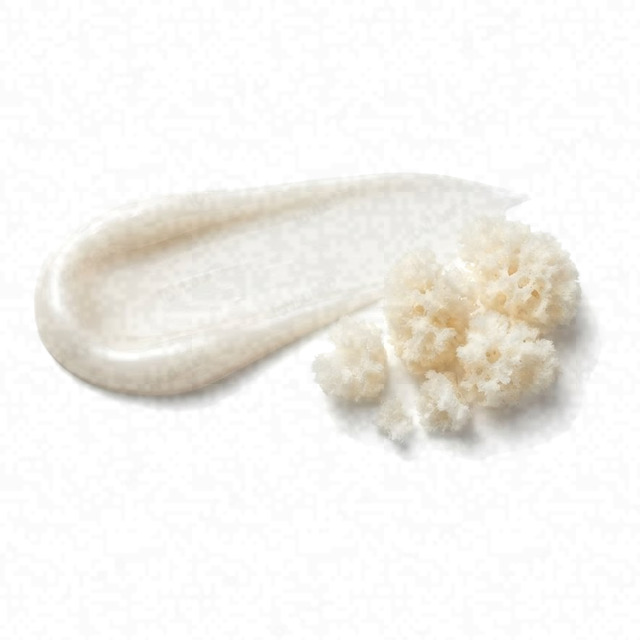 Hydrolyzed Collagen
Average
- HighCombination Skin Fit
- AverageEffectiveness
- HighSafety
Works for acne-prone skin; other moisturizers fit it better.
This fit is calculated for the concerns frequently associated with acne-prone skin: breakouts, blackheads, and post-acne marks. For scores and recommendations based on your full skin profile, including your 12D face scan results and any goals or preferences you have, please use the Lovi app.
Page built Nov 8, 2026How the Fit score works
Lovi Assistant explains
- Offers moderate benefits for your acne, blemishes, and breakouts as glycerin and aloe barbadensis leaf extract provide hydration and soothing effects suitable for combination skin. Niacinamide further aids in seboregulation, complementing the humectant action of hyaluronic acid.
- The inclusion of camellia sinensis leaf extract and scutellaria baicalensis root extract offers additional antioxidant and anti-inflammatory properties that support overall skin health.
- The product is safe for your combination skin, with no risks of irritation due to the absence of prohibited or harsh ingredients.
How to apply
- Use your moisturizer twice a day in your AM and PM routines. Apply it daily to help keep breakouts under control.
- Apply after your cleanser and toner, and make sure to use your SPF right after in the morning.
- Gently spread a small amount of moisturizer over your face using soft motions. Let it absorb into the skin for a minute before getting dressed or applying makeup.
- Apply on slightly damp skin to help lock in extra moisture. This keeps your combination skin balanced without feeling heavy.
- Avoid the eye area and do a patch test before your first use. Stop using if you feel any irritation.
Questions and answers
How well does patchology FLASHPATCH work for acne-prone skin?
Patchology FLASHPATCH works decently for acne-prone skin by offering moderate hydration and soothing effects through ingredients like glycerin and aloe leaf extract. While it poses no irritation risk and helps calm blemishes, acne-prone skin often benefits more from products that provide targeted blemish control, advanced oil-balancing agents, and specialized ingredients that thoroughly treat breakouts without causing imbalance.
Clinical Pharmacology, 2018Clinical, Cosmetic and Investigational Dermatology, 2017
Which ingredients make this treatment a good fit for acne-prone skin?
Glycerin, niacinamide, and aloe leaf extract help make this treatment a good fit for acne-prone skin by providing hydration and soothing effects. To fit acne-prone skin even better, a moisturizing treatment of this type needs highly effective ingredients that provide excellent blemish benefits and skin repair without any risk of irritation.
Clinical Pharmacology, 2018Clinical, Cosmetic and Investigational Dermatology, 2017
What does Glycerin do for acne-prone skin?
Glycerin helps keep acne-prone skin hydrated and calm without clogging pores or feeling heavy. It supports the skin barrier so it stays soft and smooth while handling everyday treatments.
The British Journal of Dermatology, 2008International Journal of Toxicology, 2019
What does Niacinamide do for acne-prone skin?
Niacinamide helps acne-prone skin by reducing both inflamed and uninflamed breakouts and calming redness. It is also very helpful for keeping oily skin balanced by cutting down on excess oil production, and it is well tolerated by most people.
Where does it go in a skincare routine for acne-prone skin?
This treatment goes in the evening routine after cleansing and before moisturizing. To best care for acne-prone skin, this type of product needs soothing ingredients like aloe and niacinamide to calm blemishes while keeping the skin hydrated.
Can I use this treatment with retinol, and in what order?
You can use this treatment with retinol, applying the treatment after cleansing and before your moisturizer in your evening routine. This helps keep acne-prone skin calm and hydrated while you use retinol, though this skin type generally needs a product that focuses more strongly on balancing oil and clearing breakouts.
How often should I use it?
This moisturizing treatment works well as an evening step in your routine, where it helps keep acne-prone skin calm and hydrated. Because it is safe for your skin, you can use it regularly as part of your nighttime routine.
Health Science Reports, 2021Journal of Cosmetic Dermatology, 2020
Can it clog pores, cause breakouts or purging for acne-prone skin?
This treatment is unlikely to clog pores or cause breakouts for your acne-prone skin because it avoids harsh ingredients, though other products fit this skin type better. Acne-prone skin needs soothing and oil-balancing ingredients like green tea extract, aloe, and niacinamide to keep pores clear and calm.
Can I use this treatment around the eyes or on my body?
You can use this moisturizing treatment around your eyes, as the skin in this area is very thin, but it is not meant for the whole body. A product of this type needs soothing plant extracts and lightweight hydrators like glycerin and hyaluronic acid to care for delicate areas safely.
Is it fragrance-free and alcohol-free?
Yes, it has no fragrance and no drying alcohol.
What the research says
A cream combining propolis, tea tree oil, and Aloe vera reduced erythema scars, acne severity index, and total lesion count better than erythromycin cream in sixty patients with mild to moderate acne vulgaris compared to placebo.
Clinical Pharmacology, 2018A single application of a moisturizing fluid containing hyaluronic acid 1%, glycerin 5%, and Centella asiatica stem cells extract significantly increased skin hydration by 29% and reduced transepidermal water loss at 24 hours compared to baseline and an untreated control site in twenty healthy women.
Clinical, Cosmetic and Investigational Dermatology, 2017A nighttime topical antioxidant containing resveratrol, baicalin, and vitamin E significantly improved fine lines, wrinkles, firmness, elasticity, laxity, hyperpigmentation, radiance, roughness, and dermal thickness in subjects with mild to moderately photodamaged skin over 12 weeks.
Journal of Drugs in Dermatology, 2014Motor baicalin encapsulated in bio-vesicles enhanced water solubility, stability, transdermal penetration, antioxidant activity, and clinical skin antiaging efficacy compared to liposome baicalin and baicalin raw material.
Journal of Cosmetic Dermatology, 2025The emollient V0034CR significantly reduced TEWL compared to vehicle and vehicle plus glycerol, and significantly increased corneometry scores compared to vehicle and vehicle plus petrolatum in healthy volunteers with dry skin, demonstrating combined barrier function improvement from petrolatum and hydration improvement from glycerol.
Journal of Cosmetic Dermatology, 2020Ten days of treatment with a cream containing 20% glycerin significantly increased skin hydration measured by corneometer values in 17 healthy volunteers compared to a placebo cream, but showed no influence on transepidermal water loss or skin sensitivity to an irritating surfactant.
International Journal of Cosmetic Science, 2001Niacinamide/glycerin body moisturizers provided better rapid and prolonged improvement of cosmetic xerosis through functional improvement of stratum corneum barrier function compared to no treatment and conventional moisturizers in female subjects.
Journal of Drugs in Dermatology, 2012Topical post-laser application of human adipocyte-derived mesenchymal stem cell media combined with niacinamide significantly improved wrinkle index, melanin index, patient satisfaction, and investigator esthetic improvement scores compared to vehicle cream in patients with aging skin.
Journal of Cosmetic Dermatology, 2021Topical nicotinamide prevented solar-simulated UV-induced immunosuppression in healthy volunteers, and men experienced immunosuppression at solar-simulated UV doses three times lower than those required for women.
The Journal of Investigative Dermatology, 2008Topical 5% niacinamide applied twice daily for 12 weeks reduced fine lines and wrinkles, hyperpigmented spots, red blotchiness, and skin sallowness, and improved skin elasticity compared to vehicle control in 50 female white subjects with facial photoaging.
Dermatologic Surgery, 2005Topical application of TAC/Collagen postbiotics gel improved skin moisture score and inflammation index, and reduced porphyrins and brown spots in 20 volunteers with acne vulgaris.
Journal of Cosmetic Dermatology, 2022Topical collagen tripeptide application improved skin wrinkles, elasticity, and density while reducing advanced glycated end products in 22 Asian women over 4 weeks.
International Journal of Molecular Sciences, 2022Marine collagen extracted from Greenland halibut skin showed a non-cytotoxic effect on fibroblast cells and provided a slight skin hydration effect when incorporated into cosmetic hydrogel formulations at dosages of 0.1, 0.25, and 0.5% in 23 healthy volunteers.
Marine Drugs, 2023
Ingredients
Water, Glycerin, Niacinamide, Mica, Hydrolyzed Collagen, Caffeine, Hyaluronic Acid, Aloe Barbadensis Leaf Extract, Camellia Sinensis Leaf Extract, Scutellaria Baicalensis Root Extract, Tocopheryl Acetate, Retinyl Palmitate, Phenoxyethanol, Ethylhexylglycerin
Behind this fit score
Lovi calculates every fit score from the full ingredient list with brand-independent rules our dermatologists and cosmetic chemists build and review, and personalizes every pick with AI trained on the real results of millions of users. Lovi trains its fit score models on a proprietary dataset built from more than 10,000 expert-labeled products and more than 100,000 simulated examples, following an internally consistent methodology presented at Cosmoprof, AMWC, and Skin of Color Update.
-

Co-founder, Medical Director
Cosmetic chemist, cosmetologist, aesthetic products developer
-

Co-founder, CEO and CTO
PhD in computer science, 3x US patent holder, ex-Google, ex-Yandex
-

Dr. Sofía Perea Pérez, MD, MSc
Medical Board
Aesthetic medicine practitioner, MSc in Longevity and Anti-Aging Medicine
-

Medical Board
Specialist dermatologist, MBBS, MD, IFAAD
-

Medical Board
Cosmetic chemist, SCS, IFSCC member
-

Medical Board, Medical Advisor
Dermatology MD
-

Elina Nazarenko, MD
Medical Board
Dermatology and diagnostic consultant
-

Victoria Derkova, MS
Medical Board
Cosmetic chemist, cosmetic development technologist


How does it fit your skin?
Scan your face, then any product: Lovi shows how well it fits you and what fits even better.