No.7 Pure Retinol 0.3% Night Concentrate for acne-prone skin

 Retinol
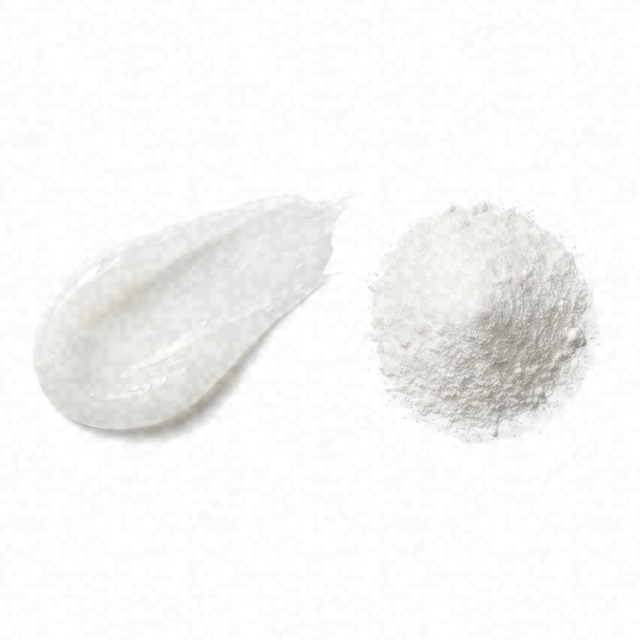 Collagen Peptide Technology
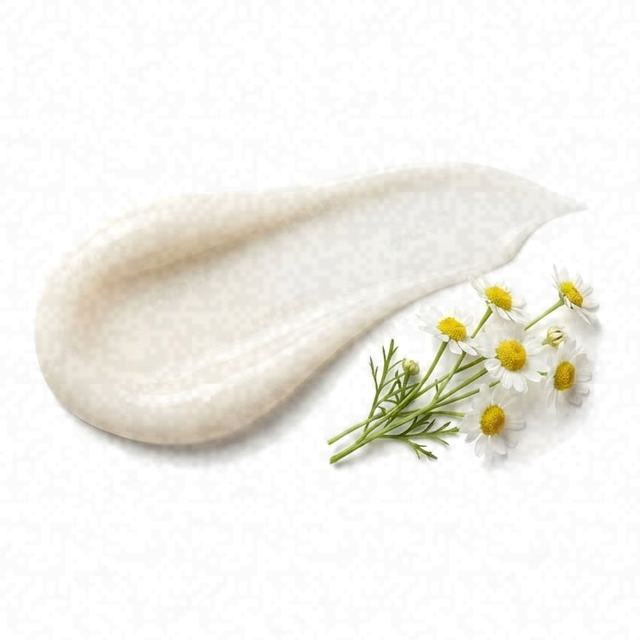 Bisabolol
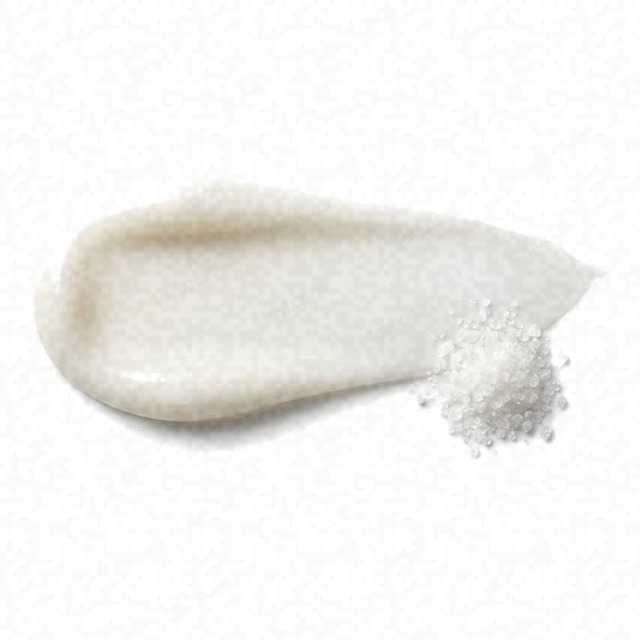 Palmitoyl Tripeptide-1
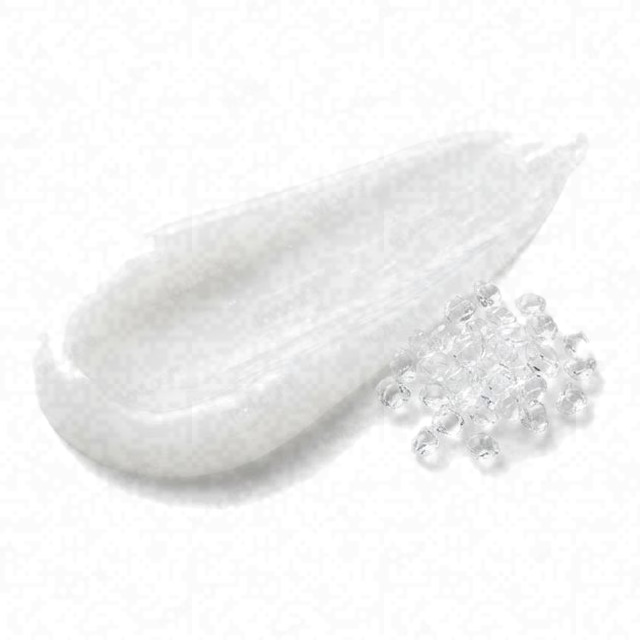 Palmitoyl Tetrapeptide-7
High
- HighCombination Skin Fit
- HighEffectiveness
- HighSafety
A great choice for acne-prone skin; a few serums fit it even better.
This fit is calculated for the concerns frequently associated with acne-prone skin: breakouts, blackheads, and post-acne marks. For scores and recommendations based on your full skin profile, including your 12D face scan results and any goals or preferences you have, please use the Lovi app.
Page built Nov 8, 2026How the Fit score works
Lovi Assistant explains
- Highly suitable for your combination skin as retinol promotes cell turnover to address acne and blemishes, while bisabolol calms inflammation and prevents irritation.
- The inclusion of peptides further supports skin texture improvement and wrinkle reduction, complementing the primary concerns.
- The safety profile is excellent, with no harsh ingredients and a formulation designed to minimize irritation for your skin type.
How to apply
- Use your serum as part of your PM routine and start 3x/week before working up to daily use.
- Apply this treatment after cleansing and toner, and before your moisturizer.
- Gently press 2-3 drops of the serum into your skin and let it absorb for a minute.
- Apply the product on clean, dry skin to help manage your breakouts safely.
- Avoid the eye area and do a patch test before your first use.
People Say
★3.9Overall rating based on 500+ reviewsUsers frequently praise this concentrate as an excellent entry-level retinol that effectively smooths skin texture and minimizes pores without the harsh irritation often associated with retinoids. While many see visible improvements in radiance and fine lines, results require patience and consistent use, with some users experiencing a temporary "purge" or dryness during the initial adjustment period.
Highlights
Gentle for beginners Mostly Mentioned
- “no redness or peeling”
- “great starter retinol”
- “very gentle formula”
- “minimal irritation”
- “good tolerance”
Improves skin texture Often Mentioned
- “skin feels softer”
- “smoother complexion”
- “pores look smaller”
- “reduced bumpiness”
- “refined skin surface”
Pleasant application Often Mentioned
- “absorbs quickly”
- “lightweight texture”
- “non-greasy”
- “fragrance-free”
- “easy to layer”
Visible anti-aging effects Sometimes Noted
- “fine lines softened”
- “wrinkles less noticeable”
- “skin looks fresher”
- “youthful glow”
- “firmer appearance”
Initial adjustment period Sometimes Noted
- “caused dry patches”
- “skin purging”
- “mild flaking”
- “stinging sensation”
- “breakouts at first”
Slow to show results Sometimes Noted
- “takes months to work”
- “no instant difference”
- “requires patience”
- “subtle changes only”
- “hard to see progress”
Packaging issues Rarely Noted
- “pump stopped working”
- “hard to get product out”
- “wasteful packaging”
- “tube feels empty”
- “dispenser broke”
Price vs. Value Rarely Noted
- “expensive for amount”
- “small bottle”
- “pricey without offer”
- “finished too quickly”
- “better value alternatives”
Sources: lovi.care, boots.com, target.com, beauty blogs, no7beauty.com, youtube.com, and more
Questions and answers
What makes No.7 Pure Retinol 0.3% Night Concentrate a great fit for acne-prone skin?
This night concentrate is a great fit because retinol helps clear blemishes by speeding up cell renewal, while bisabolol calms redness and irritation. It also features peptides that help smooth skin texture and keep your skin feeling soft.
International Journal of Cosmetic Science, 2017Journal of Cosmetic Dermatology, 2015
Which ingredients make this treatment a good fit for acne-prone skin?
Retinol makes this treatment a great fit for your acne-prone skin because it promotes cell turnover to address breakouts, while bisabolol helps calm inflammation and prevent irritation.
What does Retinol do for acne-prone skin?
Retinol helps acne-prone skin by speeding up cell turnover and clearing pores to reduce breakouts. It regulates skin growth and fights inflammation, though it may cause some mild peeling or stinging when you first start using it.
Journal of Drugs in Dermatology, 2022The Journal of Dermatological Treatment, 2017
What do Collagen Peptides do for acne-prone skin?
Collagen peptides are generally safe for acne-prone skin, though they do not directly treat active breakouts. Instead, this type of product focuses on improving skin hydration and elasticity, so acne-prone skin needs added ingredients like salicylic acid or niacinamide to help clear blemishes and control oil.
Where does this treatment go in a skincare routine for acne-prone skin?
This treatment goes in the evening routine after cleansing and before moisturizing. Putting treatments in the evening provides simplicity and extra safety around sun exposure.
Can I use this treatment with vitamin C, and in what order?
You can use this treatment alongside vitamin C by applying your vitamin C in the morning and saving this retinol for your night routine. Using them at different times of day helps you get the smoothing and clearing benefits of both ingredients while keeping your skin calm and avoiding irritation.
How often should I use this treatment?
This treatment is a great fit for your acne-prone skin and is used in the evening as part of your routine. Retinol helps clear breakouts by speeding up cell turnover, while bisabolol and peptides work to calm inflammation and smooth texture with a very low risk of irritation.
Facial Plastic Surgery, 2014Journal of Cosmetic Dermatology, 2015
Can this treatment clog pores, cause breakouts or purging for acne-prone skin?
This treatment is a great fit because retinol speeds up cell turnover to clear blemishes while bisabolol calms inflammation and prevents irritation. It has an excellent safety profile designed to minimize irritation, though an initial adjustment period is normal.
Is this treatment fragrance-free and alcohol-free?
Yes, it has no fragrance and no drying alcohol.
What the research says
Topical 0.4% retinol significantly increased epidermal thickness, dermal vascularity, and extracellular matrix production by stimulating keratinocyte proliferation, endothelial cell proliferation, and fibroblast activation in naturally aged human skin compared to vehicle.
International Journal of Cosmetic Science, 2017A multi-modal methodology combining MALDI-MSI, in vivo RCM, echography, and histology revealed age-related decreases in extracellular matrix and epidermal-dermal junction proteins and undulation depth, while a blend of palmitoyl oligopeptide and palmitoyl tetrapeptide-7 improved subepidermal low-echogenic band thickness, density, and extracellular matrix structure compared to placebo.
Journal of Cosmetic Dermatology, 2015Chronomodulated daytime application of baicalin and nighttime application of palmitoyl tripeptide-1 synergistically improved skin luminance by 16.29%, nasolabial fold depth by -36.35%, and firmness by 24.35% in 30 female participants.
Journal of Cosmetic Dermatology, 2026Palmitoyl tetrapeptide-7, acetyl hexapeptide-8, palmitoyl tripeptide-1, and palmitoyl tetrapeptide-10 significantly increased type III collagen levels in human dermal fibroblasts following UV exposure, with their combination demonstrating a greater effect in vitro and enhancing type I, III, and IV collagen levels in ex vivo skin tissues compared to individual components.
International Journal of Cosmetic Science, 2026Topical bakuchiol 0.5% applied twice daily compared with retinol 0.5% applied daily significantly decreased wrinkle surface area and hyperpigmentation with no statistical difference between the compounds in 44 patients over 12 weeks, while retinol users reported more facial skin scaling and stinging.
The British Journal of Dermatology, 2019Silicone particles encapsulating retinol increased its half-life by 9-fold and yielded 12-23% lower skin irritation in human subjects compared to Microsponge particles while maintaining biological activity.
Journal of Controlled Release, 2018Topical stabilized retinol treatment induced HAS gene expression and increased hyaluronic acid production in human skin in vitro, ex vivo, and in vivo compared to vehicle.
Archives of Dermatological Research, 2017A liquid formulation containing hydrolyzed collagen demonstrated structural stability, peptide mass distribution between 0.5 and 19.5 kDa, and faded forehead wrinkles in five volunteers while proving to be non-irritating and hypoallergenic.
Journal of Cosmetic Dermatology, 2021Exposure to collagen peptides increased the expression of COL1A1, ELN, and VCAN genes and collagen protein levels in cultured human dermal fibroblasts compared to untreated controls.
Frontiers in Medicine, 2024Salmo salar and Tilapia nilotica skin collagen peptides accelerate wound healing in a rat murine wound model by reducing proinflammatory cytokines, upregulating BD14, NOD2, IL-10, VEGF, and beta-FGF, and favorably altering wound microflora colonization compared to untreated controls.
Journal of Agricultural and Food Chemistry, 2020Application of an alpha-bisabolol-containing cream produced a significant skin-lightening effect in pigmented skin compared to a vehicle control in the majority of female subjects after 8 weeks.
International Journal of Cosmetic Science, 2010The combination of allantoin, bisabolol, D-panthenol and dipotassium glycyrrhizinate reduces UVB-induced PGE2, inflammatory cytokines, and mitochondrial superoxide in human epidermal keratinocytes.
International Journal of Cosmetic Science, 2024
Ingredients
Water, Glycerin, Butylene Glycol, Dimethicone, Caprylic Capric Triglyceride, C12-15 Alkyl Benzoate, Phenoxyethanol, Polysorbate 20, Xanthan Gum, Acrylates C10-30 Alkyl Acrylate Crosspolymer, Dimethiconol, Retinol, Bisabolol, Inulin Lauryl Carbamate, Caprylyl Glycol, Sorbitan Laurate, Potassium Hydroxide, Ethylhexylglycerin, Carbomer, Tetrasodium Edta, Behentrimonium Chloride, Sucrose Laurate, Hydroxyethylcellulose, Acetyl Dipeptide-1 Cetyl Ester, Benzoic Acid, Palmitoyl Tripeptide-1, Palmitoyl Tetrapeptide-7
Behind this fit score
Lovi calculates every fit score from the full ingredient list with brand-independent rules our dermatologists and cosmetic chemists build and review, and personalizes every pick with AI trained on the real results of millions of users. Lovi trains its fit score models on a proprietary dataset built from more than 10,000 expert-labeled products and more than 100,000 simulated examples, following an internally consistent methodology presented at Cosmoprof, AMWC, and Skin of Color Update.
-

Co-founder, Medical Director
Cosmetic chemist, cosmetologist, aesthetic products developer
-

Co-founder, CEO and CTO
PhD in computer science, 3x US patent holder, ex-Google, ex-Yandex
-

Dr. Sofía Perea Pérez, MD, MSc
Medical Board
Aesthetic medicine practitioner, MSc in Longevity and Anti-Aging Medicine
-

Medical Board
Specialist dermatologist, MBBS, MD, IFAAD
-

Medical Board
Cosmetic chemist, SCS, IFSCC member
-

Medical Board, Medical Advisor
Dermatology MD
-

Elina Nazarenko, MD
Medical Board
Dermatology and diagnostic consultant
-

Victoria Derkova, MS
Medical Board
Cosmetic chemist, cosmetic development technologist


How does it fit your skin?
Scan your face, then any product: Lovi shows how well it fits you and what fits even better.