MISSHA All Around Safe Block Soft Finish Sun Milk for combination skin

 Zinc Oxide
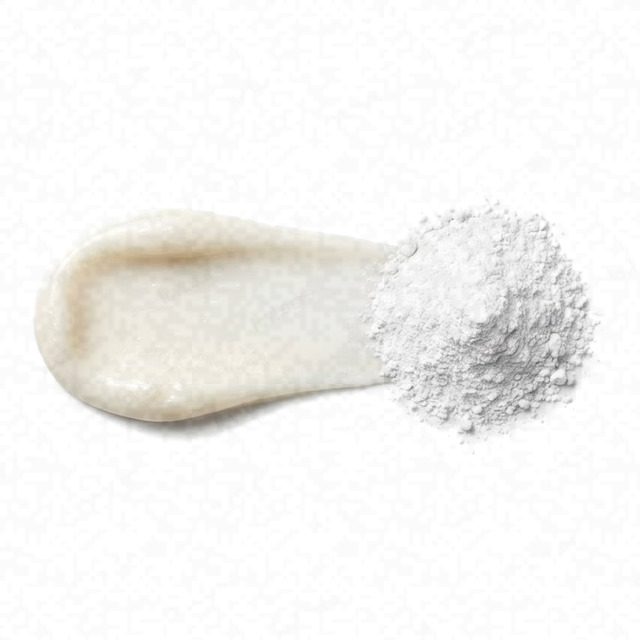 Titanium Dioxide
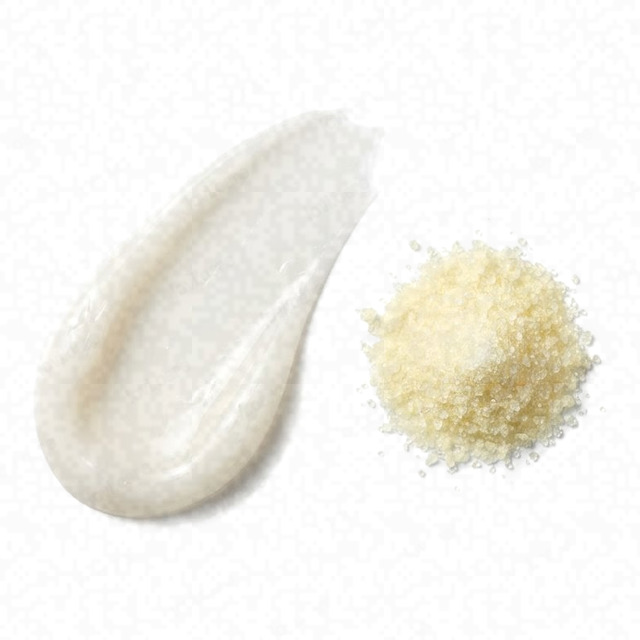 Bis-Ethylhexyloxyphenol Methoxyphenyl Triazine
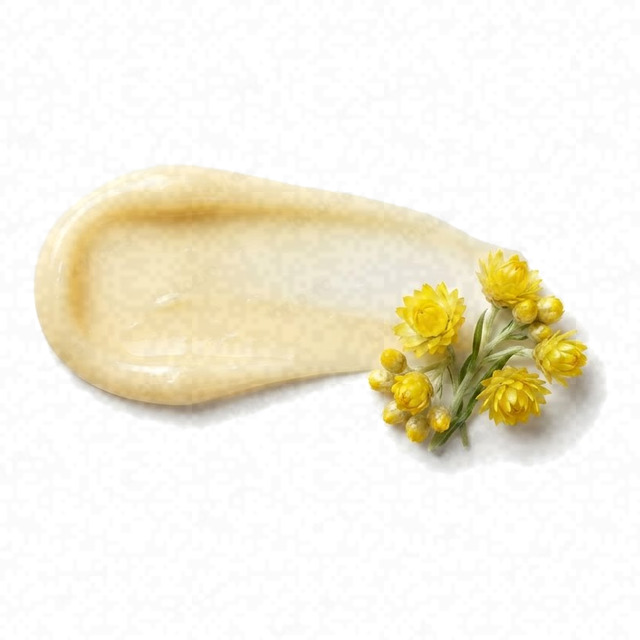 Helichrysum Italicum Extract
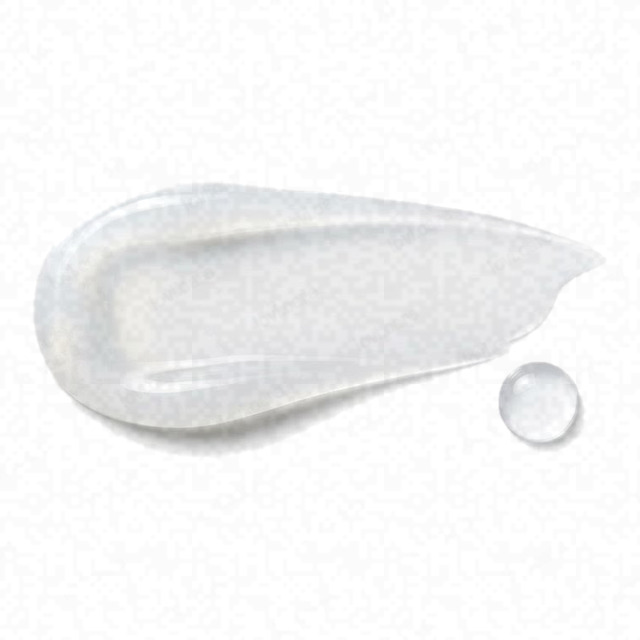 Dimethicone
High
- HighCombination Skin Fit
- HighEffectiveness
- HighSafety
A great choice for combination skin; a few sunscreens fit it even better.
This fit is calculated for the concerns frequently associated with combination skin: an oily T-zone, enlarged pores, and dry cheeks. For scores and recommendations based on your full skin profile, including your 12D face scan results and any goals or preferences you have, please use the Lovi app.
Page built Nov 8, 2026How the Fit score works
Lovi Assistant explains
- Highly suitable for your combination skin, this product effectively addresses oily shine with silica and alcohol denat, which offer excellent oil absorption and mild astringent properties. Biosaccharide Gum-4 further enhances the matte finish by providing a protective barrier against environmental aggressors.
- The inclusion of zinc oxide and ethylhexyl methoxycinnamate ensures robust UV protection, complementing the product's primary function.
- This formula is safe for your skin, as it contains no harsh or prohibited ingredients and poses no irritation risk for combination skin.
How to apply
- Apply this sunscreen during your AM routine every single day. Make sure to reapply ⏱ every two hours if you stay outside.
- Apply this sunscreen as the very last step of your morning routine after your moisturizer. Allow your moisturizer to ⏳ sink in for a minute first.
- Smooth an even layer over your face and gently pat it into the skin without harsh rubbing. Be sure to cover all exposed areas thoroughly.
- For the best finish on your combination skin, apply the sunscreen on completely dry skin over your moisturizer. This helps control any oily shine throughout the day.
- Avoid getting the product directly into your eyes. Do a small patch test before your first full application.
People Say
★4.5Overall rating based on 1.0k+ reviewsThis sunscreen is highly favored by users with oily and combination skin for its fluid texture that sets to a soft, matte finish, providing excellent oil control. Users with dry or darker skin tones, however, have noted that it can be excessively drying and may leave a visible white or pinkish cast that is difficult to blend.
Highlights
Matte finish Mostly Mentioned
- “dries down matte”
- “powdery finish”
- “controls oil all day”
- “soft satin-matte”
- “not greasy at all”
Good under makeup Often Mentioned
- “works as a primer”
- “makeup sits well”
- “no pilling under foundation”
- “smooth base”
- “prevents makeup sliding”
Lightweight texture Often Mentioned
- “very runny”
- “watery consistency”
- “absorbs quickly”
- “feels like nothing”
- “light liquid texture”
Non-sticky Often Mentioned
- “zero stickiness”
- “fresh feeling”
- “no residue”
- “silky touch”
- “hair doesn't stick”
Leaves white cast Often Mentioned
- “ghostly face”
- “visible white cast”
- “not for dark skin”
- “pale pink tint”
- “looks chalky”
Tone-up effect Sometimes Noted
- “brightens skin”
- “nice tone-up”
- “evens out skin tone”
- “makes skin look flawless”
- “subtle pink tint”
Can be drying Sometimes Noted
- “clings to dry patches”
- “too dry for winter”
- “sucked moisture out”
- “skin felt tight”
- “emphasizes flakes”
Strong fragrance Sometimes Noted
- “smells like perfume”
- “overpowering floral scent”
- “lingers too long”
- “irritated my nose”
- “strong powdery smell”
Causes breakouts Rarely Noted
- “clogged my pores”
- “caused small bumps”
- “broke me out”
- “acne flare-up”
- “comedogenic for me”
Stings eyes Rarely Noted
- “stings eyes”
- “eyes watered”
- “burns if it runs”
- “irritating near eyes”
- “had to wash off”
Sources: lovi.care, stylekorean.com, oliveyoung.com, yesstyle.com, skinsort.com, influenster.com, and more
Questions and answers
What makes Missha Soft Finish Sun Milk a great fit for combination skin?
This sunscreen is a great fit for combination skin because it controls oily shine using silica and alcohol denat, while zinc oxide and ethylhexyl methoxycinnamate provide robust UV protection. The formula is safe and poses no irritation risk for your skin type.
Archives of Dermatological Research, 2024Journal of Controlled Release, 2025
Which ingredients make this sunscreen a good fit for combination skin?
Silica and alcohol denat make this sunscreen a great fit for your combination skin by soaking up oily shine, while zinc oxide and ethylhexyl methoxycinnamate provide strong sun protection. Biosaccharide Gum-4 also helps create a smooth, matte finish that protects against everyday environmental stress.
International Journal of Nanomedicine, 2013Archives of Dermatological Research, 2024
What does Zinc Oxide do for combination skin?
Zinc oxide helps calm oily and breakout-prone areas while protecting dry spots without clogging pores. This ingredient is unlikely to cause irritation and safely manages shine and redness.
Journal of Controlled Release, 2025Dermatologic Therapy, 2018
What does Titanium Dioxide do for combination skin?
Titanium dioxide acts as a physical shield on the skin surface to block harmful UV rays without clogging pores or feeling greasy. It sits safely on the outermost layer of healthy skin and is unlikely to cause irritation on combination skin.
Skin Pharmacology and Applied Skin Physiology, 2001International Journal of Cosmetic Science, 2000
Where does this sunscreen go in a skincare routine for combination skin?
This sunscreen goes in the morning routine as the final step after your moisturizer. It protects your skin from UV rays while helping to control oily shine.
Can I use this sunscreen with retinol, and in what order?
You can use this sunscreen every morning as the final step of your routine after applying your moisturizer and retinol, though retinol is generally best saved for your evening routine. This formula is unlikely to irritate your skin and provides strong UV protection to shield your face during the day.
How often should I use this sunscreen?
Apply this sunscreen every morning as the final step in your daytime skincare routine. It provides robust UV protection and helps control oily shine throughout the day.
Can this sunscreen clog pores, cause breakouts or purging for combination skin?
This sunscreen is unlikely to cause breakouts on combination skin, as it contains no harsh ingredients and poses a low risk of pimples. Studies show that similar UV filters do not negatively affect the skin bacteria linked to acne.
Archives of Dermatological Research, 2024Journal of Controlled Release, 2025
Is this sunscreen fragrance-free and alcohol-free?
It has no fragrance and contains drying alcohol (alcohol denat).
What the research says
Liposomal encapsulation of octyl methoxycinnamate increases its safety, skin affinity, and in vivo solar photoprotection factor while slowing its release and enhancing retention in the stratum corneum compared to a conventional formulation.
International Journal of Nanomedicine, 2013The application of a sunscreen formulation containing ethylhexyl methoxycinnamate, ethylhexyl salicylate, methyl anthranilate, and octocrylene does not significantly affect critical acne-related species such as Cutibacterium acnes and Staphylococcus epidermidis, refuting the induction of facial dysbiosis in men.
Archives of Dermatological Research, 2024Para-hydroxycinnamic acid alone or combined with niacinamide significantly mitigates ultraviolet-induced erythema, barrier disruption, and surface inflammatory biomarkers in female panelists compared to placebo and octinoxate.
International Journal of Cosmetic Science, 2025Biomimetic hyaluronic acid-stabilized zinc oxide nanoparticles selectively inhibited C. acnes, outperformed erythromycin in preclinical acne models, and safely reduced acne lesions and redness in a clinical trial.
Journal of Controlled Release, 2025Topical 0.5% hyaluronic-ZnO nanogel applied twice daily reduced inflammatory-lesion counts by 58% at week four in human subjects compared to baseline without causing erythema.
Biomedicines, 2025Nels cream achieved a similar reduction in inflammatory and noninflammatory lesion counts compared to 5% benzoyl peroxide in acne vulgaris patients, but caused significantly fewer side-effects such as peeling and dryness.
Clinical and Experimental Dermatology, 2000Topically applied coated and uncoated zinc oxide nanoparticles under flexing and massage are retained in the stratum corneum with no significant penetration into the viable epidermis and no cellular toxicity in human skin.
Nanomedicine, 2016Microfine titanium dioxide does not penetrate human skin when formulated in an oil-in-water emulsion with the pigment dispersed in the aqueous phase, compared to oily dispersions and liposomal encapsulation which allow deeper skin penetration.
International Journal of Cosmetic Science, 2000Replacing microsized titanium dioxide and zinc oxide with nanoparticles in sunscreens eliminates opaqueness and alters UV protection balance while inducing (photo)cyto- and genotoxicity and penetrating viable skin layers during long-term exposures.
Nanotechnology, Science and Applications, 2011Microfine zinc oxide and titanium dioxide do not penetrate the stratum corneum of porcine skin in vitro, indicating that their use in sunscreens does not pose a health risk from internal exposure.
Toxicology in Vitro, 2006Maximal topical applications of 6% bemotrizinol in a model sunscreen formulation did not result in meaningful systemic exposure in humans.
Regulatory Toxicology and Pharmacology, 2023Application of creams and emulgels containing immortelle extract and hemp oil increased skin hydration and reduced TEWL in 25 healthy volunteers compared to placebo samples and a non-treated control, with emulgels demonstrating enhanced herbal active delivery and better sensory properties than creams.
Pharmaceutics, 2021Polypropylene non-woven fabric impregnated with H. italicum extract using ethanol as a cosolvent demonstrated significantly greater potential for skin protection compared to other investigated samples on artificially irritated human skin without causing irritation or redness.
Journal of Ethnopharmacology, 2023A night cream containing melatonin, carnosine, and Helichrysum italicum extract reduced oxidative stress ex vivo and improved hydration, reduced transepidermal water loss, decreased wrinkles and spots, and lowered skin reactivity in 117 individuals over up to 12 weeks of nightly use.
Dermatology and Therapy, 2020Wearing an N95 mask alone compared to using dimethicone cream or hydrocolloid dressing caused more adverse skin reactions among 73 military health care workers, with no significant differences in fit test failure rates between groups.
Military Medicine, 2024A dimethicone skin protectant lotion significantly decreased visual scoring and transepidermal water loss compared to vehicle control and SLS-only treated sites in 12 healthy humans exposed to sodium lauryl sulfate.
Skin Research and Technology, 2000Treatment with a moisturizer containing dimethicone and glycerine increased epidermal thickness by 0.019 mm, improved barrier function by decreasing transepidermal water loss by 13%, decreased melanin intensity, and induced keratins 6 and 16 in fifteen women with moderately photoaged forearms.
Clinical and Experimental Dermatology, 2007
Ingredients
Water, Cyclopentasiloxane, Silica, Zinc Oxide, Dipropylene Glycol, Butylene Glycol, Lauryl Peg-10 Tris Trimethylsiloxy Silylethyl Dimethicone, Ethylhexyl Salicylate, Caprylyl Methicone, Ethylhexyl Methoxycinnamate, Isopropyl Palmitate, Titanium Dioxide Ci 77891, Alcohol Denat, C12-15 Alkyl Benzoate, Helichrysum Italicum Extract, Bis-Ethylhexyloxyphenol Methoxyphenyl Triazine, Magnesium Sulfate, Dimethicone Vinyl Dimethicone Crosspolymer, Dimethicone, Diethylamino Hydroxybenzoyl Hexyl Benzoate, Quaternium-18 Bentonite, Aluminum Hydroxide, Stearic Acid, Hydrogen Dimethicone, Glycerin, Phenoxyethanol, Silica Dimethyl Silylate, Sodium Benzoate, Disodium Edta, Tocopheryl Acetate, Potassium Sorbate, Caprylyl Glycol, Polyhydroxystearic Acid, Isostearic Acid, Lecithin, Ethylhexyl Palmitate, Polyglyceryl-3 Polyricinoleate, Ci 77492, Limonia Acidissima Extract, Ci 77491, Vp Hexadecene Copolymer, Acrylates Dimethicone Copolymer, Biosaccharide Gum-4, Rosa Davurica Bud Extract, Cinchona Succirubra Bark Extract, Aloe Barbadensis Leaf Extract, Abronia Villosa Leaf Extract, Psidium Guajava Leaf Extract, Rhodiola Rosea Root Extract
Behind this fit score
Lovi calculates every fit score from the full ingredient list with brand-independent rules our dermatologists and cosmetic chemists build and review, and personalizes every pick with AI trained on the real results of millions of users. Lovi trains its fit score models on a proprietary dataset built from more than 10,000 expert-labeled products and more than 100,000 simulated examples, following an internally consistent methodology presented at Cosmoprof, AMWC, and Skin of Color Update.
-

Co-founder, Medical Director
Cosmetic chemist, cosmetologist, aesthetic products developer
-

Co-founder, CEO and CTO
PhD in computer science, 3x US patent holder, ex-Google, ex-Yandex
-

Dr. Sofía Perea Pérez, MD, MSc
Medical Board
Aesthetic medicine practitioner, MSc in Longevity and Anti-Aging Medicine
-

Medical Board
Specialist dermatologist, MBBS, MD, IFAAD
-

Medical Board
Cosmetic chemist, SCS, IFSCC member
-

Medical Board, Medical Advisor
Dermatology MD
-

Elina Nazarenko, MD
Medical Board
Dermatology and diagnostic consultant
-

Victoria Derkova, MS
Medical Board
Cosmetic chemist, cosmetic development technologist


How does it fit your skin?
Scan your face, then any product: Lovi shows how well it fits you and what fits even better.