DIME Restorative Night Cream for acne-prone skin

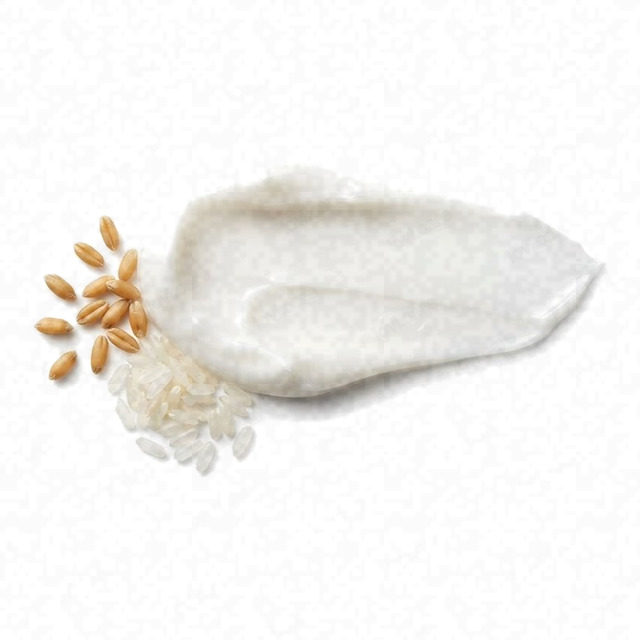 Ceramide Np
 Squalane
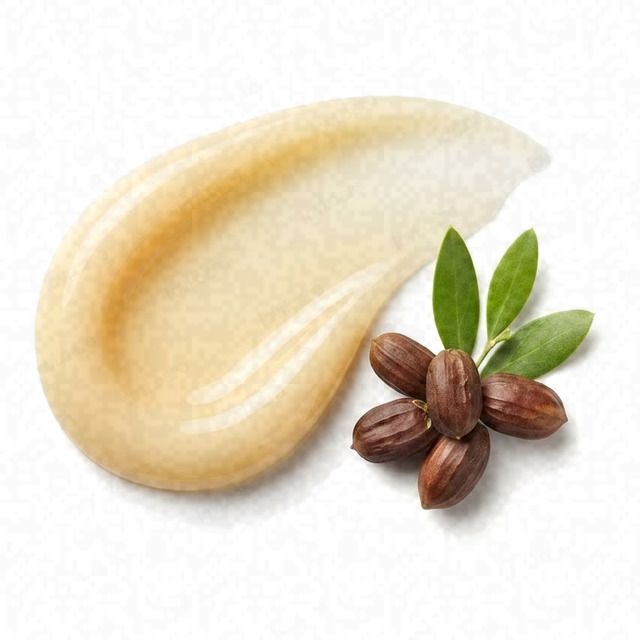 Jojoba Seed Oil
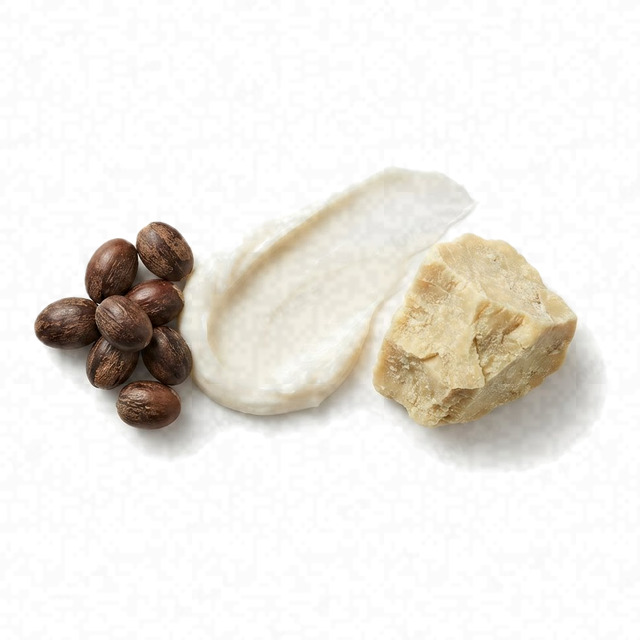 Shea Butter
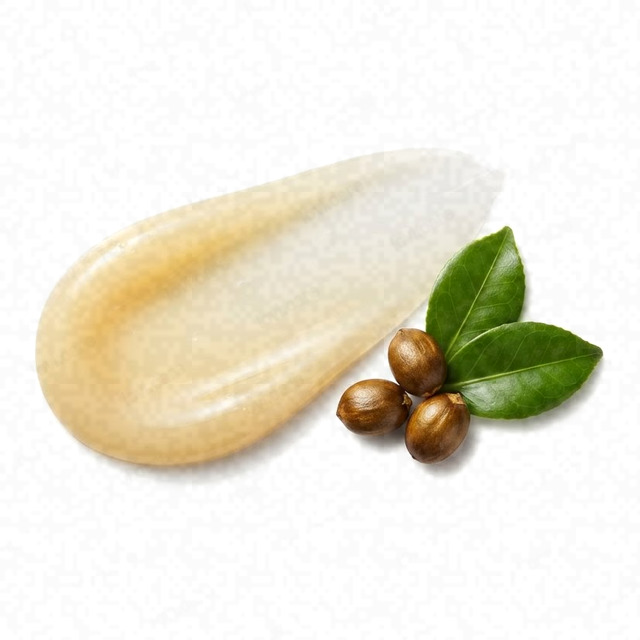 Camellia Oleifera Seed Oil
Average
- AverageCombination Skin Fit
- AverageEffectiveness
- ExcellentSafety
Works for acne-prone skin; other moisturizers fit it better.
This fit is calculated for the concerns frequently associated with acne-prone skin: breakouts, blackheads, and post-acne marks. For scores and recommendations based on your full skin profile, including your 12D face scan results and any goals or preferences you have, please use the Lovi app.
Page built Nov 8, 2026How the Fit score works
Lovi Assistant explains
- Offers moderate suitability for your combination skin, as Glycerin and Sodium Hyaluronate provide essential hydration, but it lacks sufficient ingredients for optimal oil control on your oily areas.
- The formula provides general skincare benefits like hydration and soothing from Glycerin and Aloe Barbadensis Leaf Juice, which are supportive for acne-prone skin, but it does not contain targeted ingredients for active acne treatment.
- The safety profile is good, with no risks of irritation for your combination skin due to the absence of harsh ingredients and the presence of soothing components.
How to apply
- Use your moisturizer twice a day in your AM and PM routines. Apply it daily to help keep breakouts under control.
- Apply after your cleanser and toner, and make sure to use your SPF right after in the morning.
- Gently spread a small amount of moisturizer over your face using soft motions. Let it absorb into the skin for a minute before getting dressed or applying makeup.
- Apply on slightly damp skin to help lock in extra moisture. This keeps your combination skin balanced without feeling heavy.
- Avoid the eye area and do a patch test before your first use. Stop using if you feel any irritation.
People Say
★4.9Overall rating based on 2.6k+ reviewsBased on a very large amount of data, users consistently praise this cream for its rich, hydrating formula that effectively softens skin and reduces the appearance of fine lines without feeling greasy. While it is widely celebrated for its clean ingredient list and suitability for sensitive skin, some users with extremely dry skin find it requires layering, and others note the packaging is smaller than expected. This should definitely be taken into account.
Highlights
Deep hydration Mostly Mentioned
- “leaves skin soft”
- “non-greasy feel”
- “eliminates dry patches”
Excellent absorption Often Mentioned
- “sinks in quickly”
- “lightweight feel”
- “no residue”
Skin texture improvement Often Mentioned
- “smooths fine lines”
- “plumps skin”
- “evens skin tone”
Clean ingredients Sometimes Noted
- “vegan formula”
- “no irritation”
- “safe for sensitive skin”
Pleasant texture Sometimes Noted
- “thick consistency”
- “luxurious feel”
- “spreads easily”
Small packaging Sometimes Noted
- “deceiving jar size”
- “less product than expected”
- “expensive for size”
Insufficient moisture Rarely Noted
- “not hydrating enough”
- “skin feels tight”
- “needs extra serum”
Skin reactions Rarely Noted
- “caused breakouts”
- “redness”
- “allergic rash”
Texture issues Rarely Noted
- “feels too heavy”
- “pills under makeup”
- “waxy residue”
Unpleasant scent Rarely Noted
- “chemical smell”
- “smells like plastic”
- “no scent preferred”
Sources: lovi.care, ulta.com, dimebeautyco.com, shopsavvy.com, reddit.com, wimj.com, and more
Questions and answers
How well does DIME Restorative Night Cream work for acne-prone skin?
DIME Restorative Night Cream works moderately well for acne-prone skin, providing basic hydration and soothing benefits, though it lacks targeted ingredients for active breakouts. A moisturizer for this skin needs ingredients that actively target blemishes, keep oil in check, and support skin repair without causing irritation.
Clinical, Cosmetic and Investigational Dermatology, 2017Clinical Pharmacology, 2018
Which ingredients make this cream a good fit for acne-prone skin?
Glycerin and Aloe Barbadensis Leaf Juice help this cream fit acne-prone skin by providing soothing hydration, though it is only an average fit because it lacks targeted ingredients for active acne treatment. A product of this type needs targeted ingredients for blemishes, effective components for oil control, and soothing extracts to truly suit acne-prone skin.
Clinical, Cosmetic and Investigational Dermatology, 2017Clinical Pharmacology, 2018
What do Ceramides do for acne-prone skin?
Ceramides help acne-prone skin by restoring a weak water barrier, which is often damaged and low in these protective lipids in people with acne. Using them helps reduce dryness, redness, and irritation caused by acne treatments while keeping the skin calm and smooth.
Journal of Drugs in Dermatology, 2023Archives of Dermatological Research, 1995
What does Squalane do for acne-prone skin?
Squalane may help keep acne-prone skin soft and smooth, but peroxidated forms can trigger inflammation in skin cells. For a better fit on acne-prone skin, products need non-clogging, soothing ingredients that balance oil without causing irritation.
Where does this cream go in a skincare routine for acne-prone skin?
This cream goes toward the end of your morning routine after a hydrating toner and before your SPF, and as the last step in your evening routine. It provides basic hydration and soothing benefits that are helpful for acne-prone skin, but an acne-prone skin type needs a moisturizer with targeted ingredients for oil control and active acne treatment.
Can I use this cream with retinol, and in what order?
You can use this cream with retinol, applying it after your retinol treatment to help keep your skin calm and moisturized. This type of routine is unlikely to cause irritation when using strong ingredients, though acne-prone skin also needs targeted oil-control ingredients to work best.
How often should I use this cream?
You can use this cream daily as part of your morning and evening routine to keep your skin hydrated and calm. Regular moisturizing helps support your skin barrier, though acne-prone skin also needs targeted ingredients for oil control and active acne treatment.
Journal of Cosmetic Dermatology, 2020Health Science Reports, 2021
Can this cream clog pores, cause breakouts or purging for acne-prone skin?
This cream is unlikely to clog pores or cause breakouts on acne-prone skin, as it avoids harsh ingredients and includes soothing components like aloe and glycerin. However, it works for this skin only on an average level because it lacks targeted ingredients for active acne treatment and oil control. A better-suited product for this skin type needs oil-controlling ingredients to manage oily areas and active blemish treatments.
Clinical, Cosmetic and Investigational Dermatology, 2017Clinical Pharmacology, 2018
Can I use this cream around the eyes or on my body?
You can use this cream around your eyes and on your body, as its gentle, hydrating formula is generally safe for thinner and thicker skin areas alike. However, because skin thickness varies significantly across the body, a richer product containing targeted barrier-repairing and smoothing ingredients may work better for treating specific concerns in those areas.
Is this cream fragrance-free and alcohol-free?
Yes, it has no fragrance and no drying alcohol. Cetearyl alcohol and behenyl alcohol are fatty alcohols, which soften the skin.
What the research says
A single application of a moisturizing fluid containing hyaluronic acid 1%, glycerin 5%, and Centella asiatica stem cells extract significantly increased skin hydration by 29% and reduced transepidermal water loss at 24 hours compared to baseline and an untreated control site in twenty healthy women.
Clinical, Cosmetic and Investigational Dermatology, 2017A cream combining propolis, tea tree oil, and Aloe vera reduced erythema scars, acne severity index, and total lesion count better than erythromycin cream in sixty patients with mild to moderate acne vulgaris compared to placebo.
Clinical Pharmacology, 2018Clay jojoba oil facial masks reduced total skin lesions by a mean of 54% after 6 weeks in 133 participants with acne-prone, lesioned skin and mild acne compared to baseline.
Forschende Komplementarmedizin, 2012Squalane at 0.005-0.015% counteracts UVA-induced oxidative stress, inflammation, and collagen metabolism inhibition while stimulating fibroblast migration in human dermal fibroblasts.
Molecules, 2025Plant-derived squalane protected human dermal fibroblasts against UVA-induced damage by counteracting ROS formation, suppressing apoptosis-related proteins p53, caspase-3, caspase-9, and PARP, and restoring the pro-survival p-Akt/mTOR pathway.
Antioxidants, 2025Topical application of jojoba wax reduced LPS-induced secretion of IL-6, IL-8, and TNFα by approximately 30% and increased the synthesis of pro-collagen III and hyaluronic acid compared to untreated skin in an ex-vivo human skin organ culture model.
Frontiers in Pharmacology, 2024Topical jojoba oil application in male mice decreased exercise-induced pro-inflammatory gene expression (Il-1b and Il-6 in soleus, Il-1b in gastrocnemius) compared to untreated exercised mice.
Biomolecules, 2025Nanolipidgel formulations with argan or jojoba oil and humectants demonstrate good sensory attributes, instrumental properties, and moisturizing efficacy for cosmetic application.
International Journal of Cosmetic Science, 2014A combination cream of stimu-tex AS and saccharide isomerate reduced erythema, increased skin capacitance, and reduced transepidermal water loss compared to placebo in 20 subjects after fractional CO2 laser procedure without causing serious adverse events.
Lasers in Medical Science, 2025A skin barrier restoring cream with shea butter, silkflo, and vitamin E increased type I procollagen synthesis, enhanced antioxidant enzyme activity, decreased reactive oxygen species generation, and promoted hyaluronic acid production in H2O2-stimulated human keratinocyte cells compared to untreated cells.
International Journal of Cosmetic Science, 2025Liquid crystalline emulsions formulated with camellia seed oil and four different surfactant combinations reduced transepidermal water loss and increased skin hydration without causing skin irritation, with the formulation containing Lecinol S-10 and Tween 80 demonstrating the best clinical results.
Scientific Reports, 2023
Why other moisturizers fit acne-prone skin better
Co-delivery of paeonol and madecassoside via nanoemulsions improved transdermal delivery, promoted barrier repair proteins, inhibited inflammatory cytokine secretion in cellular and 3D models, and reduced transepidermal water loss and acne in human facial skin compared to free components.
Molecules, 2023A panthenol-enriched mask improved skin hydration, regulated sebum, and reduced redness and TEWL across dry sensitive, oily sensitive, and oily acne skin subgroups with excellent tolerance and no adverse reactions.
Journal of Cosmetic Dermatology, 2024A facial serum containing snail secretion filtrate, Calendula officinalis, and Glycyrrhiza glabra root extract significantly reduced inflammatory acne lesions compared to placebo in 66 participants with mild-to-moderate maskne over 12 weeks.
Journal of Cosmetic Dermatology, 2022
Ingredients
Water, Glycerin, Cetearyl Alcohol, Ethylhexyl Olivate, Isononyl Isononanoate, Glyceryl Stearate, Pentylene Glycol, 1,2 Hexanediol, Behenyl Alcohol, Jojoba Seed Oil, Squalane, Sodium Stearoyl Lactylate, Hydroxyacetophenone, Caprylic Capric Triglyceride, Butyrospermum Parkii Butter Shea Butter, Carbomer, Xanthan Gum, Camellia Oleifera Seed Oil, Olea Europaea Fruit Olive Fruit, Stearyl Glycyrrhetinate, Tetrasodium Glutamate Diacetate, Linoleic Acid, Phytosterols, Ceramide Np, Hydroxypropyl Cyclodextrin, Sodium Hyaluronate, Glycolipids, Soybean Phytosterols, Aloe Barbadensis Leaf Juice, Hippophae Rhamnoides Oil Fruit, Palmitoyl Tripeptide-38
Behind this fit score
Lovi calculates every fit score from the full ingredient list with brand-independent rules our dermatologists and cosmetic chemists build and review, and personalizes every pick with AI trained on the real results of millions of users. Lovi trains its fit score models on a proprietary dataset built from more than 10,000 expert-labeled products and more than 100,000 simulated examples, following an internally consistent methodology presented at Cosmoprof, AMWC, and Skin of Color Update.
-

Co-founder, Medical Director
Cosmetic chemist, cosmetologist, aesthetic products developer
-

Co-founder, CEO and CTO
PhD in computer science, 3x US patent holder, ex-Google, ex-Yandex
-

Dr. Sofía Perea Pérez, MD, MSc
Medical Board
Aesthetic medicine practitioner, MSc in Longevity and Anti-Aging Medicine
-

Medical Board
Specialist dermatologist, MBBS, MD, IFAAD
-

Medical Board
Cosmetic chemist, SCS, IFSCC member
-

Medical Board, Medical Advisor
Dermatology MD
-

Elina Nazarenko, MD
Medical Board
Dermatology and diagnostic consultant
-

Victoria Derkova, MS
Medical Board
Cosmetic chemist, cosmetic development technologist


How does it fit your skin?
Scan your face, then any product: Lovi shows how well it fits you and what fits even better.