
ZO Skin Health Exfoliation Accelerator for dry sensitive skin

 Glycolic Acid
 Lactic Acid
 Retinyl Palmitate Vitamin A
 Squalane
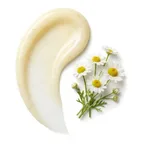 Chamomilla Recutita Flower Extract Matricaria Flower Extract
Average
- AverageDry Skin Fit
- AverageEffectiveness
- HighSafety
Works for dry sensitive skin; other products fit it better.
This fit is calculated for the concerns frequently associated with dry sensitive skin: flakiness, tightness, redness, fine lines, and wrinkles. For scores and recommendations based on your full skin profile, including your 12D face scan results and any goals or preferences you have, please use the Lovi app.
Updated How the Fit score works
Lovi Assistant explains
- Offers moderate exfoliation for your dry and sensitive skin due to glycolic and lactic acids, while glycerin and squalane provide supportive hydration. The inclusion of Aloe Barbadensis Leaf Juice and Chamomilla Recutita Flower Extract further soothes and moisturizes, aligning with your dry or flaky skin concerns.
- This formula provides general skincare benefits that support dry or flaky skin and sensitivity, though it lacks sufficient emollient and occlusive ingredients to fully address dryness.
- The product is safe for your dry and sensitive skin as it contains no harsh ingredients and includes soothing components like Aloe Barbadensis Leaf Juice and Chamomilla Recutita Flower Extract.
How to apply
- Use your exfoliant PM once a week to help with dryness. Start ⏳3 times a week only if your sensitive skin tolerates it well.
- Apply the exfoliant after cleansing and toning, but always before your favorite moisturizer .
- Gently press 2-3 drops of the exfoliant into your skin and avoid any rubbing. Let it absorb ⏱ for a minute before layering.
- Since your skin is reactive and sensitive, apply the exfoliant on completely dry skin for better tolerance.
- Always do a patch test before your first use and avoid the delicate eye area .
People Say
★4.5Overall rating based on 300+ reviewsUsers report this product is a potent exfoliant that smooths texture and clears acne-prone skin, delivering a radiant glow and treating conditions like Keratosis Pilaris. Many users note an adjustment period with peeling and redness before results appear.
Highlights
Improves skin texture Mostly Mentioned
- “Smoother skin”
- “soft and refined”
- “glass-like finish”
Brightening & radiance Often Mentioned
- “Glowing complexion”
- “brighter skin”
- “revitalized look”
Clears acne & congestion Often Mentioned
- “Unclogs pores”
- “vanishes zits”
- “cleared my KP”
High price Often Mentioned
- “Expensive”
- “hefty price tag”
- “overpriced”
Fast-acting results Sometimes Noted
- “Difference in 1-2 days”
- “works overnight”
- “immediate softness”
Initial irritation Sometimes Noted
- “Stinging/burning”
- “redness”
- “destroyed skin barrier”
Peeling/purging phase Sometimes Noted
- “Skin peeling”
- “worse before better”
- “flaking”
Packaging issues Rarely Noted
- “Pump stops working”
- “hard to dispense”
- “airlock in pump”
Sources: lovi.care, zoskinhealth.com, dermstreet.com, facedr.com, reddit.com, skincareessentials.com, and more
Questions and answers
How well does ZO Exfoliation Accelerator work for dry sensitive skin?
ZO Skin Health Exfoliation Accelerator works moderately well for dry sensitive skin by offering gentle exfoliation and soothing hydration, though a product of this type needs richer rich moisturizing creams and protective oils to fully lock in moisture and comfort dry skin.
Which ingredients make this exfoliant a good fit for dry sensitive skin?
Glycolic and lactic acids offer moderate exfoliation, while glycerin and squalane provide supportive hydration that helps your dry and sensitive skin. Aloe leaf juice and chamomile flower extract further calm the skin. To fully care for dry and sensitive skin, this type of product needs richer softening and sealing ingredients to lock in moisture.
What does Glycolic Acid do for dry sensitive skin?
Glycolic acid is a poor fit for dry sensitive skin because it can easily cause redness and stinging. A product for this skin type needs gentle calming ingredients and barrier-supporting hydrators to keep the surface comfortable and smooth.
What does Lactic Acid do for dry sensitive skin?
Lactic acid helps dry sensitive skin by building up ceramides to lock in moisture and smooth out dry patches, though sensitive skin may feel some stinging. When using this ingredient, a product of this type needs soothing ingredients like a ceramide complex to calm irritation and protect the skin barrier.
Archives of Dermatological Research, 1996Archives of Dermatological Research, 2018
Where does this exfoliant go in a skincare routine for dry sensitive skin?
This exfoliant goes in the evening routine once a week to help your dry and sensitive skin adjust safely. If your skin handles it well, you may carefully use it more often. This type of skin needs rich hydrators and soothing, moisture-locking ingredients to stay calm and comfortable.
Can I use this exfoliant with retinol, and in what order?
It is best to use this exfoliant and retinol on alternate nights rather than together to help prevent skin irritation. Applying both at the same time may be too harsh and dry out your skin.
How often should I use this exfoliant?
Start using this exfoliant just once a week in the evening, and if your skin feels fine and tolerates it well, you may carefully use it more often. This product of this type needs rich softening and sealing ingredients to fully comfort dry skin.
Journal of Cosmetic Dermatology, 2021Journal of Cosmetic Dermatology, 2024
Can this exfoliant clog pores, cause breakouts or purging for dry sensitive skin?
This exfoliant may cause an initial peeling or purging phase for your dry and sensitive skin. It helps sweep away dead skin cells with glycolic and lactic acids, but a product of this type needs richer oils, butters, and heavier sealing ingredients to fully lock in moisture and comfort dry skin.
Is this exfoliant fragrance-free and alcohol-free?
Yes, it has no fragrance and no drying alcohol. Cetyl alcohol is a fatty alcohol, which soften the skin.
What the research says
A single application of a moisturizing fluid containing hyaluronic acid 1%, glycerin 5%, and Centella asiatica stem cells extract significantly increased skin hydration by 29% and reduced transepidermal water loss at 24 hours compared to baseline and an untreated control site in twenty healthy women.
Clinical, Cosmetic and Investigational Dermatology, 2017Liposomal apigenin-enriched chamomile flower extract topical formulations showed slightly higher in vivo antiinflammatory efficacy compared to non-liposomal formulations in patients.
Phytotherapy Research, 2011Serial glycolic acid peels combined with a modified Kligman formula significantly reduced facial PIH severity in Indian patients compared to the modified Kligman formula alone.
Dermatologic Surgery, 2017Short contact therapy with a tretinoin, clindamycin, and glycolic acid gel significantly improved skin tolerability and reduced acne severity scores compared to standard application therapy in patients with mild-to-moderate acne.
Dermatologic Therapy, 2021Application of a cream containing lactic acid 12% and pramoxine HCl 1% significantly improved skin dryness, hydration, and itch compared with a nontreated control in 24 women with a history of dry itchy skin.
Cutis, 2004A lactic acid/ceramide lotion significantly improved skin moisturization and desquamation compared to no treatment in women with dry, rough skin on the anterior shins.
The Journal of Clinical and Aesthetic Dermatology, 2020Treatment with 12% lactic acid increased epidermal and dermal firmness and thickness and improved skin smoothness and wrinkles compared to baseline, whereas 5% lactic acid induced clinical and epidermal changes without dermal changes.
Journal of the American Academy of Dermatology, 1996Topical bakuchiol 0.5% applied twice daily compared with retinol 0.5% applied daily significantly decreased wrinkle surface area and hyperpigmentation with no statistical difference between the compounds in 44 patients over 12 weeks, while retinol users reported more facial skin scaling and stinging.
The British Journal of Dermatology, 2019Topical 0.3% and 1% retinol comparably improved biomarkers of cutaneous photoageing in photoaged volunteers, while 0.3% retinol demonstrated better tolerance with fewer and milder adverse events compared to 1% retinol in a daily escalation regimen.
International Journal of Cosmetic Science, 2022Daily application of 0.3% and 0.5% retinol serums in 37 volunteers over 12 weeks reduced skin hyperpigmentation, unevenness, and wrinkles on both sides of the face, with the 0.5% concentration causing more frequent and intense skin irritation.
Skin Pharmacology and Physiology, 2020Application of fullerene-C60 dissolved in squalane cream twice daily for 8 weeks significantly enhanced skin moisture and reduced wrinkle formation compared to placebo in 23 Japanese women without severe side effects.
Journal of Nanoscience and Nanotechnology, 2010Squalane at 0.005-0.015% counteracts UVA-induced oxidative stress, inflammation, and collagen metabolism inhibition while stimulating fibroblast migration in human dermal fibroblasts.
Molecules, 2025Plant-derived squalane protected human dermal fibroblasts against UVA-induced damage by counteracting ROS formation, suppressing apoptosis-related proteins p53, caspase-3, caspase-9, and PARP, and restoring the pro-survival p-Akt/mTOR pathway.
Antioxidants, 2025
Why other products fit dry sensitive skin better
Treatment with 14% ferulic acid and 12% l-ascorbic acid significantly reduced pigmentation and erythema while improving hydration and elasticity in 20 women with photoaged skin, with neither acid proving definitively more effective overall though ascorbic acid showed slightly greater skin lightening.
Dermatologic Therapy, 2022In 50 participants with sensitive skin, a Ceramide NP C15-containing emollient improved skin barrier function with a significant reduction in transepidermal water loss and induced modest changes in skin microbiota compared to the vehicle.
Skin Pharmacology and Physiology, 2026
Ingredients
Disodium Edta, Glycolic Acid, Cetyl Alcohol, Squalane, Steapyrium Chloride, Ethylhexylglycerin, Chamomilla Recutita Flower Extract Matricaria Flower Extract, Carthamus Tinctorius Seed Oil, Water, Caprylic Capric Triglyceride, Glycerin, Propylene Glycol, Propylene Glycol Stearate, Retinyl Palmitate Vitamin A, Camellia Sinensis Leaf Extract, Dimethicone, Ammonium Hydroxide, Tocopheryl Acetate Vitamin E, Allantoin, Lactic Acid, Phenoxyethanol, Aloe Barbadensis Leaf Juice
Behind this fit score
Lovi calculates every fit score from the full ingredient list with brand-independent rules our dermatologists and cosmetic chemists build and review, and personalizes every pick with AI trained on the real results of millions of users. Lovi trains its fit score models on a proprietary dataset built from more than 10,000 expert-labeled products and more than 100,000 simulated examples, following an internally consistent methodology presented at Cosmoprof, AMWC, and Skin of Color Update.
-

Co-founder, Medical Director
Cosmetic chemist, cosmetologist, aesthetic products developer
-

Co-founder, CEO and CTO
PhD in computer science, 3x US patent holder, ex-Google, ex-Yandex
-

Dr. Sofía Perea Pérez, MD, MSc
Medical Board
Aesthetic medicine practitioner, MSc in Longevity and Anti-Aging Medicine
-

Medical Board
Specialist dermatologist, MBBS, MD, IFAAD
-

Medical Board
Cosmetic chemist, SCS, IFSCC member
-

Medical Board, Medical Advisor
Dermatology MD
-

Elina Nazarenko, MD
Medical Board
Dermatology and diagnostic consultant
-

Victoria Derkova, MS
Medical Board
Cosmetic chemist, cosmetic development technologist


How does it fit your skin?
Scan your face, then any product: Lovi shows how well it fits you and what fits even better.