
TULA Secret Solution Pro-Glycolic 10% Resurfacing Toner for sensitive skin

 Glycolic Acid
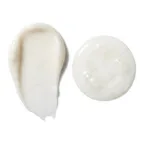 Lactococcus Lysate Ferment
 Sodium Hyaluronate
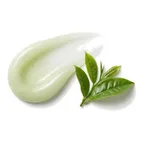 Camellia Sinensis Leaf Extract
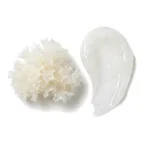 Tremella Fuciformis Sporocarp Extract
Superior
- HighNormal Skin Fit
- HighEffectiveness
- HighSafety
One of the best toners for sensitive skin.
This fit is calculated for the concerns frequently associated with sensitive skin: redness, stinging, and reactions to new products. For scores and recommendations based on your full skin profile, including your 12D face scan results and any goals or preferences you have, please use the Lovi app.
Updated How the Fit score works
Lovi Assistant explains
- Offers excellent exfoliation for your normal skin, as glycolic and lactic acids work to smooth texture and regulate desquamation, while sodium hyaluronate provides humectant action.
- The formulation is highly suitable for addressing redness and irritation by promoting skin resurfacing.
- The safety profile is excellent, with no risks of irritation for your sensitive skin due to the absence of prohibited or harsh ingredients.
How to apply
- Use your exfoliating toner as part of a PM routine once a week to start. Carefully increase frequency only if your skin tolerates it well.
- Apply this exfoliating toner after cleansing and before your moisturizer. It fits right into your usual step for toners.
- Gently press 2-3 drops of the exfoliating toner into your skin. Avoid rubbing to keep redness down.
- Apply the exfoliating toner on completely dry skin to help improve your skin's tolerance. This helps protect your sensitive face.
- Do a patch test before your first use and avoid the delicate eye area . Skip strong acids or retinoids on the same night.
People Say
★4.6Overall rating based on 500+ reviewsThis alcohol-free, gel-textured toner is highly praised for its gentle exfoliation, making it suitable for sensitive skin. It effectively hydrates, smooths, and brightens the complexion, leading to a noticeable glow and improved skin texture. Some users also report benefits for acne and pore congestion. However, a moderate number of users have experienced issues with the pump mechanism and find the product to be on the pricier side. A low number of reviews mention mild stinging on active breakouts or dislike the scent.
Highlights
Gentle exfoliation Mostly Mentioned
- “No sting”
- “gentle enough for sensitive skin”
- “non-irritating”
Hydrating and non-drying Often Mentioned
- “Non-drying”
- “hydrating”
- “leaves skin plump”
Improved skin texture Often Mentioned
- “Smoother skin”
- “softens texture”
- “polished feel”
Acne and pore control Sometimes Noted
- “Keeps acne at bay”
- “clears pores”
- “reduces breakouts”
Brightening and glow Sometimes Noted
- “Radiant glow”
- “brighter skin”
- “evens skin tone”
High price Sometimes Noted
- “Expensive”
- “pricier toner”
- “pricey for the amount”
Pump issues Sometimes Noted
- “Pump broken”
- “pump mechanism needing to be unscrewed”
- “oozes out”
Stinging on breakouts Rarely Noted
- “Sting slightly on active breakouts”
- “tingling”
- “burns on open spots”
Unpleasant scent Rarely Noted
- “Scented”
- “strong smell”
- “wish it was fragrance-free”
Sources: lovi.care, tula.com, ulta.com, kohls.com, spacenk.com, newbeauty.com, and more
Questions and answers
What makes TULA Pro-Glycolic 10% Resurfacing Toner one of the best fits for sensitive skin?
This toner is one of the best fits because it uses glycolic and lactic acids to smooth texture, while sodium hyaluronate keeps skin hydrated. Its very safe formula is unlikely to cause irritation on sensitive skin and helps calm redness.
Which ingredients make this toner a good fit for sensitive skin?
Glycolic acid and lactic acid smooth texture and regulate shedding, while sodium hyaluronate and other extracts provide gentle hydration without harsh irritants. This safe formula helps keep sensitive skin calm and smooth.
What does Glycolic Acid do for sensitive skin?
Glycolic acid often causes irritation and barrier redness on sensitive skin, so this skin type needs very low concentrations and calming ingredients to prevent discomfort.
Dermatologic Surgery, 2004Journal of Cosmetic Dermatology, 2010
What does Lactococcus Ferment Lysate do for sensitive skin?
Lactococcus Ferment Lysate helps calm sensitive skin by strengthening the skin barrier and keeping it moisturized. It may also decrease redness and protect against irritation while supporting overall skin health.
Scientific Reports, 2023Journal of Cosmetic Dermatology, 2023
Where does this toner go in a skincare routine for sensitive skin?
Apply this exfoliating toner once a week in the evening after cleansing, and carefully increase the frequency only if your skin handles it well. This routine helps smooth texture and keep sensitive skin calm without irritation.
Can I use this toner with retinol, and in what order?
You can use this toner in your routine, but apply it on a different night than your retinol to keep your sensitive skin calm and smooth. Using two strong treatments at the same time is more likely to cause dryness and irritation.
How often should I use this toner?
Start using this exfoliating toner once a week to see how your sensitive skin reacts, and carefully increase the frequency only if you tolerate it well and see good results. The gentle formulation is very unlikely to cause irritation when introduced gradually.
Journal of Cosmetic Dermatology, 2021Journal of Cosmetic Dermatology, 2024
Can this toner clog pores, cause breakouts or purging for sensitive skin?
This toner is unlikely to clog pores or cause breakouts for sensitive skin because it is formulated without harsh or heavy ingredients that block pores. Glycolic acid helps sweep away dead skin cells to keep pores clear, though you may experience mild tingling if you apply it directly over active breakouts.
Is this toner fragrance-free and alcohol-free?
Yes, it has no fragrance and no drying alcohol.
What the research says
Hyaluronic acid-based formulations exhibit remarkable anti-wrinkle, anti-aging, and skin rejuvenating effects via soft tissue augmentation, improved skin hydration, and face volume restoration.
International Journal of Biological Macromolecules, 2018Topical application of Bifida Ferment Lysate strengthens the skin barrier function by upregulating barrier and antimicrobial peptide genes, exhibiting strong antioxidant properties, and decreasing inflammatory cytokine secretion in vitro.
Journal of Cosmetic Dermatology, 2023Pre-treatment with Tremella fuciformis polysaccharide reduced oxidative stress and cell apoptosis in hydrogen peroxide-treated human skin fibroblasts via the upregulation of SIRT1 expression.
Molecular Medicine Reports, 2017Serial glycolic acid peels combined with a modified Kligman formula significantly reduced facial PIH severity in Indian patients compared to the modified Kligman formula alone.
Dermatologic Surgery, 2017Short contact therapy with a tretinoin, clindamycin, and glycolic acid gel significantly improved skin tolerability and reduced acne severity scores compared to standard application therapy in patients with mild-to-moderate acne.
Dermatologic Therapy, 2021Topical application of 0.1% hyaluronic acid formulations of different molecular weights led to significant improvements in skin hydration and elasticity, with low-molecular-weight formulations also significantly reducing wrinkle depth in seventy-six female subjects compared to a vehicle control.
Journal of Drugs in Dermatology, 2011Topical hyaluronic acid serum used twice daily by 40 females with facial photoaging produced an immediate 134% increase in skin hydration, a sustained 55% increase at week 6, and significant improvements in smoothness, plumping, fine lines, wrinkles, and global appearance without causing irritation.
Dermatology and Therapy, 2021A topical antioxidant serum significantly reduced air pollution-induced skin pigmentation and proinflammatory gene expression ex vivo, and improved skin aging signs in 40 healthy adult females after 90 days of daily use.
Journal of Cosmetic Dermatology, 2022Topically formulated tea polyphenols show some benefit in reducing sebum secretion and treating acne vulgaris compared to baseline or control.
Antioxidants, 2016Topical application of tannase-converted green tea extract (TGE) significantly improved skin wrinkle indices and self-assessed wrinkle reduction compared to normal green tea extract (NGE) in human subjects over 8 weeks.
Journal of Cosmetic Dermatology, 2013An anti-acne hydrogel containing Aloe barbadensis, Garcinia mangostana, and Camellia sinensis extracts showed superior antiacne and antiblotch activities compared to 1% clindamycin gel in sixty subjects with mild-moderate acne.
Clinical, Cosmetic and Investigational Dermatology, 2019Snow mushroom alcohol-based hand rub gel significantly improved skin moisture better than the placebo through 180 minutes while maintaining comparable antiseptic efficacy in 20 human volunteers.
Journal of Cosmetic Dermatology, 2021Tremella fuciformis polysaccharides effectively alleviate UVA-induced photodamage in human dermal fibroblasts by reducing ROS and MDA, increasing antioxidant enzyme activities, up-regulating Nrf2 while down-regulating Keap1 expression, and increasing collagen I, elastin, and hyaluronic acid content.
Journal of Cosmetic Dermatology, 2021Tremella fuciformis polysaccharides protect primary human skin keratinocytes and chronic UV-irradiated mouse skin against UV-induced apoptosis, reactive oxygen species production, and cellular damage by regulating thioredoxin interacting protein and thioredoxin reductase 2.
Photochemical & Photobiological Sciences, 2023
Ingredients
Water, Glycolic Acid, Butylene Glycol, Lactococcus Lysate Ferment, Sodium Hydroxide, Lactic Acid, Sodium Hyaluronate, Agar, Glycerin, Tremella Fuciformis Sporocarp Extract, Camellia Sinensis Leaf Extract, Blueberry Fruit Extract, Curcuma Longa Root Extract, Cichorium Intybus Root Extract, Yogurt Extract, Chondrus Crispus, Betaine, Glucose, Linum Usitatissimum Seed Oil, Xanthan Gum, Potassium Sorbate, Disodium Edta, Sodium Chloride, Sodium Benzoate, Polysorbate 20, Tetrasodium Edta, Ethylhexylglycerin, Phenoxyethanol
Behind this fit score
Lovi calculates every fit score from the full ingredient list with brand-independent rules our dermatologists and cosmetic chemists build and review, and personalizes every pick with AI trained on the real results of millions of users. Lovi trains its fit score models on a proprietary dataset built from more than 10,000 expert-labeled products and more than 100,000 simulated examples, following an internally consistent methodology presented at Cosmoprof, AMWC, and Skin of Color Update.
-

Co-founder, Medical Director
Cosmetic chemist, cosmetologist, aesthetic products developer
-

Co-founder, CEO and CTO
PhD in computer science, 3x US patent holder, ex-Google, ex-Yandex
-

Dr. Sofía Perea Pérez, MD, MSc
Medical Board
Aesthetic medicine practitioner, MSc in Longevity and Anti-Aging Medicine
-

Medical Board
Specialist dermatologist, MBBS, MD, IFAAD
-

Medical Board
Cosmetic chemist, SCS, IFSCC member
-

Medical Board, Medical Advisor
Dermatology MD
-

Elina Nazarenko, MD
Medical Board
Dermatology and diagnostic consultant
-

Victoria Derkova, MS
Medical Board
Cosmetic chemist, cosmetic development technologist


How does it fit your skin?
Scan your face, then any product: Lovi shows how well it fits you and what fits even better.