
The Ordinary Retinol 0.5% in Squalane

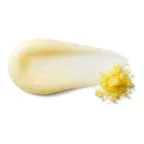 Retinol
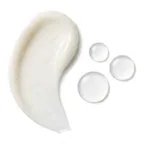 Squalane
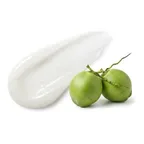 Caprylic Capric Triglyceride
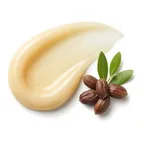 Jojoba Seed Oil
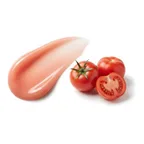 Solanum Lycopersicum Fruit Extract Tomato Fruit Extract
Retinol, squalane, and jojoba seed oil renew the skin, lock in moisture, and soften dry areas, so it suits most skin types. For skin that needs hydration, serums with hyaluronic acid and glycerin get higher fit scores. Where to buy in Europe: Lookfantastic, €9.45.
Each fit is calculated for the concerns frequently associated with that skin type. For scores and recommendations based on your full skin profile, including your 12D face scan results and goals, use the Lovi app.
Updated How the Fit score works
Where it fits best and least
Best fit Average
Oily Skin, Combination Skin, Sensitive Skin, Acne-Prone Skin, Skin with Dark Spots, Mature Skin, Oily Acne-Prone Skin
Works for oily skin; other serums fit it better.
- Offers moderate anti-aging benefits for your oily skin due to the presence of retinol, which helps regulate desquamation and sebum production, while squalane provides light hydration without exacerbating oiliness.
Lowest fit Caution
A poor match for dry skin.
- Offers moderate benefits for dry or flaky skin due to the presence of Squalane and Jojoba Seed Oil, which provide hydration, but the retinol may pose risks of worsening dryness for your dry skin.
Other skin types
Buy online

Prices checked 22 Nov 2026
The Lovi Fit is the same in every country; only the stores and prices differ, and the ones here are for Europe.
How to apply
- Apply this serum PM, starting 3×/week and working up to daily use as your skin adjusts.
- Place the serum after cleansing and toner, but right before your moisturizer.
- Gently press 2-3 drops of the serum into your skin and let it absorb for a minute.
- Apply the serum on slightly damp skin to help lock in extra moisture.
- Avoid the eye area and do a patch test before your first use.
People Say
★4.3Overall rating based on 1.1k+ reviewsBased on a very large amount of data, users generally praise this serum as an affordable and effective entry-level retinol that improves skin texture and reduces fine lines, though the oily squalane base is a polarizing feature. While many with dry or mature skin appreciate the added hydration, those with oily or acne-prone skin frequently report that it feels heavy, greasy, and can cause congestion or purging.
Highlights
Improves skin texture Mostly Mentioned
- “smooths roughness”
- “softens skin”
- “glowing complexion”
Unbeatable price Mostly Mentioned
- “great value”
- “affordable”
- “budget-friendly”
Hydrating formula Often Mentioned
- “non-drying”
- “moisturizing oil”
- “prevents flaking”
Reduces aging signs Often Mentioned
- “fades fine lines”
- “plumps wrinkles”
- “firmer skin”
Greasy residue Often Mentioned
- “sits on skin”
- “doesn't absorb”
- “oily film”
Gentle effectiveness Sometimes Noted
- “low irritation”
- “good for beginners”
- “minimal redness”
Causes breakouts Sometimes Noted
- “purging phase”
- “cystic acne”
- “clogged pores”
Short shelf life Sometimes Noted
- “expires quickly”
- “requires refrigeration”
- “3-month limit”
Messy packaging Rarely Noted
- “leaky dropper”
- “stains pillowcases”
- “greasy bottle”
Unpleasant scent Rarely Noted
- “cooking oil smell”
- “earthy odor”
- “stale scent”
Sources: lovi.care, sephora.com, ulta.com, beautybay.com, cultbeauty.com, spacenk.com, and more
Questions and answers
How well does The Ordinary Retinol 0.5% in Squalane work for oily skin?
This product works moderately well for oily skin, helping smooth the skin and keep oil in check while providing light hydration. It is safe for oily skin, but treatments that rate higher for this skin type need ingredients like niacinamide, zinc PCA, and ferulic acid to manage excess oil and enlarged pores, along with light hydrators and soothing extracts for comfortable daily use.
Why is The Ordinary Retinol 0.5% in Squalane a weak match for dry sensitive skin?
This product is a weak match because it lacks enough ingredients to hold moisture for dry or flaky skin, and the retinol may cause extra dryness and stinging. A product of this type needs safe, highly hydrating and nourishing ingredients that provide excellent moisture and barrier support without any risk of irritation.
Why does Lovi advise caution with The Ordinary Retinol 0.5% in Squalane for dry skin?
Is this serum fragrance-free and alcohol-free?
Yes, it has no fragrance and no drying alcohol.
How well does The Ordinary Retinol 0.5% in Squalane work for combination skin?
This treatment works for your combination skin, though other products fit it better because its moisturizing oils do not directly help with oily shine. A treatment of this type needs ingredients like niacinamide and zinc to manage shine and balance your skin.
How well does The Ordinary Retinol 0.5% in Squalane work for sensitive skin?
This treatment works for sensitive skin, though other products fit it better because its exfoliating strength may cause redness and irritation while lacking enough hydrating ingredients. A treatment of this type needs soothing components and extra moisture to care for sensitive skin.
The British Journal of Dermatology, 2019Journal of Cosmetic Dermatology, 2016
How well does The Ordinary Retinol 0.5% in Squalane work for acne-prone skin?
The Ordinary Retinol 0.5% in Squalane works moderately well for acne-prone skin, as retinol helps clear breakouts while squalane balances oily and dry areas. It has a safe and gentle formula, though acne-prone skin often responds better to treatments containing niacinamide, zinc, propolis, or antioxidants to properly control oil and calm blemishes.
How well does The Ordinary Retinol 0.5% in Squalane work for skin with dark spots?
This treatment works moderately well for your dark spots by offering general antioxidant support and smoothing benefits, though it does not target pigmentation directly. To fit this skin better, a product needs potent ingredients that safely fade dark spots while keeping normal skin nourished and clear of irritation.
How well does The Ordinary Retinol 0.5% in Squalane work for mature skin?
This product offers moderate anti-aging benefits for mature skin as retinol supports skin renewal and squalane softens dry areas, though it may not deliver optimal results in all areas. To work best for this skin, a treatment needs to be exceptionally safe with no risk of irritation, effectively target wrinkles and fine lines with high-quality ingredients, and contain potent antioxidants, hydrating components, and skin-repairing ingredients for optimal results.
How well does The Ordinary Retinol 0.5% in Squalane work for oily acne-prone skin?
The Ordinary Retinol 0.5% in Squalane works moderately well for oily acne-prone skin, offering visible anti-aging effects and oil balance without feeling heavy, though it lacks targeted ingredients for breakouts. To fit this skin type better, a treatment needs effective ingredients like niacinamide, propolis, or vitamin C to clear blemishes and control excess oil while keeping the skin calm.
What the research says
Topical bakuchiol 0.5% applied twice daily compared with retinol 0.5% applied daily significantly decreased wrinkle surface area and hyperpigmentation with no statistical difference between the compounds in 44 patients over 12 weeks, while retinol users reported more facial skin scaling and stinging.
The British Journal of Dermatology, 2019Topical 0.3% and 1% retinol comparably improved biomarkers of cutaneous photoageing in photoaged volunteers, while 0.3% retinol demonstrated better tolerance with fewer and milder adverse events compared to 1% retinol in a daily escalation regimen.
International Journal of Cosmetic Science, 2022Daily application of 0.3% and 0.5% retinol serums in 37 volunteers over 12 weeks reduced skin hyperpigmentation, unevenness, and wrinkles on both sides of the face, with the 0.5% concentration causing more frequent and intense skin irritation.
Skin Pharmacology and Physiology, 2020Application of fullerene-C60 dissolved in squalane cream twice daily for 8 weeks significantly enhanced skin moisture and reduced wrinkle formation compared to placebo in 23 Japanese women without severe side effects.
Journal of Nanoscience and Nanotechnology, 2010Squalane at 0.005-0.015% counteracts UVA-induced oxidative stress, inflammation, and collagen metabolism inhibition while stimulating fibroblast migration in human dermal fibroblasts.
Molecules, 2025Plant-derived squalane protected human dermal fibroblasts against UVA-induced damage by counteracting ROS formation, suppressing apoptosis-related proteins p53, caspase-3, caspase-9, and PARP, and restoring the pro-survival p-Akt/mTOR pathway.
Antioxidants, 2025Topical application of an emollient emulsion containing 15.0% caprylic/capric triglyceride doubled the amount of urocanic acid isomers and increased skin hydration with reduced transepidermal water loss in healthy subjects, though it did not prevent ultraviolet-induced urocanic acid isomerization.
Life, 2023Topical formulations containing 3.75% glycerol and 1.25% hydrolyzed jojoba esters produced significantly lower evaporative TEWL values compared to glycerol alone at 8 and 24 hours posttreatment in human subjects.
Journal of Cosmetic Dermatology, 2008Topical application of 1.0% Lactobacillus ferment from jojoba cake significantly increased skin collagen fluorescence compared to baseline and placebo cream over 56 days in 46 individuals.
International Journal of Cosmetic Science, 2026Clay jojoba oil facial masks reduced total skin lesions by a mean of 54% after 6 weeks in 133 participants with acne-prone, lesioned skin and mild acne compared to baseline.
Forschende Komplementarmedizin, 2012Topical application of retinol and retinoic acid both increased epidermal thickness and upregulated collagen genes and proteins in human skin, with retinol producing similar histological and molecular changes to retinoic acid alongside a significant reduction in facial wrinkles after 12 weeks.
Journal of Cosmetic Dermatology, 2016Topical application of 0.1% retinol induced CRABP2 and HBEGF gene expression, increased keratinocyte proliferation and epidermal thickness ex vivo, and improved major skin aging signs without significant adverse reactions in 48 volunteers compared to placebo.
Skin Pharmacology and Physiology, 2009Topical lycopene-based emulgel significantly enhanced skin hydration and elasticity while reducing erythema, melanin, and sebum contents in human volunteers compared to a placebo formulation over 12 weeks.
European Journal of Pharmaceutics and Biopharmaceutics, 2022Cosmetic formulations containing lycopene and melatonin showed significant differences in skin sebum content, hydration, elasticity, erythema index, and melanin index compared to control in 36 healthy women.
Skin Pharmacology and Physiology, 2020Topical application of jojoba wax reduced LPS-induced secretion of IL-6, IL-8, and TNFα by approximately 30% and increased the synthesis of pro-collagen III and hyaluronic acid compared to untreated skin in an ex-vivo human skin organ culture model.
Frontiers in Pharmacology, 2024Topical application of jojoba, almond, paraffin, and petrolatum oils on human skin increases free water and transforms water toward a weakly hydrogen-bonded state in the uppermost stratum corneum.
International Journal of Cosmetic Science, 2020Decylglucoside-based microemulsions increased lycopene cutaneous delivery by 3.3- to 8-fold and ascorbic acid delivery by 1.5- to 3-fold into porcine ear skin compared to a drug solution, and increased tissue antioxidant activity by 10.2-fold when combining both antioxidants.
International Journal of Pharmaceutics, 2012Topical application of a vitamin C-squalene bioconjugate significantly increased epidermal thickness, type III collagen production, and glycosaminoglycans production in human skin explants compared to free vitamin C and vitamin C-palmitate.
Scientific Reports, 2020
Ingredients
Squalane, Caprylic Capric Triglyceride, Jojoba Seed Oil, Retinol, Solanum Lycopersicum Fruit Extract Tomato Fruit Extract, Rosmarinus Officinalis Leaf Extract Rosemary Leaf Extract, Hydroxymethoxyphenyl Decanone, Bht
Behind these fit scores
Lovi calculates every fit score from the full ingredient list with brand-independent rules our dermatologists and cosmetic chemists build and review, and personalizes every pick with AI trained on the real results of millions of users. Lovi trains its fit score models on a proprietary dataset built from more than 10,000 expert-labeled products and more than 100,000 simulated examples, following an internally consistent methodology presented at Cosmoprof, AMWC, and Skin of Color Update.
-

Co-founder, Medical Director
Cosmetic chemist, cosmetologist, aesthetic products developer
-

Co-founder, CEO and CTO
PhD in computer science, 3x US patent holder, ex-Google, ex-Yandex
-

Dr. Sofía Perea Pérez, MD, MSc
Medical Board
Aesthetic medicine practitioner, MSc in Longevity and Anti-Aging Medicine
-

Medical Board
Specialist dermatologist, MBBS, MD, IFAAD
-

Medical Board
Cosmetic chemist, SCS, IFSCC member
-

Medical Board, Medical Advisor
Dermatology MD
-

Elina Nazarenko, MD
Medical Board
Dermatology and diagnostic consultant
-

Victoria Derkova, MS
Medical Board
Cosmetic chemist, cosmetic development technologist


How does it fit your skin?
Scan your face, then any product: Lovi shows how well it fits you and what fits even better.