
The Ordinary Retinol 0.5% in Squalane for combination skin

 Retinol
 Squalane
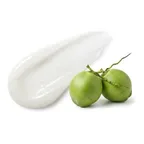 Caprylic Capric Triglyceride
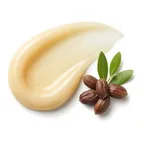 Jojoba Seed Oil
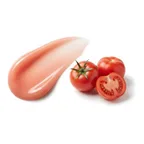 Solanum Lycopersicum Fruit Extract Tomato Fruit Extract
Average
- HighCombination Skin Fit
- AverageEffectiveness
- HighSafety
Works for combination skin; other serums fit it better.
This fit is calculated for the concerns frequently associated with combination skin: an oily T-zone, enlarged pores, and dry cheeks. For scores and recommendations based on your full skin profile, including your 12D face scan results and any goals or preferences you have, please use the Lovi app.
Updated How the Fit score works
Lovi Assistant explains
- Offers high suitability for your combination skin due to retinol regulating desquamation and squalane providing emollient action, though its hydration benefits from squalane and jojoba seed oil are not directly relevant to your oily shine concern.
- The presence of retinol at a 0.5% concentration provides a moderate anti-aging effect by minimizing fine lines and wrinkles.
- The product is safe for your combination skin, with no risks of irritation due to the absence of prohibited or harsh ingredients.
Buy online

Prices checked 20 Nov 2026
The Lovi Fit is the same in every country; only the stores and prices differ, and the ones here are for Europe.
How to apply
- Use your serum as part of your PM routine. Start using it 3 times a week and move to daily use if your skin likes it.
- Apply the serum after cleansing and toner, and right before your moisturizer.
- Gently press 2-3 drops of the serum into your skin and wait a minute ⏳for it to soak in.
- Apply the serum on clean and dry skin since your skin is not sensitive.
- Always do a patch test before using the serum for the first time, and avoid the eye area .
People Say
★4.3Overall rating based on 1.1k+ reviewsBased on a very large amount of data, users generally praise this serum as an affordable and effective entry-level retinol that improves skin texture and reduces fine lines, though the oily squalane base is a polarizing feature. While many with dry or mature skin appreciate the added hydration, those with oily or acne-prone skin frequently report that it feels heavy, greasy, and can cause congestion or purging.
Highlights
Improves skin texture Mostly Mentioned
- “smooths roughness”
- “softens skin”
- “glowing complexion”
Unbeatable price Mostly Mentioned
- “great value”
- “affordable”
- “budget-friendly”
Hydrating formula Often Mentioned
- “non-drying”
- “moisturizing oil”
- “prevents flaking”
Reduces aging signs Often Mentioned
- “fades fine lines”
- “plumps wrinkles”
- “firmer skin”
Greasy residue Often Mentioned
- “sits on skin”
- “doesn't absorb”
- “oily film”
Gentle effectiveness Sometimes Noted
- “low irritation”
- “good for beginners”
- “minimal redness”
Causes breakouts Sometimes Noted
- “purging phase”
- “cystic acne”
- “clogged pores”
Short shelf life Sometimes Noted
- “expires quickly”
- “requires refrigeration”
- “3-month limit”
Messy packaging Rarely Noted
- “leaky dropper”
- “stains pillowcases”
- “greasy bottle”
Unpleasant scent Rarely Noted
- “cooking oil smell”
- “earthy odor”
- “stale scent”
Sources: lovi.care, sephora.com, ulta.com, beautybay.com, cultbeauty.com, spacenk.com, and more
Questions and answers
How well does The Ordinary Retinol 0.5% in Squalane work for combination skin?
This treatment works for your combination skin, though other products fit it better because its moisturizing oils do not directly help with oily shine. A treatment of this type needs ingredients like niacinamide and zinc to manage shine and balance your skin.
Which ingredients make this serum a good fit for combination skin?
Retinol makes this serum a good fit for combination skin by smoothing fine lines, while squalane softens the skin. A treatment for combination skin works best when it also includes ingredients like niacinamide or zinc PCA to help control oily shine without causing dryness.
What does Retinol do for combination skin?
Retinol helps combination skin by smoothing out rough patches, softening fine lines, and keeping the skin looking firm and even. It may cause mild dryness or flaking at first, but with regular use it supports a balanced and healthy skin barrier.
International Journal of Molecular Sciences, 2026Frontiers in Microbiology, 2025
What does Squalane do for combination skin?
Squalane keeps combination skin feeling soft and smooth by locking in moisture without feeling heavy or greasy. It helps protect the skin from daily damage while supporting a balanced, calm feel across both dry and oily areas.
Advances in Food and Nutrition Research, 2012Biochimica Et Biophysica Acta, 2002
Where does this serum go in a skincare routine for combination skin?
This treatment goes in the evening routine after cleansing and before moisturizing. A product of this type works well for combination skin when it includes ingredients that balance oil and smooth texture.
Can I use this serum with vitamin C, and in what order?
This treatment works for your combination skin, though other products fit it better because its oils do not directly help with oily shine. Use your vitamin C and this retinol apart: in different sessions of the same day or on different days. Combination skin needs lighter hydrators and ingredients that balance oil instead of heavy oils.
How often should I use this serum?
Apply this treatment in your evening routine. Combination skin needs products that balance oil and provide lightweight hydration without heavy oils or butters.
The British Journal of Dermatology, 2019Journal of Cosmetic Dermatology, 2016
Can this serum clog pores, cause breakouts or purging for combination skin?
This product may cause breakouts for combination skin, as reviewers moderately complain about this issue. A product of this type needs non-greasy hydrators and light balancing ingredients to care for combination skin without triggering clogs.
Is this serum fragrance-free and alcohol-free?
Yes, it has no fragrance and no drying alcohol.
What the research says
Topical application of jojoba wax reduced LPS-induced secretion of IL-6, IL-8, and TNFα by approximately 30% and increased the synthesis of pro-collagen III and hyaluronic acid compared to untreated skin in an ex-vivo human skin organ culture model.
Frontiers in Pharmacology, 2024Topical bakuchiol 0.5% applied twice daily compared with retinol 0.5% applied daily significantly decreased wrinkle surface area and hyperpigmentation with no statistical difference between the compounds in 44 patients over 12 weeks, while retinol users reported more facial skin scaling and stinging.
The British Journal of Dermatology, 2019Topical application of retinol and retinoic acid both increased epidermal thickness and upregulated collagen genes and proteins in human skin, with retinol producing similar histological and molecular changes to retinoic acid alongside a significant reduction in facial wrinkles after 12 weeks.
Journal of Cosmetic Dermatology, 2016Topical 0.3% and 1% retinol comparably improved biomarkers of cutaneous photoageing in photoaged volunteers, while 0.3% retinol demonstrated better tolerance with fewer and milder adverse events compared to 1% retinol in a daily escalation regimen.
International Journal of Cosmetic Science, 2022Daily application of 0.3% and 0.5% retinol serums in 37 volunteers over 12 weeks reduced skin hyperpigmentation, unevenness, and wrinkles on both sides of the face, with the 0.5% concentration causing more frequent and intense skin irritation.
Skin Pharmacology and Physiology, 2020Topical application of 0.1% retinol induced CRABP2 and HBEGF gene expression, increased keratinocyte proliferation and epidermal thickness ex vivo, and improved major skin aging signs without significant adverse reactions in 48 volunteers compared to placebo.
Skin Pharmacology and Physiology, 2009Application of fullerene-C60 dissolved in squalane cream twice daily for 8 weeks significantly enhanced skin moisture and reduced wrinkle formation compared to placebo in 23 Japanese women without severe side effects.
Journal of Nanoscience and Nanotechnology, 2010Squalane at 0.005-0.015% counteracts UVA-induced oxidative stress, inflammation, and collagen metabolism inhibition while stimulating fibroblast migration in human dermal fibroblasts.
Molecules, 2025Plant-derived squalane protected human dermal fibroblasts against UVA-induced damage by counteracting ROS formation, suppressing apoptosis-related proteins p53, caspase-3, caspase-9, and PARP, and restoring the pro-survival p-Akt/mTOR pathway.
Antioxidants, 2025Topical application of an emollient emulsion containing 15.0% caprylic/capric triglyceride doubled the amount of urocanic acid isomers and increased skin hydration with reduced transepidermal water loss in healthy subjects, though it did not prevent ultraviolet-induced urocanic acid isomerization.
Life, 2023Topical formulations containing 3.75% glycerol and 1.25% hydrolyzed jojoba esters produced significantly lower evaporative TEWL values compared to glycerol alone at 8 and 24 hours posttreatment in human subjects.
Journal of Cosmetic Dermatology, 2008Topical application of 1.0% Lactobacillus ferment from jojoba cake significantly increased skin collagen fluorescence compared to baseline and placebo cream over 56 days in 46 individuals.
International Journal of Cosmetic Science, 2026Clay jojoba oil facial masks reduced total skin lesions by a mean of 54% after 6 weeks in 133 participants with acne-prone, lesioned skin and mild acne compared to baseline.
Forschende Komplementarmedizin, 2012
Ingredients
Squalane, Caprylic Capric Triglyceride, Jojoba Seed Oil, Retinol, Solanum Lycopersicum Fruit Extract Tomato Fruit Extract, Rosmarinus Officinalis Leaf Extract Rosemary Leaf Extract, Hydroxymethoxyphenyl Decanone, Bht
Behind this fit score
Lovi calculates every fit score from the full ingredient list with brand-independent rules our dermatologists and cosmetic chemists build and review, and personalizes every pick with AI trained on the real results of millions of users. Lovi trains its fit score models on a proprietary dataset built from more than 10,000 expert-labeled products and more than 100,000 simulated examples, following an internally consistent methodology presented at Cosmoprof, AMWC, and Skin of Color Update.
-

Co-founder, Medical Director
Cosmetic chemist, cosmetologist, aesthetic products developer
-

Co-founder, CEO and CTO
PhD in computer science, 3x US patent holder, ex-Google, ex-Yandex
-

Dr. Sofía Perea Pérez, MD, MSc
Medical Board
Aesthetic medicine practitioner, MSc in Longevity and Anti-Aging Medicine
-

Medical Board
Specialist dermatologist, MBBS, MD, IFAAD
-

Medical Board
Cosmetic chemist, SCS, IFSCC member
-

Medical Board, Medical Advisor
Dermatology MD
-

Elina Nazarenko, MD
Medical Board
Dermatology and diagnostic consultant
-

Victoria Derkova, MS
Medical Board
Cosmetic chemist, cosmetic development technologist


How does it fit your skin?
Scan your face, then any product: Lovi shows how well it fits you and what fits even better.