
The Nue Co. Skin Filter Serum for sensitive skin

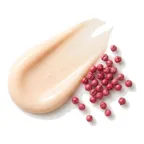 Phyto-Retinal
 Glycolic Acid
 Sodium Hyaluronate
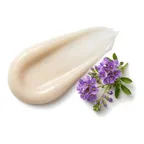 Bakuchiol
 Lactic Acid
High
- SuperiorNormal Skin Fit
- HighEffectiveness
- HighSafety
A great choice for sensitive skin; a few products fit it even better.
This fit is calculated for the concerns frequently associated with sensitive skin: redness, stinging, and reactions to new products. For scores and recommendations based on your full skin profile, including your 12D face scan results and any goals or preferences you have, please use the Lovi app.
Updated How the Fit score works
Lovi Assistant explains
- Offers moderate exfoliation for redness and irritation, as glycolic acid and lactic acid provide resurfacing benefits suitable for your normal skin type. Sodium hyaluronate and glycerin offer humectant action, while bakuchiol and Vaccinium Myrtillus Fruit Extract provide antioxidant activity and mild exfoliation.
- The formulation is safe for your sensitive skin, with no risks of irritation due to the absence of prohibited or harsh ingredients.
- This product is well-suited for normal skin, offering excellent exfoliation and antioxidant benefits.
How to apply
- Use your exfoliant PM once a week to help with redness and irritation. Start slowly and only increase frequency if your skin feels happy and comfortable.
- Apply the exfoliant after cleansing and toner , but always before your moisturizer . This ensures the product absorbs properly into the skin.
- Gently press 2-3 drops of the exfoliant into your skin without rubbing . Let it absorb for a minute before moving on.
- Since your skin is sensitive , apply the exfoliant on completely dry skin for the best tolerance. This helps prevent any extra stinging or discomfort.
- Always do a patch test before your first use and avoid the delicate eye area .
People Say
★4.1Overall rating based on 700+ reviewsThis serum is frequently praised for delivering a radiant, filtered complexion and improving skin texture without irritation. Users often report brighter, more hydrated skin with diminished fine lines, making it suitable for sensitive and combination skin types. Some users find the price point high and note a sticky texture during application.
Highlights
Visible skin glow Mostly Mentioned
- “Instant radiant glow”
- “Skin looks filtered”
- “Lovely healthy glow”
Gentle, non-irritating Often Mentioned
- “No redness or irritation”
- “Perfect for sensitive skin”
- “Gentle retinol alternative”
High price Often Mentioned
- “Pricey but good”
- “Expensive for the size”
- “Hard to justify cost”
Hydrating formula Sometimes Noted
- “Skin feels plumped”
- “Deeply hydrates skin”
- “Not greasy or oily”
Improves texture Sometimes Noted
- “Smoother skin texture”
- “Refined visible pores”
- “Evened out tone”
Mixed results Rarely Noted
- “Didn't see major change”
- “Not great for me”
- “No noticeable difference”
Sticky texture Rarely Noted
- “Feels a bit sticky”
- “Takes time to absorb”
- “Slightly tacky finish”
Sources: lovi.care, spacenk.com, lemon8-app.com, ipsy.com, lookfantastic.com, thenueco.com, and more
Questions and answers
What makes The Nue Co. Skin Filter Serum a great fit for sensitive skin?
The Nue Co. Skin Filter Serum is a great fit because it offers moderate resurfacing with gentle acids and bakuchiol while keeping your skin calm and hydrated. The formulation is very safe for sensitive skin, as it avoids harsh ingredients that typically cause irritation or redness.
Clinical, Cosmetic and Investigational Dermatology, 2017Health Science Reports, 2025
Which ingredients make this serum a good fit for sensitive skin?
This serum is a great fit for sensitive skin because it uses bakuchiol, which helps improve barrier function and calm redness without causing irritation. Ingredients like sodium hyaluronate and glycerin keep skin hydrated, while gentle plant extracts provide soothing antioxidant benefits.
Health Science Reports, 2025Clinical, Cosmetic and Investigational Dermatology, 2017
What does Phyto-Retinal do for sensitive skin?
Phyto-Retinal helps smooth lines and wrinkles, calm redness, and improve overall firmness in sensitive skin. It is unlikely to cause the stinging or scaling often associated with traditional options, making it well tolerated for daily use.
Health Science Reports, 2025Journal of Drugs in Dermatology, 2020
What does Glycolic Acid do for sensitive skin?
Glycolic acid often causes irritation and barrier redness on sensitive skin, so this skin type needs very low concentrations and calming ingredients to prevent discomfort.
Dermatologic Surgery, 2004Journal of Cosmetic Dermatology, 2010
Where does this serum go in a skincare routine for sensitive skin?
This serum goes in the evening routine after your toner and before your moisturizer. Lovi routines start exfoliating treatments like this once a week, and you can carefully use it more often if your skin tolerates it well.
Can I use this serum with retinol, and in what order?
You can use this serum with retinol, but it is best to apply them on alternate nights to avoid irritation. This product is well-suited for sensitive skin, offering gentle exfoliation and antioxidant benefits without harsh ingredients.
How often should I use this serum?
Start by using this treatment once a week in your evening routine, and if your skin feels comfortable and you see good results, you may carefully use it more often. This gentle approach helps your skin adjust safely to the exfoliating acids while keeping your skin calm and smooth.
Journal of Cosmetic Dermatology, 2021Journal of Cosmetic Dermatology, 2024
Can this serum clog pores, cause breakouts or purging for sensitive skin?
This serum is a great fit for your sensitive skin and is unlikely to clog pores, cause breakouts, or lead to purging. Its formula offers gentle resurfacing and antioxidant benefits with a safe profile that avoids harsh ingredients, helping keep your skin calm and smooth.
Is this serum fragrance-free and alcohol-free?
Yes, it has no fragrance and no drying alcohol.
What the research says
A single application of a moisturizing fluid containing hyaluronic acid 1%, glycerin 5%, and Centella asiatica stem cells extract significantly increased skin hydration by 29% and reduced transepidermal water loss at 24 hours compared to baseline and an untreated control site in twenty healthy women.
Clinical, Cosmetic and Investigational Dermatology, 2017Topical application of a serum containing supramolecular Bakuchiol and Terminalia chebula extract significantly improved barrier function, reduced redness and sensitivity, and improved wrinkles and elasticity in 34 Chinese subjects with sensitive skin after 28 days.
Health Science Reports, 2025Fermented bilberry extract improved wrinkle depth, skin smoothness, roughness, firmness, elasticity, antioxidant capacity, and complexion evenness compared to a placebo in 66 subjects over 84 days.
Nutrients, 2024Bilberry fruit extract reduces UVA-induced reactive oxygen species formation, membrane lipid peroxidation, and intracellular glutathione depletion in HaCaT keratinocytes compared to untreated UVA-exposed cells.
BioFactors, 2008Serial glycolic acid peels combined with a modified Kligman formula significantly reduced facial PIH severity in Indian patients compared to the modified Kligman formula alone.
Dermatologic Surgery, 2017Short contact therapy with a tretinoin, clindamycin, and glycolic acid gel significantly improved skin tolerability and reduced acne severity scores compared to standard application therapy in patients with mild-to-moderate acne.
Dermatologic Therapy, 2021Topical application of 0.1% hyaluronic acid formulations of different molecular weights led to significant improvements in skin hydration and elasticity, with low-molecular-weight formulations also significantly reducing wrinkle depth in seventy-six female subjects compared to a vehicle control.
Journal of Drugs in Dermatology, 2011Topical hyaluronic acid serum used twice daily by 40 females with facial photoaging produced an immediate 134% increase in skin hydration, a sustained 55% increase at week 6, and significant improvements in smoothness, plumping, fine lines, wrinkles, and global appearance without causing irritation.
Dermatology and Therapy, 2021A topical antioxidant serum significantly reduced air pollution-induced skin pigmentation and proinflammatory gene expression ex vivo, and improved skin aging signs in 40 healthy adult females after 90 days of daily use.
Journal of Cosmetic Dermatology, 2022Topical bakuchiol 0.5% applied twice daily compared with retinol 0.5% applied daily significantly decreased wrinkle surface area and hyperpigmentation with no statistical difference between the compounds in 44 patients over 12 weeks, while retinol users reported more facial skin scaling and stinging.
The British Journal of Dermatology, 2019A dermocosmetic containing bakuchiol, Ginkgo biloba extract, and mannitol improves inflammatory lesions, Investigator Global Assessment, and seborrhea intensity when added to adapalene 0.1% gel in patients with acne vulgaris.
Clinical, Cosmetic and Investigational Dermatology, 2015Bakuchiol functions as an anti-aging compound through retinol-like regulation of gene expression, producing significant improvements in lines, wrinkles, pigmentation, elasticity, firmness, and photo-damage after 12 weeks of twice-a-day facial application without usual retinol therapy-associated undesirable effects.
International Journal of Cosmetic Science, 2014Application of a cream containing lactic acid 12% and pramoxine HCl 1% significantly improved skin dryness, hydration, and itch compared with a nontreated control in 24 women with a history of dry itchy skin.
Cutis, 2004A lactic acid/ceramide lotion significantly improved skin moisturization and desquamation compared to no treatment in women with dry, rough skin on the anterior shins.
The Journal of Clinical and Aesthetic Dermatology, 2020Treatment with 12% lactic acid increased epidermal and dermal firmness and thickness and improved skin smoothness and wrinkles compared to baseline, whereas 5% lactic acid induced clinical and epidermal changes without dermal changes.
Journal of the American Academy of Dermatology, 1996
Ingredients
Water, Glycerin, Isoamyl Laurate, Heptyl Glucoside, Galactoarabinan, Sclerotium Gum, Glycolic Acid, Lactic Acid, Vaccinium Myrtillus Fruit Extract, Bakuchiol, Sodium Hydroxide, Maltodextrin, Caffeine, Saccharum Officinarum Extract, Isoamyl Cocoate, Dipotassium Glycyrrhizate, Zinc Pca, Citrus Aurantium Dulcis Fruit Extract, Lemon Fruit Extract, Ethylhexylglycerin, Sugar Maple Extract, Leuconostoc Radish Root Ferment Filtrate, Terminalia Ferdinandiana Fruit Extract, Trisodium Ethylenediamine Disuccinate, Sodium Hyaluronate, Nephelium Lappaceum Extract, Heptanol, Pinus Strobus Bark Extract
Behind this fit score
Lovi calculates every fit score from the full ingredient list with brand-independent rules our dermatologists and cosmetic chemists build and review, and personalizes every pick with AI trained on the real results of millions of users. Lovi trains its fit score models on a proprietary dataset built from more than 10,000 expert-labeled products and more than 100,000 simulated examples, following an internally consistent methodology presented at Cosmoprof, AMWC, and Skin of Color Update.
-

Co-founder, Medical Director
Cosmetic chemist, cosmetologist, aesthetic products developer
-

Co-founder, CEO and CTO
PhD in computer science, 3x US patent holder, ex-Google, ex-Yandex
-

Dr. Sofía Perea Pérez, MD, MSc
Medical Board
Aesthetic medicine practitioner, MSc in Longevity and Anti-Aging Medicine
-

Medical Board
Specialist dermatologist, MBBS, MD, IFAAD
-

Medical Board
Cosmetic chemist, SCS, IFSCC member
-

Medical Board, Medical Advisor
Dermatology MD
-

Elina Nazarenko, MD
Medical Board
Dermatology and diagnostic consultant
-

Victoria Derkova, MS
Medical Board
Cosmetic chemist, cosmetic development technologist


How does it fit your skin?
Scan your face, then any product: Lovi shows how well it fits you and what fits even better.