
Tatcha Violet-C Brightening Serum for oily skin

 Ascorbic Acid Ascorbyl Tetraisopalmitate
 Licorice Root Extract Glycyrrhiza Glabra Root Extract
 Lactic Acid
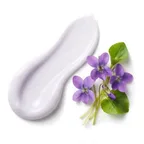 Viola Odorata Extract Hadasei-3 Extract
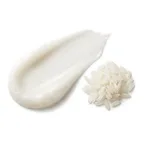 Rice Ferment Filtrate
Average
- HighOily Skin Fit
- AverageEffectiveness
- HighSafety
Works for oily skin; other serums fit it better.
This fit is calculated for the concerns frequently associated with oily skin: shine, enlarged pores, blackheads, and blemishes. For scores and recommendations based on your full skin profile, including your 12D face scan results and any goals or preferences you have, please use the Lovi app.
Updated How the Fit score works
Lovi Assistant explains
- Offers moderate brightening and evening of skin tone for your oily skin due to the presence of Bis-Glyceryl Ascorbate and Ascorbyl Tetraisopalmitate, which help address hyperpigmentation and provide antioxidant effects.
- The inclusion of Lactic Acid and Citrus Aurantifolia Juice offers mild keratolytic action and seboregulation, supporting your oily shine concerns.
- The product is safe for your oily skin, with no risks of irritation due to the absence of harsh ingredients and the presence of soothing components like Saccharomyces Camellia Sinensis Cladosiphon Okamuranus Rice Leaf Ferment Filtrate and Glycyrrhiza Glabra Root Extract.
How to apply
- Use this serum in your PM routine. Start by applying it 3 times a week and build up to daily use if your skin tolerates it well.
- Apply the serum after cleansing and toning, but right before your moisturizer for the best results.
- Gently press 2-3 drops of the serum into your skin. Let it absorb ⏱ for a minute before applying the next product.
- Apply the serum on clean and dry skin since your skin is not sensitive and you want to target oily shine. This helps control excess oil throughout the night.
- Avoid the delicate eye area and do a patch test before using the serum for the very first time.
People Say
★4.5Overall rating based on 3.7k+ reviewsBased on a very large amount of data, this serum is frequently praised for its gentle yet effective formula that brightens the complexion and smooths skin texture, often resulting in a noticeable glow and softer skin. Some users, however, find the exfoliation to be too mild and feel the high price point is not justified by the results.
Highlights
Brightens and adds glow Mostly Mentioned
- “skin is clearer, glowier”
- “complexion is more even”
- “radiant than ever”
- “noticeable glow”
Gentle and non-irritating Often Mentioned
- “surprisingly gentle”
- “does not irritate”
- “calming effect”
- “great for sensitive skin”
Smoother skin texture Often Mentioned
- “skin is completely smooth”
- “drastically changed texture”
- “pores seem less clogged”
- “softens skin”
Expensive price point Often Mentioned
- “very pricey”
- “hard to justify cost”
- “expensive for vitamin C”
Fades dark spots Sometimes Noted
- “helped brighten dark spots”
- “fade acne scars”
- “reduced hyperpigmentation”
- “evened out skin tone”
Lightweight and fast absorbing Sometimes Noted
- “absorbs quickly”
- “non-sticky”
- “watery texture”
- “sinks in with zero residue”
No visible results Sometimes Noted
- “did nothing”
- “didn't notice difference”
- “no improvement in radiance”
- “expected more for price”
Sticky finish Rarely Noted
- “dries a little sticky”
- “tacky texture”
- “felt sticky”
Unpleasant scent Rarely Noted
- “smell is weird”
- “strong scent”
- “smells like hot dog water”
Weak exfoliation Rarely Noted
- “not enough exfoliation”
- “too mild”
- “didn't replace my AHA”
Sources: lovi.care, tatcha.com, sephora.com, influenster.com, mecca.com.au, refinery29.com, and more
Questions and answers
How well does Tatcha Violet-C Brightening Serum work for oily skin?
Tatcha Violet-C Brightening Serum works moderately well for oily skin by helping to brighten dark spots and manage oily shine with vitamin C and lactic acid. It is safe and unlikely to cause irritation, though treatments with ingredients like niacinamide, zinc PCA, and balancing hydrators fit oily skin better.
Which ingredients make this serum a good fit for oily skin?
Bis-Glyceryl Ascorbate, Ascorbyl Tetraisopalmitate, Lactic Acid, and Citrus Aurantifolia Juice make this serum a good fit for oily skin by helping with dark spots, managing oily shine, and gently smoothing the skin. Treatments that fit oily skin best need ingredients like niacinamide, zinc PCA, and ferulic acid to control excess oil and pores, alongside barrier-supporting ceramides and panthenol.
What does Ascorbic Acid do for oily skin?
Ascorbic acid helps prevent sebum oxidation and keeps pores clear in oily skin. It also reduces skin inflammation and helps fade marks left by breakouts.
What does Licorice Root Extract do for oily skin?
Licorice root extract helps calm redness and manage irritation for oily skin. It also works to keep skin balanced by supporting a clear, even tone.
The Journal of Dermatological Treatment, 2003Archives of Dermatological Research, 2006
Where does this serum go in a skincare routine for oily skin?
This treatment goes in the evening routine after cleansing and before moisturizing, which keeps application simple and safe around sun exposure. Oily skin works best with a serum of this type when it brings oil-balancing ingredients and antioxidants to brighten tone and manage shine without causing irritation.
Can I use this serum with retinol, and in what order?
Use retinol and this serum apart: in different sessions of the same day or on different days. This product helps brighten skin and manage oily shine safely, but an oily skin routine can work better with lightweight ingredients like niacinamide or salicylic acid for deeper oil control.
How often should I use this serum?
This treatment works well for oily skin in the evening routine, starting at once a week and gradually increasing frequency if your skin tolerates it well. Ascorbyl tetraisopalmitate and other active ingredients help brighten tone and manage oily shine while maintaining a safe profile.
Can this serum clog pores, cause breakouts or purging for oily skin?
This serum is unlikely to clog pores or cause breakouts for your oily skin, as it contains no harsh ingredients and includes soothing components. To better fit oily skin, this type of product needs lightweight hydrators and oil-balancing ingredients that clear shine without heaviness.
Is this serum fragrance-free and alcohol-free?
Yes, it has no fragrance and no drying alcohol.
What the research says
A 3-in-1 anti-aging topical night serum-in-oil applied once daily decreased wrinkles by 11%, increased skin firmness by 8%, reduced redness by 70%, and improved overall skin quality and complexion in 103 female subjects over 28 to 84 days compared to baseline.
Journal of Cosmetic Dermatology, 2019Topical application of 5% vitamin C cream significantly improved global clinical scores, increased skin microrelief density, and induced elastic tissue repair in photoaged skin compared to excipient control in healthy female volunteers.
Experimental Dermatology, 2003Topical 18beta-Glycyrrhetinic acid pretreatment significantly attenuated ultraviolet-induced skin photoaging in mice by increasing antioxidant enzyme activities and collagen content while decreasing malonaldehyde, matrix metalloproteinases, and inflammatory cytokines.
Experimental Gerontology, 2015Topical application of VC-IP cream twice daily for 8 weeks reduces periorbital wrinkles in female subjects compared to a placebo cream.
Journal of Cosmetic Dermatology, 2022Topical treatment with 5% vitamin C and 0.1% madecassoside significantly improved clinical scores for wrinkles, suppleness, firmness, roughness, and skin hydration, along with functional and structural remodeling of the elastic fiber network in 20 female volunteers with photoaged skin after 6 months compared to baseline.
Experimental Dermatology, 2008Topical ascorbic acid application resulted in a statistically significant improvement in Ra and shadows north-south facial axis values as well as clinical, photographic, and patient self-appraisal scores compared with vehicle control in nineteen patients with mild to moderately photodamaged facial skin.
Archives of Otolaryngology--head & Neck Surgery, 1999Combining 755 nm alexandrite laser with topical licorice gel significantly reduces terminal hair counts compared to alexandrite laser with placebo in women with idiopathic hirsutism.
Evidence-based Complementary and Alternative Medicine, 2015Licochalcone A activated Nrf2 signaling, elevated cytoprotective enzymes, increased the reduced-to-oxidized glutathione ratio, and decreased reactive oxygen species in human fibroblasts and neutrophils, while a LicA-rich licorice extract lowered UVA-induced oxidative processes in vivo.
Experimental Dermatology, 2015Mesoporous silica nanoparticles entrapping licorice polysaccharide and coated with polydopamine showed 76% entrapment efficiency, 89% in vitro release at pH 5, increased sebocytes' cellular uptake, and mediated inflammatory response by inhibiting pro-inflammatory cytokines and regulating anti-inflammatory cytokines.
Carbohydrate Polymers, 2024Application of a cream containing lactic acid 12% and pramoxine HCl 1% significantly improved skin dryness, hydration, and itch compared with a nontreated control in 24 women with a history of dry itchy skin.
Cutis, 2004A lactic acid/ceramide lotion significantly improved skin moisturization and desquamation compared to no treatment in women with dry, rough skin on the anterior shins.
The Journal of Clinical and Aesthetic Dermatology, 2020Treatment with 12% lactic acid increased epidermal and dermal firmness and thickness and improved skin smoothness and wrinkles compared to baseline, whereas 5% lactic acid induced clinical and epidermal changes without dermal changes.
Journal of the American Academy of Dermatology, 1996Daily application of a cream containing niosomes loaded with purple glutinous rice extract in 20 human volunteers for 28 days resulted in a significant decrease in melanin index and skin roughness by -14.05% and -9.95%, and increases in skin hydration and elastic recovery by +48.73% and +35.98% compared to initial values.
International Journal of Cosmetic Science, 2020The iontophoretic delivery of hyaluronic acid nanogel-loaded Saccharomyces/Rice Ferment Filtrate significantly reduced advanced glycation end products and mitigated skin stiffening in an ex vivo skin tissue glycation model.
International Journal of Nanomedicine, 2025Black rice extract treatment downregulated MMP-1 and MMP-3 expression, increased type I procollagen expression, and reduced reactive oxygen species production in ultraviolet-irradiated HaCaT and human dermal fibroblast skin cells.
International Journal of Molecular Medicine, 2018
Ingredients
Water, Bis-Glyceryl Ascorbate, Saccharomyces Camellia Sinensis Cladosiphon Okamuranus Rice Leaf Ferment Filtrate, Propanediol, Butylene Glycol, Glycerin, Ascorbyl Tetraisopalmitate, Angelica Acutiloba Root Extract, Callicarpa Japonica Fruit Extract, Prunus Mume Fruit Extract, Crataegus Cuneata Fruit Extract, Pyrus Malus Fruit Extract, Grapefruit Fruit Extract, Citrus Aurantium Dulcis Juice, Lemon Juice, Citrus Aurantifolia Juice, Glycyrrhiza Glabra Root Extract Licorice Root Extract, Scutellaria Baicalensis Root Extract, Artemisia Capillaris Flower Extract, Morus Alba Root Extract, Ziziphus Jujuba Fruit Extract, Sodium Hyaluronate, Lactic Acid, Sodium Citrate, Dipotassium Glycyrrhizate, Ammonium Acryloyldimethyltaurate Carboxyethyl Acrylate Crosspolymer, Disodium Edta, Ppg-6-Decyltetradeceth-30, Ethylhexylglycerin, Phenoxyethanol
Behind this fit score
Lovi calculates every fit score from the full ingredient list with brand-independent rules our dermatologists and cosmetic chemists build and review, and personalizes every pick with AI trained on the real results of millions of users. Lovi trains its fit score models on a proprietary dataset built from more than 10,000 expert-labeled products and more than 100,000 simulated examples, following an internally consistent methodology presented at Cosmoprof, AMWC, and Skin of Color Update.
-

Co-founder, Medical Director
Cosmetic chemist, cosmetologist, aesthetic products developer
-

Co-founder, CEO and CTO
PhD in computer science, 3x US patent holder, ex-Google, ex-Yandex
-

Dr. Sofía Perea Pérez, MD, MSc
Medical Board
Aesthetic medicine practitioner, MSc in Longevity and Anti-Aging Medicine
-

Medical Board
Specialist dermatologist, MBBS, MD, IFAAD
-

Medical Board
Cosmetic chemist, SCS, IFSCC member
-

Medical Board, Medical Advisor
Dermatology MD
-

Elina Nazarenko, MD
Medical Board
Dermatology and diagnostic consultant
-

Victoria Derkova, MS
Medical Board
Cosmetic chemist, cosmetic development technologist


How does it fit your skin?
Scan your face, then any product: Lovi shows how well it fits you and what fits even better.