
Tata Harper Clarifying Mask for oily acne-prone skin

 Aha Lactic Acid
 Bha Salicylic Acid
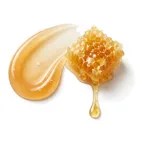 Honey
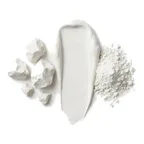 Kaolin
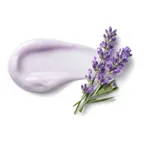 Lavender Flower Water
Superior
- SuperiorOily Skin Fit
- SuperiorEffectiveness
- ExcellentSafety
One of the best cleansing masks for oily acne-prone skin.
This fit is calculated for the concerns frequently associated with oily acne-prone skin: shine, breakouts, blemishes, and enlarged pores. For scores and recommendations based on your full skin profile, including your 12D face scan results and any goals or preferences you have, please use the Lovi app.
Updated How the Fit score works
Lovi Assistant explains
- Excellent suitability for your oily, acne-prone skin is provided by lactic acid and willow bark extract, which deeply exfoliate and decongest pores to target blemishes and oiliness. Kaolin and bentonite further enhance oil absorption and purification, making this mask ideal for managing shine and breakouts. The formula is safe for your skin, with soothing ingredients like Mel Honey Miel and Linalool ensuring a gentle experience without irritation.
- The inclusion of Salvia Officinalis Stem Extract and Tasmannia Lanceolata Leaf Extract offers additional antioxidant and anti-inflammatory benefits, complementing the primary exfoliating and decongesting actions.
- This product has a very safe profile, free from harsh ingredients and containing beneficial compounds that support skin health.
How to apply
- Use your cleansing mask PM as part of your weekly routine. Start 1×/week and increase carefully if your oily skin tolerates it well.
- Apply this step after your enzyme powder and before your hydrating toner. Follow the standard weekly order to keep your skin balanced.
- Spread an even layer of the cleansing mask across your face while avoiding the eye area. Let it sit for the recommended time without rubbing .
- Apply the mask on clean and dry skin for the best purifying effect on your breakouts. Clean skin allows the formula to target blemishes directly.
- Always do a patch test before your first use to check for sensitivity. Avoid combining this mask with strong acids or retinoids in the same routine .
People Say
★4.0Overall rating based on 300+ reviewsUsers with oily, blemish-prone, and sensitive skin frequently praise this mask for its ability to calm redness and reduce breakouts without causing dryness. While the high price and strong herbal scent are noted concerns, most users experience immediate improvements in skin softness, texture, and clarity.
Highlights
Reduces acne & redness Mostly Mentioned
- “Zits shrink right away and don't get inflamed”
- “Calmed my skin down after just one use”
- “Helps calm the redness and size of cysts.”
Expensive price Mostly Mentioned
- “Definitely cannot use it regularly given the price”
- “Wish it came in a larger container for the price”
- “Expensive luxury product.”
Instant smoothing Often Mentioned
- “Gives me baby-soft skin every time”
- “Skin felt much smoother and softer”
- “Great on my pores, which look clear and tightened.”
Non-drying/Soothing Often Mentioned
- “Doesn't dry out my skin”
- “No stinging, no tightness”
- “Left my skin feeling glowy and tight, not dry.”
Natural ingredients Sometimes Noted
- “Love that Tata Harper only uses non-toxic ingredients”
- “Packed with hard-working, natural ingredients”
- “No fillers needed.”
Polarizing scent Sometimes Noted
- “Slightly sour scent”
- “Strong herbal smell”
- “Hated the smell of it.”
Skin irritation Rarely Noted
- “Skin starts to feel like it's burning”
- “Broke out in two different places”
- “Caused redness and small bumps.”
Sticky texture Rarely Noted
- “Didn't love the stickiness of the honey texture”
- “Lightly sticky gel-cream texture”
- “Jar packaging may be a sanitary issue.”
Sources: lovi.care, sephora.com, cultbeauty.co.uk, spacenk.com, reallyree.com, thestripe.com, and more
Questions and answers
What makes Tata Harper Clarifying Mask one of the best fits for oily acne-prone skin?
This mask is an exceptional fit because lactic acid and willow bark extract deeply exfoliate and clear out pores to target breakouts and extra oiliness, while kaolin and bentonite absorb oil and purify the skin. Soothing ingredients like honey ensure a gentle experience without causing irritation, making it very safe for your skin type.
Journal of Cosmetic Dermatology, 2024Journal of Cosmetic Dermatology, 2025
Which ingredients make this mask a good fit for oily acne-prone skin?
This mask is a great fit for your oily, acne-prone skin because lactic acid and willow bark extract deeply exfoliate and clear out pores to handle breakouts and excess oil. Kaolin and bentonite clays also help soak up extra shine, while honey and soothing extracts keep the experience gentle and comfortable.
Journal of Cosmetic Dermatology, 2024Journal of Cosmetic Dermatology, 2025
What does Aha do for oily acne-prone skin?
Alpha hydroxy acids help clear acne breakouts and smooth the skin by gently exfoliating the surface. They also help fade dark marks left behind by pimples over time. For the best results on oily acne-prone skin, a product of this type needs soothing ingredients like niacinamide and ceramides to keep the skin calm and protected.
Dermatologic Surgery, 2008Journal of Cosmetic Dermatology, 2011
What does Bha do for oily acne-prone skin?
BHA helps clear breakouts and keeps pores clean by reducing oil and removing dead skin cells. It is especially useful for oily and acne-prone skin because it reduces blemishes while keeping the skin calm.
Where does this mask go in a skincare routine for oily acne-prone skin?
This cleansing mask fits into a weekly routine for oily acne-prone skin, typically used once a week as an extra step after cleansing and before toning and moisturizing. Lovi routines start exfoliating steps once a week, allowing people who tolerate them well and see good results to carefully use them more often.
Journal of Cosmetic Dermatology, 2025Journal of Cosmetic Dermatology, 2019
Can I use this mask with retinol, and in what order?
You can use this mask in your weekly routine, but avoid applying it on the same nights you use your retinol to prevent irritation. Use the mask first as part of your weekly treatment steps, and save your retinol for a different night.
How often should I use this mask?
This cleansing mask fits best into a weekly routine for oily, acne-prone skin. You can start by using it once a week, and if your skin tolerates it well and shows good results, you may carefully use it more often.
Journal of Cosmetic Dermatology, 2024Journal of Cosmetic Dermatology, 2025
Can this mask clog pores, cause breakouts or purging for oily acne-prone skin?
This mask is unlikely to clog pores or cause breakouts on your oily, acne-prone skin because lactic acid, willow bark extract, kaolin, and bentonite help clear out pores and absorb excess oil. Soothing ingredients like honey ensure a gentle experience with a very low chance of skin irritation.
Journal of Cosmetic Dermatology, 2024Journal of Cosmetic Dermatology, 2025
What the research says
A novel emulsion containing niacinamide, lens esculenta seed extract, and white willow bark extract effectively improved acne, blackheads, and conspicuous facial pores in 30 subjects with oily skin.
Journal of Cosmetic Dermatology, 2024A bentonite-based facial mask with Alcea sulphurea extract combined with oral azithromycin significantly reduced total lesion count and acne severity index while enhancing patient satisfaction in patients with moderate acne compared to placebo plus azithromycin over 8 weeks.
Journal of Cosmetic Dermatology, 2025A botanical face cleanser with hops and willow bark extract continuously reduced skin sebum levels without reactive seborrhea after treatment in 21 healthy volunteers compared to a sodium laureth sulfate cleanser, with neither cleanser causing skin irritation.
Journal of Cosmetic Dermatology, 2019A moisturizer containing licochalcone A, 1,2-decanediol, L-carnitine, and salicylic acid significantly reduced noninflammatory, inflammatory, and total acne lesion counts compared to a vehicle control in Thai patients during a 12-week maintenance phase.
BioMed Research International, 2020Twice daily application of a multitargeted dermocosmetic cream provided comparable efficacy to benzoyl peroxide 5% gel in reducing inflammatory, non-inflammatory, and total lesions in 150 Caucasian subjects with mild-to-moderate acne over 56 days, while demonstrating superior skin tolerability.
Journal of Cosmetic Dermatology, 2024Application of a cream containing lactic acid 12% and pramoxine HCl 1% significantly improved skin dryness, hydration, and itch compared with a nontreated control in 24 women with a history of dry itchy skin.
Cutis, 2004A lactic acid/ceramide lotion significantly improved skin moisturization and desquamation compared to no treatment in women with dry, rough skin on the anterior shins.
The Journal of Clinical and Aesthetic Dermatology, 2020Treatment with 12% lactic acid increased epidermal and dermal firmness and thickness and improved skin smoothness and wrinkles compared to baseline, whereas 5% lactic acid induced clinical and epidermal changes without dermal changes.
Journal of the American Academy of Dermatology, 1996Treatment with 2% supramolecular salicylic acid hydrogel resulted in a regression and markedly improvement rate of 51.01% compared to 43.10% for Adapaline gel in patients with mild to moderate facial acne vulgaris, showing no significant difference in efficacy.
Journal of Cosmetic Dermatology, 2024Topical 5% benzoyl peroxide plus salicylic acid achieved the greatest lesion reduction at early 2 to 4 week time points compared to benzoyl peroxide, clindamycin, and combination benzoyl peroxide/clindamycin, while 5% benzoyl peroxide plus salicylic acid and combination benzoyl peroxide/clindamycin showed similar efficacy at 10 to 12 weeks in acne patients.
Journal of the American Academy of Dermatology, 2010Post-peel application of either topical tretinoin (0.25%) or retinol (0.25%) after a 30% salicylic acid peel effectively improves signs of photodamage compared to baseline in female subjects, with tretinoin performing slightly better than retinol in texture, roughness, and overall appearance at week 4.
Journal of Drugs in Dermatology, 2016Topical application of a honey, olive oil, and beeswax mixture three times daily for up to 4 weeks resulted in clinical responses in 86% of patients with pityriasis versicolor, 78% with tinea cruris, and 75% with tinea corporis.
Complementary Therapies in Medicine, 2004Romanian honey varieties rich in phenolics exhibited anti- and pro-inflammatory effects, dose-dependent pro-proliferative effects, stimulated collagen synthesis, and enhanced cell migration in macrophage-like, fibroblast, and keratinocyte cell lines.
Life, 2024Topical application of Melipona marginata honey extract (1.0 mg/ear) reduced 12-O-tetradecanoylphorbol-13-acetate-induced ear edema by 54%, myeloperoxidase activity by 75%, and reactive oxygen species production by 55% in mice compared to the induced model.
Journal of Medicinal Food, 2014Vectorization of high molecular weight hyaluronic acid with clay enabled its penetration into deeper skin layers and led to a significant clinical reduction in fine lines in the crow's feet area compared to placebo after 28 days.
Skin Research and Technology, 2024Twice-weekly use of a clay mask over 4 weeks in 75 adults with oily or combination skin improved acne-related outcomes, sebum content, skin evenness, hydration, and reduced dryness and irritation.
Skin Research and Technology, 2023Clay jojoba oil facial masks reduced total skin lesions by a mean of 54% after 6 weeks in 133 participants with acne-prone, lesioned skin and mild acne compared to baseline.
Forschende Komplementarmedizin, 2012Lavandula angustifolia leaf callus extract enhanced skin cell viability, reduced oxidative stress and melanin content, improved wound healing, and enhanced skin barrier function in human skin cells and clinical tests.
Free Radical Biology & Medicine, 2025Tea tree oil effectively treated acne while lavender and rosemary oils demonstrated anti-inflammatory and anti-aging properties in derma cosmetic applications based on an evaluation of various essential oils.
Frontiers in Medicine, 2025Essential oils isolated from micropropagated lavender stimulate HSF cells to produce procollagen at concentrations of 0.01, 0.001, and 0.0001%, and provide a preservative effect at 0.1% in a cosmetic emulsion over 3 months.
Natural Product Research, 2018
Ingredients
Mel Honey Miel, Kaolin, Salvia Officinalis Stem Extract Flower Leaf, Lactobacillus Rye Flour Ferment, Lactic Acid, Willow Bark Extract, Lavandula Angustifolia Flower Leaf Stem Lavender Flower Leaf Stem Water Flower Leaf Stem, Maranta Arundinacea Root Extract, Bentonite, Flavor, Glyceryl Undecylenate, Pyrus Malus Seed Oil, Water, Glycerin, Hydrated Silica, Oenothera Biennis Oil, Fusanus Spicatus Seed Oil Sandalwood Seed Oil, Lannea Microcarpa Fruit Extract, Tasmannia Lanceolata Leaf Extract Fruit, Chlorella Pyrenoidosa, Vaccinium Myrtillus Leaf Extract Fruit, Gaultheria Procumbens Leaf Extract, Saccharum Officinarum Extract, Citrus Aurantium Dulcis Fruit Extract, Lemon Fruit Extract, Sugar Maple Extract, Olea Europaea Oil Olive Oil, Borago Officinalis Oil, Arnica Montana Extract, Borago Officinalis Leaf Extract, Calendula Officinalis Flower Extract, Medicago Sativa Extract, Spiraea Ulmaria Flower Extract, Sambucus Nigra Fruit Extract, Alpha-Glucan Oligosaccharide, Glyceryl Caprylate, Sodium Citrate, Sodium Phytate, Ci 77288, Linalool, Limonene, Geraniol, Citronellol, Citral, Eugenol, Methyl Eugenol
Behind this fit score
Lovi calculates every fit score from the full ingredient list with brand-independent rules our dermatologists and cosmetic chemists build and review, and personalizes every pick with AI trained on the real results of millions of users. Lovi trains its fit score models on a proprietary dataset built from more than 10,000 expert-labeled products and more than 100,000 simulated examples, following an internally consistent methodology presented at Cosmoprof, AMWC, and Skin of Color Update.
-

Co-founder, Medical Director
Cosmetic chemist, cosmetologist, aesthetic products developer
-

Co-founder, CEO and CTO
PhD in computer science, 3x US patent holder, ex-Google, ex-Yandex
-

Dr. Sofía Perea Pérez, MD, MSc
Medical Board
Aesthetic medicine practitioner, MSc in Longevity and Anti-Aging Medicine
-

Medical Board
Specialist dermatologist, MBBS, MD, IFAAD
-

Medical Board
Cosmetic chemist, SCS, IFSCC member
-

Medical Board, Medical Advisor
Dermatology MD
-

Elina Nazarenko, MD
Medical Board
Dermatology and diagnostic consultant
-

Victoria Derkova, MS
Medical Board
Cosmetic chemist, cosmetic development technologist


How does it fit your skin?
Scan your face, then any product: Lovi shows how well it fits you and what fits even better.