
StriVectin Glycolic Skin Reset Mask for sensitive skin

 Glycolic Acid
 Nia114
 Lactic Acid
 Salicylic Acid
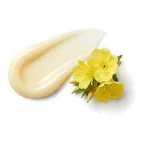 Oenothera Biennis Oil
Average
- HighNormal Skin Fit
- AverageEffectiveness
- Low RiskSafety
Works for sensitive skin; other cleansing masks fit it better.
This fit is calculated for the concerns frequently associated with sensitive skin: redness, stinging, and reactions to new products. For scores and recommendations based on your full skin profile, including your 12D face scan results and any goals or preferences you have, please use the Lovi app.
Updated How the Fit score works
Lovi Assistant explains
- Offers moderate exfoliation suitable for normal skin due to glycolic and lactic acids, which also provide humectant action, but these ingredients may exacerbate your redness and irritation concerns.
- Kaolin and salicylic acid effectively cleanse pores, which is beneficial for general skin health, though less relevant for your primary concerns.
- The product is generally safe for normal skin, but the presence of AHAs and fragrance carries a risk of irritation.
How to apply
- Use this cleansing mask once a week as part of your weekly routine, starting slowly to see how your skin reacts.
- Apply this product after cleansing and enzyme powder, and before your hydrating toner and moisturizer.
- Smooth an even layer of the cleansing mask over your face, making sure to gently avoid rubbing.
- Put the mask on clean and dry skin to keep your sensitive face calm and comfortable.
- Do a patch test before your first use and avoid getting the mask too close to your eyes.
People Say
★4.7Overall rating based on 200+ reviewsUsers consistently praise this mask for its ability to deliver gentle yet potent exfoliation, leaving skin noticeably smoother, softer, and more radiant in just five minutes. It is frequently recommended for dull or rough skin textures, with many users noting it provides a fresh and glowing complexion without the irritation often associated with glycolic acid products.
Highlights
Gentle exfoliation Mostly Mentioned
- “Effective yet gentle”
- “non-irritating chemical exfoliation”
- “no redness or discomfort”
Radiance and glow Often Mentioned
- “Restores radiance”
- “leaves skin glowing”
- “brightens the face”
Smoother skin Often Mentioned
- “Skin is smoother”
- “reveals smooth, soft skin”
- “dramatically improves texture”
Availability issues Often Mentioned
- “Currently not available”
- “sold out”
- “hard to find”
Fast-acting Sometimes Noted
- “Works in just 5 minutes”
- “fast-acting formula”
- “quick results”
Price value Sometimes Noted
- “Expensive brand”
- “not a full size (in sets)”
- “pricey for a mask”
Lack of results Rarely Noted
- “Not much improvement”
- “didn't see a difference after 3 uses”
- “results were minimal”
Sources: lovi.care, well.ca, macys.com, lovelyskin.com, influenster.com, and more
Questions and answers
How well does StriVectin Glycolic Skin Reset Mask work for sensitive skin?
This mask works for sensitive skin, though other products fit it better because its exfoliating acids and fragrance may make your redness and irritation worse. To work well for sensitive skin, this type of product needs gentle exfoliants and natural extracts that calm redness while keeping skin soft and smooth without irritation.
Which ingredients make this mask a good fit for sensitive skin?
This mask is only an average fit for sensitive skin because its exfoliating acids and fragrance may trigger redness and irritation. Sensitive skin needs gentle soothing ingredients and natural extracts that calm redness while keeping skin soft and comfortable.
What does Glycolic Acid do for sensitive skin?
Glycolic acid often causes irritation and barrier redness on sensitive skin, so this skin type needs very low concentrations and calming ingredients to prevent discomfort.
Dermatologic Surgery, 2004Journal of Cosmetic Dermatology, 2010
What does Niacin do for sensitive skin?
Niacinamide is a great fit for sensitive skin because it helps calm redness and strengthens the skin barrier. It is very unlikely to cause irritation and has a very safe profile for everyday use.
Where does this mask go in a skincare routine for sensitive skin?
This mask works for sensitive skin, though other products fit it better because its exfoliating acids and fragrance carry a risk of increasing redness and irritation. To use a product of this type safely on sensitive skin, look for gentle, soothing ingredients that calm irritation while supporting the skin barrier without harsh acids.
Can I use this mask with retinol, and in what order?
How often should I use this mask?
This cleansing mask is an exfoliating step, so start by using it once a week to see how your skin reacts. Because it contains acids and fragrance, it carries a risk of irritation on sensitive skin, so a product of this type needs soothing and calming ingredients to keep skin comfortable.
Can this mask clog pores, cause breakouts or purging for sensitive skin?
This mask is unlikely to clog pores since it contains kaolin and salicylic acid to cleanse them, but its acids and fragrance may trigger redness and irritation on sensitive skin. A product for this skin needs soothing, hydrating ingredients and gentle exfoliants that keep the skin calm and smooth.
What the research says
Twice daily application of a multitargeted dermocosmetic cream provided comparable efficacy to benzoyl peroxide 5% gel in reducing inflammatory, non-inflammatory, and total lesions in 150 Caucasian subjects with mild-to-moderate acne over 56 days, while demonstrating superior skin tolerability.
Journal of Cosmetic Dermatology, 2024The use of a salicylic acid-based dermocosmetic significantly reduces the needed quantity of benzoyl peroxide without impacting efficacy in mild to moderate acne, and as maintenance post-benzoyl peroxide allows a significant reduction of acne relapse compared to vehicle.
Journal of Drugs in Dermatology, 2023A moisturizer containing licochalcone A, 1,2-decanediol, L-carnitine, and salicylic acid significantly reduced noninflammatory, inflammatory, and total acne lesion counts compared to a vehicle control in Thai patients during a 12-week maintenance phase.
BioMed Research International, 2020Serial glycolic acid peels combined with a modified Kligman formula significantly reduced facial PIH severity in Indian patients compared to the modified Kligman formula alone.
Dermatologic Surgery, 2017Short contact therapy with a tretinoin, clindamycin, and glycolic acid gel significantly improved skin tolerability and reduced acne severity scores compared to standard application therapy in patients with mild-to-moderate acne.
Dermatologic Therapy, 2021Topical myristyl nicotinate increased skin cell NAD, stratum corneum thickness, epidermal thickness, epidermal renewal, minimal erythemal dose, and barrier resistance while reducing transepidermal water loss in subjects with photodamaged skin compared to placebo.
Experimental Dermatology, 2007Nicotinic acid normalizes excessive, acne-mimicking sebaceous lipogenesis, exerts anti-proliferative actions, and increases intracellular calcium in human SZ95 sebocytes via HCA2 activation.
Journal of Cellular and Molecular Medicine, 2019Application of a cream containing lactic acid 12% and pramoxine HCl 1% significantly improved skin dryness, hydration, and itch compared with a nontreated control in 24 women with a history of dry itchy skin.
Cutis, 2004A lactic acid/ceramide lotion significantly improved skin moisturization and desquamation compared to no treatment in women with dry, rough skin on the anterior shins.
The Journal of Clinical and Aesthetic Dermatology, 2020Treatment with 12% lactic acid increased epidermal and dermal firmness and thickness and improved skin smoothness and wrinkles compared to baseline, whereas 5% lactic acid induced clinical and epidermal changes without dermal changes.
Journal of the American Academy of Dermatology, 1996Treatment with 2% supramolecular salicylic acid hydrogel resulted in a regression and markedly improvement rate of 51.01% compared to 43.10% for Adapaline gel in patients with mild to moderate facial acne vulgaris, showing no significant difference in efficacy.
Journal of Cosmetic Dermatology, 2024Topical 5% benzoyl peroxide plus salicylic acid achieved the greatest lesion reduction at early 2 to 4 week time points compared to benzoyl peroxide, clindamycin, and combination benzoyl peroxide/clindamycin, while 5% benzoyl peroxide plus salicylic acid and combination benzoyl peroxide/clindamycin showed similar efficacy at 10 to 12 weeks in acne patients.
Journal of the American Academy of Dermatology, 2010Post-peel application of either topical tretinoin (0.25%) or retinol (0.25%) after a 30% salicylic acid peel effectively improves signs of photodamage compared to baseline in female subjects, with tretinoin performing slightly better than retinol in texture, roughness, and overall appearance at week 4.
Journal of Drugs in Dermatology, 2016Electrospun poly (vinyl butyral-co-vinyl alcohol-co-vinyl acetate) patches loaded with evening primrose oil applied to the forearm of volunteers for 6 hours increased skin moisture, with pore size, shape, and fiber diameter influencing oil transport.
Biomaterials Advances, 2022Combining poly(3-hydroxybutyrate-co-3-hydroxyvalerate) electrospun fibers with evening primrose oil into patches enhanced mechanical properties and increased skin hydration.
Journal of Materials Chemistry. B, 2022A topical preparation containing urea, sunflower oil, evening primrose oil, wheat germ oil, and sodium pyruvate led to clinical improvement after a month in diverse hyperkeratotic skin conditions except pityriasis lichenoides.
Medicina Cutanea Ibero-latino-americana, 1986
Ingredients
Kaolin, Ci 77891 Titanium Dioxide, Stearic Acid, Jojoba Esters, Butylene Glycol, Lactic Acid, Glycerin, Myristyl Nicotinate, Pentaerythrityl Tetraethylhexanoate, Cetyl Alcohol, Glyceryl Stearate Se, Glycolic Acid, Cyclodextrin, Arginine, Oenothera Biennis Oil, Parfum, Sorbitan Stearate, Peg-100 Stearate, Salicylic Acid, Magnesium Aluminum Silicate, Oleth-3 Phosphate, Hydrogenated Lecithin, Prunus Cerasus Flower Extract, Sodium Hyaluronate, Diatomaceous Earth Terre De Diatomées, Amino Acids, Tocopherol, Ethylhexylglycerin, Yeast Extract Extrait De Levure Extract, Gallic Acid, Caffeine, Betaine, Sodium Polyacrylate, Mica, Ci 19140 Yellow 5, Ci 14700 Red 4, Xanthan Gum, Bht, Potassium Sorbate, Disodium Edta, Caprylyl Glycol, Phenoxyethanol, Citric Acid, Sodium Benzoate, Sodium Hydroxide, Benzyl Benzoate, Limonene
Behind this fit score
Lovi calculates every fit score from the full ingredient list with brand-independent rules our dermatologists and cosmetic chemists build and review, and personalizes every pick with AI trained on the real results of millions of users. Lovi trains its fit score models on a proprietary dataset built from more than 10,000 expert-labeled products and more than 100,000 simulated examples, following an internally consistent methodology presented at Cosmoprof, AMWC, and Skin of Color Update.
-

Co-founder, Medical Director
Cosmetic chemist, cosmetologist, aesthetic products developer
-

Co-founder, CEO and CTO
PhD in computer science, 3x US patent holder, ex-Google, ex-Yandex
-

Dr. Sofía Perea Pérez, MD, MSc
Medical Board
Aesthetic medicine practitioner, MSc in Longevity and Anti-Aging Medicine
-

Medical Board
Specialist dermatologist, MBBS, MD, IFAAD
-

Medical Board
Cosmetic chemist, SCS, IFSCC member
-

Medical Board, Medical Advisor
Dermatology MD
-

Elina Nazarenko, MD
Medical Board
Dermatology and diagnostic consultant
-

Victoria Derkova, MS
Medical Board
Cosmetic chemist, cosmetic development technologist


How does it fit your skin?
Scan your face, then any product: Lovi shows how well it fits you and what fits even better.