
Some By Mi Yuja Niacin Brightening Toner for acne-prone skin

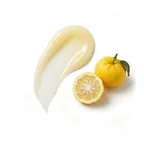 Yuja Extract
 Niacinamide
 Sodium Ascorbyl Phosphate
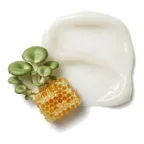 Panthenol
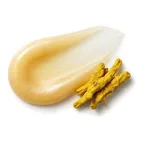 Coptis Chinensis Root Extract
High
- HighCombination Skin Fit
- HighEffectiveness
- HighSafety
A great choice for acne-prone skin; a few serums fit it even better.
This fit is calculated for the concerns frequently associated with acne-prone skin: breakouts, blackheads, and post-acne marks. For scores and recommendations based on your full skin profile, including your 12D face scan results and any goals or preferences you have, please use the Lovi app.
Updated How the Fit score works
Lovi Assistant explains
- This toner is highly suitable for your combination skin, as niacinamide helps regulate oil production in your oily areas while panthenol provides essential hydration for your dry areas, addressing both concerns effectively.
- The inclusion of sodium ascorbyl phosphate offers moderate brightening and evening of skin tone, which is beneficial for your hyperpigmentation concerns.
- The product is safe for your acne-prone skin, containing no harsh or prohibited ingredients that could cause irritation.
How to apply
- Use your serum as part of your PM routine and start 3x/week before working up to daily use.
- Apply this treatment after cleansing and toner, and before your moisturizer.
- Gently press 2-3 drops of the serum into your skin and let it absorb for a minute.
- Apply the product on clean, dry skin to help manage your breakouts safely.
- Avoid the eye area and do a patch test before your first use.
People Say
★4.6Overall rating based on 1.2k+ reviewsBased on a very large amount of data, users with dull, oily, or combination skin frequently praise this toner for its refreshing texture and ability to impart an immediate "glass skin" glow. It is effective for fading hyperpigmentation and acne scars over time. Some users with dry or hypersensitive skin find it insufficiently hydrating or slightly stinging due to the high citrus extract content.
Highlights
Refreshing scent Mostly Mentioned
- “Smells like fresh lemons”
- “Therapeutic yuja scent”
- “Scent is refreshing but not overpowering.”
Brightens and evens Often Mentioned
- “Gives that fresh glow every time”
- “Notice a more even skin tone”
- “Dark spots started to fade.”
Lightweight absorption Often Mentioned
- “Absorbs immediately”
- “Watery texture without stickiness”
- “Leaves skin feeling clean.”
Fades acne scars Sometimes Noted
- “Blemishes start to fade away”
- “Helps with post-acne marks”
- “Existing scars retreating.”
Causes irritation Sometimes Noted
- “Face was on fire”
- “Caused red spots”
- “Slight prickly sensation.”
Not hydrating Sometimes Noted
- “Little drying in winter”
- “Not hydrating enough for dry skin”
- “Need a moisturizer after.”
Sticky residue Rarely Noted
- “Slightly sticky finish”
- “Tacky dry down”
- “Leaves a sticky residue.”
Strong fragrance Rarely Noted
- “Scent is slightly overpowering”
- “Smell is too strong”
- “Strong citrus smell.”
Sources: lovi.care, iherb.com, yesstyle.com, stylekorean.com, femaledaily.com, nudieglow.com, and more
Questions and answers
What makes Some By Mi Yuja Niacin Brightening Toner a great fit for acne-prone skin?
Some By Mi Yuja Niacin Brightening Toner is a great fit for acne-prone skin because it is safe and unlikely to cause irritation, containing no harsh or prohibited ingredients. Additionally, niacinamide helps regulate oil production while panthenol provides essential hydration and improves skin comfort.
American Journal of Clinical Dermatology, 2002The Journal of Dermatological Treatment, 2017
Which ingredients make this toner a good fit for acne-prone skin?
Niacinamide, panthenol, and sodium ascorbyl phosphate make this toner a great fit for your acne-prone skin. It is safe for this skin type and is unlikely to cause irritation.
American Journal of Clinical Dermatology, 2002The Journal of Dermatological Treatment, 2017
What does Yuja Extract do for acne-prone skin?
Yuja Extract helps calm acne-prone skin and may reduce dark spots left behind by breakouts. Skincare for acne-prone skin of this type needs soothing ingredients and antioxidants to clear pores and help keep skin smooth.
What does Niacinamide do for acne-prone skin?
Niacinamide helps control acne-prone skin by reducing pimples and balancing oil production. It is well tolerated and may also help calm redness and improve overall skin texture in acne-prone skin.
International Journal of Dermatology, 2013Journal of Cosmetic Dermatology, 2024
Where does this toner go in a skincare routine for acne-prone skin?
This toner goes in your morning routine after cleansing and before moisturizing, and in your evening routine after makeup removal and cleansing. It is a great fit for your acne-prone skin because niacinamide helps regulate oil production while panthenol provides essential hydration.
International Journal of Cosmetic Science, 2020The Journal of Dermatological Treatment, 2022
Can I use this toner with retinol, and in what order?
You can use this toner with retinol by applying the toner first to damp skin and following with your retinol once it absorbs. This approach is unlikely to irritate your skin, because the panthenol in the toner helps calm and hydrate while you use active treatments.
American Journal of Clinical Dermatology, 2002The Journal of Dermatological Treatment, 2017
How often should I use this toner?
This toner is a great fit for your acne-prone skin and is safe to use in your evening routine. It is unlikely to cause irritation because it contains no harsh or prohibited ingredients.
Can this toner clog pores, cause breakouts or purging for acne-prone skin?
This toner is safe for your acne-prone skin and is unlikely to clog pores or cause breakouts because it contains no harsh or prohibited ingredients that could cause irritation. It helps keep skin calm while supporting your routine with a very safe profile.
What the research says
Topical dexpanthenol acts as a moisturizer, improves stratum corneum hydration, accelerates wound healing and epidermal regeneration, reduces erythema, and improves symptoms of skin irritation compared to vehicle or no pretreatment.
American Journal of Clinical Dermatology, 2002A new topical panthenol-containing emollient significantly improved transepidermal water loss reduction, stratum corneum hydration, and intercellular lipid lamellae length compared with control in healthy subjects without negatively impacting bacterial viability.
The Journal of Dermatological Treatment, 2017The tetrapeptide PKEK exerts skin whitening effects by reducing UVB-stimulated mRNA expression of pigmentation-inducing mediators like POMC and tyrosinase, and significantly fades facial pigment spots when combined with sodium ascorbyl phosphate.
Experimental Dermatology, 2012Citrus junos callus extract decreased melanin content in melanocytes 1.85-fold compared with arbutin and promoted the proliferation of and procollagen synthesis by human fibroblasts by 154% and 176% at 500 μg/mL.
Molecules, 2017Yuja-peel fractions (ethyl acetate, hexane, and butanol) inhibited MMP expression, induced moisturizing factors filaggrin and serine palmitoyltransferase, and decreased melanin content in UVB-irradiated HaCaT, HDF, and α-MSH-treated B16F10 cells.
Antioxidants, 2022Upcycled low-molecular-weight anionic peptides from Citrus junos seeds protected UVR-irradiated keratinocytes and reconstructed skin tissue by scavenging reactive oxygen species, reducing paracrine cytokines, inhibiting melanin synthesis and TRP-2 expression, and increasing filaggrin, laminin-5, and type I collagen expression.
International Journal of Molecular Sciences, 2024Topical nicotinamide prevented solar-simulated UV-induced immunosuppression in healthy volunteers, and men experienced immunosuppression at solar-simulated UV doses three times lower than those required for women.
The Journal of Investigative Dermatology, 2008Topical 5% niacinamide applied twice daily for 12 weeks reduced fine lines and wrinkles, hyperpigmented spots, red blotchiness, and skin sallowness, and improved skin elasticity compared to vehicle control in 50 female white subjects with facial photoaging.
Dermatologic Surgery, 2005Topical 2% niacinamide significantly decreased sebum excretion rate in Japanese individuals and casual sebum levels in Caucasian individuals compared to placebo or baseline.
Journal of Cosmetic and Laser Therapy, 2006Topical application of 5% vitamin C cream significantly improved global clinical scores, increased skin microrelief density, and induced elastic tissue repair in photoaged skin compared to excipient control in healthy female volunteers.
Experimental Dermatology, 2003Topical application of VC-IP cream twice daily for 8 weeks reduces periorbital wrinkles in female subjects compared to a placebo cream.
Journal of Cosmetic Dermatology, 2022Topical treatment with 5% vitamin C and 0.1% madecassoside significantly improved clinical scores for wrinkles, suppleness, firmness, roughness, and skin hydration, along with functional and structural remodeling of the elastic fiber network in 20 female volunteers with photoaged skin after 6 months compared to baseline.
Experimental Dermatology, 2008Topical dexpanthenol formulated in lipophilic vehicles improved stratum corneum hydration and reduced transepidermal water loss compared to vehicle control in humans.
Arzneimittel-Forschung, 2000A combination serum containing galactomyces ferment filtrate, dexpanthenol, and Centella asiatica effectively treated post-acne hyperpigmentation in subjects with colored skin by significantly increasing lightness scores in Fitzpatrick skin type V and reducing the melanin index in Fitzpatrick skin type IV compared to placebo.
Skinmed, 2021A cream containing panthenol, prebiotics, and probiotic lysate improved facial sensitive skin symptoms and skin barrier function in 110 participants over 28 days.
Skin Research and Technology, 2024
Ingredients
Citrus Junos Fruit Extract, Niacinamide, 1,2-Hexanediol, Glycerin, Polyglyceryl-10 Laurate, C12-14 Pareth-7, Water, Acrylates C10-30 Alkyl Acrylate Crosspolymer, Ethylhexylglycerin, Citrus Junos Peel Oil, Butylene Glycol, Adenosine, Tromethamine, Disodium Edta, Coptis Chinensis Root Extract, Hydrogenated Lecithin, Polyglyceryl-10 Stearate, Panthenol, Sodium Ascorbyl Phosphate, Saussurea Involucrata Extract, Bisabolol, Maltodextrin, Hydrolyzed Protein, Sambucus Nigra Flower Extract, Citrus Aurantium Dulcis Flower Extract, Magnolia Liliflora Flower Extract, Plumeria Rubra Flower Extract, Lilium Tigrinum Extract, Folic Acid, Biotin, Pyridoxine, Pancratium Maritimum Extract, Tocopherol, Cyanocobalamin, Linoleic Acid, Thiamine Hcl, Beta-Carotene, Riboflavin, Inositol, Limonene
Behind this fit score
Lovi calculates every fit score from the full ingredient list with brand-independent rules our dermatologists and cosmetic chemists build and review, and personalizes every pick with AI trained on the real results of millions of users. Lovi trains its fit score models on a proprietary dataset built from more than 10,000 expert-labeled products and more than 100,000 simulated examples, following an internally consistent methodology presented at Cosmoprof, AMWC, and Skin of Color Update.
-

Co-founder, Medical Director
Cosmetic chemist, cosmetologist, aesthetic products developer
-

Co-founder, CEO and CTO
PhD in computer science, 3x US patent holder, ex-Google, ex-Yandex
-

Dr. Sofía Perea Pérez, MD, MSc
Medical Board
Aesthetic medicine practitioner, MSc in Longevity and Anti-Aging Medicine
-

Medical Board
Specialist dermatologist, MBBS, MD, IFAAD
-

Medical Board
Cosmetic chemist, SCS, IFSCC member
-

Medical Board, Medical Advisor
Dermatology MD
-

Elina Nazarenko, MD
Medical Board
Dermatology and diagnostic consultant
-

Victoria Derkova, MS
Medical Board
Cosmetic chemist, cosmetic development technologist


How does it fit your skin?
Scan your face, then any product: Lovi shows how well it fits you and what fits even better.