
SKINFOOD Yuja C Dark Spot Clear Cream for sensitive skin

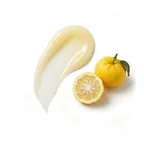 Citrus Junos Fruit Extract
 Sodium Ascorbyl Phosphate
 Tranexamic Acid
 Niacinamide
 Glutathione
Average
- AverageNormal Skin Fit
- AverageEffectiveness
- ExcellentSafety
Works for sensitive skin; other serums fit it better.
This fit is calculated for the concerns frequently associated with sensitive skin: redness, stinging, and reactions to new products. For scores and recommendations based on your full skin profile, including your 12D face scan results and any goals or preferences you have, please use the Lovi app.
Updated How the Fit score works
Lovi Assistant explains
- Offers moderate brightening for your normal skin due to niacinamide and sodium ascorbyl phosphate, which help improve skin tone and provide barrier repair. Panthenol further supports skin hydration and barrier function, making it generally suitable for your skin type.
- While the product offers general skincare benefits like hydration and soothing, it lacks specialized ingredients to directly target your redness and irritation concerns.
- The formulation is safe for your sensitive skin, as it avoids harsh ingredients and includes soothing components like Dipotassium Glycyrrhizate and Beta-Glucan.
How to apply
- Use your serum in the PM routine, starting 3 times a week before building up to daily use if your skin is happy.
- Apply the serum after cleansing and toning, but before putting on your moisturizer for the best results.
- Gently press 2-3 drops of the serum into your skin and wait a minute ⏱ for it to soak in.
- Since your skin is sensitive and easily irritated, apply the serum on completely dry skin to help keep it calm.
- Always do a patch test before your first use and avoid getting the serum too close to your eyes .
People Say
★4.5Overall rating based on 100+ reviewsBased on limited data, this cream is widely appreciated for its fresh citrus scent and unique gel-cream texture containing tiny capsules that melt into the skin, providing immediate hydration and a subtle glow. While many users report a brighter complexion and fading of dark spots over time, those with oily skin often note a sticky finish, and significant pigmentation changes require consistent, long-term use.
Highlights
Pleasant scent Mostly Mentioned
- “fresh citrus scent”
- “smells lovely”
- “heavenly scent”
- “refreshing”
Brightens and glows Often Mentioned
- “brighter complexion”
- “fades pigmentation”
- “glowing skin”
- “lightens skin”
Hydrating texture Often Mentioned
- “good moisture”
- “leaves skin soft”
- “smooth and effective”
- “hydrating”
Gentle on skin Sometimes Noted
- “non-irritating”
- “good for sensitive skin”
- “gentle formula”
- “no breakouts”
Sticky finish Sometimes Noted
- “sticky residue”
- “tacky finish”
- “sticky afterwards”
- “feels sticky”
Not rich enough Rarely Noted
- “not enough for dry skin”
- “needs layering”
- “light moisture”
Oily sensation Rarely Noted
- “little oilier”
- “uncomfortable for oily skin”
- “heavy for oily skin”
Slow results Rarely Noted
- “minimal brightening”
- “needs consistent use”
- “takes time”
- “not instant”
Sources: lovi.care, skinfood.us, pickyw.com, korean-skincare.cs, youtube.com, yesstyle.com, and more
Questions and answers
How well does SKINFOOD Yuja C Cream work for sensitive skin?
This cream is an average fit for sensitive skin because while it provides safe hydration and soothing care, it lacks specialized ingredients to directly target redness and irritation. Treatments that fit sensitive skin better need effective ingredients that soothe redness and irritation while remaining very gentle.
American Journal of Clinical Dermatology, 2002The Journal of Dermatological Treatment, 2017
Which ingredients make this cream a good fit for sensitive skin?
This cream is generally suitable for sensitive skin because it avoids harsh ingredients and includes soothing components like dipotassium glycyrrhizate and beta-glucan. Panthenol and niacinamide further support skin hydration and barrier function, though a product for this skin also needs specialized ingredients to directly target redness and irritation.
The British Journal of Dermatology, 2002American Journal of Clinical Dermatology, 2002
What does Yuzu Fruit Extract do for sensitive skin?
Yuzu fruit extract helps calm sensitive skin by reducing irritation and neutralizing everyday environmental stress. It also provides antioxidants that support a healthy skin barrier and keep skin feeling soft and smooth.
Antioxidants, 2022International Journal of Molecular Sciences, 2024
What does Vitamin C do for sensitive skin?
Vitamin C helps smooth and brighten sensitive skin while protecting it from everyday sun and pollution damage. It is unlikely to cause irritation when used in gentle forms like sodium ascorbyl phosphate, and it may improve firmness and reduce redness over time.
Where does this cream go in a skincare routine for sensitive skin?
This treatment goes in the evening routine after your toner and before your moisturizer. Sensitive skin needs a product of this type that also includes calming ingredients and extra soothing agents to help target redness and irritation.
Can I use this cream with retinol, and in what order?
You can use this treatment alongside retinol by applying the retinol first at night, waiting for it to absorb, and then following with this cream to help keep your skin calm and hydrated. Because your sensitive skin needs extra care for redness and irritation, a product for this skin also needs soothing agents and specialized ingredients that directly target redness.
How often should I use this cream?
This cream is safe for your sensitive skin and may be used in the evening as part of your routine. Sensitive skin needs gentle hydrating and soothing ingredients like beta-glucan, panthenol, and calming plant extracts to keep the skin comfortable without triggering redness.
Can this cream clog pores, cause breakouts or purging for sensitive skin?
This cream is unlikely to clog pores or cause breakouts for sensitive skin, as its formulation avoids heavy, pore-clogging ingredients and includes soothing components like beta-glucan and dipotassium glycyrrhizate. Because it does not contain active cell-turning ingredients like retinoids or strong acids, it will not cause purging. Sensitive skin types dealing with redness or irritation also need dedicated soothing ingredients and calming agents to truly target those concerns.
What the research says
Niacinamide significantly decreased hyperpigmentation and increased skin lightness compared with vehicle alone after 4 weeks of use in women by inhibiting melanosome transfer.
The British Journal of Dermatology, 2002Topical dexpanthenol acts as a moisturizer, improves stratum corneum hydration, accelerates wound healing and epidermal regeneration, reduces erythema, and improves symptoms of skin irritation compared to vehicle or no pretreatment.
American Journal of Clinical Dermatology, 2002A new topical panthenol-containing emollient significantly improved transepidermal water loss reduction, stratum corneum hydration, and intercellular lipid lamellae length compared with control in healthy subjects without negatively impacting bacterial viability.
The Journal of Dermatological Treatment, 2017A topical formulation containing panthenol, niacinamide, and dipotassium glycyrrhizate increased skin hydration by 74.1% and reduced transepidermal water loss by 13.5% at 28 days compared to baseline and untreated control in 35 individuals with xerosis.
Journal of Cosmetic Dermatology, 2026Citrus junos callus extract decreased melanin content in melanocytes 1.85-fold compared with arbutin and promoted the proliferation of and procollagen synthesis by human fibroblasts by 154% and 176% at 500 μg/mL.
Molecules, 2017Yuja-peel fractions (ethyl acetate, hexane, and butanol) inhibited MMP expression, induced moisturizing factors filaggrin and serine palmitoyltransferase, and decreased melanin content in UVB-irradiated HaCaT, HDF, and α-MSH-treated B16F10 cells.
Antioxidants, 2022Upcycled low-molecular-weight anionic peptides from Citrus junos seeds protected UVR-irradiated keratinocytes and reconstructed skin tissue by scavenging reactive oxygen species, reducing paracrine cytokines, inhibiting melanin synthesis and TRP-2 expression, and increasing filaggrin, laminin-5, and type I collagen expression.
International Journal of Molecular Sciences, 2024Topical application of 5% vitamin C cream significantly improved global clinical scores, increased skin microrelief density, and induced elastic tissue repair in photoaged skin compared to excipient control in healthy female volunteers.
Experimental Dermatology, 2003Topical application of VC-IP cream twice daily for 8 weeks reduces periorbital wrinkles in female subjects compared to a placebo cream.
Journal of Cosmetic Dermatology, 2022Topical treatment with 5% vitamin C and 0.1% madecassoside significantly improved clinical scores for wrinkles, suppleness, firmness, roughness, and skin hydration, along with functional and structural remodeling of the elastic fiber network in 20 female volunteers with photoaged skin after 6 months compared to baseline.
Experimental Dermatology, 2008Topical administration of 20% azelaic acid cream and 5% tranexamic acid solution comparably improved acne-related postinflammatory hyperpigmentation in patients with acne vulgaris, while tranexamic acid demonstrated a significantly better safety profile at week 4.
Journal of Research in Medical Sciences, 2023Topical 10% tranexamic acid serum reduced inflammatory acne counts, particularly papules and pustules, and decreased skin redness compared to placebo in 18 patients with mild-to-moderate acne over 8 weeks.
Journal of Cosmetic Dermatology, 2022Topical nicotinamide prevented solar-simulated UV-induced immunosuppression in healthy volunteers, and men experienced immunosuppression at solar-simulated UV doses three times lower than those required for women.
The Journal of Investigative Dermatology, 2008Topical 5% niacinamide applied twice daily for 12 weeks reduced fine lines and wrinkles, hyperpigmented spots, red blotchiness, and skin sallowness, and improved skin elasticity compared to vehicle control in 50 female white subjects with facial photoaging.
Dermatologic Surgery, 2005Topical 2% niacinamide significantly decreased sebum excretion rate in Japanese individuals and casual sebum levels in Caucasian individuals compared to placebo or baseline.
Journal of Cosmetic and Laser Therapy, 2006Glutathione amino acid precursors effectively increase cellular glutathione levels, reducing oxidative stress, ATP depletion, and DNA damage in human keratinocytes, clinical subjects, and ex vivo skin compared to controls.
Journal of the European Academy of Dermatology and Venereology, 2024Topical oxidized glutathione significantly decreases the skin melanin index and improves moisture content, smoothness, wrinkle formation, and elasticity compared to placebo in healthy women.
Clinical, Cosmetic and Investigational Dermatology, 2014Topical glutathione improves hyperpigmentation, reduces ultraviolet-induced erythema and wrinkles, decreases transepidermal water loss, and enhances antioxidant capacity.
The Journal of Clinical and Aesthetic Dermatology, 2025
Why other serums fit sensitive skin better
Topical application of TAT-SOD significantly suppresses UVB-induced erythema formation, blood flow rise, and apoptotic sunburn cell formation in human volunteers compared to a vehicle control.
European Journal of Pharmaceutics and Biopharmaceutics, 2016Topical ferulic acid-containing formulations effectively reduce skin erythema, hyperpigmentation, and signs of aging in adults compared to baseline or alternative conditions.
The Journal of Clinical and Aesthetic Dermatology, 2025
Ingredients
Water, Citrus Junos Fruit Extract, Pentylene Glycol, Isononyl Isononanoate, Caprylic Capric Triglyceride, Niacinamide, Polyglyceryl-6 Stearate, Polydecene, Glyceryl Stearate, Beta-Glucan, Caprylyl Methicone, Propanediol, Cetearyl Alcohol, Jojoba Esters, Cyclohexasiloxane, Acrylates C10-30 Alkyl Acrylate Crosspolymer, Ethylhexyl Palmitate, Tromethamine, Sodium Polyacrylate, Polyglycerin-3, Sodium Ascorbyl Phosphate, Bergamot Oil Fruit, Polyglyceryl-6 Behenate, Panthenol, Dimethicone Vinyl Dimethicone Crosspolymer, Tranexamic Acid, Grapefruit Peel Oil, Butylene Glycol, Guar Gum, Ubiquinone, Tetrasodium Edta, Agar, Juniperus Mexicana Oil, Xanthan Gum, Sodium Hyaluronate, Dipotassium Glycyrrhizate, Tocopherol, Ascorbyl Tetraisopalmitate, Glutathione, Caprylyl Glycol, 1,2-Hexanediol, Ethylhexylglycerin, Limonene, Linalool
Behind this fit score
Lovi calculates every fit score from the full ingredient list with brand-independent rules our dermatologists and cosmetic chemists build and review, and personalizes every pick with AI trained on the real results of millions of users. Lovi trains its fit score models on a proprietary dataset built from more than 10,000 expert-labeled products and more than 100,000 simulated examples, following an internally consistent methodology presented at Cosmoprof, AMWC, and Skin of Color Update.
-

Co-founder, Medical Director
Cosmetic chemist, cosmetologist, aesthetic products developer
-

Co-founder, CEO and CTO
PhD in computer science, 3x US patent holder, ex-Google, ex-Yandex
-

Dr. Sofía Perea Pérez, MD, MSc
Medical Board
Aesthetic medicine practitioner, MSc in Longevity and Anti-Aging Medicine
-

Medical Board
Specialist dermatologist, MBBS, MD, IFAAD
-

Medical Board
Cosmetic chemist, SCS, IFSCC member
-

Medical Board, Medical Advisor
Dermatology MD
-

Elina Nazarenko, MD
Medical Board
Dermatology and diagnostic consultant
-

Victoria Derkova, MS
Medical Board
Cosmetic chemist, cosmetic development technologist


How does it fit your skin?
Scan your face, then any product: Lovi shows how well it fits you and what fits even better.