
Skinbetter Science Even Tone Correcting Serum™ for oily acne-prone skin

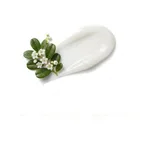 Alpha-Arbutin
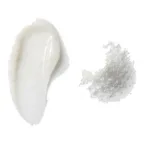 Hexylresorcinol
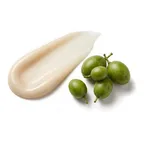 Terminalia Ferdinandiana Fruit Extract
 Hydrolyzed Sodium Hyaluronate
 Ceramide Ng
High
- HighOily Skin Fit
- AverageEffectiveness
- HighSafety
A great choice for oily acne-prone skin; a few serums fit it even better.
This fit is calculated for the concerns frequently associated with oily acne-prone skin: shine, breakouts, blemishes, and enlarged pores. For scores and recommendations based on your full skin profile, including your 12D face scan results and any goals or preferences you have, please use the Lovi app.
Updated How the Fit score works
Lovi Assistant explains
- Offers high suitability for your oily skin, as alpha-arbutin and hexylresorcinol work to regulate melanogenesis and provide antioxidant activity, addressing your concerns with acne, blemishes, and breakouts. Terminalia ferdinandiana fruit extract and diglucosyl gallic acid further support skin tone evening and texture improvement.
- The formulation is highly compatible with oily skin, offering supportive benefits for oiliness or shiny skin.
- The safety profile is excellent, with no risks of irritation for your oily skin due to the absence of prohibited or harsh ingredients.
How to apply
- Could be used as part of your PM routine. Start 3 times a week and build up to daily use if your skin tolerates it well.
- Apply your serum after cleansing and toning, but before putting on your moisturizer.
- Gently press 2 to 3 drops of the serum into your skin and let it absorb for a minute.
- Apply the serum on clean, dry skin to help manage your blemishes safely.
- Do a patch test before your first use and avoid the delicate eye area.
People Say
★4.8Overall rating based on 200+ reviewsUsers find this serum to be a gentle, non-hydroquinone alternative that effectively addresses various forms of discoloration such as brown spots, redness, and yellow undertones. While many report gradual improvements in skin clarity and texture, significant fading of stubborn pigmentation typically requires consistent use over several months.
Highlights
Fades pigmentation Often Mentioned
- “Cheek shadow is about half gone”
- “Old dark spots lightened by 50%”
- “Keeps my brown spots from surfacing.”
Improves tone Often Mentioned
- “Calms visible redness”
- “Skin looks more uniform”
- “Addressed the yellowing in my skin.”
High price point Often Mentioned
- “My poor wallet”
- “Expensive for a small bottle.”
Elegant texture Sometimes Noted
- “Layers seamlessly”
- “Absorbs quickly”
- “Lightweight gel-like serum.”
Gentle and non-irritating Sometimes Noted
- “Didn't sting or burn”
- “Great non-hydroquinone option”
- “Soothing botanical blend.”
Slow to show results Sometimes Noted
- “It works! It's slow”
- “Didn't notice much difference in first week”
- “Takes about 3 months.”
Not moisturizing enough Rarely Noted
- “Less moisturizing than expected”
- “Need to layer hyaluronic acid”
- “Felt a bit dry.”
Packaging issues Rarely Noted
- “Bottle was halfway done quickly”
- “Hard to tell when empty”
- “Pump dispenser issues.”
Sources: lovi.care, lazskincare.com, skinelite.com, dermsilk.com, reddit.com, thedaleydose.com, and more
Questions and answers
What makes skinbetter science Even Tone Correcting Serum a great fit for oily acne-prone skin?
This serum is a great fit because alpha-arbutin and hexylresorcinol help manage blemishes and breakouts while keeping your skin calm and balanced. Its gentle formula works well with oily skin without causing irritation, and helps smooth your skin while evening out your tone.
Which ingredients make this serum a good fit for oily acne-prone skin?
Alpha-arbutin and hexylresorcinol make this serum a great fit by helping to regulate skin pigment and calm blemishes on oily skin. Terminalia ferdinandiana fruit extract and diglucosyl gallic acid further support an even, smooth skin tone.
What does Alpha-Arbutin do for oily acne-prone skin?
Alpha-arbutin is an average fit for oily acne-prone skin because it focuses mainly on fading dark spots and uneven skin tone rather than clearing breakouts. To properly care for oily acne-prone skin, a product of this type needs lightweight hydrators and ingredients that help balance oil and keep pores clear.
What does Hexylresorcinol do for oily acne-prone skin?
Hexylresorcinol helps fade dark spots and uneven areas on oily, acne-prone skin while improving overall brightness. This ingredient is unlikely to cause irritation and is often paired with other brightening and soothing components to support clear, smooth skin.
International Journal of Cosmetic Science, 2022Archives of Dermatological Research, 2023
Where does this serum go in a skincare routine for oily acne-prone skin?
This serum goes in your evening routine after cleansing and toning, and before moisturizing. Putting treatments in the evening helps keep things simple and offers extra safety around sun exposure.
Can I use this serum with retinol, and in what order?
You can use this serum with retinol by applying the treatment after cleansing and before your moisturizer in your evening routine. This helps keep your oily skin smooth while managing breakouts without causing irritation.
How often should I use this serum?
Use this treatment in your evening routine. It is a great fit for your oily, acne-prone skin and helps smooth texture, even out skin tone, and manage blemishes without causing irritation.
Can this serum clog pores, cause breakouts or purging for oily acne-prone skin?
This serum is unlikely to clog pores or cause breakouts on oily acne-prone skin. It has an excellent safety profile and lacks harsh ingredients that typically trigger irritation or congestion in this skin type.
Is this serum fragrance-free and alcohol-free?
Yes, it has no fragrance and no drying alcohol. Cetearyl alcohol is a fatty alcohol, which soften the skin.
What the research says
Diglucosyl gallic acid exhibits stronger tyrosinase inhibition than VC with an IC50 of 2.68 mg/mL, and its application as a cosmetic ingredient improves skin brightness while reducing ultraviolet spots, melanin, and erythema in human volunteers.
International Journal of Cosmetic Science, 2022Encapsulation of alpha arbutin in an optimized ethosomal gel significantly improved skin melanin reduction, moisture content, and elasticity in human volunteers compared to conventional formulations.
Heliyon, 2023A non-hydroquinone topical formulation (SKNB19) improved hyperpigmentation by 28.5% in patient self-assessment and 27% in independent reviewer assessment compared with 4% hydroquinone in 18 adult subjects, while showing significantly less irritation and better tolerability.
Journal of Cosmetic Science, 2020Aziderm cream, Neostrata Pigment Lightening Gel, and an arbutin 5% formulation significantly reduced skin pigmentation in healthy female volunteers compared to untreated controls.
The Journal of Clinical and Aesthetic Dermatology, 2022Arbutin abrogates alpha-MSH-induced hyperpigmentation, inhibits melanin production in B16 cells, and decreases tyrosinase activity.
Archives of Pharmacal Research, 2009A formulation combining 4-hexylresorcinol and niacinamide significantly improved hyperpigmentation, skin tone, fine lines, wrinkles, and firmness compared to niacinamide alone in Chinese subjects without adverse events.
International Journal of Cosmetic Science, 2022Topical 1% hexylresorcinol is equivalent to 2% hydroquinone in significantly reducing the appearance of facial and hand pigmentation in healthy female participants over 12 weeks, with both treatments showing no adverse effects.
Archives of Dermatological Research, 2023A novel triple-active cosmetic formulation containing 4-hexylresorcinol, retinyl propionate, and niacinamide improved the visual appearance of photoageing similarly to 0.02% tretinoin and reversed a consensus gene signature associated with ageing in female adults while causing less skin irritation.
International Journal of Cosmetic Science, 2024Topical application of 0.1% hyaluronic acid formulations of different molecular weights led to significant improvements in skin hydration and elasticity, with low-molecular-weight formulations also significantly reducing wrinkle depth in seventy-six female subjects compared to a vehicle control.
Journal of Drugs in Dermatology, 2011Topical hyaluronic acid serum used twice daily by 40 females with facial photoaging produced an immediate 134% increase in skin hydration, a sustained 55% increase at week 6, and significant improvements in smoothness, plumping, fine lines, wrinkles, and global appearance without causing irritation.
Dermatology and Therapy, 2021A topical antioxidant serum significantly reduced air pollution-induced skin pigmentation and proinflammatory gene expression ex vivo, and improved skin aging signs in 40 healthy adult females after 90 days of daily use.
Journal of Cosmetic Dermatology, 2022Ceramide and niacinamide-containing moisturizer combined with anti-acne treatment significantly improved non-inflammatory, inflammatory, and total acne lesions compared to hydrophilic cream in 40 patients with mild to moderate acne vulgaris after 8 weeks.
Journal of Cosmetic Dermatology, 2024Topical application of a pseudo-ceramide-containing spray improved stratum corneum water content, transepidermal water loss, cell area, and scaling score, and normalized the ceramide profile in patients with dry and sensitive skin compared to a control spray.
Journal of Cosmetic Dermatology, 2025
Ingredients
Water, C13-15 Alkane, Propanediol, Caprylic Capric Triglyceride, Glyceryl Stearate Citrate, Linoleic Acid, Glycerin, Dimethicone, Alpha-Arbutin, Arginine Pca, Hydrolyzed Sodium Hyaluronate, Bisabolol, Cetearyl Alcohol, Acetyl Glycyl Beta-Alanine, Hexylresorcinol, Terminalia Ferdinandiana Fruit Extract, Artemisia Capillaris Flower Extract, Diglucosyl Gallic Acid, Pancratium Maritimum Extract, Ceramide Ng, Linolenic Acid, Beta-Glucan, Algin, Tocopherol, Butylene Glycol, Ethylhexylglycerin, Xanthan Gum, Carbomer, Sodium Phytate, Sodium Hydroxide, Phenoxyethanol, Benzoic Acid, Sorbic Acid, Citric Acid
Behind this fit score
Lovi calculates every fit score from the full ingredient list with brand-independent rules our dermatologists and cosmetic chemists build and review, and personalizes every pick with AI trained on the real results of millions of users. Lovi trains its fit score models on a proprietary dataset built from more than 10,000 expert-labeled products and more than 100,000 simulated examples, following an internally consistent methodology presented at Cosmoprof, AMWC, and Skin of Color Update.
-

Co-founder, Medical Director
Cosmetic chemist, cosmetologist, aesthetic products developer
-

Co-founder, CEO and CTO
PhD in computer science, 3x US patent holder, ex-Google, ex-Yandex
-

Dr. Sofía Perea Pérez, MD, MSc
Medical Board
Aesthetic medicine practitioner, MSc in Longevity and Anti-Aging Medicine
-

Medical Board
Specialist dermatologist, MBBS, MD, IFAAD
-

Medical Board
Cosmetic chemist, SCS, IFSCC member
-

Medical Board, Medical Advisor
Dermatology MD
-

Elina Nazarenko, MD
Medical Board
Dermatology and diagnostic consultant
-

Victoria Derkova, MS
Medical Board
Cosmetic chemist, cosmetic development technologist


How does it fit your skin?
Scan your face, then any product: Lovi shows how well it fits you and what fits even better.