
Shiseido Vital Perfection Intensive WrinkleSpot Treatment for skin with dark spots

 Retinol
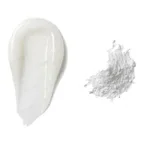 4msk
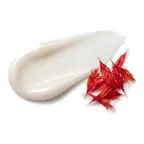 Kurenai-Trulift Complex
 Reneura Technology
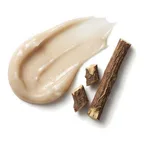 Glycyrrhiza Glabra Root Extract Licorice Root Extract
Average
- AverageNormal Skin Fit
- AverageEffectiveness
- HighSafety
Works for skin with dark spots; other serums fit it better.
This fit is calculated for the concerns frequently associated with dark spots: hyperpigmentation, sun spots, and uneven skin tone. For scores and recommendations based on your full skin profile, including your 12D face scan results and any goals or preferences you have, please use the Lovi app.
Updated How the Fit score works
Lovi Assistant explains
- Offers moderate suitability for normal skin, as glycerin provides hydration and retinol targets fine lines and wrinkles, though it does not directly address your primary concern of pigmentation.
- The inclusion of potassium methoxysalicylate offers some benefit for pigmentation, but its concentration may not be sufficient for significant improvement.
- The product is safe for your normal skin, with soothing ingredients like Rosa Damascena Flower Water and Lavandula Angustifolia Oil Lavender Oil mitigating potential irritation.
Buy online

Prices checked 20 Nov 2026
The Lovi Fit is the same in every country; only the stores and prices differ, and the ones here are for Europe.
How to apply
- Apply this serum as part of your PM routine starting 3x/week and build up to daily use if your skin likes it.
- Place the serum after cleansing and toning, but before your moisturizer.
- Gently press 2-3 drops of the serum into your skin and wait a minute for it to absorb.
- Apply the serum on dry skin to help fade pigmentation effectively.
- Avoid the eye area and always use SPF 30+ during the day.
People Say
★4.4Overall rating based on 1.1k+ reviewsBased on a very large amount of data, users with mature or aging skin frequently report that this treatment visibly softens deep wrinkles and fades dark spots. Many users also note improvements in skin firmness and appreciate the effective targeted application. Some users with sensitive skin experience dryness or irritation, and a low number find the texture heavy or the product ineffective for their needs.
Highlights
Reduces wrinkles Mostly Mentioned
- “Wrinkles are vanishing”
- “crows feet softer”
- “forehead softened”
Fades dark spots Often Mentioned
- “Dark spots nearly disappeared”
- “lighten sun spots”
- “fades pigmentation”
Improves firmness Sometimes Noted
- “Skin glows”
- “firmer look”
- “plumpness in 4 weeks”
Targeted application Sometimes Noted
- “Easy to apply”
- “precision treatment”
- “clings to where placed”
Causes dryness Sometimes Noted
- “Dried my skin out”
- “needs moisturizer”
- “flaky skin”
High price Sometimes Noted
- “Certainly isn't cheap”
- “luxury tool”
- “expensive for size”
Irritates skin Sometimes Noted
- “Made me very red”
- “risky for sensitive skin”
- “caused irritation”
Heavy texture Rarely Noted
- “Left skin greasy”
- “too heavy”
- “takes time to sink in”
Sources: lovi.care, shiseido.com, sephora.sg, spacenk.com, dermapproved.com, getskinbliss.com, and more
Questions and answers
How well does Shiseido Intensive WrinkleSpot Treatment work for skin with dark spots?
This treatment works moderately well for skin with dark spots, as it contains retinol and 4msk to help fade dark areas, though other products fit this skin better. Treatments that fit this skin well need a blend of effective antioxidants and soothing ingredients that provide significant benefits for pigmentation concerns without any risk of irritation.
Journal of Cosmetic Dermatology, 2025Journal of Cosmetic Dermatology, 2016
Which ingredients make this cream a good fit for skin with dark spots?
Retinol and potassium methoxysalicylate help target dark spots and smooth the skin. A dark spot treatment needs strong antioxidants and targeted brightening ingredients, alongside soothing components that clear pigmentation without causing irritation.
Journal of Cosmetic Dermatology, 2025Journal of Cosmetic Dermatology, 2016
What does Retinol do for skin with dark spots?
Retinol helps fade dark spots and uneven skin tone by encouraging cell turnover. Products of this type need soothing and hydrating ingredients to keep dry or sensitive skin calm during the process.
Skin Pharmacology and Physiology, 2020Journal of Drugs in Dermatology, 2016
What does 4-Methoxy potassium salicylate do for skin with dark spots?
Potassium 4-methoxysalicylate helps fade dark spots and uneven tone by reducing excess melanin production and supporting healthy surface skin renewal. It is unlikely to cause irritation and works to gradually increase overall brightness in pigmented areas.
Where does this cream go in a skincare routine for skin with dark spots?
This treatment goes in the evening routine after cleansing and before moisturizing. Skin with dark spots needs products featuring potent brightening ingredients and dedicated dark spot correctors to effectively fade discoloration.
Can I use this cream with vitamin C, and in what order?
Use vitamin C and this treatment apart: in different sessions of the same day or on different days. Combining active ingredients like retinol and vitamin C in the same routine may increase the likelihood of skin irritation, so separating them helps keep your skin calm and comfortable.
How often should I use this cream?
This treatment is used in the evening routine. Treatments with active ingredients are placed at night for simplicity and extra safety around sun exposure, though some may also be used in the morning or twice a day.
Can this cream clog pores, cause breakouts or purging for skin with dark spots?
This cream contains ingredients like petrolatum and heavy oils that may clog pores or cause breakouts for some users, and the retinol inside may also trigger skin purging as it speeds up skin renewal. To better tackle dark spots without heavy oils, skin with dark spots typically needs lightweight treatments packed with targeted brightening ingredients like vitamin C, niacinamide, or alpha arbutin.
What the research says
Topical application of retinol and retinoic acid both increased epidermal thickness and upregulated collagen genes and proteins in human skin, with retinol producing similar histological and molecular changes to retinoic acid alongside a significant reduction in facial wrinkles after 12 weeks.
Journal of Cosmetic Dermatology, 2016Topical bakuchiol 0.5% applied twice daily compared with retinol 0.5% applied daily significantly decreased wrinkle surface area and hyperpigmentation with no statistical difference between the compounds in 44 patients over 12 weeks, while retinol users reported more facial skin scaling and stinging.
The British Journal of Dermatology, 2019Potassium 4-methoxysalicylate (4MSK) suppresses melanin content, promotes keratinocyte differentiation, increases skin lightness in pigmented and non-pigmented cheek areas, and reduces the desquamation area ratio.
Journal of Cosmetic Dermatology, 2025Lavandula angustifolia leaf callus extract enhanced skin cell viability, reduced oxidative stress and melanin content, improved wound healing, and enhanced skin barrier function in human skin cells and clinical tests.
Free Radical Biology & Medicine, 2025Topical 0.3% and 1% retinol comparably improved biomarkers of cutaneous photoageing in photoaged volunteers, while 0.3% retinol demonstrated better tolerance with fewer and milder adverse events compared to 1% retinol in a daily escalation regimen.
International Journal of Cosmetic Science, 2022Daily application of 0.3% and 0.5% retinol serums in 37 volunteers over 12 weeks reduced skin hyperpigmentation, unevenness, and wrinkles on both sides of the face, with the 0.5% concentration causing more frequent and intense skin irritation.
Skin Pharmacology and Physiology, 2020Topical application of 0.1% retinol induced CRABP2 and HBEGF gene expression, increased keratinocyte proliferation and epidermal thickness ex vivo, and improved major skin aging signs without significant adverse reactions in 48 volunteers compared to placebo.
Skin Pharmacology and Physiology, 2009An in situ hydrated ionic liquid-like state strategy using potassium 4-methoxysalicylate and arginine hydrochloride increased human skin permeation to 237% of control and reduced melanin content by 33% in a reconstructed human epidermis model.
International Journal of Pharmaceutics, 2026Microneedle patches coloaded with 4-MSK and Chlamydomonas reinhardtii significantly reduce epidermal thickness and melanin production in rat animal models through free radical scavenging and tyrosinase inhibition.
ACS Applied Materials & Interfaces, 2025Plant extracts from Gomphrena globasa L., Clitoria ternatea L., Carthamus tinctorius L., Punica granatum L., and Papaver rhoeas L. demonstrated no cytotoxicity, high antioxidant potential, strong collagenase inhibition, moderate elastase inhibition, effective skin hydration, and varying suitability as stable cosmetic dyes when tested on keratinocyte and fibroblast cell lines and incorporated into face cream formulations.
Molecules, 2021Solid lipid nanoparticle-loaded polymeric hydrogels containing safflower bioactive compounds encapsulated >80% of quercetin and luteolin, increased their skin retention and penetrability up to 19-fold, showed no hemolytic toxicity below 500 μg/mL, and provided an SPF value above 15.
Langmuir, 2023Water extracts of Papaver rhoeas L., Punica granatum L., Clitoria ternatea L., Carthamus tinctorius L., and Gomphrena globosa L. showed no cytotoxicity on skin cells while exhibiting antioxidant, anti-inflammatory, and enzyme-inhibiting properties, with P. rhoeas, C. ternatea, and C. tinctorius demonstrating strong permanent coloring ability in cosmetic products.
Molecules, 2022Combining 755 nm alexandrite laser with topical licorice gel significantly reduces terminal hair counts compared to alexandrite laser with placebo in women with idiopathic hirsutism.
Evidence-based Complementary and Alternative Medicine, 2015Licochalcone A activated Nrf2 signaling, elevated cytoprotective enzymes, increased the reduced-to-oxidized glutathione ratio, and decreased reactive oxygen species in human fibroblasts and neutrophils, while a LicA-rich licorice extract lowered UVA-induced oxidative processes in vivo.
Experimental Dermatology, 2015Mesoporous silica nanoparticles entrapping licorice polysaccharide and coated with polydopamine showed 76% entrapment efficiency, 89% in vitro release at pH 5, increased sebocytes' cellular uptake, and mediated inflammatory response by inhibiting pro-inflammatory cytokines and regulating anti-inflammatory cytokines.
Carbohydrate Polymers, 2024
Why other serums fit skin with dark spots better
Niacinamide significantly decreased hyperpigmentation and increased skin lightness compared with vehicle alone after 4 weeks of use in women by inhibiting melanosome transfer.
The British Journal of Dermatology, 2002Treatment with 14% ferulic acid and 12% l-ascorbic acid significantly reduced pigmentation and erythema while improving hydration and elasticity in 20 women with photoaged skin, with neither acid proving definitively more effective overall though ascorbic acid showed slightly greater skin lightening.
Dermatologic Therapy, 2022Daily application of a serum containing tetrahexyldecyl ascorbate and acetyl zingerone significantly decreased skin pigmentation, fine lines, wrinkles, and transepidermal water loss while increasing smoothness, firmness, and elasticity in 35 healthy individuals compared to baseline over 12 weeks.
Journal of Cosmetic Dermatology, 2024
Ingredients
Water, Pentaerythrityl Tetraethylhexanoate, Dipropylene Glycol, Hydrogenated Polydecene, Glycerin, Betaine, Behenyl Alcohol, Dimethicone, Potassium Methoxysalicylate, Petrolatum, Hydrogenated Palm Oil, Stearyl Alcohol, Maltitol, Beheneth-20, Palm Kernel Oil, Phenoxyethanol, Butylene Glycol, Palm Oil, Carnauba Wax Cera Copernicia Cerifera Cire De Carnauba Wax Cera, Hydrogenated Polyisobutene, Polyvinyl Alcohol, Microcrystalline Wax Cera Microcristallina Cire Microcristalline Wax Cera, Parfum, Carbomer, Tocopheryl Acetate, Rosa Damascena Flower Water, Xanthan Gum, Bht, Retinol, Polysorbate 20, Alcohol, Caffeine, Potassium Hydroxide, Lavandula Angustifolia Oil Lavender Oil, Trisodium Edta, Ppg-3 Dipivalate, Limonene, Tocopherol, Hexyl Cinnamal, Linalool, Glycyrrhiza Glabra Root Extract Licorice Root Extract, Citronellol, Angelica Acutiloba Root Extract, Angelica Keiskei Stem Extract Leaf, Olea Europaea Leaf Extract Olive Leaf Extract, Sanguisorba Officinalis Root Extract, Lamium Album Stem Extract Flower Leaf, Camellia Sinensis Leaf Extract, Inositol, Carthamus Tinctorius Flower Extract, Pinus Sylvestris Cone Extract, Ziziphus Jujuba Fruit Extract, Retinyl Acetate, Helianthus Annuus Seed Oil Sunflower Seed Oil, Rosmarinus Officinalis Leaf Extract Rosemary Leaf Extract, Cellulose, Beta-Carotene, Cinnamomum Cassia Bark Extract, Citric Acid, Bupleurum Falcatum Root Extract
Behind this fit score
Lovi calculates every fit score from the full ingredient list with brand-independent rules our dermatologists and cosmetic chemists build and review, and personalizes every pick with AI trained on the real results of millions of users. Lovi trains its fit score models on a proprietary dataset built from more than 10,000 expert-labeled products and more than 100,000 simulated examples, following an internally consistent methodology presented at Cosmoprof, AMWC, and Skin of Color Update.
-

Co-founder, Medical Director
Cosmetic chemist, cosmetologist, aesthetic products developer
-

Co-founder, CEO and CTO
PhD in computer science, 3x US patent holder, ex-Google, ex-Yandex
-

Dr. Sofía Perea Pérez, MD, MSc
Medical Board
Aesthetic medicine practitioner, MSc in Longevity and Anti-Aging Medicine
-

Medical Board
Specialist dermatologist, MBBS, MD, IFAAD
-

Medical Board
Cosmetic chemist, SCS, IFSCC member
-

Medical Board, Medical Advisor
Dermatology MD
-

Elina Nazarenko, MD
Medical Board
Dermatology and diagnostic consultant
-

Victoria Derkova, MS
Medical Board
Cosmetic chemist, cosmetic development technologist


How does it fit your skin?
Scan your face, then any product: Lovi shows how well it fits you and what fits even better.