
Sesderma Azelac RU Serum for skin with dark spots

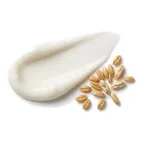 Liposomal Azelaic Acid
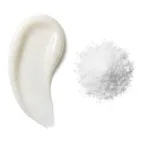 4-Butylresorcinol
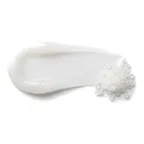 Tranexamic Acid
 Niacinamide
 Retinol
High
- HighNormal Skin Fit
- HighEffectiveness
- HighSafety
A great choice for skin with dark spots; a few serums fit it even better.
This fit is calculated for the concerns frequently associated with dark spots: hyperpigmentation, sun spots, and uneven skin tone. For scores and recommendations based on your full skin profile, including your 12D face scan results and any goals or preferences you have, please use the Lovi app.
Updated How the Fit score works
Lovi Assistant explains
- Highly suitable for your normal skin, this serum effectively targets pigmentation with 4-butylresorcinol and azelaic acid, which inhibit melanin production and promote cell turnover.
- Retinol and niacinamide further enhance skin tone and texture, offering mild exfoliation and supporting overall skin health.
- The formula is safe for your skin, containing no harsh ingredients and posing no risk of irritation.
Buy online

Prices checked 20 Nov 2026
The Lovi Fit is the same in every country; only the stores and prices differ, and the ones here are for Europe.
How to apply
- Apply this serum as part of your PM routine starting 3x/week and build up to daily use if your skin likes it.
- Place the serum after cleansing and toning, but before your moisturizer.
- Gently press 2-3 drops of the serum into your skin and wait a minute for it to absorb.
- Apply the serum on dry skin to help fade pigmentation effectively.
- Avoid the eye area and always use SPF 30+ during the day.
People Say
★4.4Overall rating based on 300+ reviewsUsers report this serum effectively brightens the complexion and fades post-acne marks and sunspots, often showing visible results within a few weeks. It is praised for its lightweight texture and ability to control mild acne, though some users note it requires patience for older, deeper pigmentation and can be slightly drying.
Highlights
Fades dark spots Mostly Mentioned
- “faded my post-acne marks”
- “removed stains from my face”
- “huge difference in pigmentation”
- “sunspots were barely there”
Brightens skin tone Often Mentioned
- “skin looked brighter”
- “leaves skin really glowy”
- “face acquires a natural glow”
- “less dull”
Lightweight texture Often Mentioned
- “absorbs fast”
- “not at all oily”
- “feels luxe going on”
- “non-greasy formula”
High price Often Mentioned
- “it is expensive”
- “pricey”
- “not very accessible”
- “worth it but expensive”
Controls acne Sometimes Noted
- “kept breakouts at bay”
- “smaller pimples heal faster”
- “anti-bacterial properties”
- “no big breakouts”
Gentle on skin Sometimes Noted
- “suitable for sensitive skin”
- “no irritation”
- “gentle formulation”
- “tolerates this depigmenting treatment”
Slow results Sometimes Noted
- “not gonna erase years-old pigmentation in a month”
- “hoped for more dramatic fading”
- “oldest PIH is still there”
Drying effect Rarely Noted
- “can dry you out”
- “cheeks felt tight”
- “need to moisturize to avoid dryness”
Sticky finish Rarely Noted
- “feels a little bit sticky at first”
- “slight tacky feel”
- “sticky texture”
Sources: lovi.care, influenster.com, flipkart.com, notino.ie, lyskin.com, perfumesclub.co.uk, and more
Questions and answers
What makes Sesderma Azelac RU a great fit for skin with dark spots?
Sesderma Azelac RU Serum is a great fit for skin with dark spots because its 4-butylresorcinol and azelaic acid effectively target pigmentation by slowing down melanin production and boosting cell turnover. Ingredients like retinol and niacinamide also help improve skin tone and texture while supporting overall skin health. The formula is safe for your skin, containing no harsh ingredients and posing no risk of irritation.
Which ingredients make this serum a good fit for skin with dark spots?
This serum is a great fit for skin with dark spots because it includes 4-Butylresorcinol and Liposomal Azelaic Acid, which target pigmentation and slow down melanin production. Ingredients like Niacinamide and Retinol further help fade dark spots while smoothing out your skin tone and texture safely.
What does 4-Butylresorcinol do for skin with dark spots?
4-Butylresorcinol helps fade dark spots and uneven areas by slowing down the pigment production in your skin. Using it twice daily for eight weeks is shown to significantly reduce dark patches and age spots without causing adverse reactions.
Where does this serum go in a skincare routine for skin with dark spots?
This serum goes in the evening routine after cleansing and toning, helping to fade dark spots safely.
Can I use this serum with AHA, and in what order?
You can use this serum with AHAs, but it is best to apply them at different times or alternate days to keep your skin calm, because combining strong exfoliating ingredients may lead to extra dryness or irritation.
How often should I use this serum?
Use this serum in your evening routine, applying it after cleansing and before your moisturizer. You can start by using it once a week and gradually increase frequency as your skin adjusts well to it.
Can this serum clog pores, cause breakouts or purging for skin with dark spots?
This serum is unlikely to clog pores or cause breakouts for skin with dark spots because its formula is safe and poses no risk of irritation. The included retinol and niacinamide help promote gentle cell turnover and support overall skin health without heavy or pore-clogging ingredients.
Is this serum fragrance-free and alcohol-free?
It contains fragrance (parfum) and drying alcohol (alcohol).
What the research says
Niacinamide significantly decreased hyperpigmentation and increased skin lightness compared with vehicle alone after 4 weeks of use in women by inhibiting melanosome transfer.
The British Journal of Dermatology, 2002Topical bakuchiol 0.5% applied twice daily compared with retinol 0.5% applied daily significantly decreased wrinkle surface area and hyperpigmentation with no statistical difference between the compounds in 44 patients over 12 weeks, while retinol users reported more facial skin scaling and stinging.
The British Journal of Dermatology, 2019Azelaic acid nanocrystal hydrogel 10% achieved a higher success rate and greater lesion reduction than azelaic acid cream 20% in patients with mild to moderate facial acne.
Pharmaceutics, 2021Application of 15% azelaic acid gel significantly reduced post-inflammatory erythema and hyperpigmentation, decreased hemoglobin and melanin content, improved quality of life, and contributed to acne improvement in patients with mild to moderate acne compared to placebo.
Dermatology and Therapy, 2024Topical application of a dermocosmetic containing Myrtus communis extract and azelaic acid reduced acne relapses and helped maintain remission compared to a light moisturizing cream in adult females in the acne maintenance phase over 16 weeks.
Journal of the European Academy of Dermatology and Venereology, 20234-n-butylresorcinol inhibits human tyrosinase and melanin production more potently than hydroquinone, arbutin, and kojic acid, and visibly reduces age spots within 8 weeks.
Journal of the European Academy of Dermatology and Venereology, 2013Combined application of dissolving microneedle patches on serum-treated skin successfully delivered more 4-n-butylresorcinol and showed higher efficacy in reducing patients' melanin index and hyperpigmented regions compared to traditional DMN-only and serum-only applications.
Molecular Pharmaceutics, 2017A depigmenting gel serum reduced melanin production in vitro and decreased brown spots, melanin index, and mMASI while increasing skin luminosity in 35 subjects with facial hyperpigmentation over 84 days.
Journal of Cosmetic Dermatology, 2024Topical administration of 20% azelaic acid cream and 5% tranexamic acid solution comparably improved acne-related postinflammatory hyperpigmentation in patients with acne vulgaris, while tranexamic acid demonstrated a significantly better safety profile at week 4.
Journal of Research in Medical Sciences, 2023Topical 10% tranexamic acid serum reduced inflammatory acne counts, particularly papules and pustules, and decreased skin redness compared to placebo in 18 patients with mild-to-moderate acne over 8 weeks.
Journal of Cosmetic Dermatology, 2022Topical nicotinamide prevented solar-simulated UV-induced immunosuppression in healthy volunteers, and men experienced immunosuppression at solar-simulated UV doses three times lower than those required for women.
The Journal of Investigative Dermatology, 2008Topical 5% niacinamide applied twice daily for 12 weeks reduced fine lines and wrinkles, hyperpigmented spots, red blotchiness, and skin sallowness, and improved skin elasticity compared to vehicle control in 50 female white subjects with facial photoaging.
Dermatologic Surgery, 2005Topical 2% niacinamide significantly decreased sebum excretion rate in Japanese individuals and casual sebum levels in Caucasian individuals compared to placebo or baseline.
Journal of Cosmetic and Laser Therapy, 2006Topical 0.3% and 1% retinol comparably improved biomarkers of cutaneous photoageing in photoaged volunteers, while 0.3% retinol demonstrated better tolerance with fewer and milder adverse events compared to 1% retinol in a daily escalation regimen.
International Journal of Cosmetic Science, 2022Daily application of 0.3% and 0.5% retinol serums in 37 volunteers over 12 weeks reduced skin hyperpigmentation, unevenness, and wrinkles on both sides of the face, with the 0.5% concentration causing more frequent and intense skin irritation.
Skin Pharmacology and Physiology, 2020Topical application of 0.1% retinol induced CRABP2 and HBEGF gene expression, increased keratinocyte proliferation and epidermal thickness ex vivo, and improved major skin aging signs without significant adverse reactions in 48 volunteers compared to placebo.
Skin Pharmacology and Physiology, 2009
Ingredients
Water, Propylene Glycol, Alcohol, Peg Ppg-20 6 Dimethicone, Polymethyl Methacrylate, Peg-40 Hydrogenated Castor Oil, 4-Butylresorcinol, Azelaic Acid, Retinol, Ascorbyl Glucoside, Niacin, Undecylenoyl Phenylalanine, Glycyrrhetinic Acid, Diacetyl Boldine, Citronellyl Methylcrotonate, Sodium Oxalate, Parfum, Carbomer, Xanthan Gum, Tocopheryl Acetate, Polysorbate 20, Bht, Ethylhexylglycerin, Sodium Hydroxide, Caprylic Capric Triglyceride, Sodium Chloride, Bha, Hydrochloric Acid
Behind this fit score
Lovi calculates every fit score from the full ingredient list with brand-independent rules our dermatologists and cosmetic chemists build and review, and personalizes every pick with AI trained on the real results of millions of users. Lovi trains its fit score models on a proprietary dataset built from more than 10,000 expert-labeled products and more than 100,000 simulated examples, following an internally consistent methodology presented at Cosmoprof, AMWC, and Skin of Color Update.
-

Co-founder, Medical Director
Cosmetic chemist, cosmetologist, aesthetic products developer
-

Co-founder, CEO and CTO
PhD in computer science, 3x US patent holder, ex-Google, ex-Yandex
-

Dr. Sofía Perea Pérez, MD, MSc
Medical Board
Aesthetic medicine practitioner, MSc in Longevity and Anti-Aging Medicine
-

Medical Board
Specialist dermatologist, MBBS, MD, IFAAD
-

Medical Board
Cosmetic chemist, SCS, IFSCC member
-

Medical Board, Medical Advisor
Dermatology MD
-

Elina Nazarenko, MD
Medical Board
Dermatology and diagnostic consultant
-

Victoria Derkova, MS
Medical Board
Cosmetic chemist, cosmetic development technologist


How does it fit your skin?
Scan your face, then any product: Lovi shows how well it fits you and what fits even better.