
RNW Der. Clear AHA BHA PHA Peeling Mask for sensitive skin

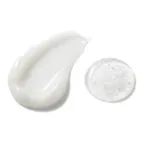 Gluconolactone
 Lactic Acid
 Glycolic Acid
 Salicylic Acid
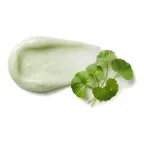 Centella Asiatica Extract
Average
- AverageNormal Skin Fit
- AverageEffectiveness
- HighSafety
Works for sensitive skin; other cleansing masks fit it better.
This fit is calculated for the concerns frequently associated with sensitive skin: redness, stinging, and reactions to new products. For scores and recommendations based on your full skin profile, including your 12D face scan results and any goals or preferences you have, please use the Lovi app.
Updated How the Fit score works
Lovi Assistant explains
- Offers moderate exfoliation for your normal skin with sensitivity due to gluconolactone, lactic acid, glycolic acid, and salicylic acid, which help decongest pores but may not directly address your redness and irritation.
- Camellia japonica seed oil and jojoba seed oil provide some nourishment, but the formula lacks sufficient hydrating ingredients for optimal results on your skin type.
- The product is safe for your normal skin with sensitivity, as it does not contain prohibited or harsh ingredients that would cause irritation.
How to apply
- Use this cleansing mask once a week as part of your weekly routine, starting slowly to see how your skin reacts.
- Apply this product after cleansing and enzyme powder, and before your hydrating toner and moisturizer.
- Smooth an even layer of the cleansing mask over your face, making sure to gently avoid rubbing.
- Put the mask on clean and dry skin to keep your sensitive face calm and comfortable.
- Do a patch test before your first use and avoid getting the mask too close to your eyes.
People Say
★4.2Overall rating based on 100+ reviewsBased on limited data, users find this exfoliating mask to be gentle and effective at smoothing skin texture and clearing pores without causing dryness. It is particularly well-received by those with sensitive skin. Some users, however, find it too mild for significant skin concerns or are confused by the 'peeling' name as it is a wash-off product.
Highlights
Gentle exfoliation Mostly Mentioned
- “Super effective product with gentle exfoliation”
- “Tolerate it well despite sensitive skin”
- “Does not burn, goes on smoothly.”
Smooths skin Often Mentioned
- “Makes my skin smooth”
- “Skin feels fresh and clean”
- “Leaves skin shiny and luminous.”
Clears pores Sometimes Noted
- “Helped clear up my large pores”
- “Reduces appearance of blackheads”
- “Softens sebum especially on my nose.”
Non-drying Sometimes Noted
- “Keeps skin hydrated without tightness”
- “Leaves skin moisturized”
- “Does not get dry and flaky.”
Jar packaging Sometimes Noted
- “My only problem is the dang jar”
- “I don't like the jar”
- “Prefer a tube for hygiene.”
Too gentle Sometimes Noted
- “Nothing in this I would call exfoliating”
- “Barely any sebum came out”
- “No better than any other cheap mask.”
Misleading name Rarely Noted
- “Thought I would have to peel it off”
- “It's simply a smooth clear mask”
- “Why is it called a peeling mask?”
Stinging sensation Rarely Noted
- “Stings pretty bad”
- “Irritating my skin badly”
- “Painful around mouth and chin.”
Sources: lovi.care, amazon.com, yesstyle.com, woot.com, lyko.com, ubuy.com.bo, and more
Questions and answers
How well does RNW AHA BHA PHA Peeling Mask work for sensitive skin?
This mask works for sensitive skin by clearing pores with acids, though it may not help with redness and needs more soothing plant extracts and heavy moisture to truly calm this skin.
Journal of Ethnopharmacology, 2007The British Journal of Dermatology, 1997
Which ingredients make this exfoliating mask a good fit for sensitive skin?
The mild exfoliating acids and soothing plant extracts in this mask help decongest pores and keep your skin safe without causing harsh irritation. To truly thrive on sensitive skin, a product of this type needs extra soothing and hydrating ingredients to calm redness and keep the skin barrier comfortable.
The British Journal of Dermatology, 1997Clinical, Cosmetic and Investigational Dermatology, 2019
What does Gluconolactone do for sensitive skin?
Gluconolactone helps smooth, hydrate, and calm sensitive skin while strengthening the moisture barrier and reducing redness. It is very well tolerated by sensitive skin types and is unlikely to cause irritation compared to traditional exfoliating acids.
What does Lactic Acid do for sensitive skin?
Lactic acid helps sensitive skin by improving hydration and smoothing fine lines when used in gentle formulations. It may boost ceramide levels and support the skin barrier, though higher concentrations can sometimes cause tingling or irritation.
Archives of Dermatological Research, 2018Archives of Dermatological Research, 1996
Where does this exfoliating mask go in a skincare routine for sensitive skin?
This exfoliating mask is used once a week as part of an evening routine. Sensitive skin needs a gentle exfoliating mask with soothing plant extracts and extra hydration to keep the skin calm and smooth.
Can I use this exfoliating mask with retinol, and in what order?
You should use this exfoliating mask on a separate night from your retinol treatment to prevent excess redness and peeling. Sensitive skin needs a gentle routine focused on calming ingredients and deep hydration rather than strong acids and scrubs.
How often should I use this exfoliating mask?
Start using this exfoliating mask once a week, and if your sensitive skin tolerates it well and shows good results, you can carefully use it more often. A product for this skin needs gentle exfoliating acids, soothing extracts to calm irritation, and rich hydrating ingredients to keep the skin comfortable.
Can this exfoliating mask clog pores, cause breakouts or purging for sensitive skin?
This exfoliating mask is unlikely to clog pores or cause breakouts because it contains acids that help clear out congestion, but sensitive skin needs a formula with extra soothing and hydrating ingredients to stay calm and comfortable.
Clinical, Cosmetic and Investigational Dermatology, 2019Journal of Ethnopharmacology, 2007
Is this exfoliating mask fragrance-free and alcohol-free?
It has no fragrance and contains drying alcohol (alcohol denat).
What the research says
Glycolic acid, salicylic acid, gluconolactone, and licochalcone A combined with 0.1% adapalene showed no hindrance compared to adapalene monotherapy and provided benefits in reducing complications in 25 subjects with mild-to-moderate acne vulgaris.
Clinical, Cosmetic and Investigational Dermatology, 2019A moisturizer containing licochalcone A, 1,2-decanediol, L-carnitine, and salicylic acid significantly reduced noninflammatory, inflammatory, and total acne lesion counts compared to a vehicle control in Thai patients during a 12-week maintenance phase.
BioMed Research International, 2020Camellia japonica oil activated the human COL1A2 promoter, induced type I procollagen synthesis, inhibited matrix metalloproteinase-1 activity, and reduced trans-epidermal water loss without inducing adverse reactions in human skin.
Journal of Ethnopharmacology, 2007Gluconolactone and tartaric acid significantly lower transepidermal water loss and erythema after sodium lauryl sulphate challenge compared to vehicle, untreated control, and glycolic acid in healthy subjects.
The British Journal of Dermatology, 1997Topical application of jojoba wax reduced LPS-induced secretion of IL-6, IL-8, and TNFα by approximately 30% and increased the synthesis of pro-collagen III and hyaluronic acid compared to untreated skin in an ex-vivo human skin organ culture model.
Frontiers in Pharmacology, 2024Gluconolactone 14% solution significantly improved mild to moderate acne by reducing inflamed and non-inflamed lesions similarly to 5% benzoyl peroxide, but with fewer side-effects in 150 patients.
The Australasian Journal of Dermatology, 1992Combining 10% gluconolactone chemical peeling with oxybrasion or microneedle mesotherapy increased skin hydration and decreased sebum, pH, and TEWL in twenty-one Caucasian women, with no significant differences between the two methods.
Skin Research and Technology, 2023Gluconolactone treatment significantly increased facial skin hydration in 16 healthy women, with no significant differences between 10% and 30% solutions.
Skin Research and Technology, 2021Application of a cream containing lactic acid 12% and pramoxine HCl 1% significantly improved skin dryness, hydration, and itch compared with a nontreated control in 24 women with a history of dry itchy skin.
Cutis, 2004A lactic acid/ceramide lotion significantly improved skin moisturization and desquamation compared to no treatment in women with dry, rough skin on the anterior shins.
The Journal of Clinical and Aesthetic Dermatology, 2020Treatment with 12% lactic acid increased epidermal and dermal firmness and thickness and improved skin smoothness and wrinkles compared to baseline, whereas 5% lactic acid induced clinical and epidermal changes without dermal changes.
Journal of the American Academy of Dermatology, 1996Serial glycolic acid peels combined with a modified Kligman formula significantly reduced facial PIH severity in Indian patients compared to the modified Kligman formula alone.
Dermatologic Surgery, 2017Short contact therapy with a tretinoin, clindamycin, and glycolic acid gel significantly improved skin tolerability and reduced acne severity scores compared to standard application therapy in patients with mild-to-moderate acne.
Dermatologic Therapy, 2021Treatment with 2% supramolecular salicylic acid hydrogel resulted in a regression and markedly improvement rate of 51.01% compared to 43.10% for Adapaline gel in patients with mild to moderate facial acne vulgaris, showing no significant difference in efficacy.
Journal of Cosmetic Dermatology, 2024Topical 5% benzoyl peroxide plus salicylic acid achieved the greatest lesion reduction at early 2 to 4 week time points compared to benzoyl peroxide, clindamycin, and combination benzoyl peroxide/clindamycin, while 5% benzoyl peroxide plus salicylic acid and combination benzoyl peroxide/clindamycin showed similar efficacy at 10 to 12 weeks in acne patients.
Journal of the American Academy of Dermatology, 2010Post-peel application of either topical tretinoin (0.25%) or retinol (0.25%) after a 30% salicylic acid peel effectively improves signs of photodamage compared to baseline in female subjects, with tretinoin performing slightly better than retinol in texture, roughness, and overall appearance at week 4.
Journal of Drugs in Dermatology, 2016A single application of a moisturizing fluid containing hyaluronic acid 1%, glycerin 5%, and Centella asiatica stem cells extract significantly increased skin hydration by 29% and reduced transepidermal water loss at 24 hours compared to baseline and an untreated control site in twenty healthy women.
Clinical, Cosmetic and Investigational Dermatology, 2017Topical treatment with 5% vitamin C and 0.1% madecassoside significantly improved clinical scores for wrinkles, suppleness, firmness, roughness, and skin hydration, along with functional and structural remodeling of the elastic fiber network in 20 female volunteers with photoaged skin after 6 months compared to baseline.
Experimental Dermatology, 2008Treatment with an asiaticoside-containing cream applied twice daily for 12 weeks significantly improved periorbital wrinkles in 65% of 27 female volunteers compared to a vehicle control cream.
International Journal of Cosmetic Science, 2008
Ingredients
Water, Gluconolactone, Alcohol Denat, Hydroxyethyl Acrylate Sodium Acryloyldimethyl Taurate Copolymer, Lactic Acid, Glycolic Acid, Phenoxyethanol, Tromethamine, Xanthan Gum, Ethylhexylglycerin, Polysorbate 60, Sorbitan Isostearate, Salicylic Acid, Sodium Citrate, Disodium Edta, Camellia Japonica Seed Oil, Jojoba Seed Oil, Butylene Glycol, Centella Asiatica Extract, Polygonum Cuspidatum Root Extract, Scutellaria Baicalensis Root Extract, Camellia Sinensis Leaf Extract, Glycyrrhiza Glabra Root Extract Licorice Root Extract, Chamomilla Recutita Flower Extract Matricaria Flower Extract, Rosmarinus Officinalis Leaf Extract Rosemary Leaf Extract
Behind this fit score
Lovi calculates every fit score from the full ingredient list with brand-independent rules our dermatologists and cosmetic chemists build and review, and personalizes every pick with AI trained on the real results of millions of users. Lovi trains its fit score models on a proprietary dataset built from more than 10,000 expert-labeled products and more than 100,000 simulated examples, following an internally consistent methodology presented at Cosmoprof, AMWC, and Skin of Color Update.
-

Co-founder, Medical Director
Cosmetic chemist, cosmetologist, aesthetic products developer
-

Co-founder, CEO and CTO
PhD in computer science, 3x US patent holder, ex-Google, ex-Yandex
-

Dr. Sofía Perea Pérez, MD, MSc
Medical Board
Aesthetic medicine practitioner, MSc in Longevity and Anti-Aging Medicine
-

Medical Board
Specialist dermatologist, MBBS, MD, IFAAD
-

Medical Board
Cosmetic chemist, SCS, IFSCC member
-

Medical Board, Medical Advisor
Dermatology MD
-

Elina Nazarenko, MD
Medical Board
Dermatology and diagnostic consultant
-

Victoria Derkova, MS
Medical Board
Cosmetic chemist, cosmetic development technologist


How does it fit your skin?
Scan your face, then any product: Lovi shows how well it fits you and what fits even better.