
REN Clean Skincare Glycol Lactic Radiance Renewal Mask for oily skin

 Glycolic Acid
 Lactic Acid
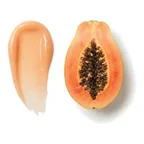 Carica Papaya Fruit Extract
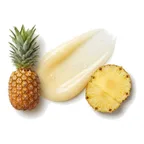 Pineapple Fruit Extract
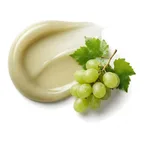 Grape Seed Oil
High
- SuperiorOily Skin Fit
- HighEffectiveness
- HighSafety
A great choice for oily skin; a few cleansing masks fit it even better.
This fit is calculated for the concerns frequently associated with oily skin: shine, enlarged pores, blackheads, and blemishes. For scores and recommendations based on your full skin profile, including your 12D face scan results and any goals or preferences you have, please use the Lovi app.
Updated How the Fit score works
Lovi Assistant explains
- Excellent suitability for your oily skin is provided by lactic acid and pineapple fruit extract, which offer keratolytic action and exfoliation, while grape seed oil and lemon fruit extract help regulate sebum production.
- The formulation also offers excellent exfoliation due to the presence of lactic acid and papaya fruit extract in concentrations that smooth texture.
- The safety profile is excellent, with no risks of irritation for your oily skin due to the absence of prohibited or harsh ingredients.
How to apply
- Use this cleansing mask PM as part of your weekly routine, starting 1×/week and working up if tolerated.
- Apply this cleansing mask after your cleanser and enzyme powder, and before applying your hydrating toner.
- Smooth an even layer over your face using clean fingers, avoiding harsh rubbing.
- Apply this cleansing mask on clean, dry skin to help control excess oil effectively.
- Avoid the sensitive eye area and always do a patch test before your first use.
People Say
★4.6Overall rating based on 400+ reviewsThis mask is highly praised for providing an immediate glow and smoother skin texture, transforming dull complexions. While many enjoy its pleasant citrus scent and find it gently exfoliating, a significant number of users note its sticky consistency and difficulty in removal. Some users with sensitive skin have experienced irritation, and a small group dislikes the scent.
Highlights
Instant radiance Mostly Mentioned
- “leaves skin glowing”
- “instant brightness”
- “looks like I had a facial”
- “radiance recharge”
Smoother texture Mostly Mentioned
- “skin feels baby soft”
- “smooths out texture”
- “refined pores”
- “polished feel”
Pleasant scent Often Mentioned
- “smells like orange marmalade”
- “delicious citrus scent”
- “yummy fruity smell”
- “fresh orange blossom”
Sticky consistency Often Mentioned
- “very sticky texture”
- “feels like honey/glue”
- “hair gets stuck in it”
- “messy to apply”
Gentle exfoliation Sometimes Noted
- “no harsh stinging”
- “gentle but effective”
- “didn't dry me out”
- “mild tingle only”
Difficult removal Sometimes Noted
- “hard to rinse off”
- “need to scrub it off”
- “leaves a film if not careful”
- “takes effort to remove”
Scent dislike Rarely Noted
- “smells like rotting fruit”
- “scent is too strong”
- “strange fermented smell”
- “overpowering fragrance”
Sensitivity/Irritation Rarely Noted
- “caused redness”
- “stung too much”
- “broke me out”
- “too strong for sensitive skin”
Sources: lovi.care, mecca.com, lookfantastic.com, cultbeauty.co.uk, sephora.com, walmart.com, and more
Questions and answers
What makes REN Glycol Lactic Radiance Renewal Mask a great fit for oily skin?
This mask is a great fit because lactic acid and pineapple fruit extract clear away dead skin cells, while grape seed oil and lemon fruit extract help manage extra oil. It also smooths your skin texture safely without causing irritation.
Which ingredients make this mask a good fit for oily skin?
This mask is a great fit for oily skin because lactic acid and pineapple fruit extract gently sweep away dead skin cells, while grape seed oil and lemon fruit extract help manage excess oil. These ingredients smooth your skin texture safely and effectively without causing irritation.
International Journal of Cosmetic Science, 2015Journal of Photochemistry and Photobiology. B, Biology, 2010
What does Glycolic Acid do for oily skin?
Glycolic acid helps improve skin brightness and reduces redness and breakouts for oily skin. Repeated use of glycolic acid makes skin smooth and clear by clearing away dead skin cells.
What does Lactic Acid do for oily skin?
Lactic acid helps manage oily skin by balancing oil production, clearing pores, and improving skin texture while keeping the skin hydrated. These effects are supported by studies showing reduced oil and pores alongside better hydration.
Where does this mask go in a skincare routine for oily skin?
This cleansing mask fits into a weekly routine for oily skin as an exfoliating step, used once a week to help smooth texture and manage oil. People who tolerate this mask well and see good results may carefully use it more often.
Can I use this mask with retinol, and in what order?
This mask is a great fit for your oily skin because lactic acid and pineapple fruit extract smooth texture while grape seed oil and lemon fruit extract help manage oil. Because this mask exfoliates deeply, it is best to use it on a different day than your retinol treatment to avoid irritation.
How often should I use this mask?
You can start using this mask once a week as part of your weekly routine. If your oily skin tolerates it well and you see good results, you may carefully use it more often.
Can this mask clog pores, cause breakouts or purging for oily skin?
This mask is a great fit for oily skin and is unlikely to cause irritation or breakouts because it helps balance oil and smooth texture without harsh ingredients. Lactic acid and pineapple fruit extract clear away dead skin, while grape seed oil and lemon fruit extract help keep excess oil in check.
International Journal of Cosmetic Science, 2015Journal of Photochemistry and Photobiology. B, Biology, 2010
What the research says
Serial glycolic acid peels combined with a modified Kligman formula significantly reduced facial PIH severity in Indian patients compared to the modified Kligman formula alone.
Dermatologic Surgery, 2017Short contact therapy with a tretinoin, clindamycin, and glycolic acid gel significantly improved skin tolerability and reduced acne severity scores compared to standard application therapy in patients with mild-to-moderate acne.
Dermatologic Therapy, 2021Application of a cream containing lactic acid 12% and pramoxine HCl 1% significantly improved skin dryness, hydration, and itch compared with a nontreated control in 24 women with a history of dry itchy skin.
Cutis, 2004A lactic acid/ceramide lotion significantly improved skin moisturization and desquamation compared to no treatment in women with dry, rough skin on the anterior shins.
The Journal of Clinical and Aesthetic Dermatology, 2020Treatment with 12% lactic acid increased epidermal and dermal firmness and thickness and improved skin smoothness and wrinkles compared to baseline, whereas 5% lactic acid induced clinical and epidermal changes without dermal changes.
Journal of the American Academy of Dermatology, 1996Topical papain treatment may slightly decrease pain within 30 minutes in humans stung by Chrysaora chinensis compared to placebo.
Wilderness & Environmental Medicine, 2016A fixed combination of hydroxypinacolone retinoate, retinol glycospheres, and papain glycospheres in aqueous gel applied once daily for 12 weeks achieved a 41% mean reduction in GAGS score and a 40.8% mean reduction in total lesions, with 15.3% of patients experiencing mild to moderate local side effects, in 94 evaluable patients with comedonal-papular, mild to moderate acne of the face.
Giornale Italiano Di Dermatologia E Venereologia, 2015Reflux extraction of Carica papaya leaves yielded higher antioxidant capacity and superior in vitro wound-healing activities including fibroblast proliferation, cell migration, and collagen synthesis in human skin fibroblasts compared to ultrasonic-assisted extraction and agitation.
Molecules, 2020An upcycled pineapple leaf fibre crosspolymer forms a physical barrier that protects against environmental aggressors while providing antioxidant, anti-inflammatory, antipollution, UV protection, hydration, and hair benefits.
International Journal of Cosmetic Science, 2026Topical cream loaded with 2% Ananas comosus extract significantly improved epidermal hydration up to 56.74% and reduced transepidermal water loss up to -73.19% compared to baseline in 11 healthy human volunteers over 12 weeks, outperforming the placebo control.
Acta Poloniae Pharmaceutica, 2016Grapeseed oil-loaded dermocosmetic nanoemulgel applied on the cheeks of healthy volunteers significantly reduced skin melanin, erythema, sebum production, and pores while increasing moisture and elasticity compared to a placebo.
Journal of Cosmetic Dermatology, 2022An ionic liquid-based grapeseed oil emulsion increased transdermal penetration by 4.63-fold and improved skin hydration, firmness, elasticity, and facial wrinkles after 28 days of continuous use compared to ordinary emulsion.
Pharmaceuticals, 2024
Ingredients
Water, Glycerin, Polysorbate 60, Lecithin, Lactic Acid, Vitis Vinifera Seed Oil Grape Seed Oil, Ribes Nigrum Seed Oil, Lemon Fruit Extract, Xanthan Gum, Cranberry Seed Oil, Maltodextrin, Sodium Lactate, Carica Papaya Fruit Extract, Pineapple Fruit Extract, Glyceryl Caprylate, Passiflora Edulis Fruit Extract, Vitis Vinifera Fruit Extract Grape Fruit Extract, Parfum, Citrus Nobilis Peel Oil Mandarin Orange Peel Oil, Grapefruit Peel Oil, Tangerine Peel Oil, Citrus Aurantium Dulcis Oil Flower, Alcohol Denat, Benzyl Alcohol, Phenoxyethanol, Potassium Sorbate, Tocopherol, Hippophae Rhamnoides Oil, Helianthus Annuus Seed Oil Sunflower Seed Oil, Rosmarinus Officinalis Leaf Extract Rosemary Leaf Extract, Sodium Bisulfite, Citral, Geraniol, Limonene, Linalool
Behind this fit score
Lovi calculates every fit score from the full ingredient list with brand-independent rules our dermatologists and cosmetic chemists build and review, and personalizes every pick with AI trained on the real results of millions of users. Lovi trains its fit score models on a proprietary dataset built from more than 10,000 expert-labeled products and more than 100,000 simulated examples, following an internally consistent methodology presented at Cosmoprof, AMWC, and Skin of Color Update.
-

Co-founder, Medical Director
Cosmetic chemist, cosmetologist, aesthetic products developer
-

Co-founder, CEO and CTO
PhD in computer science, 3x US patent holder, ex-Google, ex-Yandex
-

Dr. Sofía Perea Pérez, MD, MSc
Medical Board
Aesthetic medicine practitioner, MSc in Longevity and Anti-Aging Medicine
-

Medical Board
Specialist dermatologist, MBBS, MD, IFAAD
-

Medical Board
Cosmetic chemist, SCS, IFSCC member
-

Medical Board, Medical Advisor
Dermatology MD
-

Elina Nazarenko, MD
Medical Board
Dermatology and diagnostic consultant
-

Victoria Derkova, MS
Medical Board
Cosmetic chemist, cosmetic development technologist


How does it fit your skin?
Scan your face, then any product: Lovi shows how well it fits you and what fits even better.