
Peter Thomas Roth Peptide 21 Wrinkle Resist Serum for combination skin

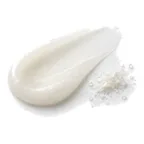 Complex Of 21 Peptides
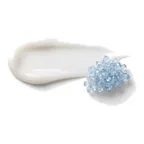 Neuropeptides
 Squalane
 Sodium Hyaluronate
 Ascorbic Acid
 Retinyl Palmitate
Average
- SuperiorCombination Skin Fit
- AverageEffectiveness
- HighSafety
Works for combination skin; other serums fit it better.
This fit is calculated for the concerns frequently associated with combination skin: an oily T-zone, enlarged pores, and dry cheeks. For scores and recommendations based on your full skin profile, including your 12D face scan results and any goals or preferences you have, please use the Lovi app.
Updated How the Fit score works
Lovi Assistant explains
- Offers moderate wrinkle reduction for your combination skin, as multiple peptides like Tripeptide-10 Citrulline and Acetyl Octapeptide-3 work to plump and minimize fine lines. Glycerin and Sodium Hyaluronate provide essential hydration, supporting overall skin health.
- While beneficial for combination skin, the formula does not specifically target your oily shine concerns, offering general skincare benefits rather than specialized oil control.
- The product is safe for your combination skin, with no risks of irritation due to the absence of harsh ingredients and the inclusion of soothing components like Glycerin and Squalane.
How to apply
- Use your serum as part of your PM routine. Start using it 3 times a week and move to daily use if your skin likes it.
- Apply the serum after cleansing and toner, and right before your moisturizer.
- Gently press 2-3 drops of the serum into your skin and wait a minute ⏳for it to soak in.
- Apply the serum on clean and dry skin since your skin is not sensitive.
- Always do a patch test before using the serum for the first time, and avoid the eye area .
People Say
★4.5Overall rating based on 300+ reviewsUsers frequently praise this serum for its lightweight, fast-absorbing formula that effectively hydrates and plumps the skin, leading to a visible reduction in fine lines on the forehead and neck. Some users find the product expensive and complain about a sticky residue or a metallic scent.
Highlights
Hydrates and plumps Often Mentioned
- “skin feels instantly hydrated”
- “plumps aging skin”
- “leaves face soft”
- “restores bounce”
Reduces fine lines Often Mentioned
- “lines between eyes diminished”
- “forehead wrinkles getting better”
- “neck lines reduced”
- “softened deep crevices”
High price point Often Mentioned
- “price is depressing”
- “expensive for the amount”
- “waiting for a sale”
Improves texture Sometimes Noted
- “skin looks smoother”
- “improves elasticity”
- “radiant glow”
- “evened out tone”
Lightweight absorption Sometimes Noted
- “absorbs quickly”
- “lightweight serum”
- “non-sticky finish”
- “layers well under makeup”
Sticky residue Sometimes Noted
- “feels sticky and slimy”
- “leaves skin tacky”
- “feels gross on skin”
- “texture is heavy”
Metallic scent Rarely Noted
- “smells like iron”
- “metallic smell”
- “weird vitamin E scent”
- “scent is off-putting”
Packaging issues Rarely Noted
- “hard to get last bit”
- “pump stopped working”
- “bottle design is wasteful”
- “can't see product level”
Sources: lovi.care, influenster.com, dermstore.com, peterthomasroth.com, lovelyskin.com, sephora.ph, and more
Questions and answers
How well does Peter Thomas Roth Peptide 21 Wrinkle Resist Serum work for combination skin?
Peter Thomas Roth Peptide 21 Wrinkle Resist Serum works moderately well for combination skin, offering helpful hydration and smoothing fine lines with peptides and glycerin. However, it does not target oily shine, so combination skin needs a treatment with niacinamide, propolis, or zinc PCA to regulate oiliness and balance hydration.
Journal of Cosmetic Dermatology, 2017Clinical, Cosmetic and Investigational Dermatology, 2017
Which ingredients make this serum a good fit for combination skin?
This serum fits combination skin well through a complex of multiple peptides along with squalane and sodium hyaluronate, which help plump fine lines and provide essential hydration without irritation. However, combination skin also needs ingredients like niacinamide, propolis, or zinc PCA to regulate oiliness and manage oily shine.
Journal of Cosmetic Dermatology, 2017Clinical, Cosmetic and Investigational Dermatology, 2017
What does Peptide Complex do for combination skin?
A peptide complex helps balance combination skin by supporting firmness, hydration, and overall barrier strength. Topical peptides signal the skin to maintain collagen production, which may improve texture and keep both dry and oily areas smooth and comfortable.
Journal of Cosmetic Dermatology, 2019Journal of Cosmetic Dermatology, 2023
What do Neuropeptides do for combination skin?
Neuropeptides help keep combination skin calm and smooth by supporting the skin barrier and regulating oil production. They are unlikely to cause heavy buildup, but this skin type typically needs a lightweight formula that balances dry and oily areas.
International Journal of Cosmetic Science, 2022European Journal of Dermatology, 2010
Where does this serum go in a skincare routine for combination skin?
This treatment goes in the evening routine after cleansing and toning, and before moisturizing. Combination skin of this type also needs specialized oil-balancing ingredients to manage oily shine alongside general hydration and wrinkle reduction.
Can I use this serum with retinol, and in what order?
You can use this treatment in your evening routine after cleansing and toning, and before moisturizing. Since your skin is combination, this type of product needs to incorporate oil-controlling ingredients like niacinamide or salicylic acid to help manage oily shine while providing anti-aging benefits.
How often should I use this serum?
You can use this treatment in the evening as part of your routine. Combination skin benefits from peptide and hydration serums used consistently, while a product for this skin also needs specialized oil control ingredients to manage shine.
Journal of Cosmetic Dermatology, 2017Clinical, Cosmetic and Investigational Dermatology, 2017
Can this serum clog pores, cause breakouts or purging for combination skin?
This serum is unlikely to cause clogged pores, breakouts, or purging for combination skin, as it features a gentle formula free of harsh ingredients. To better suit combination skin, a product of this type needs specialized oil-controlling ingredients to manage oily shine.
Is this serum fragrance-free and alcohol-free?
Yes, it has no fragrance and no drying alcohol.
What the research says
Acetyl hexapeptide-3 and tripeptide-10 citrulline demonstrated antiwrinkle efficacy and decreased transepidermal water loss in twenty-four healthy volunteers compared to control groups, though synergistic effects between the two peptides remained unclear.
Journal of Cosmetic Dermatology, 2017A single application of a moisturizing fluid containing hyaluronic acid 1%, glycerin 5%, and Centella asiatica stem cells extract significantly increased skin hydration by 29% and reduced transepidermal water loss at 24 hours compared to baseline and an untreated control site in twenty healthy women.
Clinical, Cosmetic and Investigational Dermatology, 2017Topical hyaluronic acid filler serum combined with Botulinum toxin type A lengthened the duration of the toxin's effect in reducing wrinkles compared to Botulinum toxin type A alone.
Dermatologic Therapy, 2022Topical application of an autophagy-activating peptide reduced closed comedones, skin surface lipids, and trans-epidermal water loss, while altering lipid composition in acne-prone skin compared to vehicle.
Journal of Cosmetic Dermatology, 2021Topical exosomes and peptides improve skin rejuvenation by increasing collagen deposition, enhancing skin texture, and accelerating wound healing.
Aesthetic Surgery Journal. Open Forum, 2024Topical omiganan gels exhibited rapid, dose-dependent bactericidal and fungicidal activity against a broad spectrum of bacteria and yeasts in ex vivo pig skin and in vivo guinea pig skin models.
International Journal of Antimicrobial Agents, 2009Application of fullerene-C60 dissolved in squalane cream twice daily for 8 weeks significantly enhanced skin moisture and reduced wrinkle formation compared to placebo in 23 Japanese women without severe side effects.
Journal of Nanoscience and Nanotechnology, 2010Squalane at 0.005-0.015% counteracts UVA-induced oxidative stress, inflammation, and collagen metabolism inhibition while stimulating fibroblast migration in human dermal fibroblasts.
Molecules, 2025Plant-derived squalane protected human dermal fibroblasts against UVA-induced damage by counteracting ROS formation, suppressing apoptosis-related proteins p53, caspase-3, caspase-9, and PARP, and restoring the pro-survival p-Akt/mTOR pathway.
Antioxidants, 2025Topical application of 0.1% hyaluronic acid formulations of different molecular weights led to significant improvements in skin hydration and elasticity, with low-molecular-weight formulations also significantly reducing wrinkle depth in seventy-six female subjects compared to a vehicle control.
Journal of Drugs in Dermatology, 2011Topical hyaluronic acid serum used twice daily by 40 females with facial photoaging produced an immediate 134% increase in skin hydration, a sustained 55% increase at week 6, and significant improvements in smoothness, plumping, fine lines, wrinkles, and global appearance without causing irritation.
Dermatology and Therapy, 2021A topical antioxidant serum significantly reduced air pollution-induced skin pigmentation and proinflammatory gene expression ex vivo, and improved skin aging signs in 40 healthy adult females after 90 days of daily use.
Journal of Cosmetic Dermatology, 2022Topical application of 5% vitamin C cream significantly improved global clinical scores, increased skin microrelief density, and induced elastic tissue repair in photoaged skin compared to excipient control in healthy female volunteers.
Experimental Dermatology, 2003Topical application of VC-IP cream twice daily for 8 weeks reduces periorbital wrinkles in female subjects compared to a placebo cream.
Journal of Cosmetic Dermatology, 2022Topical treatment with 5% vitamin C and 0.1% madecassoside significantly improved clinical scores for wrinkles, suppleness, firmness, roughness, and skin hydration, along with functional and structural remodeling of the elastic fiber network in 20 female volunteers with photoaged skin after 6 months compared to baseline.
Experimental Dermatology, 2008Topical bakuchiol 0.5% applied twice daily compared with retinol 0.5% applied daily significantly decreased wrinkle surface area and hyperpigmentation with no statistical difference between the compounds in 44 patients over 12 weeks, while retinol users reported more facial skin scaling and stinging.
The British Journal of Dermatology, 2019Topical 0.3% and 1% retinol comparably improved biomarkers of cutaneous photoageing in photoaged volunteers, while 0.3% retinol demonstrated better tolerance with fewer and milder adverse events compared to 1% retinol in a daily escalation regimen.
International Journal of Cosmetic Science, 2022Daily application of 0.3% and 0.5% retinol serums in 37 volunteers over 12 weeks reduced skin hyperpigmentation, unevenness, and wrinkles on both sides of the face, with the 0.5% concentration causing more frequent and intense skin irritation.
Skin Pharmacology and Physiology, 2020
Why other serums fit combination skin better
Niacinamide and ferulic acid incorporated in a stable multiple emulsion successfully reduced melanin, sebum, and skin erythema while improving skin elasticity and hydration in human skin compared to a placebo.
BioMed Research International, 2022
Ingredients
Water, Glycerin, Rosa Centifolia Flower Water, Isopropyl Myristate, Squalane, Mannitol, Butylene Glycol, Natto Gum, Tripeptide-10 Citrulline, Acetyl Octapeptide-3, Palmitoyl Hexapeptide-12, Acetyl Tetrapeptide-11, Acetyl Hexapeptide-8, Acetyl Hexapeptide-1, Palmitoyl Oligopeptide, Acetyl Tetrapeptide-9, Acetyl Tetrapeptide-2, Tripeptide-1, Palmitoyl Tetrapeptide-7, Hexapeptide-11, Dipeptide Diaminobutyroyl Benzylamide Diacetate, Palmitoyl Tripeptide-5, Trifluoroacetyl Tripeptide-2, Palmitoyl Tripeptide-1, Sodium Polyglutamate, Sodium Hyaluronate, Tocopheryl Acetate, Retinyl Palmitate, Ascorbic Acid, Hydrolyzed Soy Protein, Hydrolyzed Wheat Protein, Lecithin, Pseudoalteromonas Extract Ferment, Acrylates Copolymer, Magnesium Chloride, Polysorbate 20, Dimethyl Isosorbide, Acrylates C10-30 Alkyl Acrylate Crosspolymer, Leuconostoc Radish Root Ferment Filtrate, Peg-8 Dimethicone, Disodium Phosphate, Carbomer, Dextran, Sodium Lactate, Tetradecyl Aminobutyroylvalylaminobutyric Urea Trifluoroacetate, Xanthan Gum, Triethanolamine, Sodium Phosphate, Octyldodecanol, Silica, Sodium Propoxyhydroxypropyl Thiosulfate Silica, Sodium Hydroxide, Caprylyl Glycol, Potassium Sorbate, Sodium Benzoate, Phenoxyethanol
Behind this fit score
Lovi calculates every fit score from the full ingredient list with brand-independent rules our dermatologists and cosmetic chemists build and review, and personalizes every pick with AI trained on the real results of millions of users. Lovi trains its fit score models on a proprietary dataset built from more than 10,000 expert-labeled products and more than 100,000 simulated examples, following an internally consistent methodology presented at Cosmoprof, AMWC, and Skin of Color Update.
-

Co-founder, Medical Director
Cosmetic chemist, cosmetologist, aesthetic products developer
-

Co-founder, CEO and CTO
PhD in computer science, 3x US patent holder, ex-Google, ex-Yandex
-

Dr. Sofía Perea Pérez, MD, MSc
Medical Board
Aesthetic medicine practitioner, MSc in Longevity and Anti-Aging Medicine
-

Medical Board
Specialist dermatologist, MBBS, MD, IFAAD
-

Medical Board
Cosmetic chemist, SCS, IFSCC member
-

Medical Board, Medical Advisor
Dermatology MD
-

Elina Nazarenko, MD
Medical Board
Dermatology and diagnostic consultant
-

Victoria Derkova, MS
Medical Board
Cosmetic chemist, cosmetic development technologist


How does it fit your skin?
Scan your face, then any product: Lovi shows how well it fits you and what fits even better.