
Ole Henriksen Lemonade Smoothing Scrub for sensitive skin

 Glycolic Acid
 Lactic Acid
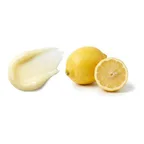 Lemon Peel Extract
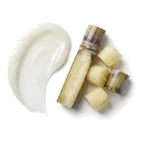 Saccharum Officinarum Extract
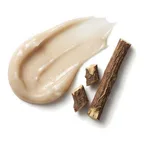 Licorice Root Extract
Average
- HighNormal Skin Fit
- AverageEffectiveness
- ExcellentSafety
Works for sensitive skin; other exfoliants fit it better.
This fit is calculated for the concerns frequently associated with sensitive skin: redness, stinging, and reactions to new products. For scores and recommendations based on your full skin profile, including your 12D face scan results and any goals or preferences you have, please use the Lovi app.
Updated How the Fit score works
Lovi Assistant explains
- Offers moderate exfoliation for your normal skin due to glycolic and lactic acids, which help regulate texture but may not fully address your redness and irritation concerns.
- While chamomile and licorice root extract offer some soothing benefits, the primary exfoliating action of the acids is not ideal for sensitive skin prone to redness.
- The formulation is safe for your sensitive skin, as it lacks harsh ingredients and includes calming components.
How to apply
- Use your exfoliant PM once a week to help with redness and irritation. Start slowly and only increase frequency if your skin feels happy and comfortable.
- Apply the exfoliant after cleansing and toner , but always before your moisturizer . This ensures the product absorbs properly into the skin.
- Gently press 2-3 drops of the exfoliant into your skin without rubbing . Let it absorb for a minute before moving on.
- Since your skin is sensitive , apply the exfoliant on completely dry skin for the best tolerance. This helps prevent any extra stinging or discomfort.
- Always do a patch test before your first use and avoid the delicate eye area .
People Say
★4.6Overall rating based on 1.3k+ reviewsThis scrub is highly regarded for its ability to instantly polish and retexturize the skin, leaving it feeling soft, smooth, and glowing. While many users with various skin types—including those with sensitive or acne-prone skin—praise its effectiveness in clearing pores and reducing dullness, some individuals find the physical exfoliation too abrasive or potentially irritating. This summary is based on a very large amount of data and should definitely be taken into account.
Highlights
Effective exfoliation Mostly Mentioned
- “Leaves skin soft”
- “polishes skin instantly”
- “clears out pores”
- “removes dead cells”
Instant glow Often Mentioned
- “Leaves skin glowy”
- “healthy glow after”
- “brighter skin”
- “looks amazing”
Refreshing scent Often Mentioned
- “Smells so delicious”
- “zingy lemon scent”
- “refreshing and fun”
- “smells wonderful”
Convenient packaging Sometimes Noted
- “Easy to squeeze”
- “minimizes mess”
- “sturdy tube”
- “no water contamination”
Too abrasive Sometimes Noted
- “A bit too abrasive”
- “feels like sandpaper”
- “scrubbing particles harsh”
- “caused slight burning”
Potential irritation Rarely Noted
- “Slightly burned”
- “caused a rash”
- “not for sensitive skin”
- “caused breakouts”
Product volume Rarely Noted
- “Tube comes half-empty”
- “not enough product”
Sensitizing ingredients Rarely Noted
- “Contains sensitizing ingredients”
- “fragrance-heavy”
- “not for everyone”
Sources: lovi.care, influenster.com, olehenriksen.com, spacenk.com, ulta.com, prettyismyprofession.com, and more
Questions and answers
How well does Ole Henriksen Lemonade Smoothing Scrub work for sensitive skin?
This scrub is an average fit for sensitive skin because its glycolic and lactic acids offer moderate smoothing, but they may trigger redness and irritation. Although it includes soothing chamomile and licorice root extract, sensitive skin needs a product that uses very gentle exfoliants and calming ingredients to smooth texture without causing redness.
Which ingredients make this exfoliant a good fit for sensitive skin?
Licorice root extract and chamomile make this exfoliant a reasonable fit for sensitive skin by helping calm redness and irritation. An exfoliant for this skin also needs gentle calming components and soothing natural extracts to maintain comfort without causing imbalance.
What does Glycolic Acid do for sensitive skin?
Glycolic acid often causes irritation and barrier redness on sensitive skin, so this skin type needs very low concentrations and calming ingredients to prevent discomfort.
Dermatologic Surgery, 2004Journal of Cosmetic Dermatology, 2010
What does Lactic Acid do for sensitive skin?
Lactic acid helps sensitive skin by improving hydration and smoothing fine lines when used in gentle formulations. It may boost ceramide levels and support the skin barrier, though higher concentrations can sometimes cause tingling or irritation.
Archives of Dermatological Research, 2018Archives of Dermatological Research, 1996
Where does this exfoliant go in a skincare routine for sensitive skin?
This exfoliant goes into a sensitive skin routine once a week, ideally used as a nighttime step after cleansing and before moisturizing. Because acids can trigger redness, sensitive skin needs gentle, low-strength exfoliating products combined with calming, soothing ingredients to protect the skin barrier.
Can I use this exfoliant with retinol, and in what order?
It is best to avoid using this scrub on the same night as your retinol, as combining strong exfoliating acids with retinol may easily leave sensitive skin dry, red, and irritated. Instead, alternate nights or use the scrub in your weekly routine and your retinol on designated treatment nights to keep your skin calm and smooth.
How often should I use this exfoliant?
You can start using this exfoliant once a week, and if your sensitive skin tolerates it well and shows good results, you may carefully use it more often. This type of product needs gentle exfoliating ingredients combined with calming and soothing components to keep sensitive skin smooth without causing redness and irritation.
Can this exfoliant clog pores, cause breakouts or purging for sensitive skin?
This scrub is unlikely to clog pores or cause breakouts for sensitive skin, though it may cause some irritation. Sensitive skin needs gentle, fragrance-free exfoliants and soothing ingredients that calm redness without harsh acids.
What the research says
Serial glycolic acid peels combined with a modified Kligman formula significantly reduced facial PIH severity in Indian patients compared to the modified Kligman formula alone.
Dermatologic Surgery, 2017Short contact therapy with a tretinoin, clindamycin, and glycolic acid gel significantly improved skin tolerability and reduced acne severity scores compared to standard application therapy in patients with mild-to-moderate acne.
Dermatologic Therapy, 2021Application of a cream containing lactic acid 12% and pramoxine HCl 1% significantly improved skin dryness, hydration, and itch compared with a nontreated control in 24 women with a history of dry itchy skin.
Cutis, 2004A lactic acid/ceramide lotion significantly improved skin moisturization and desquamation compared to no treatment in women with dry, rough skin on the anterior shins.
The Journal of Clinical and Aesthetic Dermatology, 2020Treatment with 12% lactic acid increased epidermal and dermal firmness and thickness and improved skin smoothness and wrinkles compared to baseline, whereas 5% lactic acid induced clinical and epidermal changes without dermal changes.
Journal of the American Academy of Dermatology, 1996Incorporation of Citrus limon var. pompia rind extract into phospholipid vesicles, particularly glycerol containing hyalurosomes, prevented oxidative damage and death while promoting viability in skin keratinocytes and fibroblasts.
International Journal of Pharmaceutics, 2016Daily application of an antiaging cream containing 0.1% retinaldehyde, glycylglycine oleamide, and pre-tocopheryl is as effective as three sequential glycolic acid peels in reducing wrinkles and superior in refining skin texture in women with photoaging, with a 12-fold lower incidence of physical signs of adverse events.
Journal of Cosmetic Dermatology, 2018Combining 755 nm alexandrite laser with topical licorice gel significantly reduces terminal hair counts compared to alexandrite laser with placebo in women with idiopathic hirsutism.
Evidence-based Complementary and Alternative Medicine, 2015Licochalcone A activated Nrf2 signaling, elevated cytoprotective enzymes, increased the reduced-to-oxidized glutathione ratio, and decreased reactive oxygen species in human fibroblasts and neutrophils, while a LicA-rich licorice extract lowered UVA-induced oxidative processes in vivo.
Experimental Dermatology, 2015Mesoporous silica nanoparticles entrapping licorice polysaccharide and coated with polydopamine showed 76% entrapment efficiency, 89% in vitro release at pH 5, increased sebocytes' cellular uptake, and mediated inflammatory response by inhibiting pro-inflammatory cytokines and regulating anti-inflammatory cytokines.
Carbohydrate Polymers, 2024
Ingredients
Water, Glycerin, Glycolic Acid, Sucrose, Hydrated Silica, Polyglyceryl-10 Dipalmitate, Propanediol, Lactic Acid, Sodium Cocoyl Isethionate, Polyacrylate Crosspolymer-6, Sodium Hydroxide, Sodium Lactate, Acrylamide Sodium Acryloyldimethyltaurate Copolymer, Lemon Powder Peel Powder, Lemon Fruit Extract, Ocimum Sanctum Leaf Extract, Chamomilla Recutita Flower Extract Matricaria Flower Extract, Glycyrrhiza Glabra Root Extract Licorice Root Extract, Saccharum Officinarum Extract Extrait De Canne À Sucre Extract, Citrus Aurantifolia Peel Extract, Sandalwood Extract, Lemon Peel Oil, Bergamot Peel Oil, Leuconostoc Radish Root Ferment Filtrate, Coconut Acid, Sodium Riboflavin Phosphate, Dimethylhydroxy Furanone, Isohexadecane, Polysorbate 80, Sodium Isethionate, Sorbitan Oleate, Triethyl Citrate, Vanillin, Pentaerythrityl Tetra-Di-T-Butyl Hydroxyhydrocinnamate, Caprylyl Glycol, Phenoxyethanol, Limonene, Linalool, Citral
Behind this fit score
Lovi calculates every fit score from the full ingredient list with brand-independent rules our dermatologists and cosmetic chemists build and review, and personalizes every pick with AI trained on the real results of millions of users. Lovi trains its fit score models on a proprietary dataset built from more than 10,000 expert-labeled products and more than 100,000 simulated examples, following an internally consistent methodology presented at Cosmoprof, AMWC, and Skin of Color Update.
-

Co-founder, Medical Director
Cosmetic chemist, cosmetologist, aesthetic products developer
-

Co-founder, CEO and CTO
PhD in computer science, 3x US patent holder, ex-Google, ex-Yandex
-

Dr. Sofía Perea Pérez, MD, MSc
Medical Board
Aesthetic medicine practitioner, MSc in Longevity and Anti-Aging Medicine
-

Medical Board
Specialist dermatologist, MBBS, MD, IFAAD
-

Medical Board
Cosmetic chemist, SCS, IFSCC member
-

Medical Board, Medical Advisor
Dermatology MD
-

Elina Nazarenko, MD
Medical Board
Dermatology and diagnostic consultant
-

Victoria Derkova, MS
Medical Board
Cosmetic chemist, cosmetic development technologist


How does it fit your skin?
Scan your face, then any product: Lovi shows how well it fits you and what fits even better.