
Neostrata Resurface Lotion Plus for sensitive skin

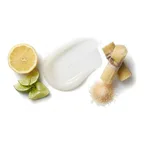 Aha Alpha Hydroxy Acid
 Glycolic Acid
 Dimethicone
 Cholesterol
 Propylene Glycol
Average
- AverageNormal Skin Fit
- AverageEffectiveness
- ConcerningSafety
Works for sensitive skin; other products fit it better.
This fit is calculated for the concerns frequently associated with sensitive skin: redness, stinging, and reactions to new products. For scores and recommendations based on your full skin profile, including your 12D face scan results and any goals or preferences you have, please use the Lovi app.
Updated How the Fit score works
Lovi Assistant explains
- Offers moderate exfoliation for your normal skin due to the presence of glycolic acid, which promotes skin renewal and can help with redness and irritation.
- The concentration of glycolic acid may be too harsh for your sensitive skin, potentially exacerbating redness and irritation.
Buy online

Prices checked 20 Nov 2026
The Lovi Fit is the same in every country; only the stores and prices differ, and the ones here are for Europe.
How to apply
- Use your exfoliant PM once a week to help with redness and irritation. Start slowly and only increase frequency if your skin feels happy and comfortable.
- Apply the exfoliant after cleansing and toner , but always before your moisturizer . This ensures the product absorbs properly into the skin.
- Gently press 2-3 drops of the exfoliant into your skin without rubbing . Let it absorb for a minute before moving on.
- Since your skin is sensitive , apply the exfoliant on completely dry skin for the best tolerance. This helps prevent any extra stinging or discomfort.
- Always do a patch test before your first use and avoid the delicate eye area .
Questions and answers
How well does Neostrata Lotion Plus work for sensitive skin?
Neostrata Resurface Lotion Plus is an average fit for sensitive skin because its glycolic acid provides moderate renewal but may be too harsh, potentially making redness and irritation worse. An exfoliant treatment for sensitive skin needs calming ingredients like niacinamide and soothing hydrators that calm irritation without harsh acids.
Which ingredients make this exfoliant a good fit for sensitive skin?
Glycolic Acid makes this exfoliant treatment a fit by promoting skin renewal and helping calm redness and irritation, though its strength can sometimes be too harsh for sensitive skin. A product of this type needs soothing ingredients like niacinamide or snail secretion filtrate and rich hydrators to better protect and comfort sensitive skin without causing irritation.
What does Alpha Hydroxy Acid do for sensitive skin?
Alpha hydroxy acid helps keep sensitive skin smooth and youthful, though some types may cause irritation unless carefully formulated or chosen in gentler forms like polyhydroxy acids. When used properly, it gently sweeps away dead surface cells to improve texture and tone without causing lasting discomfort.
Dermatologic Surgery, 1996American Journal of Clinical Dermatology, 2000
What does Glycolic Acid do for sensitive skin?
Glycolic acid often causes irritation and barrier redness on sensitive skin, so this skin type needs very low concentrations and calming ingredients to prevent discomfort.
Dermatologic Surgery, 2004Journal of Cosmetic Dermatology, 2010
Where does this exfoliant go in a skincare routine for sensitive skin?
This exfoliant goes in your evening routine once a week as a treatment step, after your cleanser and soothing toner and before your moisturizer. Because glycolic acid may be too harsh and potentially worsen redness, sensitive skin needs a gentler exfoliation routine with soothing and moisturizing ingredients to keep the skin calm.
Can I use this exfoliant with retinol, and in what order?
Using this exfoliant with retinol is likely to be too harsh for sensitive skin and may cause redness and irritation. To safely use active treatments on sensitive skin, a product needs gentle exfoliating acids paired with soothing and barrier-protecting ingredients like cholesterol and dimethicone.
How often should I use this exfoliant?
Start using this exfoliant just once a week in the evening to see how your skin reacts, as the glycolic acid concentration may sometimes be too harsh and trigger redness and irritation.
Can this exfoliant clog pores, cause breakouts or purging for sensitive skin?
This exfoliant is unlikely to clog pores, but the strong Glycolic Acid may cause purging or redness on sensitive skin. To work well for sensitive skin, a product of this type needs soothing ingredients and a gentler strength to keep skin calm and smooth.
Is this exfoliant fragrance-free and alcohol-free?
Yes, it has no fragrance and no drying alcohol. Cetyl alcohol is a fatty alcohol, which soften the skin.
What the research says
Daily application of an antiaging cream containing 0.1% retinaldehyde, glycylglycine oleamide, and pre-tocopheryl is as effective as three sequential glycolic acid peels in reducing wrinkles and superior in refining skin texture in women with photoaging, with a 12-fold lower incidence of physical signs of adverse events.
Journal of Cosmetic Dermatology, 2018An antiaging skin care system containing alpha hydroxy acids and vitamins significantly improves wrinkle depth, skin roughness, and elasticity parameters in 52 volunteers compared to baseline over 21 days.
Clinical, Cosmetic and Investigational Dermatology, 2015Topical emulsions containing 2 and 10 wt% glycolic acid stabilized with long chain alkyl polyglucoside lowered skin surface pH to 5 and less in 24-hour and 7-day studies and inhibited Staphylococcus epidermidis growth without barrier impairment or irritation.
International Journal of Cosmetic Science, 2021Serial glycolic acid peels combined with a modified Kligman formula significantly reduced facial PIH severity in Indian patients compared to the modified Kligman formula alone.
Dermatologic Surgery, 2017Short contact therapy with a tretinoin, clindamycin, and glycolic acid gel significantly improved skin tolerability and reduced acne severity scores compared to standard application therapy in patients with mild-to-moderate acne.
Dermatologic Therapy, 2021Wearing an N95 mask alone compared to using dimethicone cream or hydrocolloid dressing caused more adverse skin reactions among 73 military health care workers, with no significant differences in fit test failure rates between groups.
Military Medicine, 2024Petrolatum-based skin protectants demonstrated protection against irritants and maceration while providing skin hydration, whereas dimethicone and zinc oxide products showed varying or limited performance across parameters among 18 healthy volunteers compared to positive and negative controls.
Ostomy/wound Management, 2005Treatment with a moisturizer containing dimethicone and glycerine increased epidermal thickness by 0.019 mm, improved barrier function by decreasing transepidermal water loss by 13%, decreased melanin intensity, and induced keratins 6 and 16 in fifteen women with moderately photoaged forearms.
Clinical and Experimental Dermatology, 2007Topical lovastatin treatment impairs the recovery of cutaneous permeability barrier function and stratum corneum cholesterol levels after acetone disruption in mice, an effect normalized by simultaneous treatment with mevalonate or cholesterol.
The Journal of Clinical Investigation, 1990Topical cholesterol application decreased transepidermal water loss and ameliorated oxazolone-induced cutaneous hypersensitivity in hapten-stimulated mice, likely by sustaining epidermal 11beta-HSD1 expression.
Experimental Dermatology, 2014Topical application of cholesterol sulfate increases stratum corneum thickness and inhibits protease-induced cell dissociation by competitively inhibiting serine proteases in mice and human stratum corneum.
The Journal of Investigative Dermatology, 1998Conjugation of oleic and linoleic acids with propylene glycol effectively enhances lidocaine skin penetration while significantly reducing skin irritation compared to free fatty acids.
Drug Development and Industrial Pharmacy, 2007A moisturizer containing glycerol and propylene glycol reduced transepidermal water loss, decreased epidermal thickness, increased stratum corneum thickness, and reduced dermal inflammatory infiltrate compared to untreated disrupted skin in six healthy beagle dogs.
Veterinary Dermatology, 2020
Ingredients
Water, Glycolic Acid, Propylene Glycol, Ammonium Hydroxide, Hydroxyethylcellulose, Cholesterol, Dimethicone, Petrolatum, Palmitic Acid, Stearic Acid, Myristic Acid, Glyceryl Stearate, Peg-100 Stearate, Peg-40 Stearate, Isopropyl Palmitate, Cetyl Alcohol, Sorbitan Stearate, Magnesium Aluminum Silicate, Stearamidopropyl Dimethylamine, Isostearic Acid, Tetrasodium Edta
Behind this fit score
Lovi calculates every fit score from the full ingredient list with brand-independent rules our dermatologists and cosmetic chemists build and review, and personalizes every pick with AI trained on the real results of millions of users. Lovi trains its fit score models on a proprietary dataset built from more than 10,000 expert-labeled products and more than 100,000 simulated examples, following an internally consistent methodology presented at Cosmoprof, AMWC, and Skin of Color Update.
-

Co-founder, Medical Director
Cosmetic chemist, cosmetologist, aesthetic products developer
-

Co-founder, CEO and CTO
PhD in computer science, 3x US patent holder, ex-Google, ex-Yandex
-

Dr. Sofía Perea Pérez, MD, MSc
Medical Board
Aesthetic medicine practitioner, MSc in Longevity and Anti-Aging Medicine
-

Medical Board
Specialist dermatologist, MBBS, MD, IFAAD
-

Medical Board
Cosmetic chemist, SCS, IFSCC member
-

Medical Board, Medical Advisor
Dermatology MD
-

Elina Nazarenko, MD
Medical Board
Dermatology and diagnostic consultant
-

Victoria Derkova, MS
Medical Board
Cosmetic chemist, cosmetic development technologist


How does it fit your skin?
Scan your face, then any product: Lovi shows how well it fits you and what fits even better.