
NEOGEN Dermalogy Real Niacinamide 15% Firming Serum for dry sensitive skin

 Niacinamide
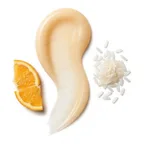 Ferulic Acid
 Zinc Pca
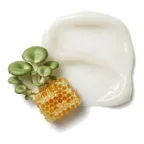 Vitamin B5 Panthenol
 Ceramide Np
High
- HighDry Skin Fit
- HighEffectiveness
- ExcellentSafety
A great choice for dry sensitive skin; a few serums fit it even better.
This fit is calculated for the concerns frequently associated with dry sensitive skin: flakiness, tightness, redness, fine lines, and wrinkles. For scores and recommendations based on your full skin profile, including your 12D face scan results and any goals or preferences you have, please use the Lovi app.
Updated How the Fit score works
Lovi Assistant explains
- Highly suitable for your dry and sensitive skin, this serum leverages niacinamide and glycerin to enhance hydration and support your skin barrier, while arbutin works to even out skin tone.
- The inclusion of ingredients like sodium hyaluronate and ceramide NP further aids in replenishing moisture and reinforcing barrier function, addressing your dry or flaky skin concerns.
- The product is safe for your skin, featuring soothing agents like Bisabolol and Calendula Officinalis Extract with no harsh or prohibited ingredients.
How to apply
- Use this PM routine for your evening skincare. Start using the serum 3 times a week and increase to daily use if your skin feels comfortable.
- Apply the serum after cleansing and toner, but right before your moisturizer. This step locks in deep hydration for dry skin.
- Gently press 2-3 drops of the serum into your skin using your palms. Let it absorb completely for a minute ⏱ before applying your next product.
- Since your skin is sensitive, apply the serum on completely dry skin for better tolerance and less irritation.
- Avoid the sensitive eye area during application. Always do a patch test before your first use to ensure your skin reacts well.
People Say
★4.6Overall rating based on 100+ reviewsBased on limited data, users report this serum effectively brightens dull complexions and smooths rough skin texture without causing dryness. It is frequently praised for regulating excess sebum and minimizing the appearance of pores, making it suitable for oily or acne-prone skin.
Highlights
Brightens & evens tone Often Mentioned
- “fades dark spots”
- “skin looks radiant”
- “helped with hyperpigmentation”
- “evened out my skin tone”
Refines texture & pores Often Mentioned
- “smooths my face out”
- “pores look smaller”
- “texture is smoother”
- “helped with large pores”
Controls oil/sebum Sometimes Noted
- “reduced oil production”
- “regulates excess sebum”
- “less oily during the day”
- “keeps skin clear”
Hydrating & lightweight Sometimes Noted
- “lightweight milky consistency”
- “deeply moisturized”
- “absorbs quickly”
- “doesn't dry me out”
Packaging issues Sometimes Noted
- “giant layer of white crust”
- “messy bottle”
- “crystallizing around the rim”
- “product escaping”
Pilling/residue Rarely Noted
- “white residue if used too much”
- “pills under makeup”
- “can be sticky”
Potential irritation Rarely Noted
- “tingling sensation”
- “too strong for daily use”
- “caused slight redness”
- “sensitive skin warning”
Sources: lovi.care, sokoglam.com, neogenlab.us, gopicky.com, yesstyle.com, oliveyoung.com, and more
Questions and answers
What makes Neogen Real Niacinamide 15% Firming Serum a great fit for dry sensitive skin?
This serum is a great fit because it uses niacinamide, glycerin, sodium hyaluronate, and ceramide NP to deeply boost hydration and repair your skin barrier, while soothing agents like bisabolol and calendula extract keep dry and flaky skin calm and comfortable.
Which ingredients make this serum a good fit for dry sensitive skin?
This serum is a great fit because niacinamide, glycerin, sodium hyaluronate, and ceramide NP work together to boost moisture and strengthen the skin barrier. It also includes soothing bisabolol and calendula extract to keep sensitive skin calm and comfortable.
What does Niacinamide do for dry sensitive skin?
Niacinamide helps dry sensitive skin by strengthening the outer barrier and keeping moisture locked in so your face feels soft and smooth. It is very well tolerated and may calm redness and irritation without causing adverse reactions.
International Journal of Cosmetic Science, 2019The British Journal of Dermatology, 2000
What does Ferulic Acid do for dry sensitive skin?
Ferulic acid helps improve hydration and soothe redness in dry, sensitive skin while protecting it from daily sun damage. This ingredient is unlikely to irritate when formulated properly, though dry, sensitive skin needs added calming and moisturizing ingredients to stay soft and smooth.
Where does this serum go in a skincare routine for dry sensitive skin?
This serum goes in the evening routine after your toner and before your moisturizer. Using it at night helps keep things simple and safe around sun exposure while delivering hydration and soothing dry areas.
Can I use this serum with retinol, and in what order?
You can use this serum with retinol by applying the serum first in your evening routine to help hydrate and calm your dry skin before putting on your retinol. This layered approach is unlikely to irritate your skin since the serum includes soothing ingredients and lacks harsh additives.
How often should I use this serum?
This serum fits well into your evening routine, where you can use it in the PM step after cleansing and toning. It helps hydrate dry skin and support the skin barrier while being gentle enough for sensitive skin types.
Can this serum clog pores, cause breakouts or purging for dry sensitive skin?
This serum is unlikely to clog pores or cause breakouts for dry sensitive skin. It features a gentle formula with soothing ingredients and a low risk of irritation.
Is this serum fragrance-free and alcohol-free?
Yes, it has no fragrance and no drying alcohol.
What the research says
In 50 participants with sensitive skin, a Ceramide NP C15-containing emollient improved skin barrier function with a significant reduction in transepidermal water loss and induced modest changes in skin microbiota compared to the vehicle.
Skin Pharmacology and Physiology, 2026Topical application of Calendula officinalis extract cream significantly improved skin hydration and firmness (reflected in significant changes in R0 and R6 parameters) in 21 healthy human volunteers compared to a base cream.
Acta Poloniae Pharmaceutica, 2011Topical nicotinamide prevented solar-simulated UV-induced immunosuppression in healthy volunteers, and men experienced immunosuppression at solar-simulated UV doses three times lower than those required for women.
The Journal of Investigative Dermatology, 2008Topical 5% niacinamide applied twice daily for 12 weeks reduced fine lines and wrinkles, hyperpigmented spots, red blotchiness, and skin sallowness, and improved skin elasticity compared to vehicle control in 50 female white subjects with facial photoaging.
Dermatologic Surgery, 2005Topical 2% niacinamide significantly decreased sebum excretion rate in Japanese individuals and casual sebum levels in Caucasian individuals compared to placebo or baseline.
Journal of Cosmetic and Laser Therapy, 2006Treatment with 14% ferulic acid and 12% l-ascorbic acid significantly reduced pigmentation and erythema while improving hydration and elasticity in 20 women with photoaged skin, with neither acid proving definitively more effective overall though ascorbic acid showed slightly greater skin lightening.
Dermatologic Therapy, 2022A topical antioxidant solution of 15% L-ascorbic acid, 1% alpha-tocopherol, and 0.5% ferulic acid provides significant photoprotection against solar-simulated UV radiation in human skin compared to its vehicle.
Journal of the American Academy of Dermatology, 2008Pretreatment with a topical antioxidant mixture of vitamin C, ferulic acid, and phloretin attenuated ultraviolet-induced sunburn cell formation, thymine dimer formation, matrix metalloproteinase-9 expression, p53 protein expression, and the suppression of CD1a-expressing Langerhans cells in human skin compared to vehicle control.
Journal of Cosmetic Dermatology, 2008Topical 0.5% hyaluronic-ZnO nanogel applied twice daily reduced inflammatory-lesion counts by 58% at week four in human subjects compared to baseline without causing erythema.
Biomedicines, 2025Daily use of a deep cleansing gel containing salicylic acid 2%, zinc gluconate 0.2% and lipohydroxy acid 0.05% significantly reduced total lesion count by 56.3% after 84 days in 35 subjects with mild to moderate truncal acne.
Clinical, Cosmetic and Investigational Dermatology, 2023Topical zinc oxide nanogels formulated using Dendrobium anosmum showed greater effectiveness against Gram-positive acne-causing bacteria compared to chemogenic nanoparticles.
Molecules, 2023Topical dexpanthenol formulated in lipophilic vehicles improved stratum corneum hydration and reduced transepidermal water loss compared to vehicle control in humans.
Arzneimittel-Forschung, 2000A combination serum containing galactomyces ferment filtrate, dexpanthenol, and Centella asiatica effectively treated post-acne hyperpigmentation in subjects with colored skin by significantly increasing lightness scores in Fitzpatrick skin type V and reducing the melanin index in Fitzpatrick skin type IV compared to placebo.
Skinmed, 2021Topical dexpanthenol acts as a moisturizer, improves stratum corneum hydration, accelerates wound healing and epidermal regeneration, reduces erythema, and improves symptoms of skin irritation compared to vehicle or no pretreatment.
American Journal of Clinical Dermatology, 2002Ceramide and niacinamide-containing moisturizer combined with anti-acne treatment significantly improved non-inflammatory, inflammatory, and total acne lesions compared to hydrophilic cream in 40 patients with mild to moderate acne vulgaris after 8 weeks.
Journal of Cosmetic Dermatology, 2024Topical application of a pseudo-ceramide-containing spray improved stratum corneum water content, transepidermal water loss, cell area, and scaling score, and normalized the ceramide profile in patients with dry and sensitive skin compared to a control spray.
Journal of Cosmetic Dermatology, 2025
Ingredients
Water, Niacinamide, Glycerin, Cetyl Ethylhexanoate, Dipropylene Glycol, 1,2-Hexanediol, Polysorbate 60, Propanediol, Bisabolol, Coco-Caprylate Caprate, Tromethamine, Acrylates C10-30 Alkyl Acrylate Crosspolymer, Carbomer, Ethylhexylglycerin, Caprylic Capric Triglyceride, Adenosine, Xanthan Gum, Hydrogenated Lecithin, Phytosteryl Octyldodecyl Lauroyl Glutamate, Ceramide Np, Riboflavin, Arbutin, Thiamine Hcl, Panthenol, Zinc Pca, Ferulic Acid, Sodium Hyaluronate, Sodium Octenylsuccinate Starch, Maltodextrin, Calcium Pantothenate, Houttuynia Cordata Extract, Sodium Ascorbyl Phosphate, Tocopheryl Acetate, Pyridoxine Hcl, Calendula Officinalis Extract, Artemisia Capillaris Extract, Silica
Behind this fit score
Lovi calculates every fit score from the full ingredient list with brand-independent rules our dermatologists and cosmetic chemists build and review, and personalizes every pick with AI trained on the real results of millions of users. Lovi trains its fit score models on a proprietary dataset built from more than 10,000 expert-labeled products and more than 100,000 simulated examples, following an internally consistent methodology presented at Cosmoprof, AMWC, and Skin of Color Update.
-

Co-founder, Medical Director
Cosmetic chemist, cosmetologist, aesthetic products developer
-

Co-founder, CEO and CTO
PhD in computer science, 3x US patent holder, ex-Google, ex-Yandex
-

Dr. Sofía Perea Pérez, MD, MSc
Medical Board
Aesthetic medicine practitioner, MSc in Longevity and Anti-Aging Medicine
-

Medical Board
Specialist dermatologist, MBBS, MD, IFAAD
-

Medical Board
Cosmetic chemist, SCS, IFSCC member
-

Medical Board, Medical Advisor
Dermatology MD
-

Elina Nazarenko, MD
Medical Board
Dermatology and diagnostic consultant
-

Victoria Derkova, MS
Medical Board
Cosmetic chemist, cosmetic development technologist


How does it fit your skin?
Scan your face, then any product: Lovi shows how well it fits you and what fits even better.