
NATURIUM Retinaldehyde Cream Serum 0.05% for sensitive skin

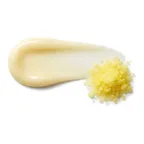 Retinal, retinaldehyde
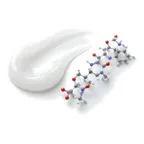 Biofermented Oligopeptide
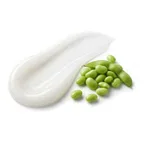 Amino Acids
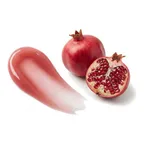 Punica Granatum Seed Extract
Average
- HighNormal Skin Fit
- AverageEffectiveness
- HighSafety
Works for sensitive skin; other serums fit it better.
This fit is calculated for the concerns frequently associated with sensitive skin: redness, stinging, and reactions to new products. For scores and recommendations based on your full skin profile, including your 12D face scan results and any goals or preferences you have, please use the Lovi app.
Updated How the Fit score works
Lovi Assistant explains
- Offers moderate exfoliation and hydration for your normal skin, with retinaldehyde effectively minimizing fine lines and Glycerin providing humectant action.
- While Tocopherol and yeast extract offer general skincare benefits supportive for redness and irritation, they are not specifically targeted to address these concerns.
- The formulation is safe for your normal skin with sensitivity, as it lacks prohibited or harsh ingredients and poses no risk of irritation.
How to apply
- Use your serum in the PM routine, starting 3 times a week before building up to daily use if your skin is happy.
- Apply the serum after cleansing and toning, but before putting on your moisturizer for the best results.
- Gently press 2-3 drops of the serum into your skin and wait a minute ⏱ for it to soak in.
- Since your skin is sensitive and easily irritated, apply the serum on completely dry skin to help keep it calm.
- Always do a patch test before your first use and avoid getting the serum too close to your eyes .
People Say
★4.6Overall rating based on 400+ reviewsThis serum is widely praised as an excellent, gentle introduction to retinaldehyde, with users reporting visible improvements in skin texture, brightness, and acne control without the harsh irritation often associated with retinoids.
Highlights
Gentle & Non-irritating Mostly Mentioned
- “zero irritation”
- “skin friendly”
- “gentle formula”
- “no sensitivity”
Improves Texture & Tone Often Mentioned
- “skin is glowing”
- “smoother texture”
- “even tone”
- “faded dark spots”
Pleasant Texture Often Mentioned
- “lightweight”
- “absorbs well”
- “creamy serum”
- “hydrating feel”
Effective for Acne Sometimes Noted
- “holygrail for acne”
- “reduction in breakouts”
- “unclogs pores”
- “fades post-acne marks”
Great Value Sometimes Noted
- “affordable price”
- “great price point”
- “well priced”
- “good value”
Slow results Sometimes Noted
- “taken weeks/months”
- “slow progress”
- “not huge difference”
- “needs time”
Breakouts/Purging Rarely Noted
- “tiny bumps appeared”
- “small pimples”
- “caused breakout”
- “purging phase”
Dryness Rarely Noted
- “makes skin dry”
- “caused flakiness”
- “not hydrating enough”
- “dried out patches”
Skin irritation Rarely Noted
- “burning and itching”
- “caused rashes”
- “redness after use”
Sources: lovi.care, naturium.com, target.com, spacenk.com, reddit.com, youtube.com, and more
Questions and answers
How well does Naturium Retinaldehyde Cream Serum 0.05% work for sensitive skin?
This serum works moderately well for sensitive skin, offering gentle exfoliation and hydration while safely avoiding harsh irritants. Because other options fit this skin type better, a sensitive skin routine needs ingredients that specifically calm redness and irritation, such as niacinamide and soothing botanical extracts.
Which ingredients make this serum a good fit for sensitive skin?
This serum works for sensitive skin because glycerin, tocopherol, and yeast extract help keep it soft and calm. To be a better fit for this skin type, a treatment needs soothing ingredients like niacinamide and snail secretion filtrate that directly target redness and irritation.
What does Retinal do for sensitive skin?
Retinaldehyde is a weaker fit for sensitive skin because it may cause dryness and irritation, though it generally has a better tolerance profile than stronger forms of vitamin A. To work safely for sensitive skin, a product of this type needs soothing ingredients, gentle hydrators, and a low concentration introduced gradually.
What does Biofermented Oligopeptide do for sensitive skin?
Biofermented oligopeptide helps calm sensitive skin by reducing redness and soothing irritation while supporting the natural moisture barrier. It may also improve overall skin texture and comfort when used regularly in your routine.
Where does this serum go in a skincare routine for sensitive skin?
This serum goes in your evening routine after your cleansing and toning steps, followed by a moisturizer. A product for this skin needs soothing ingredients and calming hydrators that actively reduce redness and irritation.
Can I use this serum with glycolic acid, and in what order?
It is best to avoid using this serum in the same routine as glycolic acid, as combining them may cause excessive dryness and irritation on sensitive skin. Use glycolic acid and this treatment apart: in different sessions of the same day or on different days.
How often should I use this serum?
You can use this serum in your evening routine once a week to start, and if your skin feels comfortable, you can slowly use it more often. While it has a safe profile without harsh ingredients, sensitive skin needs a product that brings extra soothing and calming ingredients to keep redness comfortable.
Can this serum clog pores, cause breakouts or purging for sensitive skin?
This serum is unlikely to clog pores or cause breakouts, though minor purging or dryness may happen as your skin gets used to it. Sensitive skin of this type needs a gentle treatment with soothing ingredients that calm redness and keep the skin barrier strong.
Is this serum fragrance-free and alcohol-free?
Yes, it has no fragrance and no drying alcohol.
What the research says
A single application of a moisturizing fluid containing hyaluronic acid 1%, glycerin 5%, and Centella asiatica stem cells extract significantly increased skin hydration by 29% and reduced transepidermal water loss at 24 hours compared to baseline and an untreated control site in twenty healthy women.
Clinical, Cosmetic and Investigational Dermatology, 2017A topical antioxidant serum significantly reduced air pollution-induced skin pigmentation and proinflammatory gene expression ex vivo, and improved skin aging signs in 40 healthy adult females after 90 days of daily use.
Journal of Cosmetic Dermatology, 2022Topical moisturizers improved skin barrier function and surface moisture, while a postbiotic moisturizer with yeast extract uniquely supported microbiome balance and modulated biomarkers of skin barrier, structure, and inflammation in participants and ex vivo explants exposed to environmental aggressors.
Journal of Clinical Medicine, 2023Twice daily application of retinaldehyde 0.1% and 0.05% creams for 3 months improved skin texture and hydration and reduced transepidermal water loss in 40 female Korean volunteers, with only the 0.1% cream significantly improving the melanin index.
Journal of Cosmetic Dermatology, 2018Topical 0.05% retinaldehyde applied over 1 year significantly increased epidermal thickness of the temple and cutaneous elasticity compared to an emollient control group in 40 aging skin patients.
Dermatology, 1999Topical 0.05% retinaldehyde cream reduced wrinkle and roughness features similarly to 0.05% retinoic acid cream in patients with photodamaged facial skin, while demonstrating superior local tolerance and better patient compliance.
Journal of the American Academy of Dermatology, 1998Topical preparations containing zinc(II) complexes with glycine and histidine effectively treat acne skin by providing high antibacterial activity against C. acnes and low cytotoxicity for skin cells, with no observed irritation or allergy in healthy volunteers.
International Journal of Molecular Sciences, 2021Mycosporine-like amino acids serve as promising multifunctional natural ingredients for sun care products, offering UV protection, anti-photoaging, and skin renewal benefits.
Marine Drugs, 2017An analysis of 14 patents filed between 2014 and 2024 revealed the increasing use of mycosporine-like amino acids in sunscreens, anti-aging creams, and antioxidant formulations, featuring enhanced water resistance, increased SPF, and defense against electromagnetic radiation.
Photochemical & Photobiological Sciences, 2025Daily consumption of fermented pomegranate extract drinks and serums improved skin moisture, brightness, elasticity, and collagen density while reducing spots in healthy subjects compared to baseline.
Journal of Cosmetic Dermatology, 2022Phenolic-rich pomegranate peel extract formulated into a serum and mask showed significantly better facial skin lightening efficacy than placebo in 30 volunteers over 28 days.
Planta Medica, 2020Topical application of a 2% cream containing combined fruit extracts for 56 days significantly reduced wrinkle depth by 11.5%, length by 10.07%, and area by 29.55% in 21 female subjects compared to a placebo.
Clinical, Cosmetic and Investigational Dermatology, 2015
Why other serums fit sensitive skin better
Topical application of TAT-SOD significantly suppresses UVB-induced erythema formation, blood flow rise, and apoptotic sunburn cell formation in human volunteers compared to a vehicle control.
European Journal of Pharmaceutics and Biopharmaceutics, 2016Topical ferulic acid-containing formulations effectively reduce skin erythema, hyperpigmentation, and signs of aging in adults compared to baseline or alternative conditions.
The Journal of Clinical and Aesthetic Dermatology, 2025
Ingredients
Water, Glycerin, Propanediol, Triheptanoin, C13-15 Alkane, Coco-Caprylate Caprate, Carbomer, Yeast Extract, Apricot Polyglyceryl-6 Esters Kernel Oil, Amino Acids, Punica Granatum Seed Extract, Cetyl Diglyceryl Tris Trimethylsiloxy Silylethyl Dimethicone, Hydrolyzed Yeast Extract, Olivine Extract, Dilinoleic Acid Butanediol Copolymer, Cellulose, Phenoxyethanol, Sorbitan Oleate, Sodium Metabisulfite, Retinal, Guanosine, Uracil, Polyacrylate Crosspolymer-6, C9-12 Alkane, Caprylyl Glycol, Polyglyceryl-10 Dipalmitate, Dipropylene Glycol, Sodium Hydroxide, Glyceryl Polyacrylate, Tocopherol, Pvm Ma Copolymer, Adenosine Phosphate, Castor Ipdi Copolymer Oil, Potassium Sorbate, Hexadecene, Sodium Benzoate, T-Butyl Alcohol
Behind this fit score
Lovi calculates every fit score from the full ingredient list with brand-independent rules our dermatologists and cosmetic chemists build and review, and personalizes every pick with AI trained on the real results of millions of users. Lovi trains its fit score models on a proprietary dataset built from more than 10,000 expert-labeled products and more than 100,000 simulated examples, following an internally consistent methodology presented at Cosmoprof, AMWC, and Skin of Color Update.
-

Co-founder, Medical Director
Cosmetic chemist, cosmetologist, aesthetic products developer
-

Co-founder, CEO and CTO
PhD in computer science, 3x US patent holder, ex-Google, ex-Yandex
-

Dr. Sofía Perea Pérez, MD, MSc
Medical Board
Aesthetic medicine practitioner, MSc in Longevity and Anti-Aging Medicine
-

Medical Board
Specialist dermatologist, MBBS, MD, IFAAD
-

Medical Board
Cosmetic chemist, SCS, IFSCC member
-

Medical Board, Medical Advisor
Dermatology MD
-

Elina Nazarenko, MD
Medical Board
Dermatology and diagnostic consultant
-

Victoria Derkova, MS
Medical Board
Cosmetic chemist, cosmetic development technologist


How does it fit your skin?
Scan your face, then any product: Lovi shows how well it fits you and what fits even better.