
MISSHA Vita C Plus Clear Complexion Foaming Cleanser for oily acne-prone skin

 Ascorbic Acid
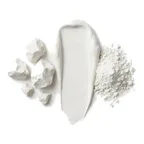 Kaolin Clay
 Niacinamide
 Sodium Hyaluronate
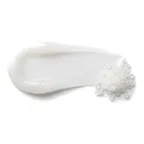 Tranexamic Acid
High
- SuperiorOily Skin Fit
- HighEffectiveness
- ExcellentSafety
A great choice for oily acne-prone skin; a few cleansers fit it even better.
This fit is calculated for the concerns frequently associated with oily acne-prone skin: shine, breakouts, blemishes, and enlarged pores. For scores and recommendations based on your full skin profile, including your 12D face scan results and any goals or preferences you have, please use the Lovi app.
Updated How the Fit score works
Lovi Assistant explains
- Offers excellent cleansing for your oily skin due to the presence of myristic acid and lauric acid, which effectively clear pores and help manage oiliness. Ascorbic acid and niacinamide further support your goals by providing moderate exfoliation and oil control.
- Kaolin and bentonite clay are included to help regulate sebum production, enhancing the product's suitability for your oily skin type.
- The formula is safe for your skin, with no risks of irritation due to the absence of harsh ingredients and the inclusion of soothing agents like allantoin and niacinamide.
Buy online

Prices checked 20 Nov 2026
The Lovi Fit is the same in every country; only the stores and prices differ, and the ones here are for Europe.
How to apply
- Use this cleanser as part of your AM and PM routine. Start using it daily to help clear your breakouts.
- Apply this cleanser as the first step in the morning and right after your pre-cleanser in the evening. Follow it with your toner and moisturizer.
- Gently massage a small amount of the cleanser onto your face using circular motions. Rinse thoroughly with lukewarm water and pat dry.
- Apply the cleanser on slightly damp skin to help clean deeply and remove excess oil. This works best for oily skin types.
- Avoid the sensitive eye area during application. Do a patch test before your first use.
People Say
★4.7Overall rating based on 1.2k+ reviewsBased on a very large amount of data, this cleanser is highly regarded by users with oily and dull skin for its effective deep cleaning, leaving skin feeling refreshed and looking brighter over time. However, a moderate number of users with dry or sensitive skin find it can be drying or stripping due to its potent formula and clay content.
Highlights
Deep cleansing Mostly Mentioned
- “squeaky clean feeling”
- “removes all impurities”
- “great for oily skin”
- “pores look smaller”
Brightening effect Often Mentioned
- “skin looks radiant”
- “brightens my complexion”
- “helped with dullness”
- “face looks less tired”
Pleasant scent Often Mentioned
- “refreshing orange scent”
- “smells like vitamins”
- “lovely citrus smell”
- “invigorating aroma”
Economical usage Sometimes Noted
- “a little goes a long way”
- “huge tube”
- “lasts for months”
- “very rich foam”
Drying or stripping Sometimes Noted
- “skin felt tight”
- “too drying for me”
- “stripped my skin barrier”
- “need moisturizer immediately”
Messy packaging Rarely Noted
- “leaks into the cap”
- “messy dispenser”
- “product oozes out”
- “cap gets dirty”
Potential irritation Rarely Noted
- “caused redness”
- “stung my eyes”
- “too strong for sensitive skin”
- “broke me out”
Undissolved granules Rarely Noted
- “granules didn't dissolve”
- “felt a bit scratchy”
- “hard to lather completely”
- “rough texture”
Sources: lovi.care, iherb.com, misshaus.com, yesstyle.com, stylekorean.com, nykaa.com, and more
Questions and answers
What makes Missha Vita C Plus Foaming Cleanser a great fit for oily acne-prone skin?
This cleanser is a great fit because myristic and lauric acid clear out pores and manage oiliness, while kaolin and bentonite clay regulate sebum production. Niacinamide and ascorbic acid provide gentle exfoliation and oil control, and soothing ingredients like allantoin keep the formula safe and gentle on your skin.
Dermatologic Therapy, 2020Drug Development and Industrial Pharmacy, 2019
Which ingredients make this cleanser a good fit for oily acne-prone skin?
This cleanser is a great fit because ingredients like myristic acid and lauric acid effectively clear pores and help manage oiliness. Ascorbic acid and niacinamide provide moderate exfoliation and oil control, while kaolin and bentonite clay help regulate sebum production.
Dermatologic Therapy, 2020Drug Development and Industrial Pharmacy, 2019
What does Vitamin C do for oily acne-prone skin?
Vitamin C helps clear up oily acne-prone skin by reducing pimples and calming redness. It is a great choice for this skin type because it has a very safe profile and balances skin tone while fighting breakouts.
International Journal of Cosmetic Science, 2009Journal of Cosmetic Dermatology, 2010
What does Kaolin Clay do for oily acne-prone skin?
Kaolin clay helps soak up excess oil and improves acne-related breakouts when used twice weekly. This type of mask is an average fit for your oily acne-prone skin, and to work best for you it needs added ingredients that balance oil and deeply hydrate without causing irritation.
Skin Research and Technology, 2023Forschende Komplementarmedizin, 2012
Where does this cleanser go in a skincare routine for oily acne-prone skin?
This cleanser fits into both your morning and evening routines as the first or second cleansing step. It helps clear pores and control oiliness safely without irritation.
Dermatologic Therapy, 2020Drug Development and Industrial Pharmacy, 2019
Can I use this cleanser with retinol, and in what order?
You can use this cleanser in the same routine as retinol by applying the cleanser first to clear pores and control oil before moving on to your retinol treatment. This cleanser is a great fit because it helps manage oiliness and regulate sebum without harsh ingredients, making it safe to pair with active treatments like retinol.
How often should I use this cleanser?
You can use this cleanser twice a day as part of your morning and evening routine. It effectively clears pores and manages oiliness while maintaining a safe profile for your skin.
Can this cleanser clog pores, cause breakouts or purging for oily acne-prone skin?
This cleanser is a great fit for your oily acne-prone skin because it clears pores and helps manage oiliness without irritation. Its ingredients help regulate sebum production while soothing your skin, making it unlikely to clog pores, cause breakouts, or lead to purging.
Dermatologic Therapy, 2020Drug Development and Industrial Pharmacy, 2019
Can I use this cleanser around the eyes or on my body?
You can use this cleanser on your body, but it is best to avoid the very thin skin directly around your eyes. The skin on your body is much thicker than the delicate skin around your eyes and can better handle deep-cleansing ingredients.
Is this cleanser fragrance-free and alcohol-free?
Yes, it has no fragrance and no drying alcohol.
What the research says
All three treatments—benzoyl peroxide, benzoyl peroxide plus erythromycin, and the combination of niacinamide, gallic acid, and lauric acid—were effective in reducing acne vulgaris severity in ninety patients over eight weeks.
Dermatologic Therapy, 2020Co-application of curcumin and lauric acid liposomal gel exhibited enhanced antibacterial effect and a two-fold reduction in comedones count and cytokines in a rat ear model compared to the placebo-treated group.
Drug Development and Industrial Pharmacy, 2019Glycerosomes loaded with lincomycin and lauric acid incorporated into a carbopol hydrogel achieved a two-fold increase in skin deposition of lincomycin and reduced inflammation, bacterial load, and improved histopathological changes in an acne mouse model compared to lincomycin hydrogel.
International Journal of Pharmaceutics, 2023The combination of allantoin, bisabolol, D-panthenol and dipotassium glycyrrhizinate reduces UVB-induced PGE2, inflammatory cytokines, and mitochondrial superoxide in human epidermal keratinocytes.
International Journal of Cosmetic Science, 2024Topical application of 5% vitamin C cream significantly improved global clinical scores, increased skin microrelief density, and induced elastic tissue repair in photoaged skin compared to excipient control in healthy female volunteers.
Experimental Dermatology, 2003Topical application of VC-IP cream twice daily for 8 weeks reduces periorbital wrinkles in female subjects compared to a placebo cream.
Journal of Cosmetic Dermatology, 2022Topical treatment with 5% vitamin C and 0.1% madecassoside significantly improved clinical scores for wrinkles, suppleness, firmness, roughness, and skin hydration, along with functional and structural remodeling of the elastic fiber network in 20 female volunteers with photoaged skin after 6 months compared to baseline.
Experimental Dermatology, 2008Vectorization of high molecular weight hyaluronic acid with clay enabled its penetration into deeper skin layers and led to a significant clinical reduction in fine lines in the crow's feet area compared to placebo after 28 days.
Skin Research and Technology, 2024Twice-weekly use of a clay mask over 4 weeks in 75 adults with oily or combination skin improved acne-related outcomes, sebum content, skin evenness, hydration, and reduced dryness and irritation.
Skin Research and Technology, 2023Clay jojoba oil facial masks reduced total skin lesions by a mean of 54% after 6 weeks in 133 participants with acne-prone, lesioned skin and mild acne compared to baseline.
Forschende Komplementarmedizin, 2012Topical nicotinamide prevented solar-simulated UV-induced immunosuppression in healthy volunteers, and men experienced immunosuppression at solar-simulated UV doses three times lower than those required for women.
The Journal of Investigative Dermatology, 2008Topical 5% niacinamide applied twice daily for 12 weeks reduced fine lines and wrinkles, hyperpigmented spots, red blotchiness, and skin sallowness, and improved skin elasticity compared to vehicle control in 50 female white subjects with facial photoaging.
Dermatologic Surgery, 2005Topical 2% niacinamide significantly decreased sebum excretion rate in Japanese individuals and casual sebum levels in Caucasian individuals compared to placebo or baseline.
Journal of Cosmetic and Laser Therapy, 2006Topical application of 0.1% hyaluronic acid formulations of different molecular weights led to significant improvements in skin hydration and elasticity, with low-molecular-weight formulations also significantly reducing wrinkle depth in seventy-six female subjects compared to a vehicle control.
Journal of Drugs in Dermatology, 2011Topical hyaluronic acid serum used twice daily by 40 females with facial photoaging produced an immediate 134% increase in skin hydration, a sustained 55% increase at week 6, and significant improvements in smoothness, plumping, fine lines, wrinkles, and global appearance without causing irritation.
Dermatology and Therapy, 2021A topical antioxidant serum significantly reduced air pollution-induced skin pigmentation and proinflammatory gene expression ex vivo, and improved skin aging signs in 40 healthy adult females after 90 days of daily use.
Journal of Cosmetic Dermatology, 2022Topical administration of 20% azelaic acid cream and 5% tranexamic acid solution comparably improved acne-related postinflammatory hyperpigmentation in patients with acne vulgaris, while tranexamic acid demonstrated a significantly better safety profile at week 4.
Journal of Research in Medical Sciences, 2023Topical 10% tranexamic acid serum reduced inflammatory acne counts, particularly papules and pustules, and decreased skin redness compared to placebo in 18 patients with mild-to-moderate acne over 8 weeks.
Journal of Cosmetic Dermatology, 2022
Ingredients
Water, Glycerin, Myristic Acid, Stearic Acid, Kaolin, Potassium Hydroxide, Bentonite, Palmitic Acid, Lauric Acid, Glyceryl Stearate, Coco-Glucoside, Iron Oxides Ci 77492, Polyquaternium-7, Lactose, Citrus Aurantium Dulcis Peel Oil, Cellulose, Arachidic Acid, Sodium Cocoyl Isethionate, Grapefruit Peel Oil, Disodium Edta, Eucalyptus Globulus Oil Leaf, Lavandula Angustifolia Oil Lavender Oil, Oleic Acid, 1,2-Hexanediol, Sodium Benzoate, Quillaja Saponaria Bark Extract, Hydroxypropyl Methylcellulose, Tocopheryl Acetate, Citric Acid, Hippophae Rhamnoides Water, Ethylhexylglycerin, Ascorbic Acid, 3-O-Ethyl Ascorbic Acid, Allantoin, Glyceryl Glucoside, Caprylic Capric Triglyceride, Butylene Glycol, Hydrogenated Lecithin, Ceramide Np, Palmitoyl Tripeptide-5, Caprylyl Glycol, Sodium Hyaluronate, Acetyl Hexapeptide-8, Tocopherol, Hydrolyzed Hyaluronic Acid, Arbutin, Niacinamide, Tranexamic Acid, Dipropylene Glycol, Hydrolyzed Collagen, Pentylene Glycol, Laurdimonium Hydroxypropyl Hydrolyzed Wheat Protein, Phytosterols, Ascorbyl Glucoside
Behind this fit score
Lovi calculates every fit score from the full ingredient list with brand-independent rules our dermatologists and cosmetic chemists build and review, and personalizes every pick with AI trained on the real results of millions of users. Lovi trains its fit score models on a proprietary dataset built from more than 10,000 expert-labeled products and more than 100,000 simulated examples, following an internally consistent methodology presented at Cosmoprof, AMWC, and Skin of Color Update.
-

Co-founder, Medical Director
Cosmetic chemist, cosmetologist, aesthetic products developer
-

Co-founder, CEO and CTO
PhD in computer science, 3x US patent holder, ex-Google, ex-Yandex
-

Dr. Sofía Perea Pérez, MD, MSc
Medical Board
Aesthetic medicine practitioner, MSc in Longevity and Anti-Aging Medicine
-

Medical Board
Specialist dermatologist, MBBS, MD, IFAAD
-

Medical Board
Cosmetic chemist, SCS, IFSCC member
-

Medical Board, Medical Advisor
Dermatology MD
-

Elina Nazarenko, MD
Medical Board
Dermatology and diagnostic consultant
-

Victoria Derkova, MS
Medical Board
Cosmetic chemist, cosmetic development technologist


How does it fit your skin?
Scan your face, then any product: Lovi shows how well it fits you and what fits even better.